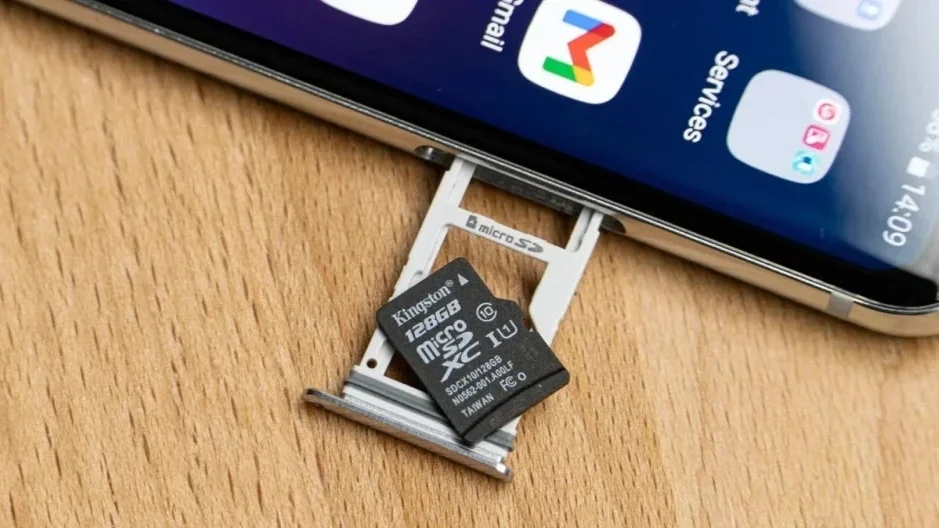
I went through the five stages of grief when microSD card slots disappeared in smartphones. Anger. Denial. Bargaining. Acceptance… and now? Hope!
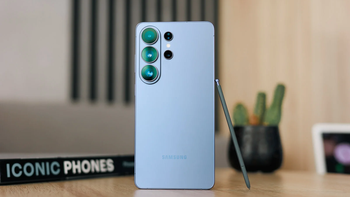
Samsung, of all companies, needs to bring the microSD card back — and there are a lot of reasons why. But first, a brief history of the microSD card slot in smartphones.
When did Samsung drop the microSD card from its flagship phones?
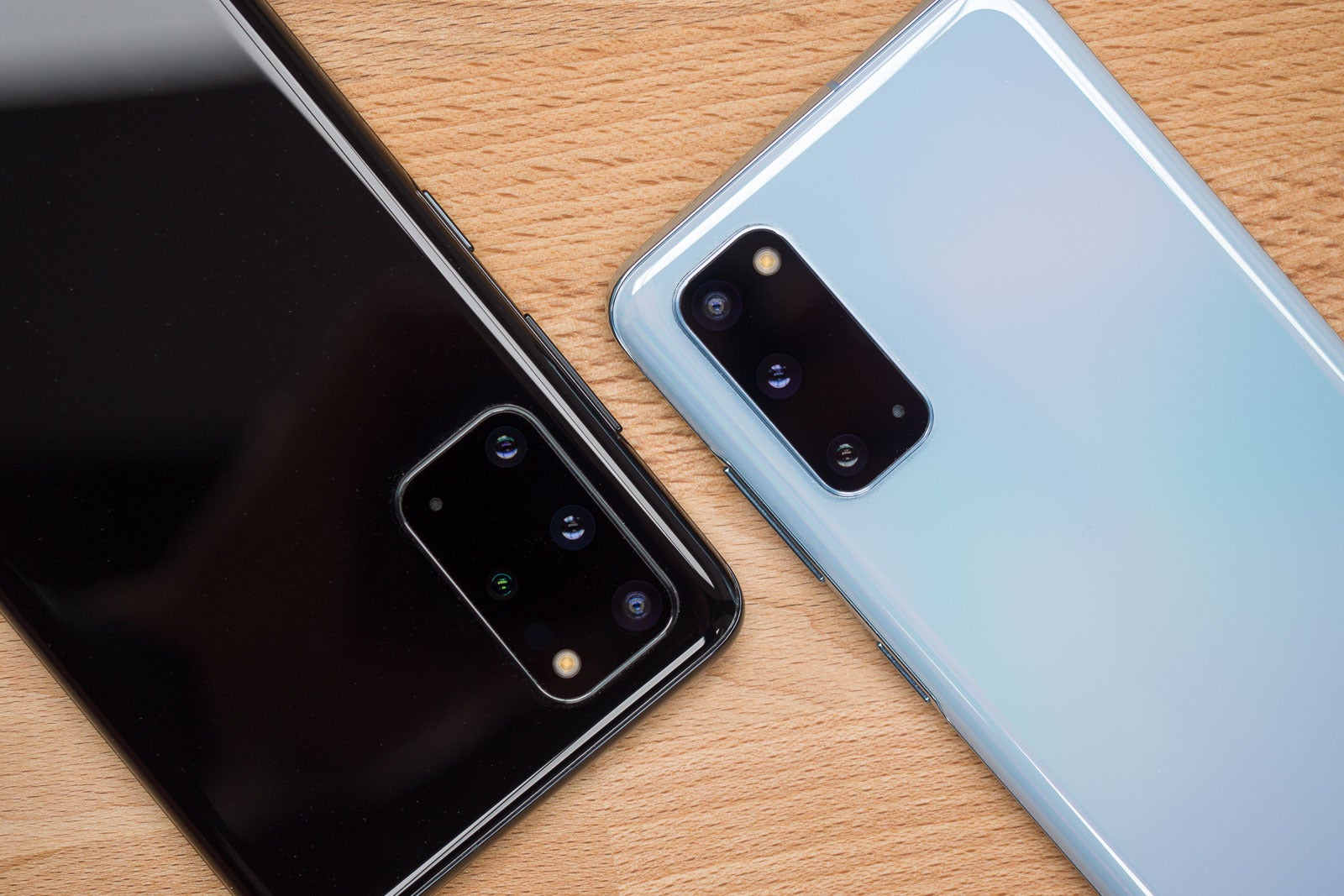
The S20 was the last Galaxy flagship series with a microSD card slot
The first Galaxy flagship series without a microSD card slot was the S21. It's been almost five years since the removal of the slot from the top-tier Galaxies. The next generations followed in the S21's footsteps, and the microSD card was gone for good.
As a consequence, many other brands started to remove the microSD card slot from their smartphone models, and we ended up with outliers such as the Sony Xperia smartphones. Today, you will be hard-pressed to find a popular flagship with a microSD card slot, except for the aforementioned Xperia, and we should emphasize "popular" in this case. What happened?
Reasons for the disappearance of the microSD card slot
Back in 2021, when Samsung dropped the microSD card slot from the Galaxy family, some of the reasons cited involved a more seamless and modern aesthetic, freeing up internal space for larger batteries or other components, as well as pointing out that microSD cards have relatively slow read/write speeds, especially compared to onboard storage.
There's also the argument that another slot compromises the IP rating of the phone and makes it susceptible to water damage. But it's a strange argument given that most phones that still have microSD card slots share it with the SIM slot and have an IP rating as well.
Recommended For You
Some people thought that this move had ulterior motives in addition to the arguments above. Removing the microSD card slot leaves consumers with no other option but to buy more expensive phones with larger internal storage if they want their content on the phone and not in the cloud.
These are all valid arguments, but there's a bizarre fact that turns most of them on their heads.
But some Galaxy A-series phones still have it! What gives?
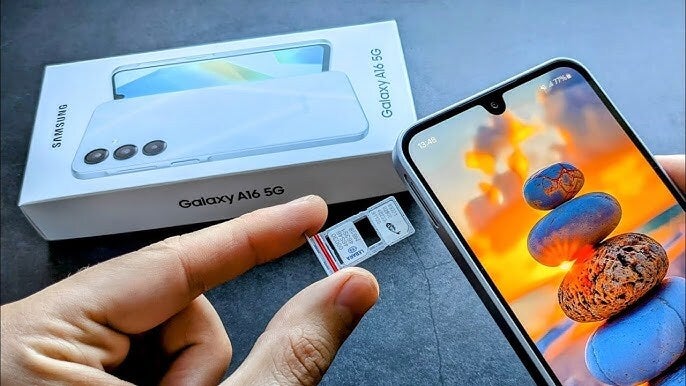
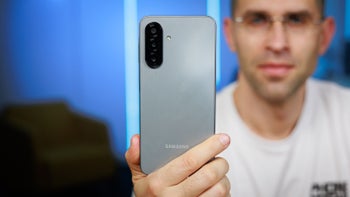
The $199 Galaxy A16 supports microSD cards
Strangely enough, the Galaxy A55 from last year, along with other models from the A-series, still comes with a microSD card slot. The design of the phone is pretty similar to that of the flagship S-series Galaxy devices; it has an IP rating, and the battery is actually larger than some of the models in the S-series range from the same year.
It's very strange to see a cheaper A-series Galaxy phone sporting a feature that the most expensive S-series models of the company lack.
It's probably the speed then? Slow microSD cards will bottleneck the performance and make fast and snappy flagships feel lagy. Well, not anymore.
There's a new microSD card standard (that’s actually two years old)
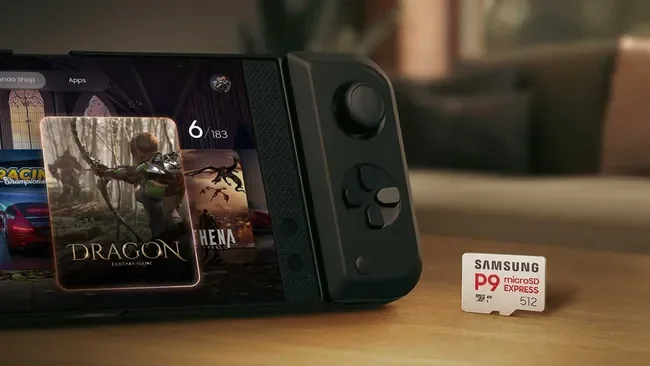
One of the new fast microSD cards, designed for the Switch console | Image by Samsung
More importantly, it kind of went under the radar when it comes to smartphones. But now it seems that the standard is getting more and more popular and starts to get adopted by major companies and devices.
On October 30th, Samsung officially released its P9 microSD card, specifically designed for the Nintendo Switch 2 portable console. The P9 Express offers sequential read speeds of up to 800 MB/s, aligning with some of the fastest microSD Express cards currently available.
This specific MicroSD Express card uses the PCIe 3.0 x1 interface, enabling significantly enhanced transfer performance—around four times faster than standard microSD UHS-1 cards.
Theoretically, using PCIe 4.0, these microSD Express cards can offer speeds up to 2000 MB/s.
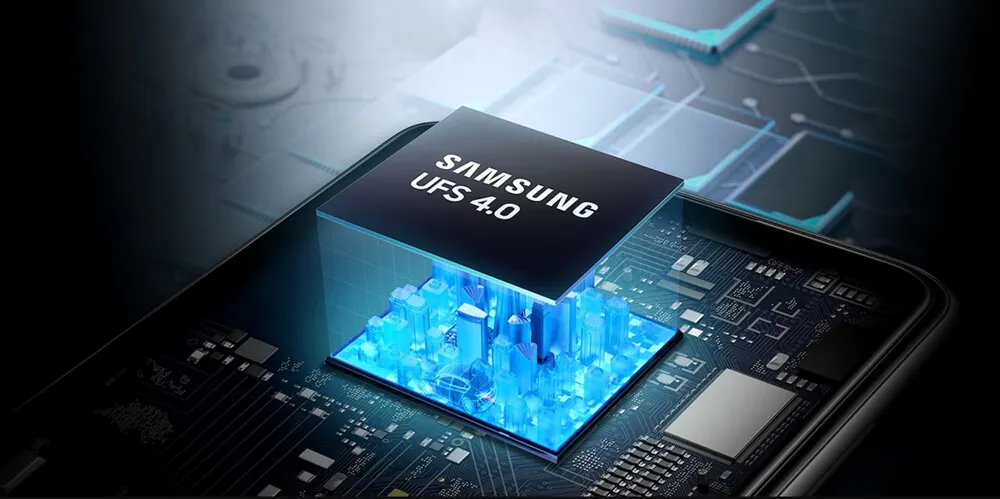
In comparison, Samsung's UFS 4.0, which is flash storage that can be found in many Galaxy flagship phones, offers read speeds of 4200 MB/s and write speeds of 2800 MB/s. The speed argument is about to become irrelevant fast (pun intended).
Why could Samsung be the one to bring back the microSD card?
Samsung is one of the largest manufacturers of memory chips worldwide
For starters, Samsung is one of the largest manufacturers of memory chips, including those in microSD cards. The company has huge expertise, production capacity, and the necessary means to implement a microSD Express slot in the Galaxy S26, for example, and offer the appropriate cards for it.
There are no technical challenges before such a move, and furthermore, the microSD Express standard is backward compatible with all other microSD standards, meaning you can use old cards lying around as well.
Samsung also still manufactures smartphones with a microSD card slot (the Galaxy A16 has one), so it won't be such a big adjustment in the production line. I'm sure many people would welcome such a move, but there's one huge issue.
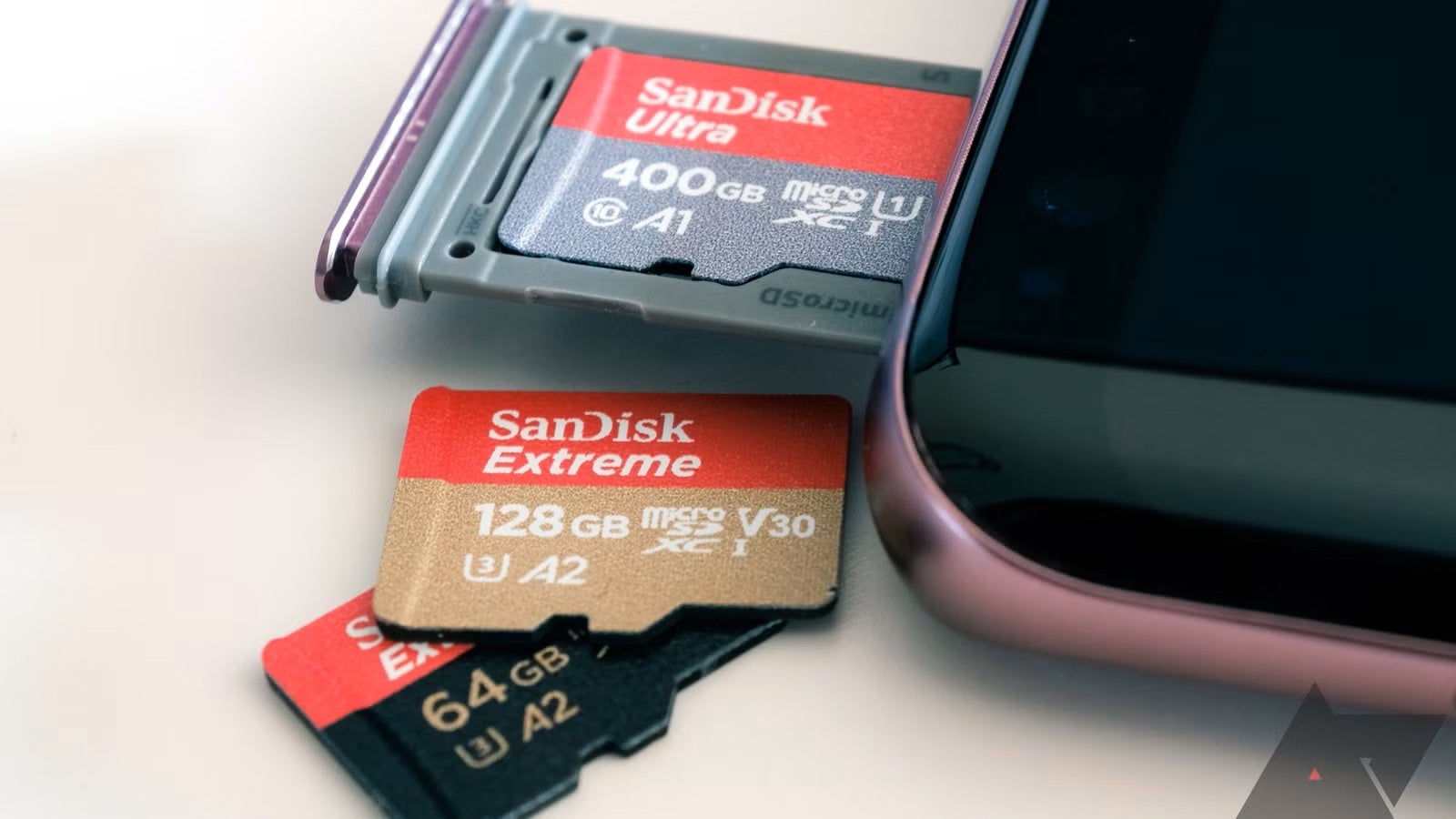
The price for the 256GB and 512GB P9 microSD Express cards is $54 and $99, respectively.
The big question is who would buy a 1TB Galaxy S26 Ultra if the 256GB version had a microSD card slot that could get you the same storage much cheaper?
But I think we should get our microSD card slots back on our smartphones, given the recent advancements in technology. What do you think about this? Would you like to see the Galaxy S26 series rocking a microSD card slot?
Do you want to see the microSD card slot back on the Galaxy S26?
558 Votes
Free Galaxy A17 5G with Straight Talk
Get a free Galaxy A17 with Straight Talk. To claim this deal, you need to pair the phone with activation on a Silver Unlimited Plan or higher. This tier costs $45 per month. Offer valid through 01/10/27 while supplies last online.
Mariyan, a tech enthusiast with a background in Nuclear Physics and Journalism, brings a unique perspective to PhoneArena. His childhood curiosity for gadgets evolved into a professional passion for technology, leading him to the role of Editor-in-Chief at PCWorld Bulgaria before joining PhoneArena. Mariyan's interests range from mainstream Android and iPhone debates to fringe technologies like graphene batteries and nanotechnology. Off-duty, he enjoys playing his electric guitar, practicing Japanese, and revisiting his love for video games and Haruki Murakami's works.
A discussion is a place, where people can voice their opinion, no matter if it
is positive, neutral or negative. However, when posting, one must stay true to the topic, and not just share some
random thoughts, which are not directly related to the matter.
Things that are NOT allowed:
Off-topic talk - you must stick to the subject of discussion
Offensive, hate speech - if you want to say something, say it politely
Spam/Advertisements - these posts are deleted
Multiple accounts - one person can have only one account
Impersonations and offensive nicknames - these accounts get banned
To help keep our community safe and free from spam, we apply temporary limits to newly created accounts:
New accounts created within the last 24 hours may experience restrictions on how frequently they can
post or comment.
These limits are in place as a precaution and will automatically lift.
Moderation is done by humans. We try to be as objective as possible and moderate with zero bias. If you think a
post should be moderated - please, report it.
Have a question about the rules or why you have been moderated/limited/banned? Please,
contact us.







Things that are NOT allowed:
To help keep our community safe and free from spam, we apply temporary limits to newly created accounts: