iPhone 18 Pro's ambitious A20 Pro chip is now causing problems
Only a limited supply of iPhone 18 Pro and iPhone Ultra might be available at launch.
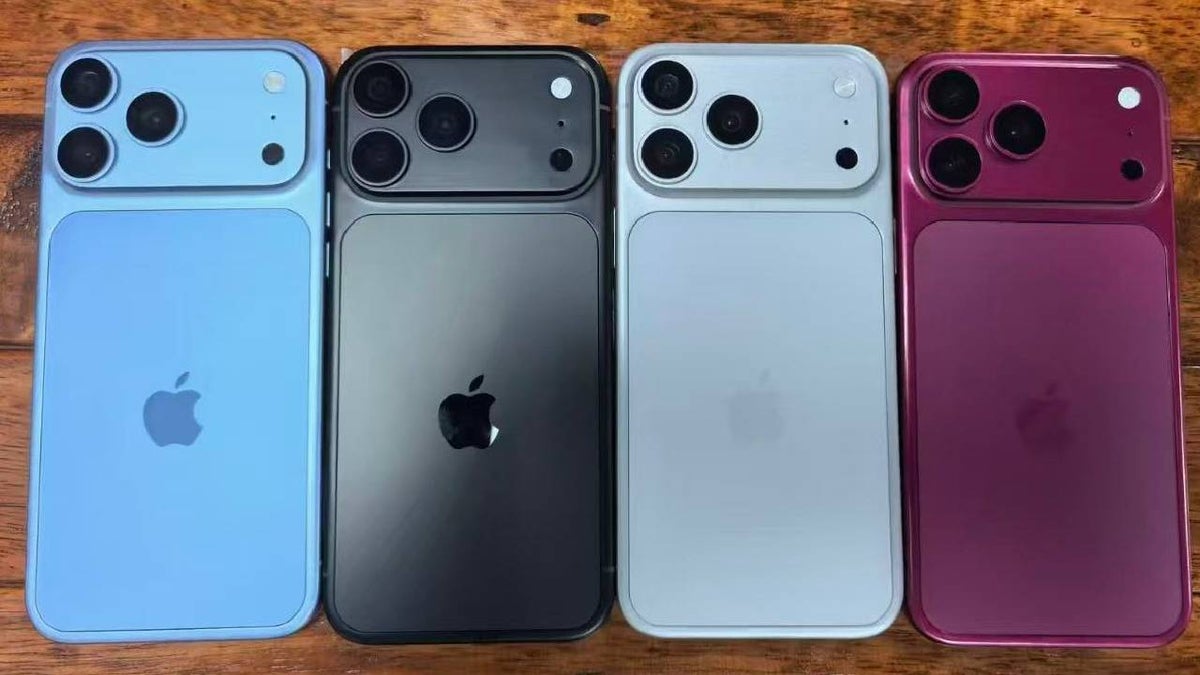
Blame it on the new packaging tech. | Image by Sonny Dickson
The iPhone 18 Pro's A20 Pro chip is reportedly set to use Taiwan Semiconductor Manufacturing Company (TSMC)'s 2nm technology. The move from the third-generation 3nm process should result in up to 15% faster speeds or a 30% decrease in power consumption.
The process shift isn't the only reason the A20 Pro will bring significant improvements. Apple is reportedly ditching Integrated Fan-Out Package-on-Package (InFO-PoP) packaging in favor of Wafer-Level Multi-Chip Module (WMCM). A global RAM crunch is threatening to throw a wrench into Apple's launch timeline.
InFO-PoP stacked DRAM on top of the System-on-a-Chip (SoC) to minimize thickness. The WMCM process is an extension of TSMC’s CoWoS 2.5D packaging technology, which integrates memory and the processor at the wafer level.
RAM is holding everything up
InFO-PoP stacked DRAM on top of the System-on-a-Chip (SoC) to minimize thickness. The WMCM process is an extension of TSMC’s CoWoS 2.5D packaging technology, which integrates memory and the processor at the wafer level.
A quick primer: silicon wafers are the foundational discs diced into individual chips. To finish a WMCM package, memory must be bonded to the processor wafer during production.
That's where Apple has run into a wall.
According to Taipei-based journalist Tim Culpan, Apple is struggling to secure enough memory chips for the iPhone 18 Pro and iPhone Ultra. Without those memory chips, wafers are accumulating because they can't be packaged and proceed to the next step without DRAM.
An estimated $1 billion worth of Apple chips is stuck at TSMC. Consequently, the main logic board (MLB) assembly and final production, which are handled by China’s BYD and Taiwan’s Foxconn, is being delayed.
According to Taipei-based journalist Tim Culpan, Apple is struggling to secure enough memory chips for the iPhone 18 Pro and iPhone Ultra. Without those memory chips, wafers are accumulating because they can't be packaged and proceed to the next step without DRAM.
An estimated $1 billion worth of Apple chips is stuck at TSMC. Consequently, the main logic board (MLB) assembly and final production, which are handled by China’s BYD and Taiwan’s Foxconn, is being delayed.
How would you feel about shipment delays?
185 Votes
Might push me to buy an older model.
15.68%
Might compel me to buy a Samsung foldable.
21.62%
I don't care.
62.7%
Shortages expected
Apple reportedly plans to produce 200 million units of the iPhone Ultra, iPhone 18, and iPhone 18 Pro over their lifecycle. The foldable iPhone Ultra will account for under 10% of those, with the rest split evenly between the Pro and standard models.
Why bother with WMCM?
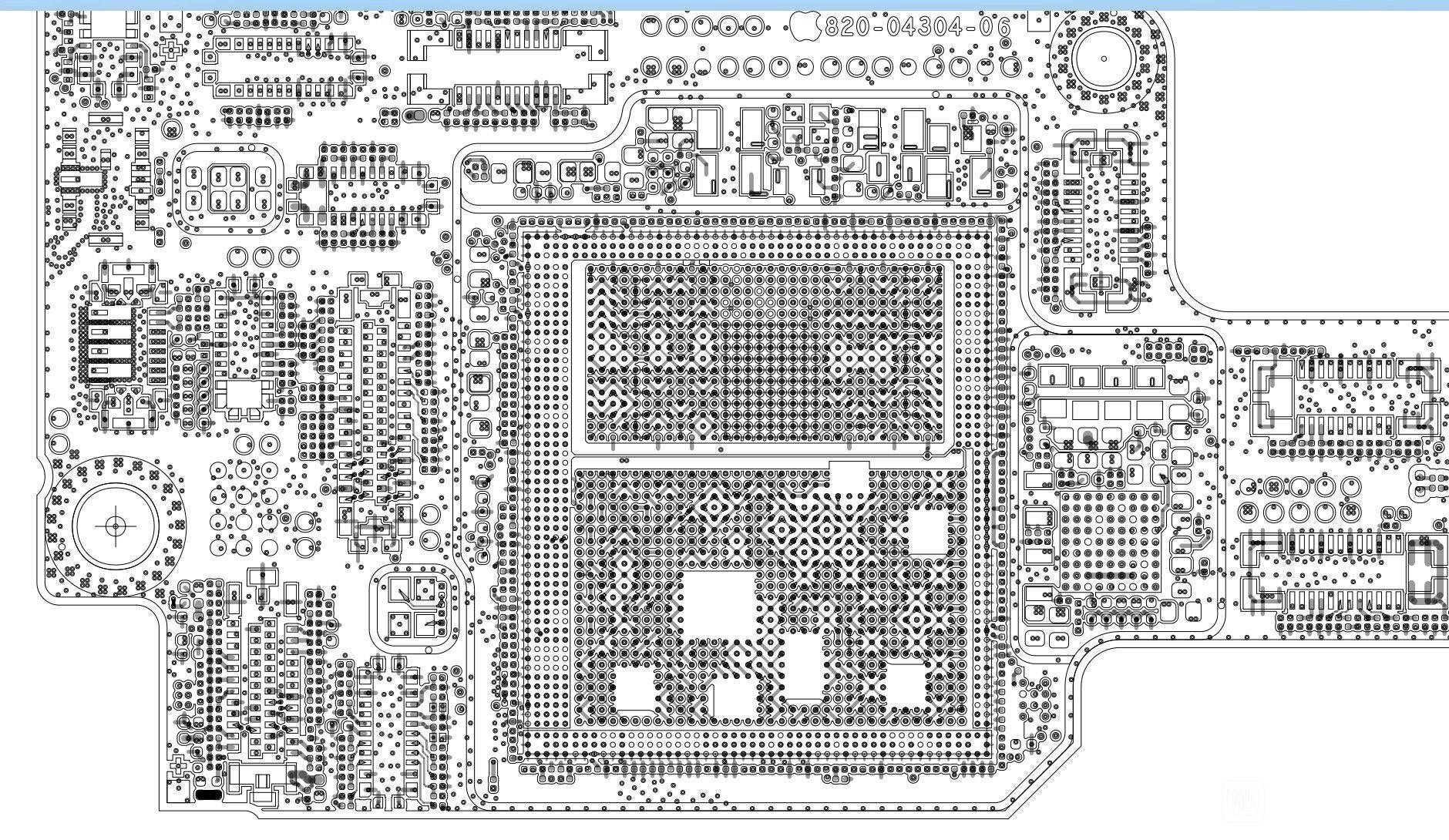
iPhone 18 Pro's motherboard | Image by @Reptalicant
By housing the CPU, GPU, Neural Engine, and memory inside the same package, WMCM cuts communication delays, boosting performance while keeping thermals in check.
That's crucial not only for everyday performance but also for AI features, such as the ones the revamped Apple Intelligence suite will offer.
A leaked motherboard image suggests Apple is shifting DRAM to prevent heat buildup over the processor. Add in the rumored shift from 64-bit LPDDR5X memory to 96-bit LPDDR6 memory, and you can look forward to higher bandwidth and better sustained performance during heavy gaming or AI workloads.
A frenzied launch
Uncertainty is already clouding the launch of iPhone Ultra, which may or may not have run into production problems depending on whom you believe. Now it looks like the iPhone 18 Pro may also be hard to come by.
iPhones no longer have the undisputed performance edge over Android phones they once did. The adoption of new technologies for the iPhone 18 Pro could change that.
Wondering how the iPhone 17 Pro and top Androids stack up in performance?
- The Galaxy S26 Ultra has surpassed it in multitasking performance
- But the iPhone 17 Pro Max is still better at everyday tasks
- While the Pixel 10 Pro doesn't even want to compete


Popular stories






Latest News




Things that are NOT allowed:
To help keep our community safe and free from spam, we apply temporary limits to newly created accounts: