AT&T, T-Mobile, and Verizon have changed. Customer perception hasn't
Consumers appear to have mixed up what AT&T, T-Mobile, and Verizon are good at.
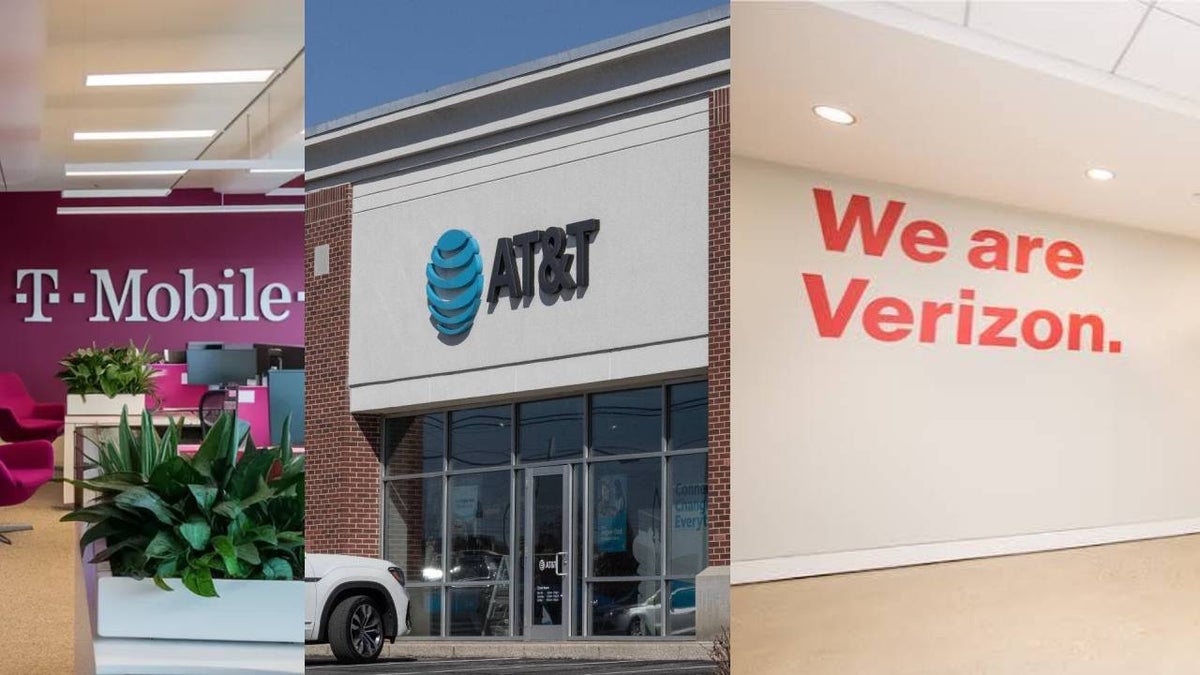
Can't blame them | Image by PhoneArena
People say a lot of things haven't been the same since the pandemic. Apparently, everything is pricier, food doesn't taste as good, and our social skills have withered. None of that is backed by theory, but the general feeling is that everything is a bit off. I say we add one more item to the list — and this one is backed by data, not gut feelings: AT&T, Verizon, and T-Mobile.
The Big Three have been quietly shifting strategies over the last five years, yet most consumers are still clinging to outdated perceptions.
According to data from market intelligence firm Recon Analytics, T-Mobile leads in Component Net Promoter Score (cNPS). Haven't heard of that one? Well, it's the research company's version of NPS, albeit a more granular one, which evaluates customer satisfaction across operational components.
The scorecard vs. the reality
According to data from market intelligence firm Recon Analytics, T-Mobile leads in Component Net Promoter Score (cNPS). Haven't heard of that one? Well, it's the research company's version of NPS, albeit a more granular one, which evaluates customer satisfaction across operational components.
T-Mobile netted a combined cNPS of 17.4, beating out Verizon (14.1) and AT&T (9.1). Given T-Mobile's momentum, the leaderboard isn't hugely surprising. Zoom in, though, and the results may look hard to make sense of.
Which carrier are you most likely to recommend to others?
4 Votes
Holding on to what the Big Three used to be
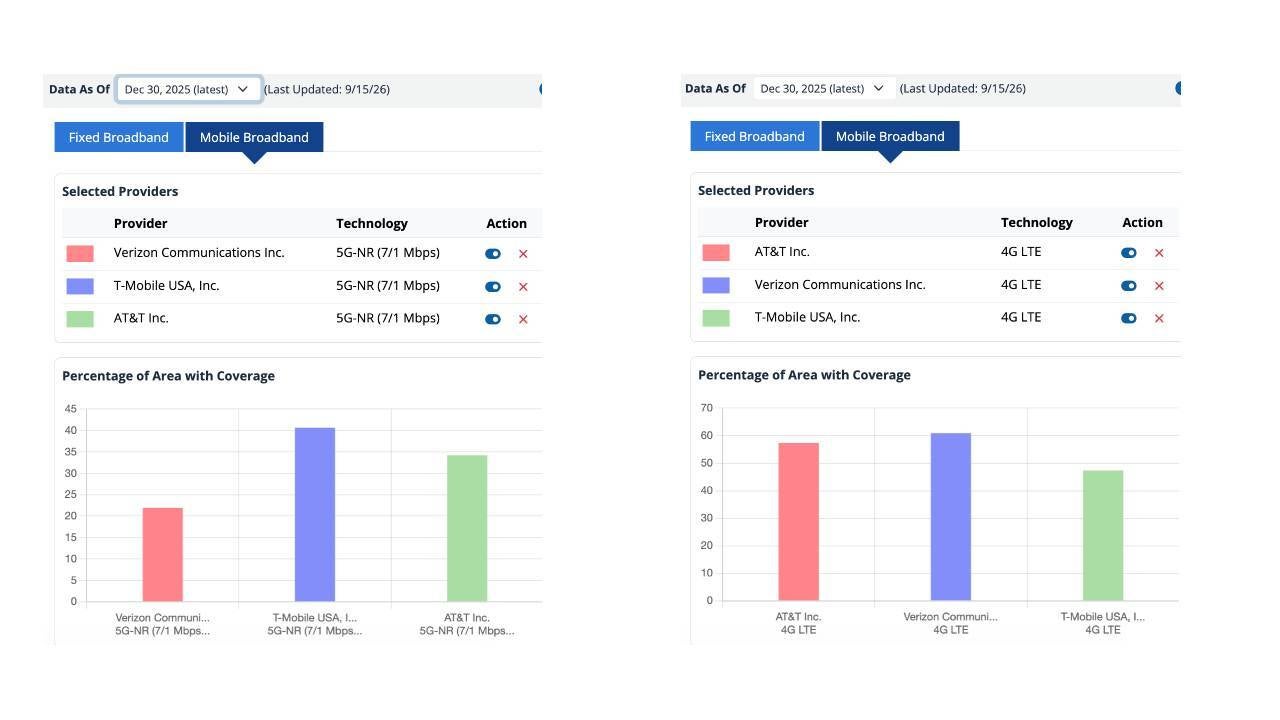
Big Three 5G vs 4G coverage | Image by FCC
For instance, consumers rate Verizon noticeably higher on coverage (26.6) than T-Mobile (18.7). Web browsing experience and streaming are also perceived as superior on Verizon.
Consumers still associate Verizon with having the best network. But while Verizon's LTE signals do cover more of the US, it trails T-Mobile in 5G coverage and speeds.
T-Mobile scored 10.7 on value for price, while Verizon rated -7.8 and AT&T -5.2. That would signal a huge disparity in their rate cards. Interestingly, though, T-Mobile is increasingly becoming a premium brand, while AT&T and Verizon have been actively courting budget-conscious customers with stripped-down plans that T-Mobile hasn't matched.
Then there's reliable old AT&T. While T-Mobile and Verizon often grab the headlines, AT&T is quietly clinging to what it does best: being consistent. AT&T didn't win a single category outright. That overlooks the fact that it covers 99% of the US population, offers the same deals to new and old customers, and is the only one to offer proactive bill credits during outages.
Why the disconnect?
The gap between ground reality and public perception suggests the Big Three aren't communicating their real strengths effectively. Or perhaps the meaningful gap between them has narrowed so much that no carrier has delivered a real differentiating edge that could replace the perception cemented in the minds of customers.
Noise drowning out noise
Instead of playing to their actual advantages, each carrier tries to position itself as the do-it-all provider. Amidst the marketing noise, it's no wonder consumers fall back on decades-old stereotypes.


Popular stories


Latest News


Things that are NOT allowed:
To help keep our community safe and free from spam, we apply temporary limits to newly created accounts: