With the Galaxy Fold 7 last year, Samsung rethought what a modern foldable phone should be. It was thinner, lighter, with a much more practical, wider cover screen, and Samsung decided S Pen support was no longer needed. I loved those changes — so naturally, I tried using the Fold 7 as my daily driver.
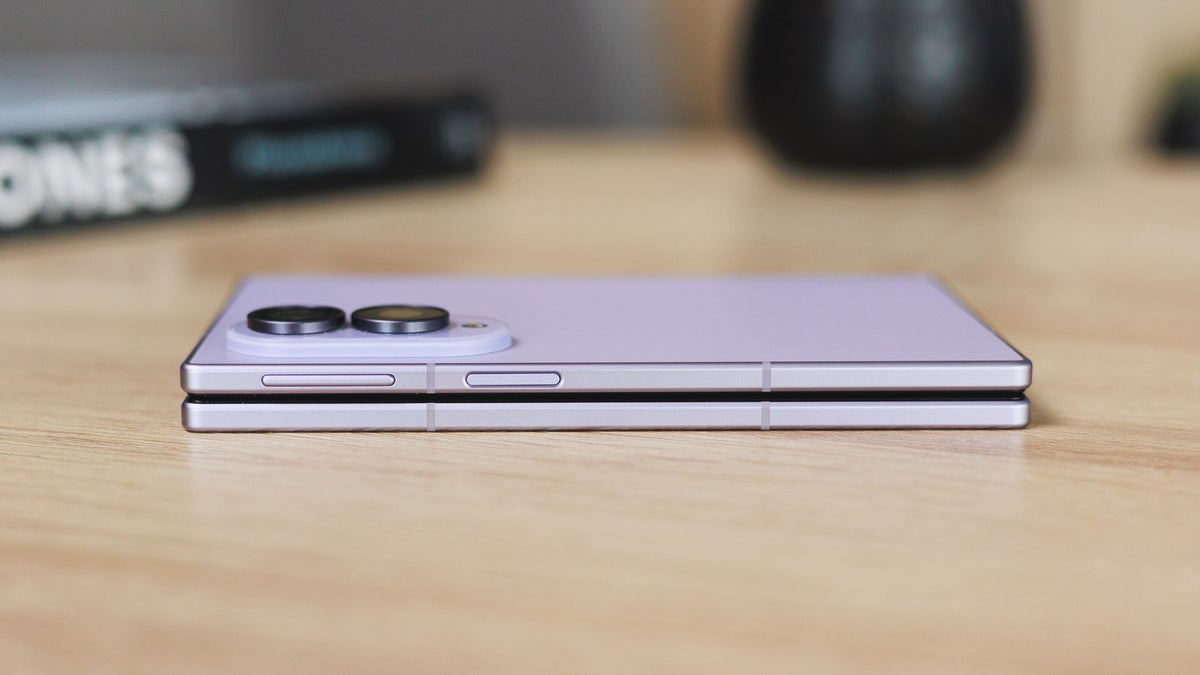
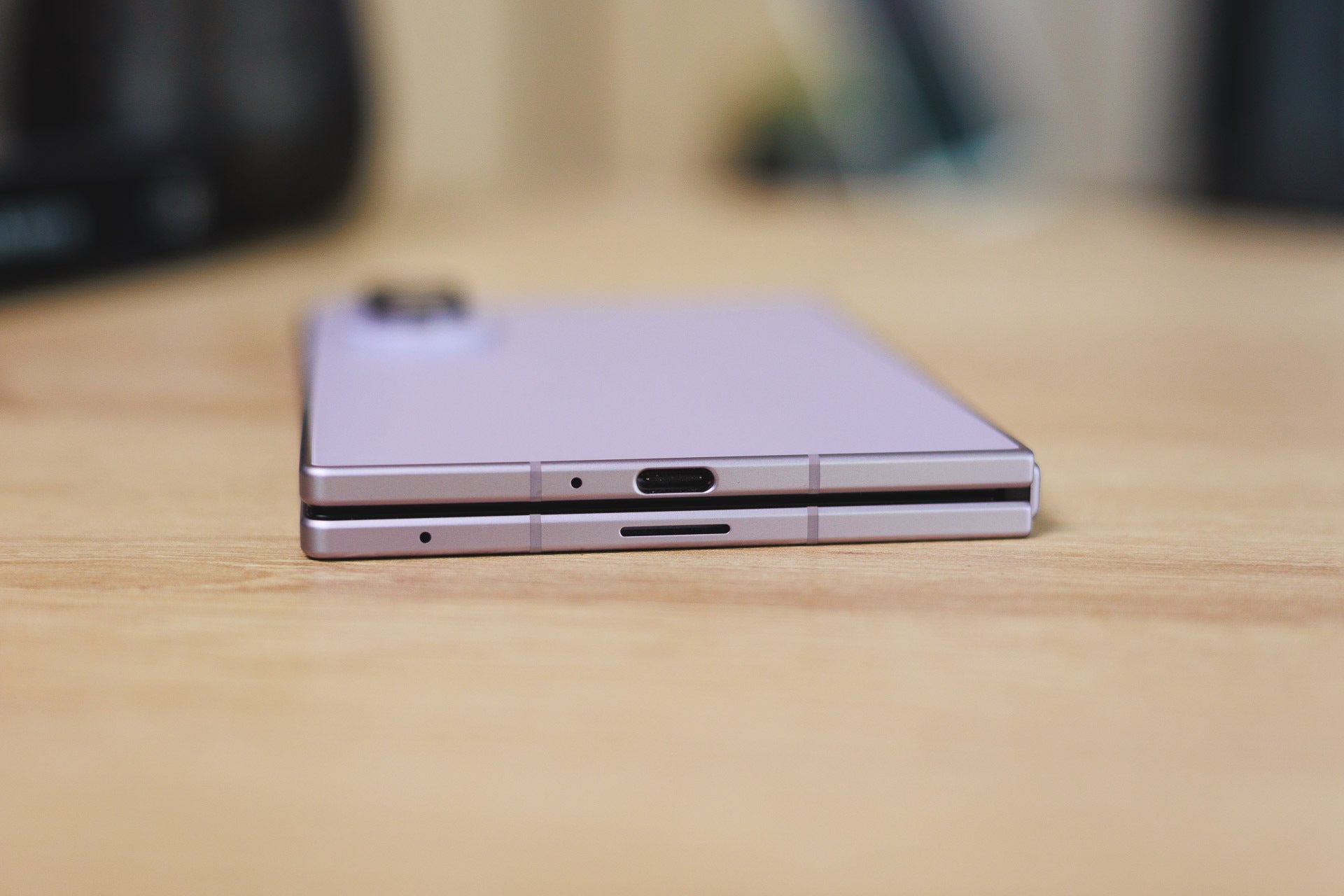
It didn't work out. There was one seemingly small issue that bugged me from the very first moment I grabbed the Fold 7 in my hands — it was just too damn hard to open. Samsung bet on flat sides, but since now the phone was much thinner, this meant the gap in between the two halves was even smaller. Unfolding the phone took more effort than it should, or at least extra attention not to drop it in the process.
I understood Samsung's motivation — flat sides are much better for durability, and they are the trend in most phones these days. But they just didn't work well with a super-thin foldable that you are supposed to open dozens of times each day.
The irony is that Samsung solved one problem by creating another. The perfectly flat sides provide better structural rigidity and a consistent look with other Samsung devices, at the expense of the ease of use.
An elegant solution
Enter the Galaxy Fold 8 series, and I mean the Galaxy Fold 8, the Fold 8 Ultra, and even the new Flip 8.
Recommended For You
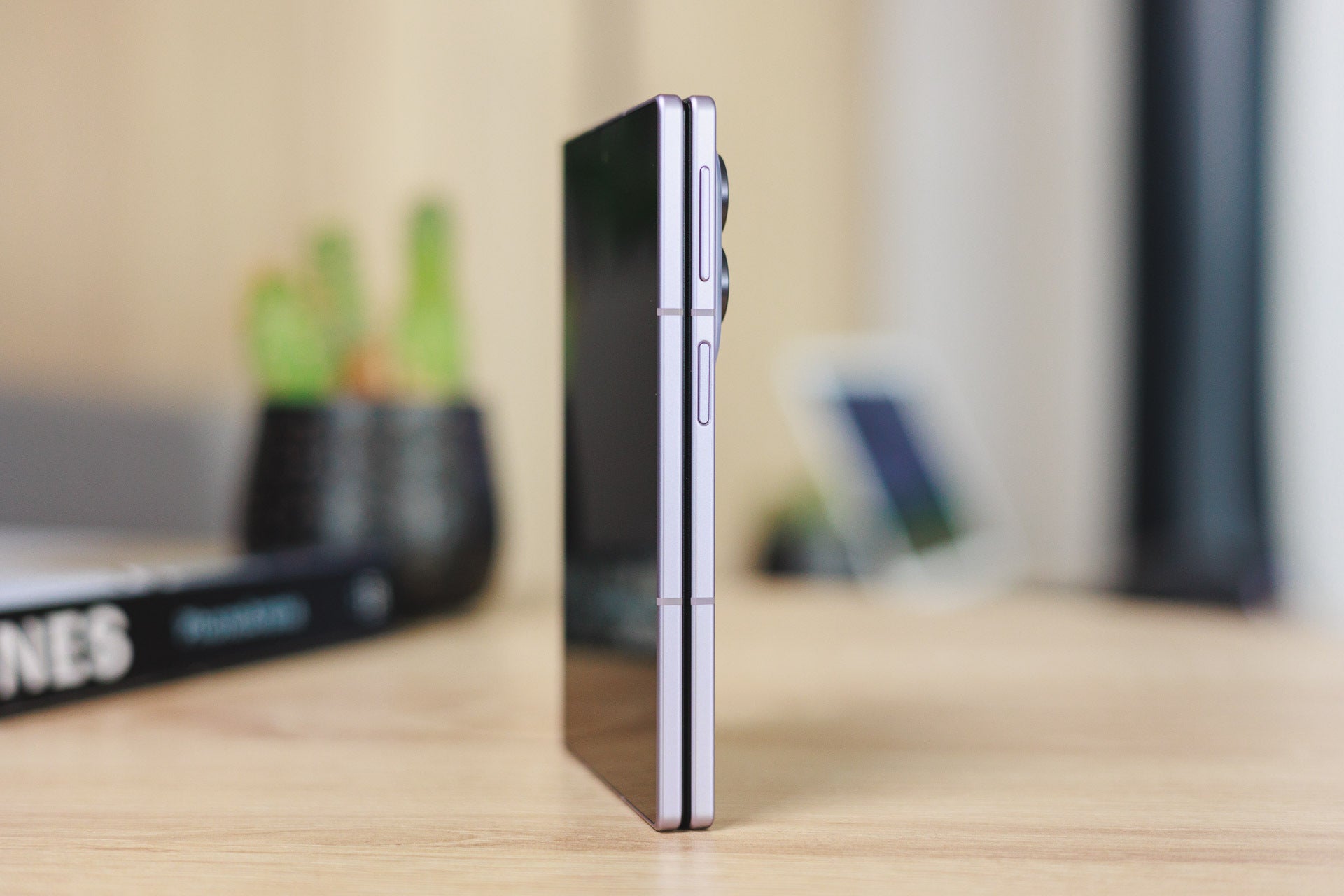
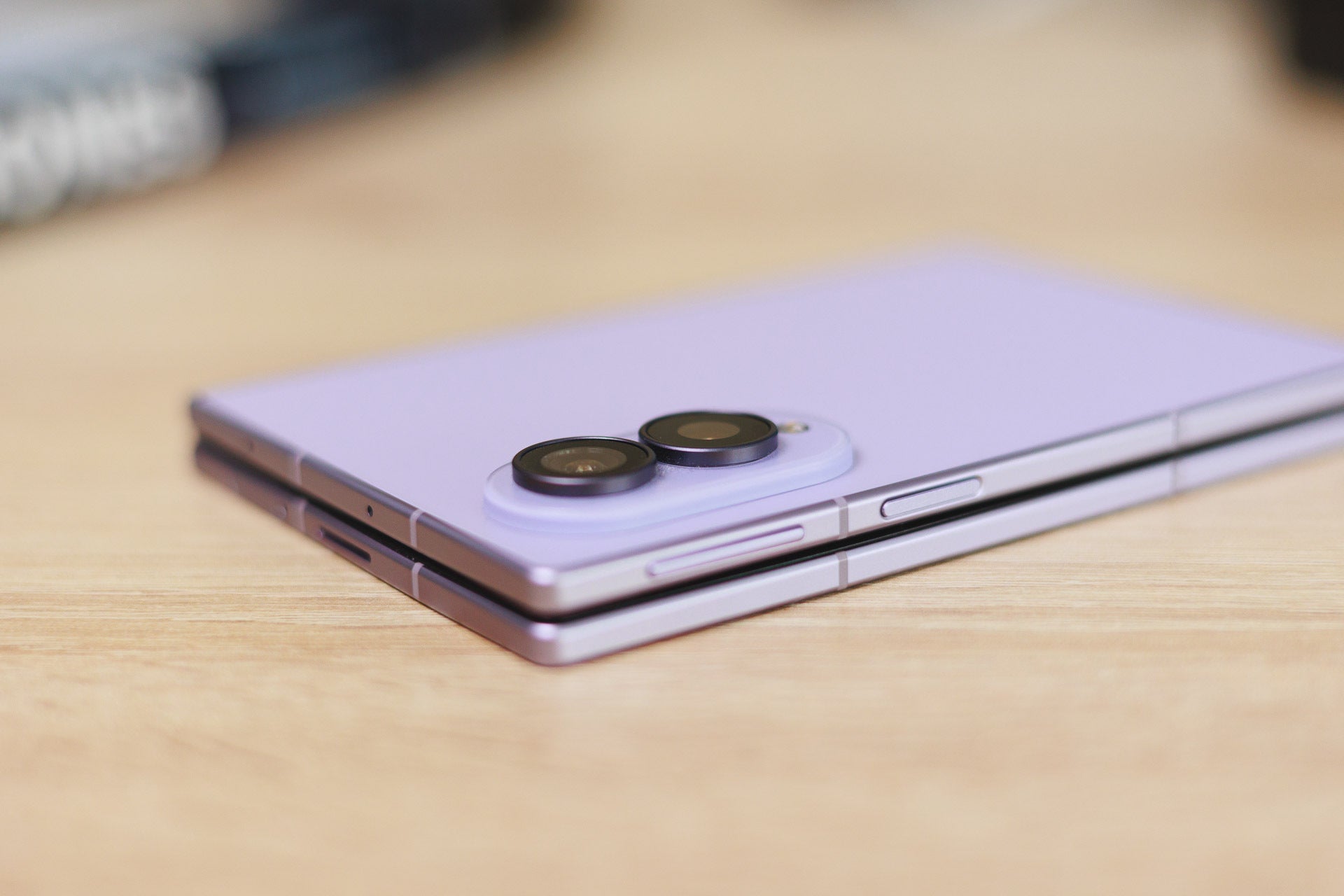
All of these phones still retain the flat sides, and they are still just as slim, but Samsung has now tapered these flat sides slightly. And that little change makes a world of difference.
Kudos to Samsung for figuring out such an elegant solution. Earlier, I suggested that Samsung might want to employ angled sides like we have seen on foldables from the likes of Vivo. Samsung, however, figured out a better way — it kept the durability advantage of the flat sides while solving the usability nightmare of unfolding.
This is probably the most encouraging sign for Samsung's foldable future. It didn't just blindly follow the Chinese phone makers. It identified the place where the user experience truly needed to improve and came up with its own solution.
All of this shows one thing: Samsung is listening and adapting. That's a great thing. I know it doesn't happen as fast as we all wish it would (after all, it took Samsung seven years to move away from the "remote control" form factor for its foldables), but it is happening.
Ergonomics matter more in foldables
Foldable phones are attractive because of that large screen on the inside, but that also means that ergonomics on a foldable phone matter a lot more than on a regular phone.
With a typical slab phone, you just pick it up, tap the screen and off you go using the phone.
With a foldable, you need to pick it up, find that edge, grip it well, unfold it and you may want to switch its orientation or transition between screens while using it.
This constant physical interaction is way more noticeable on a foldable, so much so that it's part of the experience. I'd argue that the way a fold opens matters just as much as the processor or the display (which are quite similar these days anyway).
The little details
Samsung fixing this little thing actually reminds me of an Apple-level attention to detail.
Cupertino is known to come up with genious little ideas that seem so obvious in hindsight:
MagSafe wireless charging meant you get perfect alignment with the charger and faster speeds. Apple was late to the game, but it offered the most elegant solution.
Buttons on iPhones are a bit larger and have just the right amount of click, something that you may notice compared to other phones.
Animations often feel much more fluid and refined in Apple software.
Samsung coming up with a structurally rigid desing for the Fold 8 series, while making it easier to open is just that kind of obsession with details.
Despite being around for nearly eight years, foldables are still waiting for their big moment. And the winners in that space won't be decided only by who makes the thinnest phone, but by who understands the hundreds of small interactions that happen on a foldable every day. With the Fold 8, Samsung did just that.
Six-month unlimited plan is now 57% off
$90
$210
$120 off (57%)
Mint Mobile is now allowing you to get whichever plan you like for either three, six, or 12 months for just $15/mo. If you go for the six-month unlimited service, for instance, you'll now have to pay just $90 upfront instead of $210.
Victor, a seasoned mobile technology expert, has spent over a decade at PhoneArena, exploring the depths of mobile photography and reviewing hundreds of smartphones across Android and iOS ecosystems. His passion for technology, coupled with his extensive knowledge of smartphone cameras and battery life, has positioned him as a leading voice in the mobile tech industry.
A discussion is a place, where people can voice their opinion, no matter if it
is positive, neutral or negative. However, when posting, one must stay true to the topic, and not just share some
random thoughts, which are not directly related to the matter.
Things that are NOT allowed:
Off-topic talk - you must stick to the subject of discussion
Offensive, hate speech - if you want to say something, say it politely
Spam/Advertisements - these posts are deleted
Multiple accounts - one person can have only one account
Impersonations and offensive nicknames - these accounts get banned
To help keep our community safe and free from spam, we apply temporary limits to newly created accounts:
New accounts created within the last 24 hours may experience restrictions on how frequently they can
post or comment.
These limits are in place as a precaution and will automatically lift.
Moderation is done by humans. We try to be as objective as possible and moderate with zero bias. If you think a
post should be moderated - please, report it.
Have a question about the rules or why you have been moderated/limited/banned? Please,
contact us.






Things that are NOT allowed:
To help keep our community safe and free from spam, we apply temporary limits to newly created accounts: