HTC Desire 816 Review

Introduction
Until recently, one could easily figure out whether a given Android smartphone was a low-end, a mid-range, or a high-end device solely by having its size into consideration. The bigger the phone, the higher its rank was in the Android ecosystem. Things, however, have changed a bit over the past couple of years or so. Mid-range handsets of phablet caliber have started popping up already, and HTC is one of the newcomers to the party.
Design
A plastic device at its core, but with a solid, reassuring feel to it.
HTC has taken a minimalist approach when designing the Desire 816. With its straight lines, subtle curves, and flat front and back sides, the handset is both a pleasure to hold an admire. Sure, it is a plastic-made phone in essence, but it feels solid, sturdy, and reliable. The trim around the sides has a matte finish and an almost rubbery-like feel to it, which provides plenty of friction for a surprisingly comfortable grip. On the downside, the glossy plastic back of the phone attracts a certain dose of finger smudge, but a quick wipe with a soft piece of cloth is enough to get rid of it. i
The power and volume keys on the HTC Desire 816 are positioned on its left side. These can be hard to reach unless one resorts to their second hand in order to operate them. Furthermore, the keys lack in feedback and travel. Virtual on-screen buttons are used for navigating through the software's interface. These, at least, are easier to reach by the user's thumb. On the right side of the HTC Desire 816 reside the microSD and Nano SIM card slots. These are protected by a flap that rests flush with the handset's side, thus not disrupting the design's seamless lines.

6.17 x 3.1 x 0.31 inches
156.6 x 78.7 x 7.99 mm
5.82 oz (165 g)

5.95 x 3.12 x 0.33 inches
151.2 x 79.2 x 8.3 mm
5.93 oz (168 g)

5.78 x 2.89 x 0.32 inches
146.8 x 73.3 x 8.2 mm
5.75 oz (163 g)

5.45 x 2.79 x 0.35 inches
138.5 x 70.9 x 8.9 mm
5.04 oz (143 g)

6.17 x 3.1 x 0.31 inches
156.6 x 78.7 x 7.99 mm
5.82 oz (165 g)

5.95 x 3.12 x 0.33 inches
151.2 x 79.2 x 8.3 mm
5.93 oz (168 g)

5.78 x 2.89 x 0.32 inches
146.8 x 73.3 x 8.2 mm
5.75 oz (163 g)

5.45 x 2.79 x 0.35 inches
138.5 x 70.9 x 8.9 mm
5.04 oz (143 g)
Compare these and other phones using our Size Comparison tool.
Display
Plentiful real estate with satisfactory resolution make for an overall likeable display.
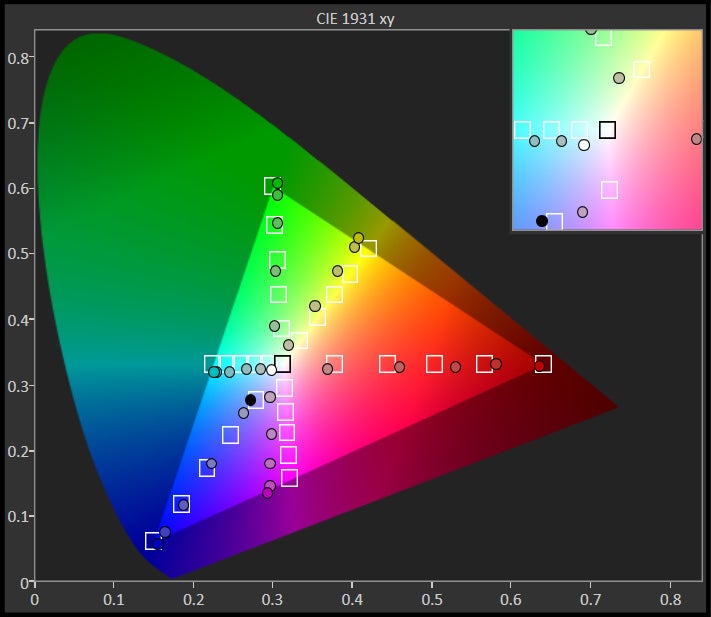
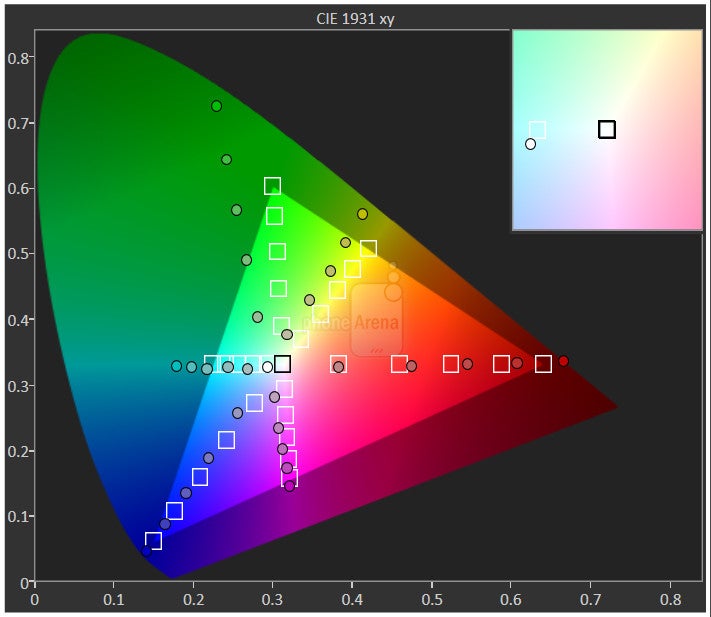
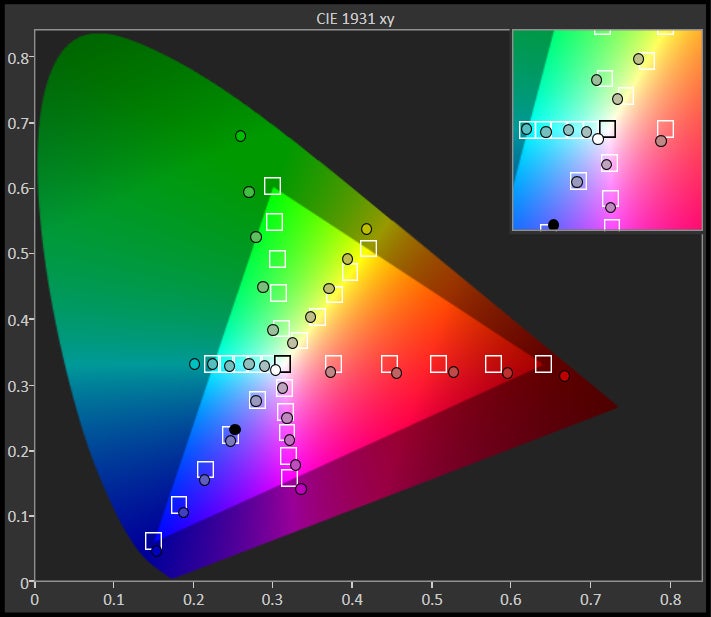
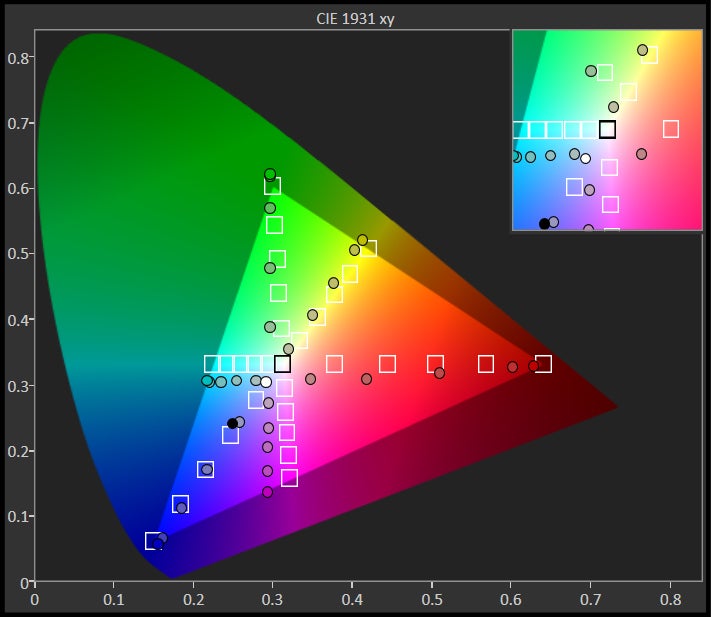
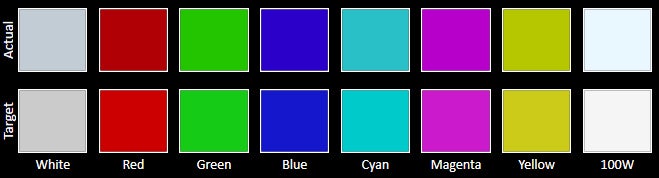
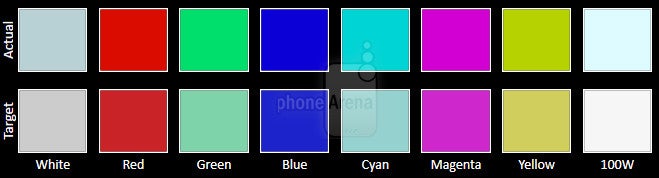
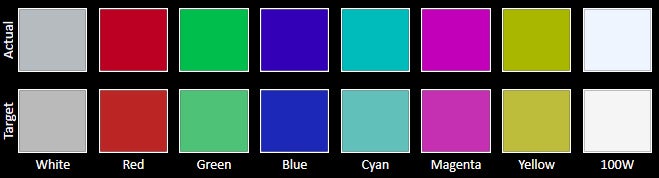
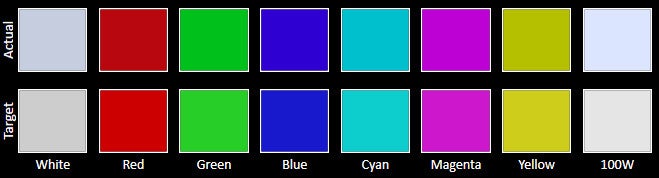
The massive LCD display is one of the HTC Desire 816's key selling points. It measures 5.5 inches in diagonal, which puts the handset in the trendy phablet category. Some potential buyers, however, might find its pixel count a tad disappointing – the panel has a resolution of 720 by 1280 pixels, producing a PPI figure of 267 pixels per inch. On one hand, this is clearly not the sharpest smartphone display in existence as the 400 ppi barrier has long been shattered. But on the other hand, we find its resolution perfectly acceptable given the Desire 816's class. We can comfortably browse our favorite internet sites and read articles after zooming a bit on them. Watching videos and photos, as well as playing games, are also pleasurable experiences thanks to the screen's generous size.
Using the HTC Desire 816 under broad daylight is possible thanks to its decent brightness output of 389 nits. Things, however, get a bit hard to see if light is reflected straight at the user. On top of that, the display's surface can easily get covered in fingerprints, which could potentially hinder its outdoor usability. The screen's minimum brightness of 12 nits is okay. Having this figure in mind, the user's eyes should not be subjected to too much strain while the phone is used at night.




Interface
The latest Android has to offer, with a dose of Sense 6.0 on top.
HTC is launching the Desire 816 with the most up-to-date version of Android that is available – Android 4.4.2 KitKat. The platform, however, has undergone a series of visual modifications as Sense 6.0, HTC's custom user interface, runs on top. The UI is praised for its simplistic style and visual consistency – traits that rank it among the best of its kind.
Functionality has not been overlooked either. As a matter of fact, a number of features found on the HTC One (M8) flagship have been brought over to the Desire 816. Among them is BlinkFeed, which is one of the UI's highlights. Basically, it is a home screen dedicated to aggregating your social networking news feeds with articles from online news outlets, thus bringing relevant information at the user's fingertips, available at a swipe's distance. You might like this feature if you're a heavy SN user, but in case you're not, you're totally free to turn BlinkFeed off.
Messaging
HTC's messaging app may seem simple at a glance, but it has a number of tricks up its sleeve. Users have the option to move private texts to a secure box, where they'll be password-protected against prying eyes. An SMS backup/restore feature has been thrown in as well.
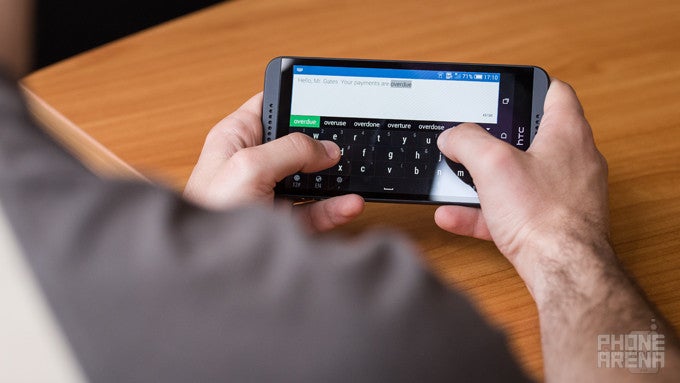
The on-screen keyboard on the HTC Desire 816 is spacious and comfortable to operate using two thumbs in either portrait or landscape mode. Accuracy shouldn't be an issue, and even if you make a typo, the keyboard can take care of it automatically. Word prediction and swype-like input are featured as well.
Processor and memory
A mid-range Qualcomm Snapdragon SoC outfitted inside a mid-range phone.
A Snapdragon 400 SoC, model MSM8928, powers the HTC Desire 816, all the while putting the “mid-range” in the phone's description as a “mid-range flagship”. The chip features a quad-core, ARM Cortex-A7 based CPU with a maximum clock speed of 1.6GHz, as well as Adreno 305 graphics. To no surprise, a setup like this produces average benchmark scores, but don't let any of this disturb you. In reality, the phone's performance is satisfactory. The UI is responsive, even though it skips a frame every now and then. We did not experience any serious cases of lag during our testing.
There are 1.5GB of RAM inside the HTC Desire 816, which is a reasonable amount for a phone of this caliber. Multitasking is not an issue – switching back and forth between tasks is a swift process.
On-board storage space on the HTC Desire 816 is scarce. Only 4.2GB are available to the user (out of a total of 8GB), which is why it is highly recommended to equip the phone with a microSD card of considerable size.
Internet browser and connectivity
With its acceptable browser performance and large screen, the Desire 816 is very suitable for web browsing.
There is a couple of web-browsers pre-loaded onto the HTC Desire 816. One of them, labeled simply as Internet, loads pages fast, but its performance isn't flawless. We've been noticing a slight lag when browsing web sites, and the heavier the page is, the more pronounced this lag becomes. And besides, we don't quite like the tab switching interface as it takes too long to go from one tab to another. The out-of-the-box alternative is Chrome, Google's own web browser. As a whole, we find it slightly more responsive, and the slight lags that may occur from time to time aren't bothering at all. Having that in mind, we can say that the HTC Desire 816 is a phone that's very suitable for browsing the web. The overall browser performance is acceptable, and the large screen allows for a comfortable viewing experience.
Camera
Not ideal, but surely among the best in the Desire 816's price range.
Unlike the HTC One (M8), the HTC Desire 816 will not give you access to manual controls for the focus and white balance. It will, on the other hand, let you tweak the ISO and exposure value, while the white balance can be modified by applying one of several presets. Plus, you get a variety of filters, HDR and panorama modes, and an Anti-shake digital image stabilization for still images.
HTC Desire 816 Sample Images
The HTC Desire 816 shoots 1080p video at 30 fps, 720p videos at 60 fps, and slow-motion videos at 120 fps with a resolution of 768 by 432 pixels. Full HD footage looks good, albeit a bit too contrasty. Details are sufficient, and the camera's auto-focus works fast enough. Note that by default, the camera locks its focus in videos, requiring the user to use taps to change the focus distance, but continuous auto-focus can be enabled from the settings menu. Low-light videos are usable, but noisy and with a fair amount of motion blur.
Sample Videos
Multimedia
The large screen and front-facing speakers make the HTC Desire 816 very suitable for multimedia consumption.
The Music player bundled with Sense 6.0 has a clean interface that is easy to get the hold of. Audio can be grouped by album, artist, or song name, and whatever album art happens to be missing from your library can be downloaded automatically from the internet. It is also nice to see that HTC has added an audio visualizer and support for lyrics, which scroll as the music is played. There is no equalizer, however, so you don't have any freedom to fine tune the audio reproduction to your liking. Alternatively, one is free to use Google's Play Music application instead of HTC's solution.
Call quality
Battery life
Inside the HTC Desire 816 is packed a non-removable battery with a capacity of 2600mAh, which is decent given the smartphone's class and size. According to the manufacturer, the phone should be capable of delivering up to 21 hours of 3G talk time and should last for over a month if left on stand-by. We ran our custom battery benchmark on it and got a pretty good result of 6 hours 11 minutes, which puts the Desire 816 in the same category with the Galaxy Note 3 and Note 2 phablets. All in all, you should be able to get at least a day of intensive action, or a couple of days of light to heavy use without reaching for a charger.
Like the HTC One (M8) flagship, the Desire 816 comes with a so-called Extreme Power Saving mode, which is meant to be used in emergencies – in cases when you're very low on juice, and a charger is not around. In a nutshell, it shuts down all but the phone's basic connectivity features, reduces the screen's brightness, and switches to a lightweight user interface, thus providing hours of extra stand-by time even if the phone is down to its last 10% of juice.
Conclusion
Well, what do you know: the HTC Desire 816 is an admirable mid-range smartphone, especially knowing that it can be bought for under $400 in markets where it is available. We don't find anything wrong with it given its price range, so guys, if you're on the looks for an inexpensive phablet, this here is one you should check out.
The HTC Desire 816 strikes a good value for money ratio with its solid build quality, large 720p display, and its snappy UI performance. On top of that, you may be surprised by the results produced by its 13MP main camera, while the 5MP front-facing one will leave you very satisfied with your selfies. And seriously, how many smartphones of this price range can offer you a set of front-facing speakers?
Processing power, however, is one of the things that the HTC Desire 816 could have had more of. On one hand, its quad-core Snapdragon 400 SoC has no troubles pushes the UI around, but not all of those demanding video games would run smoothly on it.
In case you don't think that the HTC Desire 816 is the right smartphone for you, feel free to try the Samsung Galaxy Note 3 Neo. Samsung's offering delivers an eye-catchy Super AMOLED display of 5.5 inches and a very capable hexa-core Exynos SoC, but it is also likely to carry a higher price tag at your local retailer. Or take the Sony Xperia T2 Ultra for a spin. The phone is, again, slightly more expensive off-contract than the Desire 816, but in return you get a larger screen and a bigger battery with outstanding longevity.
Software information for the reviewed unit: Android 4.4.2, Software number 1.23.401.1, Sense 6.0

Readers’ Favorites


Latest News

Things that are NOT allowed:
To help keep our community safe and free from spam, we apply temporary limits to newly created accounts: