Vivo’s got a chokehold on cameras: Vivo X500 Pro Max hands-on
Vivo now has three X-series flagships. Decisions decisions!
The Vivo X500 Pro is now official in China and, as you can expect, it comes with awesome camera upgrades.
Over the past few years, Vivo has shown true dedication to absolutely dominating the camera-oriented smartphone niche with its X series. The X100 made a few enthusiasts pay attention. The X200 Ultra got us to perk our ears and twist our necks to see what that crazy lens package is about.
Last year’s X300 Pro made the Photography Kit internationally accessible. And more and more people are learning that Vivo now makes awesome camera phones.
So, the company is now expanding its X series portfolio. The new Vivo flagship comes in three models — Vivo X500, Vivo X500 Pro, and Vivo X500 Pro Max. And there are distinct differences here that need to be taken into account.
Design and display
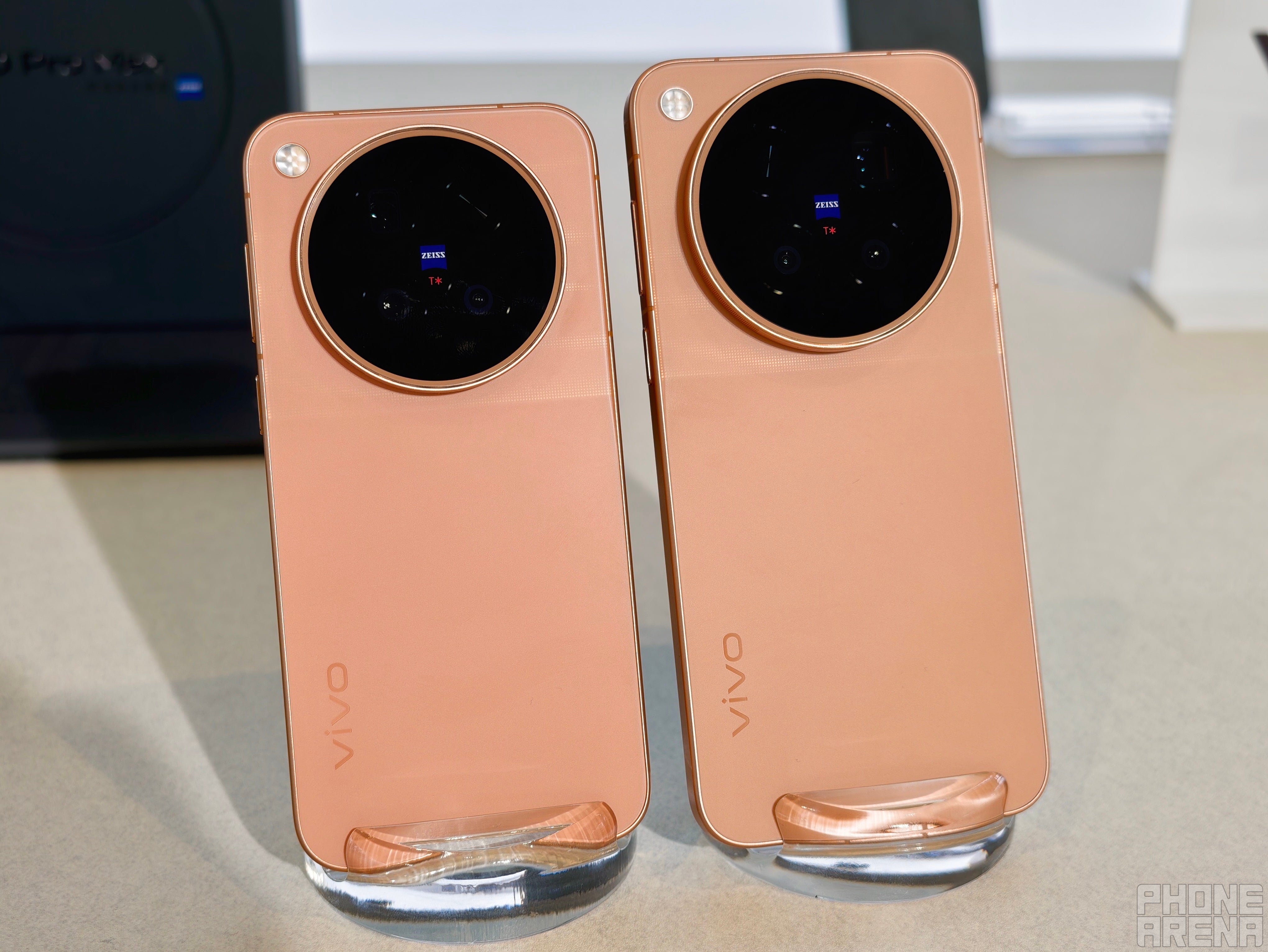
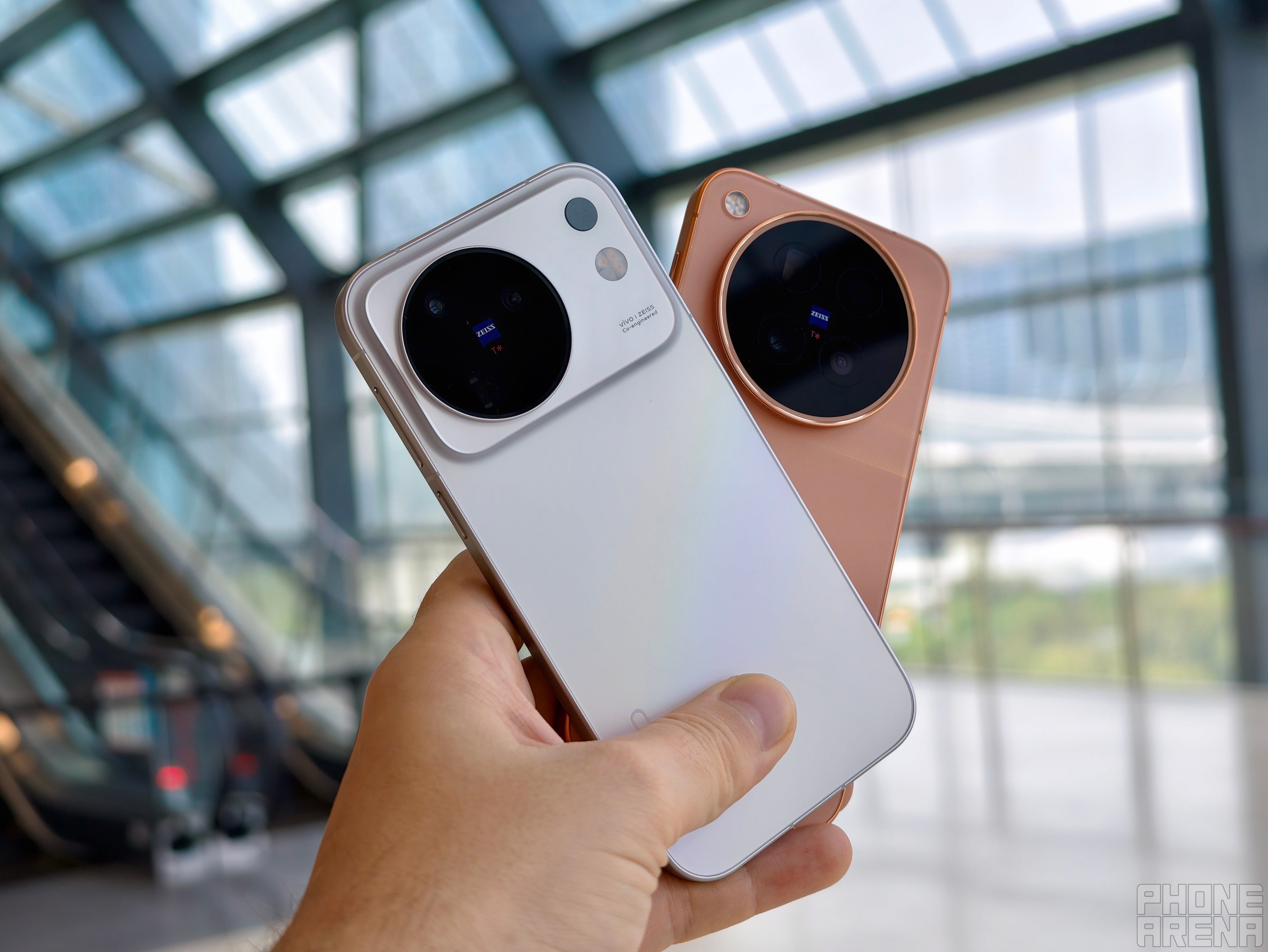
The Vivo X500 Pro Max is basically the shape and size of last year’s Vivo X300 Pro. Slightly larger display at 6.85 inches vs last year’s 6.78. But, for all intents and purposes it’s the same “big flagship”. It uses its extra room to fit some camera goodies, but more on that in the camera section.
The new kid on the block is the Vivo X500 Pro — no Max in the name. It has a smaller 6.36-inch display and honestly my favorite for its compact feel with the suite of camera features it offers.
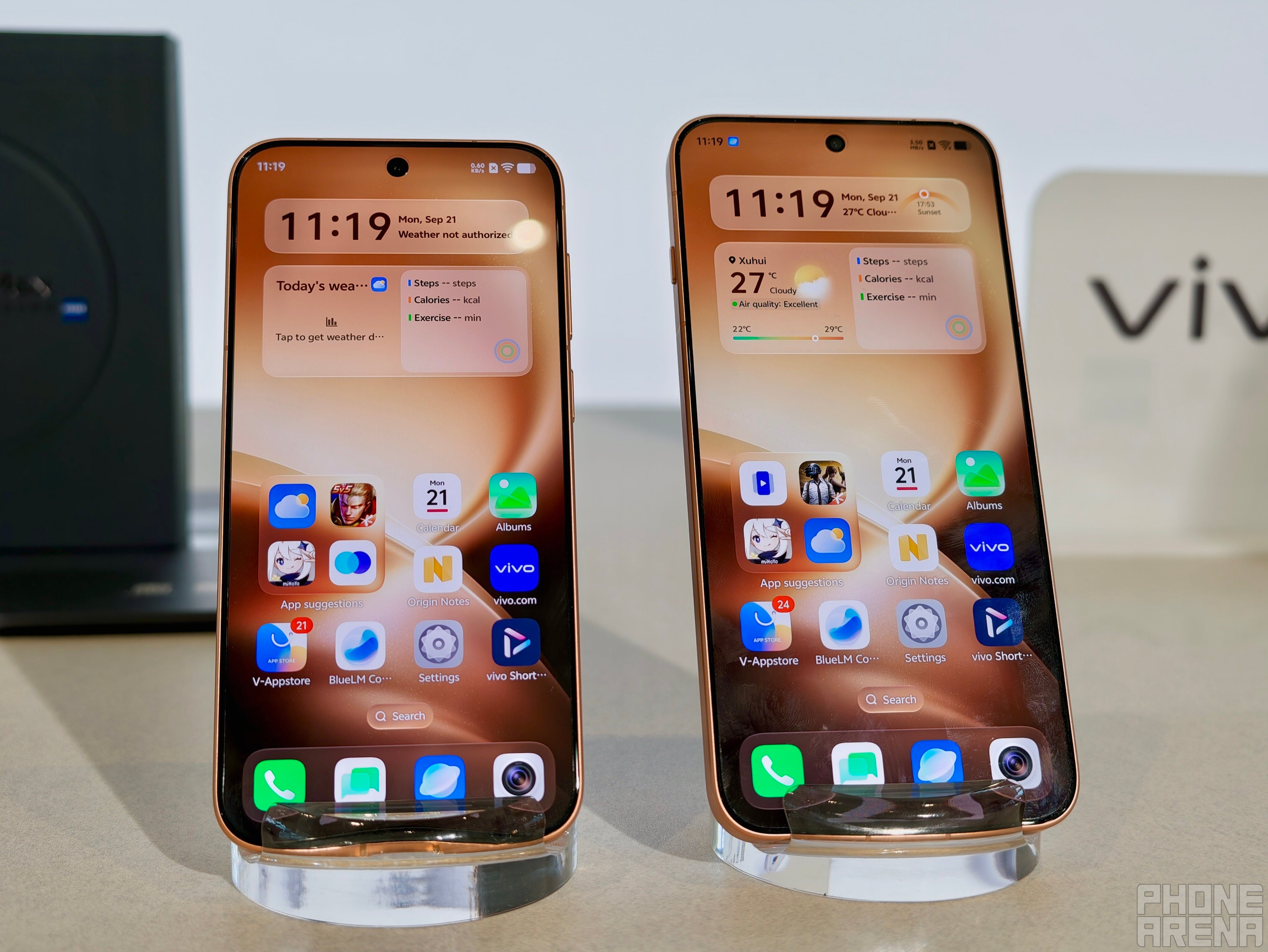
The full Vivo X500 series has displays tuned in partnership with Zeiss, and Vivo’s excellent suite of eye-protection options on top. From dimming tech to blue light filtering.
This year, they can all go up to 144 Hz (from 120 Hz before). The two Pro models are LTPO and can dynamically adjust between 1 Hz to 144 Hz, the non-Pro has a manual step selection between 60, 90, 120, and 144 Hz.
And for peak brightness, the Vivo X500 Pro Max hits 4,500 nits, the Vivo X500 Pro tops out at 4,400 nits peak, and the Vivo X500 does 4,000 nits. Rest assured, all three are equipped to blast Dolby Vision and HDR content with ease.
For biometrics, all three use extra-accurate ultrasonic fingerprint scanners under the glass.
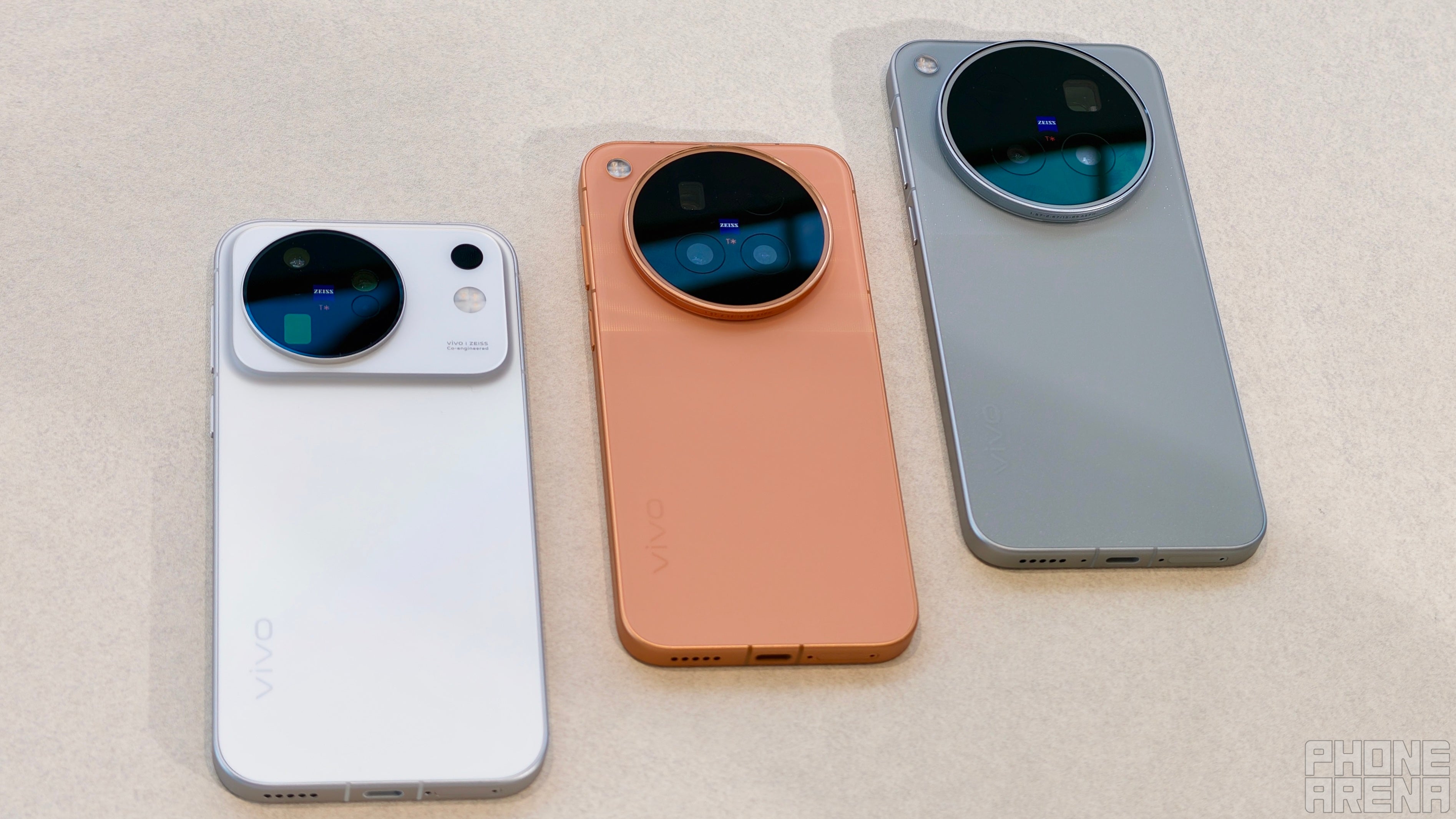
All three models are IP68 and IP69 rated for the highest achievable ingress protection without going into the ultra-rugged space. And the Pro series have ultra-hard AR coating on the camera lenses and hardened armor glass on the front.
As for colors, the Vivo X500 Pro series comes in White, Gray, Black, and Orange. The Vivo X500 will be available in White, Gray, and Black with a Purple color also coming to certain markets.
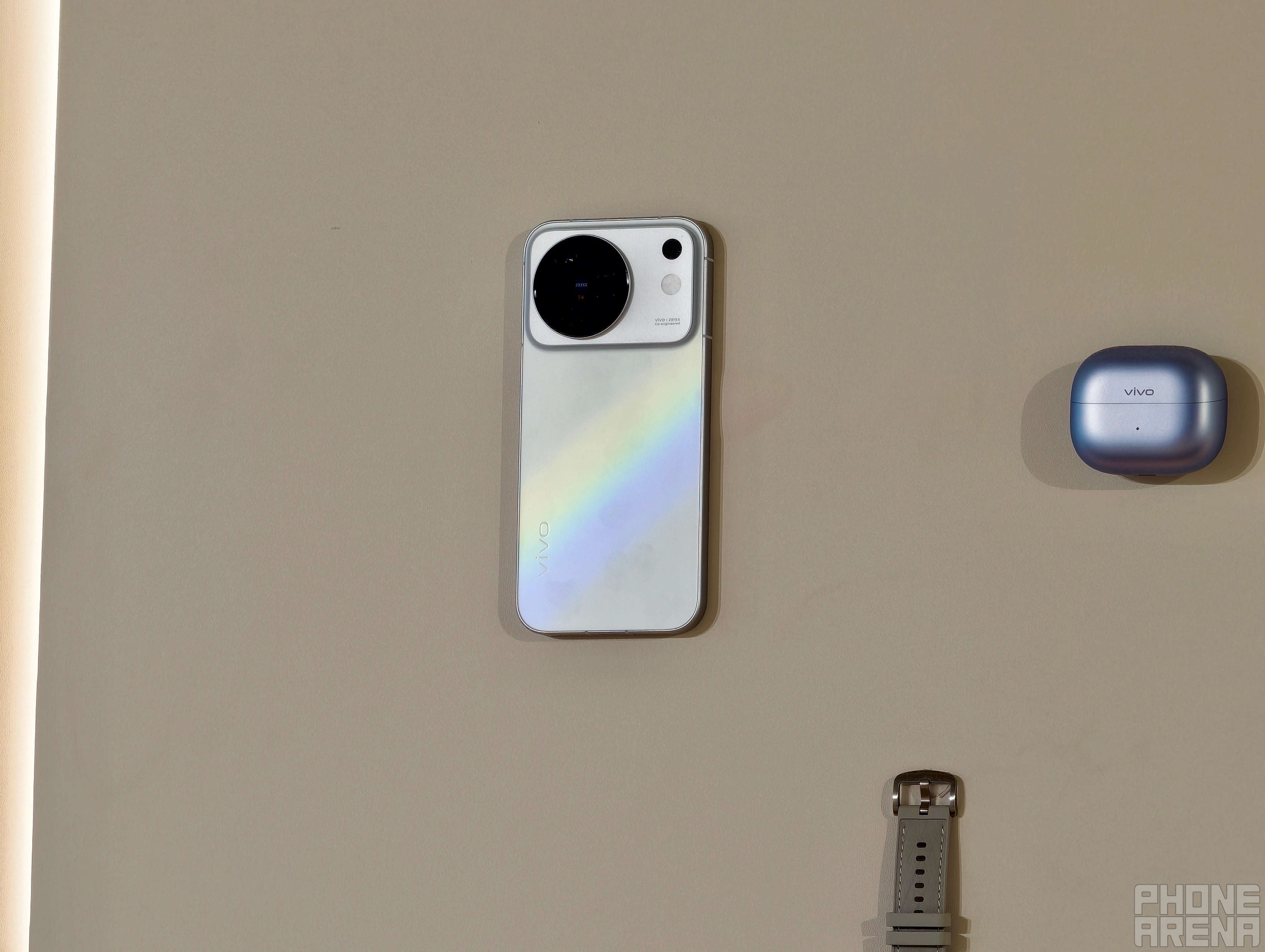
The most interesting aspect: the Vivo X500 Pro is the lightest of the three, at 192 g (the Black model) or 197 g (the other colors). The Vivo X500 is still chunky at 211 g to 213 g, depending on finish, and the Vivo X500 Pro goes all the way up to 225 / 229 g.
Again, this is why I found the Vivo X500 Pro so enticing.
Improved hardware
Vivo is in a tight partnership with MediaTek, which is why it’s no surprise that the X500 series is the first to launch with the newest Dimensity 9600 series. But the processors differ, depending on which phone you pick!
The Vivo X500 Pro and Pro Max come with the Dimensity 9600 Pro — MediaTek’s first processor built on a 2 nm node. This will make it faster and more energy-efficient than before. They are also beating Qualcomm to the punch here, though it’s worth noting that the Apple A20 Pro processor was “first” to market with the iPhone 18 Pro, as far as the 2 nm race is concerned.
The MediaTek Dimensity 9600 Pro is no joke — it’s an “All Big Core” processor. Instead of using the common architecture of having a couple of powerful cores for heavy tasks, and 4 to 6 or so efficiency cores.
The MediaTek Dimensity 9600 has 4 ultra-large performance cores and 4 large performance cores. So, this one goes to 11, but you can only dial it down to 9 I guess.
Still, it supposedly does not touch battery life. The new architecture is baked with a new “Race to sleep” logic — since the powerful cores can finish their tasks much faster, the hardware is quick to put them in a sleep state immediately after they are done calculating whatever they were doing.
The Vivo X500 series phones come with 12 GB RAM and 256 GB / 512 GB storage options. The Pro Max model has a 1 TB upgrade.
The camera: Vivo’s bread and butter
Yes, this is why we are all here and Vivo knows it. In fact, they made sure to have full control over the imaging pipeline. The flagship Vivo X500 series phones come with a VS1+ chip which offloads image pre-processing from the MediaTek brain. And an advanced V3+ which takes care of the post-processing pipeline.
As a result of their partnership, Vivo and MediaTek have basically baked the V3+ into the Dimensity 9600 Pro architecture, so other phones with that processor will also get to use it.
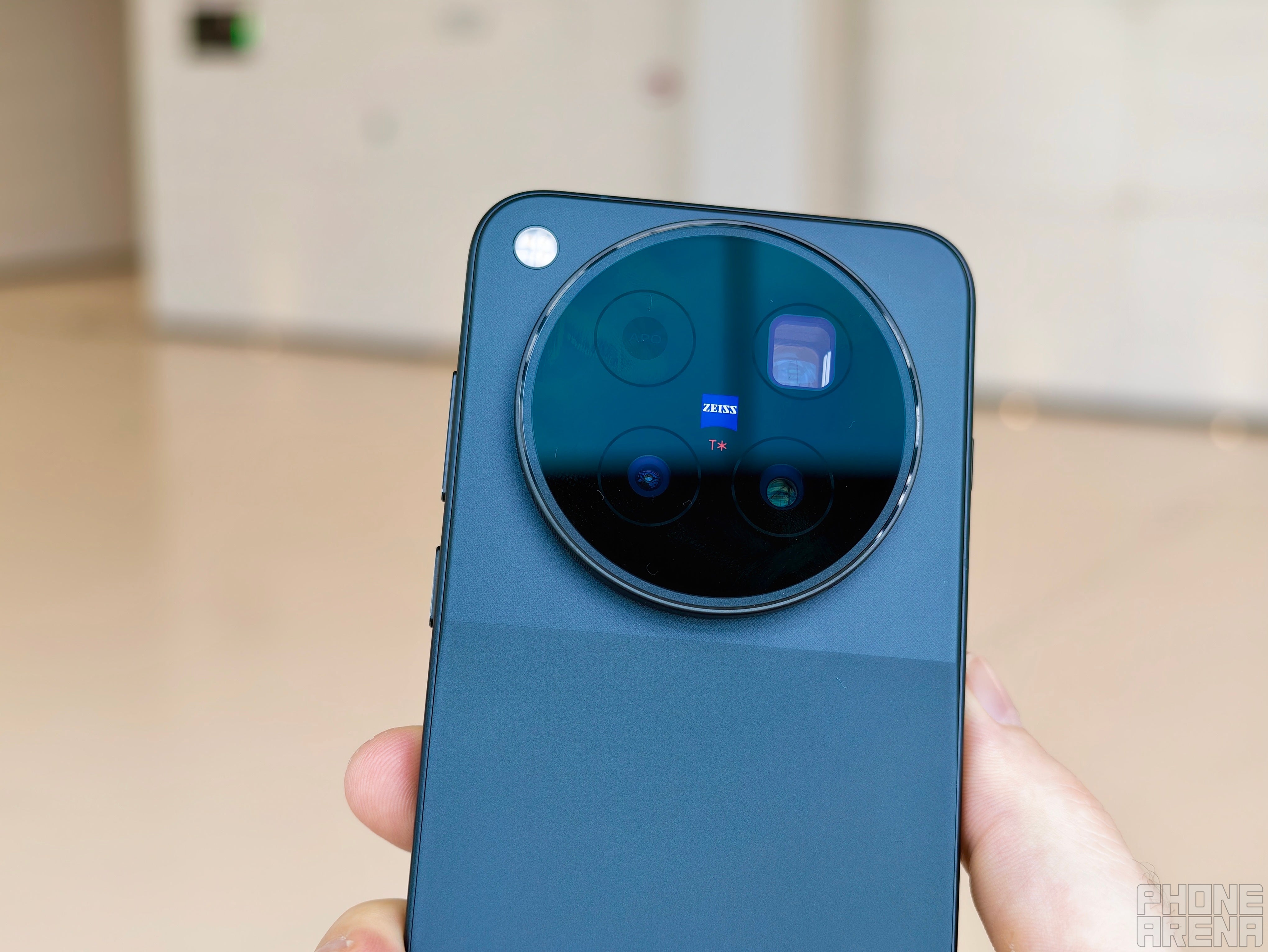
The new Vivo X500 Pro Max uses its plus size to fit the pro zoom camera of the X300 Ultra. It’s a huge 1/1.4” 200 MP sensor with an F2.67 lens with 85 mm equivalent focal length (3.5x in smartphone speak). It also has excellent CIPA 7.0 pro-grade stabilization.
Basically, if you were envious of the X300 Ultra upgrades but didn’t want to spend Ultra money, the X500 Pro Max should now be a more achievable goal.
The Vivo X300 Pro uses a smaller 64 MP Lytia 610 sensor under its 3.5x telephoto camera but still has CIPA 7.0 stabilization.
The main camera on both Vivo X500 Pro models is also an upgrade. It uses a 50 MP Sony Lytia L910 sensor, which has a wider dynamic range than before, and you can definitely tell when you start playing with the camera’s settings and filters.
Full transparency, the 200 MP sensor of the Vivo X300 Ultra still gives you a bit more detail when you pinch in to pixel-peep. So, the difference is slightly better dynamics or slightly better detail. In reality, both excellent.
The standard Vivo X500 has the main camera sensor from last year’s Vivo X300 Pro — the Lytia 828. That’s a great upgrade for a “non-Pro” flagship. The X300 Pro is excellent to this day. The zoom camera here is the same 64 MP Lytia 610 sensor like on the X500 Pro, just under a 3x lens with a CIPA 5.5 stabilization.
For photography ColorOS comes with a few new filters and video effects to play with. But videographers will be excited to know that they can now record in LOG while previewing how HLG or Rec.709 will look straight on the phone. Scratch that, in Pro Video mode, you can now bake-in that HLG profile while recording the LOG video.
I took the below photos playing with different filters, settings, and zoom levels of the Vivo X500 Pro Max:
Vivo X500 Pro Max first camera samples
Photography kits
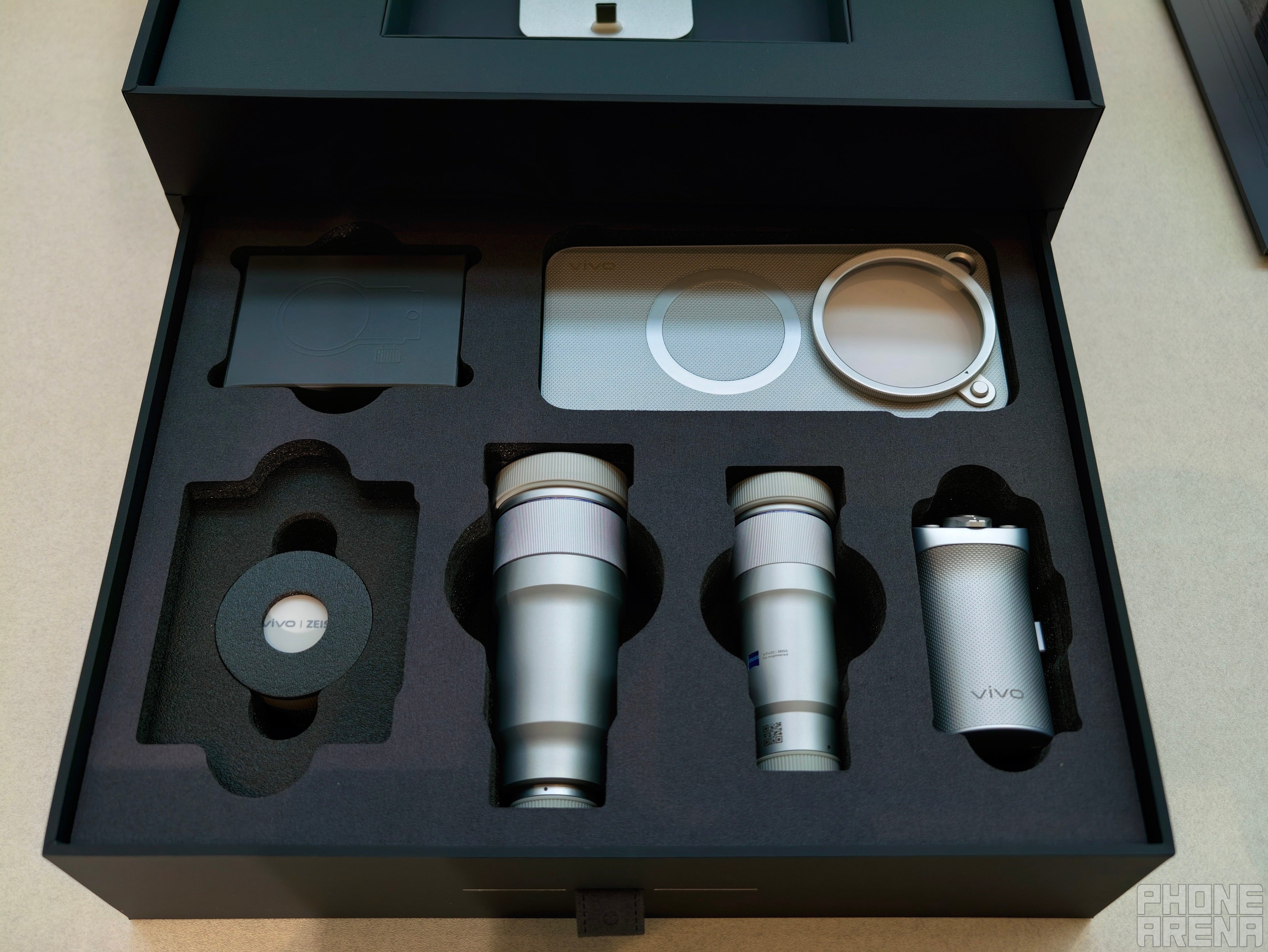
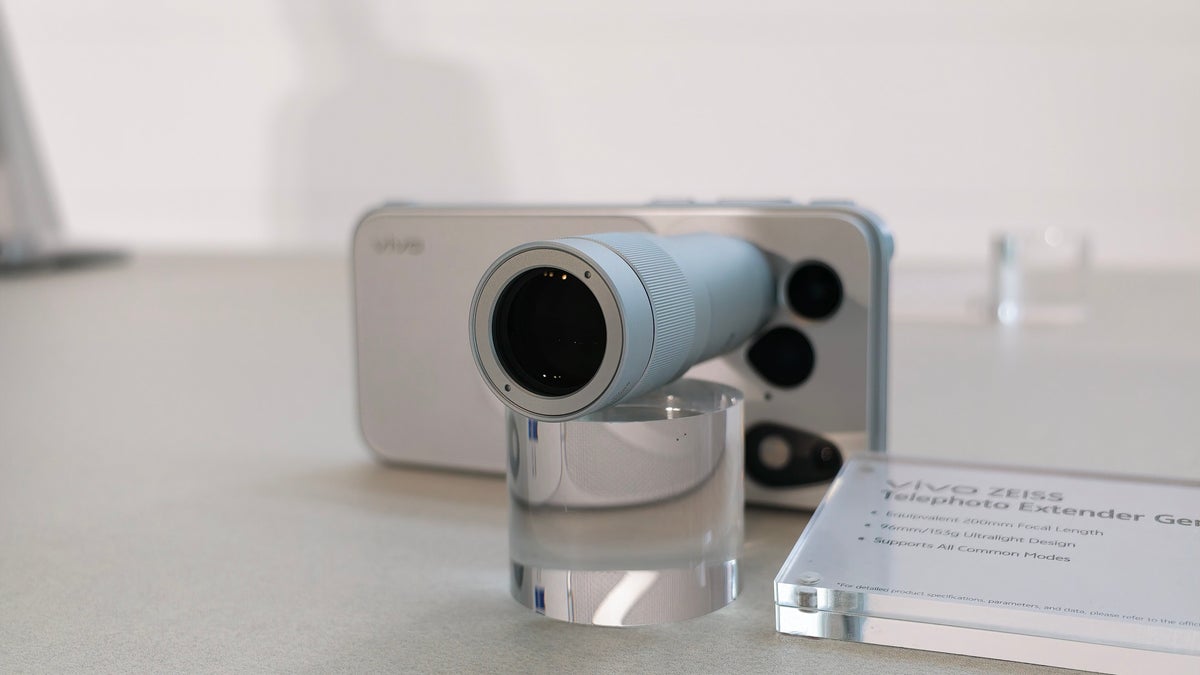
All three Vivo X500 phones can be equipped with a Photography case and Telephoto Extender lens. The X500 and X500 Pro only support the 200 mm one. The X500 Pro Max expands your options to the 200 mm and 400 mm, just like the Vivo X300 Ultra did a few months ago.
Pro video
You can also download and import other LUT profiles if you so desire. Or, if you record a video cleanly in LOG, you can still apply a LUT profile within the phone’s native video editor, including your custom imported ones.
Of course, there’s a full Pro camera on board, that allows you to control everything. From manual focus with peaking to ISO and shutter speed with zebra warnings.
4K Cinematic Portrait (previously called Portrait Video) also has new filters and effects. There’s a new Auto Framing mode that will follow the subject’s face, torso, or whole body. It will even automatically switch between camera lenses when it needs to, and try to lock in on the same subject if they leave the frame for a little while.
I learned that this works well if they re-enter at the same depth they were in. If you or the subject move too far away before they re-enter, the phone may not recognize them.
The Vivo X500 Pro models can now both record 4K video at up to 240 FPS. This allows for ultra-slow motion — up to 8 times the slowdown (or 0.125x) if you want the final clip to be at 30 FPS.
Price, international availability, expectations
The Vivo X500 series launches in China this month at the following prices:
- From 5499 CNY for the X500 (converts to $821 / €714)
- From 6499 CNY for the X500 Pro (converts to $970 / €845)
- From 6999 CNY for the X550 Pro Max (converts to $1045 / €910)
I do know that Vivo wants to launch the X500 series outside of China. But I do not know if all three models will be available internationally, and at what prices.
If they do, which one would be your daily go-to? I am quite keen on driving that compact-ish Vivo X500 Pro for a while!








Things that are NOT allowed:
To help keep our community safe and free from spam, we apply temporary limits to newly created accounts: