Singtel's AI overhaul offers a clear signal of where large telecom operators may be heading next.
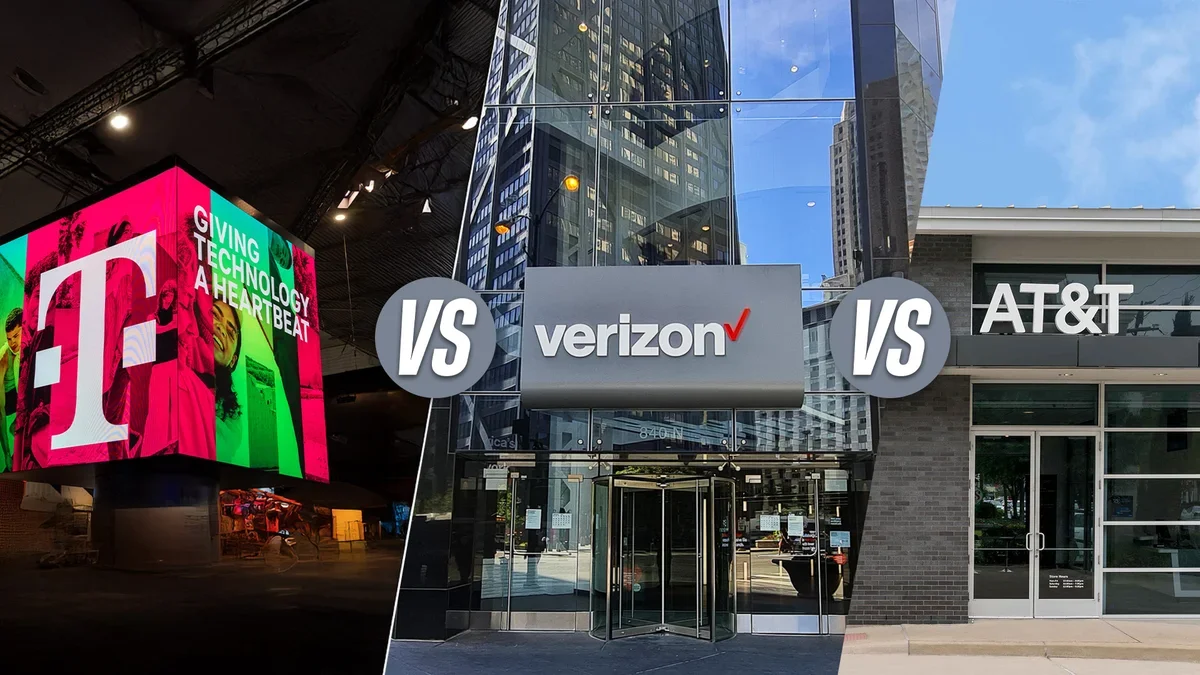
For US carriers like AT&T, Verizon, and T-Mobile, the strategy highlights growing pressure to centralize AI, clean up fragmented data, and rethink how their workforces adopt automation at scale. That's what has been happening in Singapore's largest telco's kitchen recently.
The internal restructuring
Image by Singtel
Singtel launched a major internal restructuring to consolidate AI efforts that had previously been spread across multiple departments. The company brought these initiatives under a new centralized unit called AI and Data Analytics, or AIDA, with the goal of improving efficiency, avoiding duplicated work, and ensuring consistent security and governance as AI adoption expands.
AIDA has been operating for roughly six months and has focused first on establishing clear roles, responsibilities, and operating structures. Its next priority has been to pull together AI capabilities developed across network, IT, and other business units, select the most effective components, and integrate them into a shared platform.
At the heart of the plan is what Singtel calls a central AI kitchen, basically a shared setup where AI can be built and rolled out safely across the company. Over time, the idea is to stockpile ready-to-use AI tools that different teams can plug into, instead of starting from zero each time, all while staying within the same security rules.
Recommended For You
Will this succeed?
Singtel measures its AI efforts across three areas: financial impact, employee productivity, and long-term strategic opportunities. This includes boosting revenue and efficiency with tools like Microsoft Copilot and ChatGPT Enterprise, while also investing in emerging technologies such as autonomous networks, even when returns are not immediately clear.
Talent remains a key challenge. AIDA currently has around 60 to 65 staff and plans to double its team through a mix of hiring, reskilling, and partner support. Centralizing AI has caused some resistance from business units, but direct reporting to the CEO has helped, and human oversight is emphasized as AI begins to influence live operations.
Should US carriers like AT&T, Verizon, and T-Mobile centralize their AI like Singtel?
9 Votes
Yes, AI is the way ahead anyway.
33.33%
Only if data and workforce issues are fixed.
22.22%
No.
44.44%
Let's organize
Singtel's initiative goes way beyond chatbots and into the area that truly matters – the AI transformation should be more about preparing and organizing data, aligning the organization, and changing how employees work than just deploying new tools.
The company thinks it's ahead of the pack because its data's all in one place, instead of being stuck in messy old systems like many competitors.
Mint Mobile's 6-month plans now cost $10/mo
$10
/mo
$35
$25 off (71%)
Mint Mobile is celebrating its 10-year anniversary with a special offer on its six-month subscription plans. For a limited time, you can get your preferred tier (6GB, 17GB, 23GB or unlimited) for just $10/mo. That saves you between 50% and 71% on the carrier's mobile plans, making it way easier to recommend.
Sebastian is one of PhoneArena’s senior opinionators. A veteran news writer with almost 20 years of experience in media and technology, he not only covers all the hot news about Galaxies and iPhones, but often provides hot takes on industry trends. He’s fascinated with camera-focused flagships from the likes of Oppo and Vivo, as well as foldable phones.
A discussion is a place, where people can voice their opinion, no matter if it
is positive, neutral or negative. However, when posting, one must stay true to the topic, and not just share some
random thoughts, which are not directly related to the matter.
Things that are NOT allowed:
Off-topic talk - you must stick to the subject of discussion
Offensive, hate speech - if you want to say something, say it politely
Spam/Advertisements - these posts are deleted
Multiple accounts - one person can have only one account
Impersonations and offensive nicknames - these accounts get banned
To help keep our community safe and free from spam, we apply temporary limits to newly created accounts:
New accounts created within the last 24 hours may experience restrictions on how frequently they can
post or comment.
These limits are in place as a precaution and will automatically lift.
Moderation is done by humans. We try to be as objective as possible and moderate with zero bias. If you think a
post should be moderated - please, report it.
Have a question about the rules or why you have been moderated/limited/banned? Please,
contact us.













Things that are NOT allowed:
To help keep our community safe and free from spam, we apply temporary limits to newly created accounts: