Sony just announced the LYTIA L910, the company's first smartphone camera sensor to use LOFIC technology. The news broke out first on Weibo, and an official press release appeared shortly after on Sony's website dedicated to semiconductor technology.
The LYTIA L910 promises to take night photography to a different level
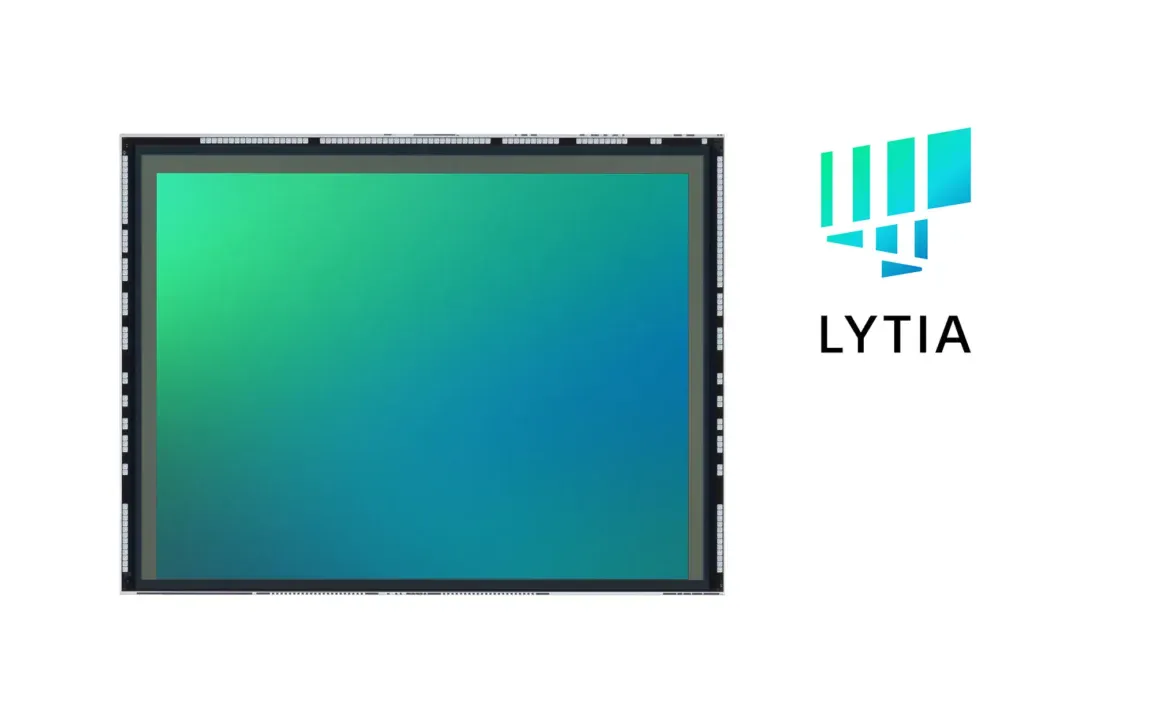
Sony's new LYTIA L910 sensor with LOFIC tech on board. | Image by Sony
First, some specs. The L910 is a 50MP sensor, and it's quite big, although not a 1-incher like the IMX989. It's a 1/1.28" sensor with a 1.22 μm pixel size, but the new here is the LOFIC technology.
This hardware tech allows for reduced overexposure in highlights and underexposure in shadows, enhanced detail in low-light scenes, and more natural highlight transitions. The secret lies in a small hardware addition to the normal CMOS camera sensor.
How often do you take nigh photos?
39 Votes
What is LOFIC, and why is it the next big thing in smartphone photography?
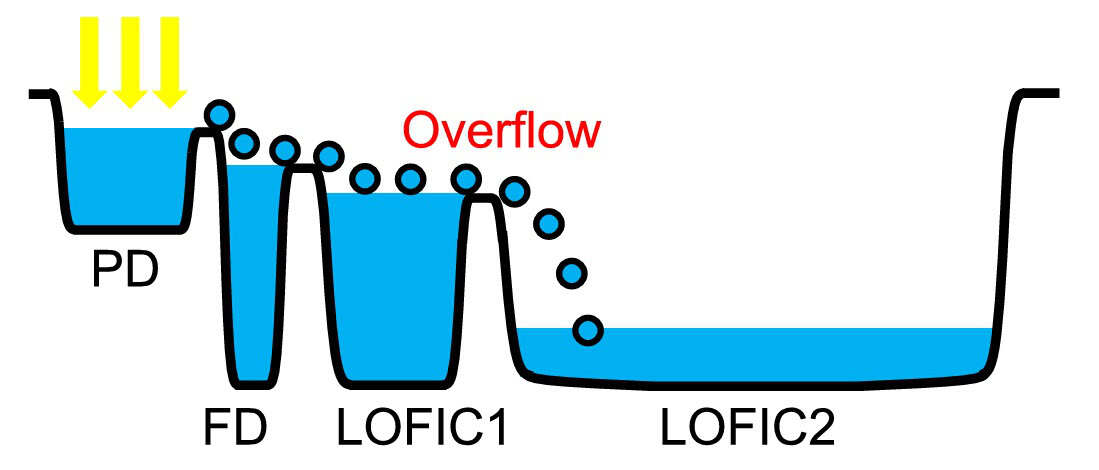
A simple diagram of how LOFIC tech works. | Image by Research Gate
LOFIC stands for Lateral Overflow Integration Capacitor. Basically, it's like a bucket placed next to the pixel to catch excessive water, which in the case of the pixel is current.
See, when a pixel receives photons, it generates a charge in the photodiode, depending on the brightness. But when the brightness is too high, the photodiode can fill up and overflow, resulting in blown-up highlights and overexposed photos.
The solution is to place a capacitor next to the photodiode so any potential excess of electrons spill into this element. The ISP then reads the information from the photodiode as well as the overflow capacitor simultaneously and combines it into the final picture, resulting in a big jump in dynamic range.
Recommended For You
According to Sony, the LYTIA L910 is able to achieve a dynamic range of up to 100 dB from a single exposure.
Sony baked another clever tech trick inside the LYTIA L910
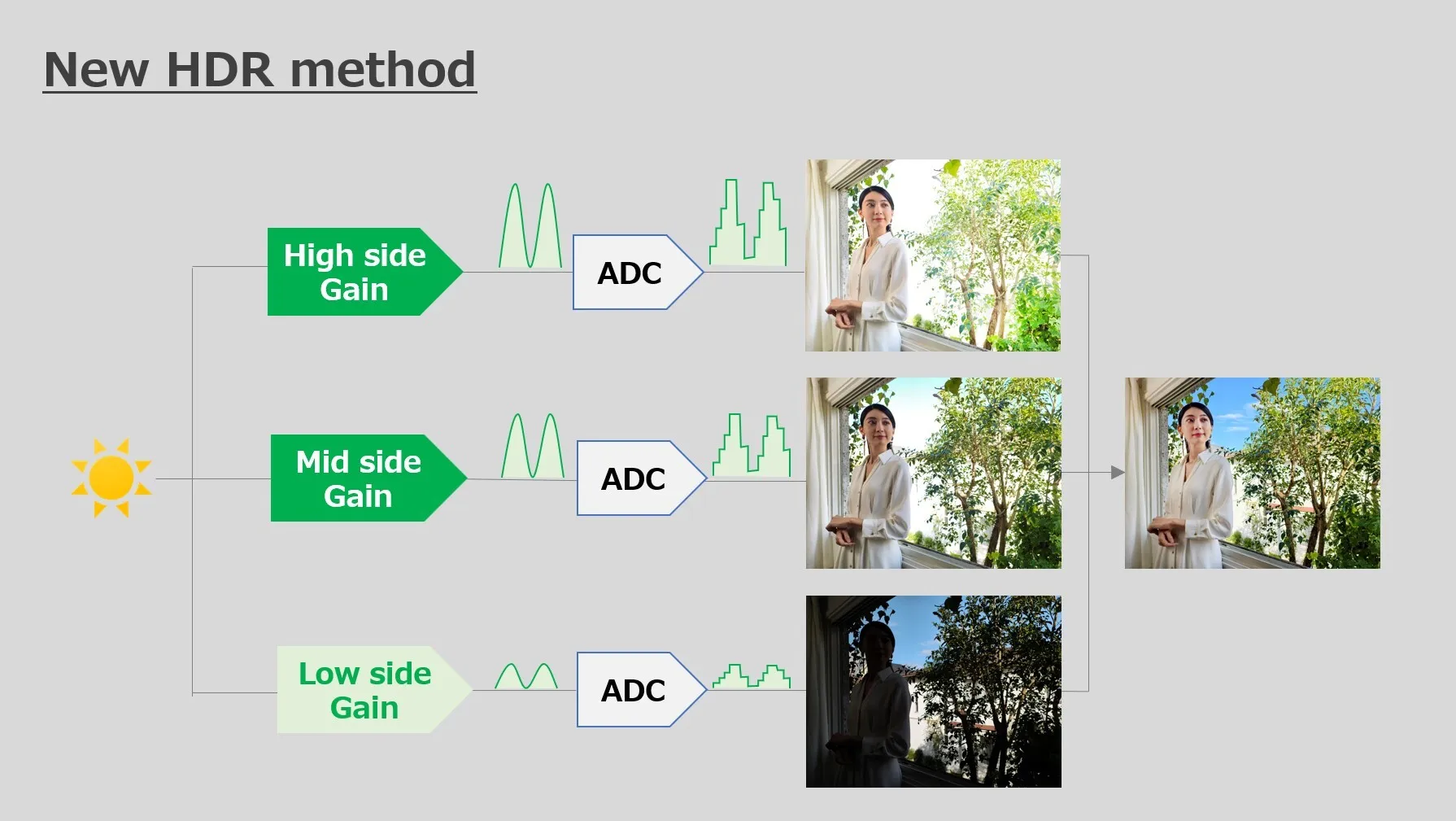
The triple conversion HDR takes info from three separate gains simultaneously. | Image by Sony
The LOFIC tech is paired with another clever engineering called Triple Conversion Gain HDR. This basically means that the sensor reads info from three separate conversion gain points simultaneously in a single exposure.
Which in principle could minimize noise and highlight clipping and also reduce flicker and other artifacts when recording videos in low-light conditions. Sony cites 30% less noise compared to the LYTIA 828 sensor.
Last but not least, the sensor is quite efficient. It can record 4K HDR video at 60 FPS while having great HDR performance at the same time without frying your phone's battery.
First phones with LYTIA L910
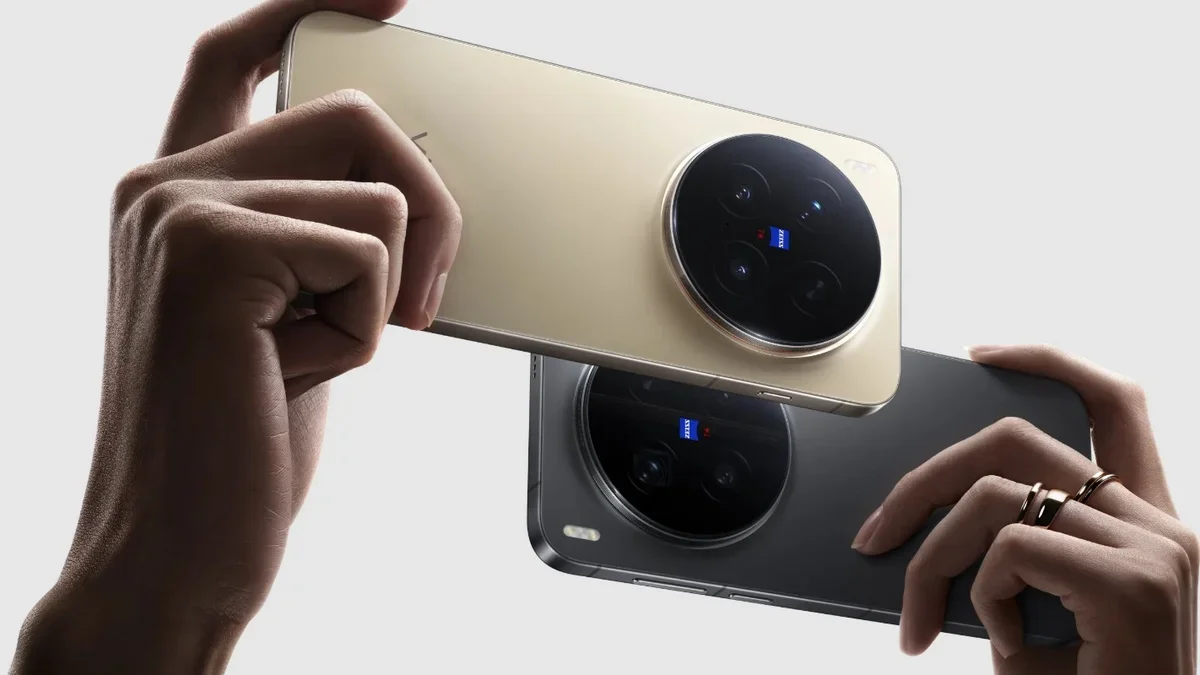
Vivo will launch the X500 series later this year, probably sporting the new LYTIA L910 sensor. | Image by Vivo
Sadly, these won't be iPhones and Galaxy phones. According to the rumor mill, the first phones to feature this new Sony sensor will be the Vivo X500 series and the OPPO Find X10 series.
The sensor will eventually make its way to the iPhone, as Apple uses Sony silicon inside the camera of its flagships, but it's anyone's guess when exactly this will happen.
Until then, we'll probably get a pilot test run on Chinese camera phones and see if the tech offers the real-world advantages mentioned on paper.
Trade in your old phone for cash at ecoATM!
Recycle your used phone and get instant cash. Find out how at ecoATM!
Mariyan, a tech enthusiast with a background in Nuclear Physics and Journalism, brings a unique perspective to PhoneArena. His childhood curiosity for gadgets evolved into a professional passion for technology, leading him to the role of Editor-in-Chief at PCWorld Bulgaria before joining PhoneArena. Mariyan's interests range from mainstream Android and iPhone debates to fringe technologies like graphene batteries and nanotechnology. Off-duty, he enjoys playing his electric guitar, practicing Japanese, and revisiting his love for video games and Haruki Murakami's works.
A discussion is a place, where people can voice their opinion, no matter if it
is positive, neutral or negative. However, when posting, one must stay true to the topic, and not just share some
random thoughts, which are not directly related to the matter.
Things that are NOT allowed:
Off-topic talk - you must stick to the subject of discussion
Offensive, hate speech - if you want to say something, say it politely
Spam/Advertisements - these posts are deleted
Multiple accounts - one person can have only one account
Impersonations and offensive nicknames - these accounts get banned
To help keep our community safe and free from spam, we apply temporary limits to newly created accounts:
New accounts created within the last 24 hours may experience restrictions on how frequently they can
post or comment.
These limits are in place as a precaution and will automatically lift.
Moderation is done by humans. We try to be as objective as possible and moderate with zero bias. If you think a
post should be moderated - please, report it.
Have a question about the rules or why you have been moderated/limited/banned? Please,
contact us.











Things that are NOT allowed:
To help keep our community safe and free from spam, we apply temporary limits to newly created accounts: