Editorials · Insider Reaction
Samsung's cheap and cheerful Galaxy A27 looked great until this superior phone got in my way
Looking for a sub-$400 phone for someone who isn't a tech head? Maybe Nothing is the answer.
This article may contain personal views and opinion from the author.
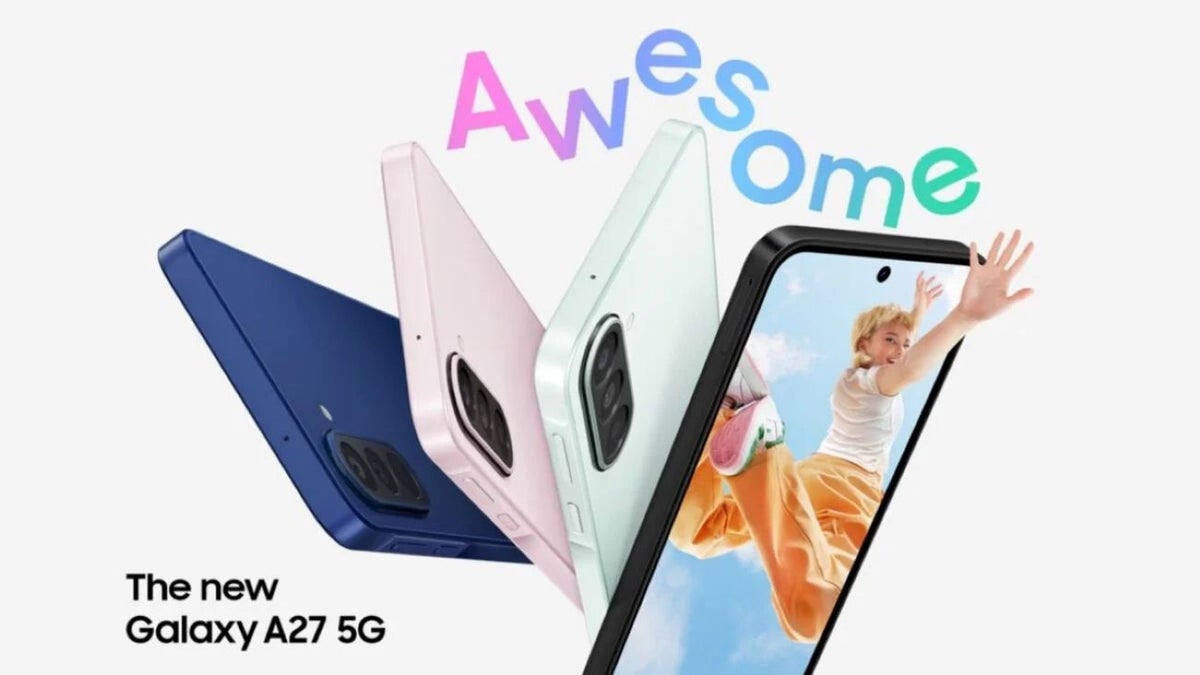
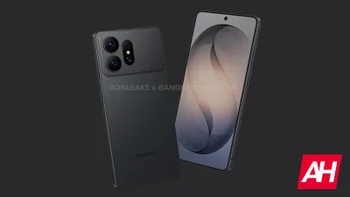
Awesome… or not? | Image by Samsung
What phones do we look for when we're dealt with the task of finding a phone for a family member who isn't particularly tech-savvy?
Perhaps a handset from the Galaxy A series family? Sure, why not? After all, it checks almost all the boxes.
I was looking at the latest major Galaxy A27 leak and I was pretty delighted with the listed specs.
Yes, but then I did some extra research and, as Master Yoda says, there's another.
Perhaps a handset from the Galaxy A series family? Sure, why not? After all, it checks almost all the boxes.
I was looking at the latest major Galaxy A27 leak and I was pretty delighted with the listed specs.
Yes, but then I did some extra research and, as Master Yoda says, there's another.
A Nothing phone (that I almost forgot about) got my attention.
Above, I mentioned something about how Galaxy A phones check almost all the boxes. Let's throw in some clarification.
If you're shopping for a phone meant for someone who isn't a phone aficionado, you pretty much look for the following:
Let's leave iPhones out of this one, as Apple has an extremely narrow selection of new budget-friendly devices. Android makers are all the rage when it comes to sub-$400 handsets.
I'm saying sub-$400 phones, but what I really mean is $250–$400 phones, as cheaper options are more often than not too compromising. Phones below the $250 mark can drive you crazy, they're too laggy. Even ordinary everyday tasks – like opening Google Maps, typing in an address and navigating to it – can feel painfully slow.
And you don't want your relatives (be they distant or close ones) to cast ancient New England curses at you when their phone lags and stutters. Do yourself a favor and stay in the $250–$400 range, if possible.

I have firsthand experience with a Galaxy A-series phone that wasn't great. For that reason, I usually refrain from recommending the cheapest Galaxy A devices.
But there's something about the Galaxy A27 in the leak I referred to a bit earlier.
Samsung's handset is said to arrive with a Snapdragon 6 Gen 3 chipset under the hood – and not with the usual Exynos 1380 or 1280. The Snapdragon 6 Gen 3 isn't a miraculous silicon, not at all; but I'd trust it more than the entry-level Exynos chipsets for sure.
See, in budget-friendly phones, chipsets are pretty important. It's unreasonable to expect display or camera miracles out of ~$300 phones, but at least we must strive to get a decent performance experience that doesn't grind our gears.
It's not a bad phone per se – but I want to highlight why I wouldn't choose the Galaxy A27 over the Nothing Phone (3a).
See, the Galaxy A27 (it's semi-official, as it's already been listed on some online Samsung stores in the EU) comes with a 50 MP main camera, a 5 MP ultrawide and a 2 MP macro. Yeah, no thanks. It's 2026 and major players like Samsung should've moved on from 2 MP macro cameras long ago.
Such snappers are straightforwardly useless and are a marketing gimmick at best; it's fewer and fewer people that would believe a 2 MP macro camera can produce decent macro shots.
What I'd go with instead of the Galaxy A27 is the Nothing Phone (3a) – it has a 50 MP main camera, an 8 MP ultra-wide, a 32 MP selfie and a 50 MP telephoto with 2x optical zoom.
Simple as that.
Budget-friendly phones can be tricky
Above, I mentioned something about how Galaxy A phones check almost all the boxes. Let's throw in some clarification.
- Durability over fancy design
- Solid battery life
- 120Hz display (it's 2026, folks, no need to compromise!)
- The best possible chipset for the money
- Good speakers (you want the user to be able to make calls)
- Cameras that are not abysmal
Let's leave iPhones out of this one, as Apple has an extremely narrow selection of new budget-friendly devices. Android makers are all the rage when it comes to sub-$400 handsets.
And you don't want your relatives (be they distant or close ones) to cast ancient New England curses at you when their phone lags and stutters. Do yourself a favor and stay in the $250–$400 range, if possible.
Why the Galaxy A27 in the first place?
The Galaxy A27 comes with the Snapdragon 6 Gen 3. | Image by Qualcomm
I have firsthand experience with a Galaxy A-series phone that wasn't great. For that reason, I usually refrain from recommending the cheapest Galaxy A devices.
But there's something about the Galaxy A27 in the leak I referred to a bit earlier.
See, in budget-friendly phones, chipsets are pretty important. It's unreasonable to expect display or camera miracles out of ~$300 phones, but at least we must strive to get a decent performance experience that doesn't grind our gears.
So, why NOT pick the Galaxy A27 after all?
It's not a bad phone per se – but I want to highlight why I wouldn't choose the Galaxy A27 over the Nothing Phone (3a).
See, the Galaxy A27 (it's semi-official, as it's already been listed on some online Samsung stores in the EU) comes with a 50 MP main camera, a 5 MP ultrawide and a 2 MP macro. Yeah, no thanks. It's 2026 and major players like Samsung should've moved on from 2 MP macro cameras long ago.
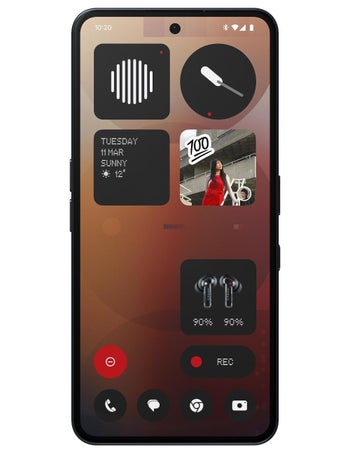
Enter the Nothing Phone (3a)
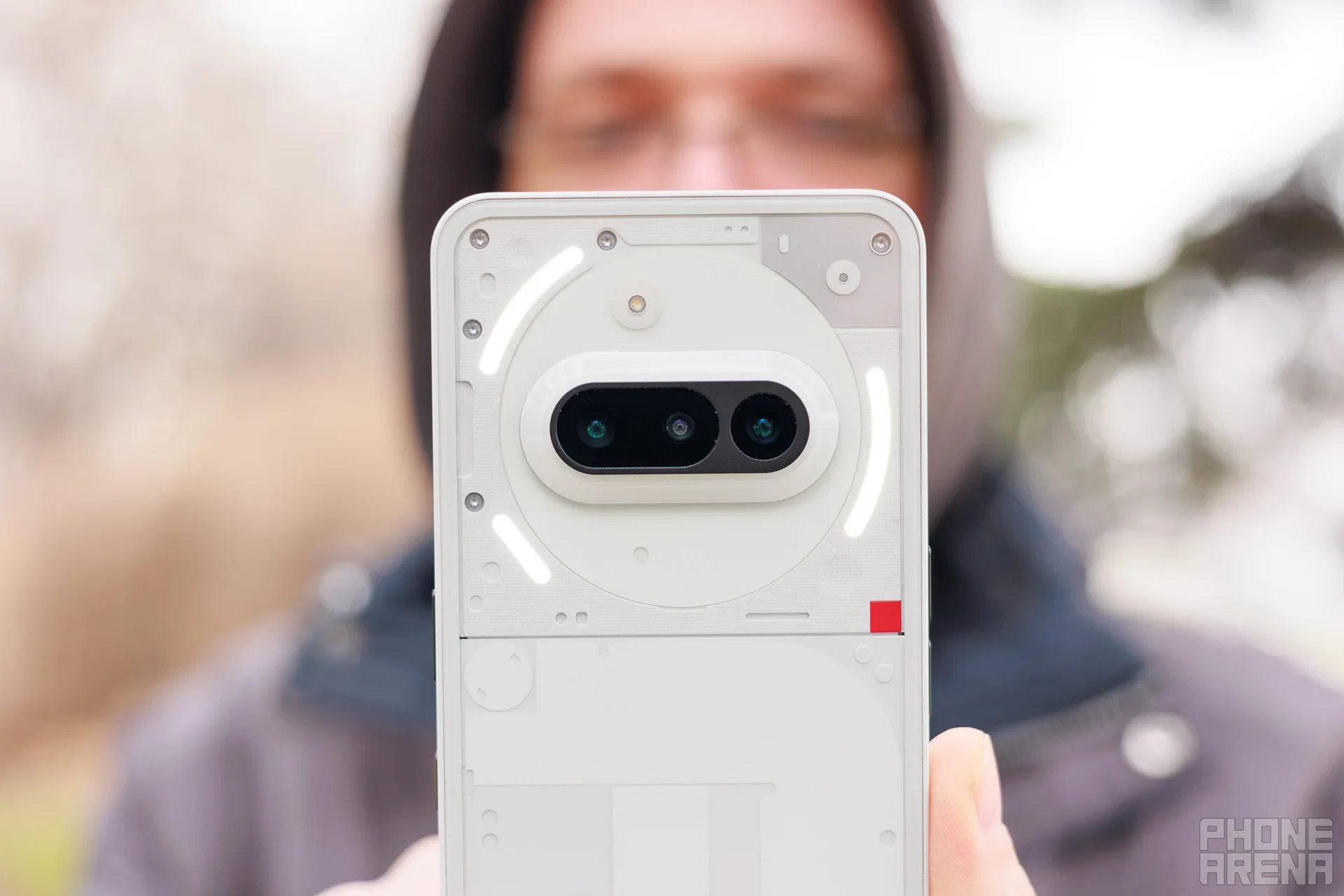
This phone is pretty cool! | Image by PhoneArena
What I'd go with instead of the Galaxy A27 is the Nothing Phone (3a) – it has a 50 MP main camera, an 8 MP ultra-wide, a 32 MP selfie and a 50 MP telephoto with 2x optical zoom.
Simple as that.
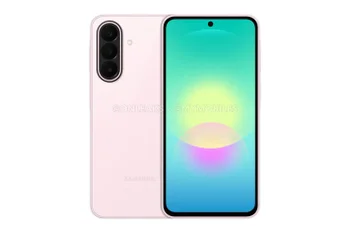
Other than that, the two phones are not that different from each other:
|
|
| Samsung Galaxy A27 | Nothing Phone (3a) |
| Size | |
|---|---|
| 6.7-inch | 6.8-inch |
| System chip | |
|---|---|
| Snapdragon 6 Gen 3 SM6475-AB (4 nm) | Snapdragon 7s Gen 3 SM7635 (4 nm) |
| Memory | |
| 6GB (LPDDR4X)/128GB (UFS) 8GB/256GB |
8GB/128GB 12GB/256GB |
| Type | |
|---|---|
| 5000 mAh | 5000 mAh |
| Rear | |
|---|---|
| Triple camera | Triple camera |
| Main camera | |
| 50 MP (OIS, Autofocus) Aperture size: F1.8 Focal length: 24 mm Sensor size: 1/2.76" Pixel size: 0.64 μm |
50 MP (OIS, PDAF) Aperture size: F1.9 Sensor size: 1/1.57" |
| Second camera | |
| 5 MP (Ultra-wide) Aperture size: F2.2 Sensor size: 1/5" Pixel size: 1.12 μm |
8 MP (Ultra-wide) |
| Third camera | |
| 2 MP (Macro) Aperture size: F2.4 |
50 MP (Telephoto) Optical zoom: 2.0x Aperture size: F2.0 Sensor size: 1/2.74" |
| Flash | |
| LED | LED |
| Video recording | |
| 4K UHD (30 fps), 1080p (30 fps) HDR, Continuous autofocus, Picture-taking during video recording |
4K UHD (30 fps), 1080p (120 fps) |
| Front | |
| 12 MP Video capture: 1080p (30 fps) |
32 MP |
See the full
Samsung Galaxy A27 vs Nothing Phone (3a) specs comparison
or compare them to other phones using our
Phone Comparison tool
And you want to know the best part? The Nothing Phone (3a) came out last year. You can find one on a cool discount without much effort. Boom, I just saved you some money!
If you insist on getting a new phone, you should definitely check the Nothing Phone (4a).


Popular stories



Latest News





Things that are NOT allowed:
To help keep our community safe and free from spam, we apply temporary limits to newly created accounts: