Mobile carriers have moved way past just selling phone plans, and AT&T is a good example of that. The company is now pushing deeper into the business and IoT space with a brand-new tool designed to make connected devices easier to manage.
This new service is all about giving companies deeper insight into how their connected devices are actually performing on AT&T’s network. The first version, called IoT Network Intelligence Standard, delivers a wide set of 4G and 5G performance metrics through a visual dashboard.
Businesses can see how their devices are behaving in real time, spot problems faster, and make smarter decisions about how their IoT setups are running.
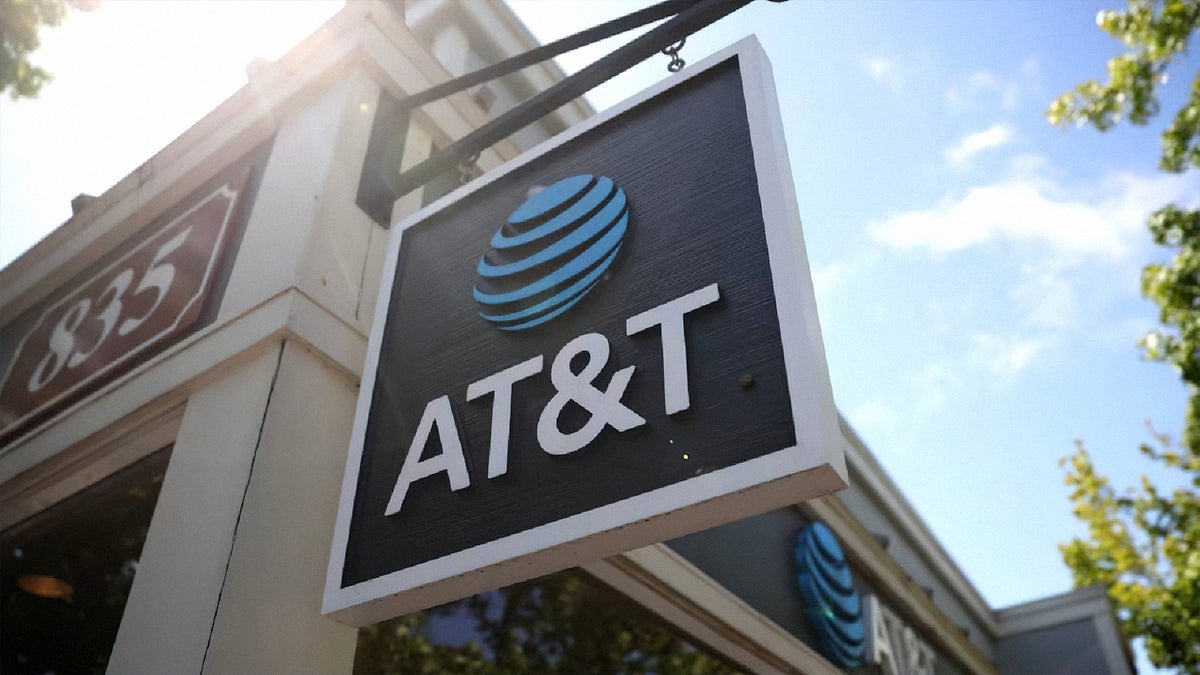
This solution makes it easier for businesses to see, track, and manage their connected IoT devices. | Image credit – AT&T
Recommended For You
AT&T says the goal is to help companies boost efficiency, improve reliability, and get a clearer picture of what is really happening across thousands or even millions of connected devices.
With AT&T IoT Network Intelligence, we’re providing our customers with the tools they need to gain deeper insights into their IoT operations. This solution is a game-changer, offering enhanced clarity that will drive efficiency and innovation across industries.
– Cameron Coursey, Vice President of Connected Solutions at AT&T, January 2026
The platform brings several useful tools to the table. Companies can track device-level KPIs like signal strength, data speeds, and latency, which helps with faster troubleshooting. They can also see how devices perform in different locations, which is useful for fleets, logistics, and nationwide deployments.
On top of that, built-in analytics highlight problem devices and performance outliers, making it easier to figure out what needs attention.
AT&T also plans to keep expanding the service with more advanced features over time. That includes things like Mobile Threat and Anomaly Detection, which uses machine learning and threat data to spot unusual behavior and security risks across connected devices.
Why this actually matters
A lot of the tech that runs modern life works quietly in the background. Cars, medical devices, sensors, and smart infrastructure all depend on constant connections. With this new platform, the companies behind those products can see in real time if a problem is coming from the network or the hardware itself.
That makes AT&T more than just a carrier here. It turns it into something closer to an analytics and operations partner. And while you might not notice it directly, this kind of visibility can make everyday tech more reliable.
For example, if a car’s built-in navigation or connectivity starts acting weird, the manufacturer can quickly check the network data and push a fix instead of guessing. That is good news for owners of the new Mitsubishi Outlander, which will be running on AT&T’s network.
Would you trust a carrier like AT&T to manage critical business tech, not just phones?
20 Votes
Yes, that’s where things are headed.
35%
Maybe, if the tools are good.
30%
I’d rather use a tech company.
15%
No, carriers should stick to data.
20%
Carriers are becoming something bigger
Moves like this show how much the big US carriers are changing. AT&T, Verizon, and T-Mobile are all trying to become more than just companies that sell data plans. They want to be the backbone for everything connected, from phones to cars to factories.
By giving businesses better tools to manage and secure their connected devices, AT&T is giving companies more reasons to pick its network over the competition. And in a world that runs on always-online devices, making those connections more reliable is a pretty big deal.
And if you are curious how the top three US carriers stack up, check out:
Mint Mobile is now allowing you to get whichever plan you like for either three, six, or 12 months for just $15/mo. If you go for the six-month unlimited service, for instance, you'll now have to pay just $90 upfront instead of $210.
Tsveta, a passionate technology enthusiast and accomplished playwright, combines her love for mobile technologies and writing to explore and reveal the transformative power of tech. From being an early follower of PhoneArena to relying exclusively on her smartphone for photography, she embraces the immense capabilities of compact devices in our daily lives. With a Journalism degree and an explorative spirit, Tsveta not only provides expert insights into the world of gadgets and smartphones but also shares a unique perspective shaped by her diverse interests in travel, culture, and visual storytelling.
A discussion is a place, where people can voice their opinion, no matter if it
is positive, neutral or negative. However, when posting, one must stay true to the topic, and not just share some
random thoughts, which are not directly related to the matter.
Things that are NOT allowed:
Off-topic talk - you must stick to the subject of discussion
Offensive, hate speech - if you want to say something, say it politely
Spam/Advertisements - these posts are deleted
Multiple accounts - one person can have only one account
Impersonations and offensive nicknames - these accounts get banned
To help keep our community safe and free from spam, we apply temporary limits to newly created accounts:
New accounts created within the last 24 hours may experience restrictions on how frequently they can
post or comment.
These limits are in place as a precaution and will automatically lift.
Moderation is done by humans. We try to be as objective as possible and moderate with zero bias. If you think a
post should be moderated - please, report it.
Have a question about the rules or why you have been moderated/limited/banned? Please,
contact us.












Things that are NOT allowed:
To help keep our community safe and free from spam, we apply temporary limits to newly created accounts: