I only used the Galaxy Z Fold 8 for an hour, but that was enough to sell me
The Galaxy Fold 8 feels like a more natural fit for the web, despite its sharp corners and slightly awkward fit in a pocket

We may earn a commission if you make a purchase from the links on this page.
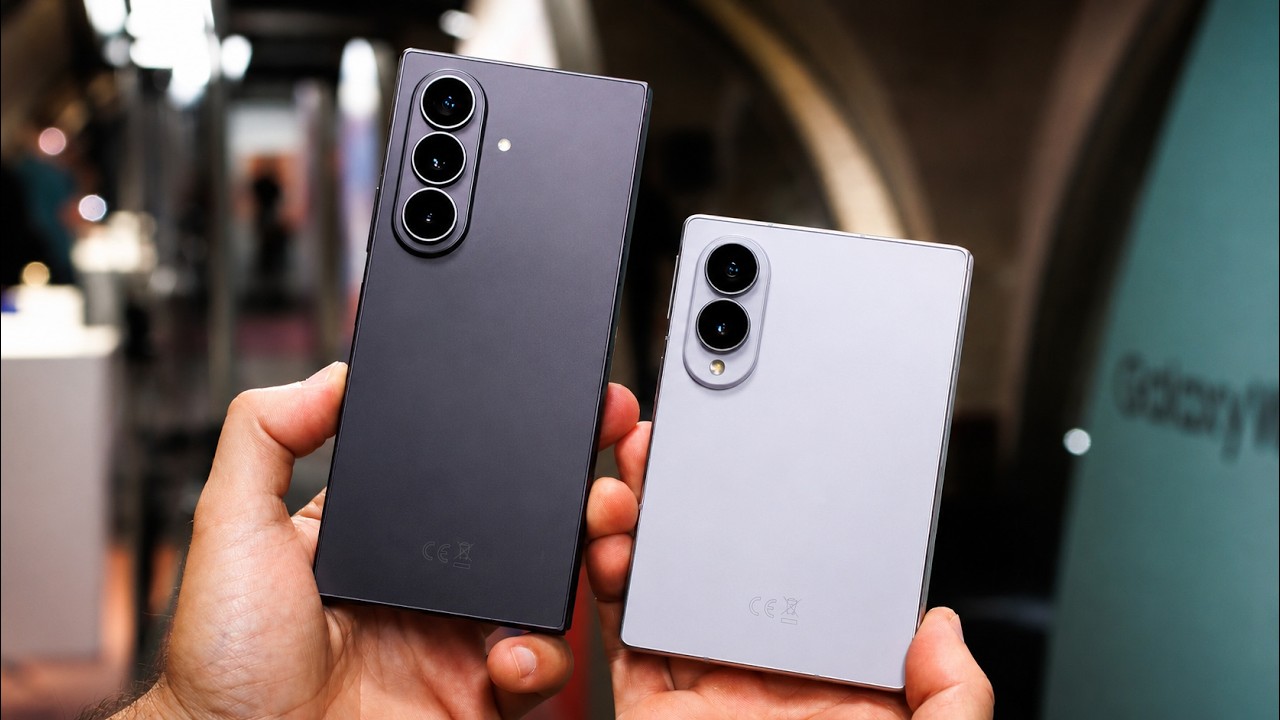

Samsung spent the last seven years making one kind of Fold, insisting that foldables should open into a square. This year… it suddenly had a change of mind.
And I think that says more than Samsung wants to admit.
This year, Samsung gives us two foldable phone options.
The Samsung Galaxy Fold 8 is the new form factor. When closed, it looks like a passport. Open it — and instead of a square, you get a rectangle, or something that looks a lot like a small tablet. You also have the Galaxy Fold 8 Ultra, the successor of all previous Fold designs. Yep, it opens into the familiar boxier format. Samsung simply rebranded it as Ultra, but to be frank, not much has changed to warrant that new name. There is no big camera upgrade or some other major change.
And after using the two briefly, I am now completely sold on the new Fold 8.
Why Samsung Changed
Interestingly, there are two ways to look at the Fold 8: one, it’s a wider phone, but two, you can say that it's also just a shorter Galaxy Fold.
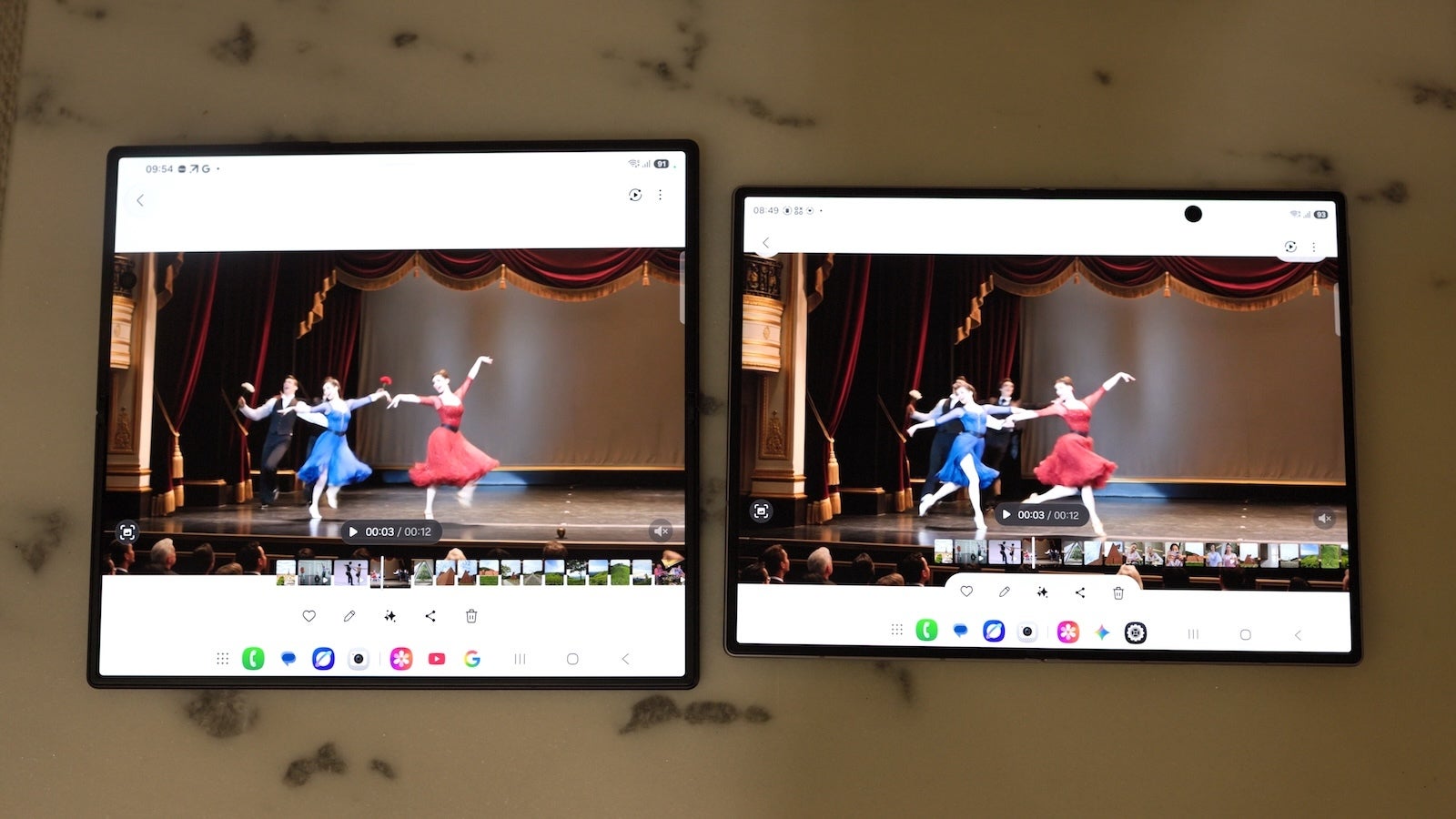
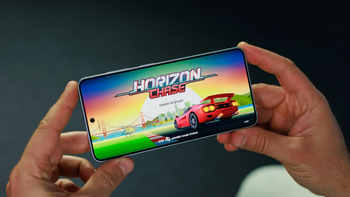
Notice how videos look on both the Fold 8 Ulra and Fold 8 side by side: it's not that you get to see more on the Fold 8, it's just that you get less of those black/white bars. That's it.
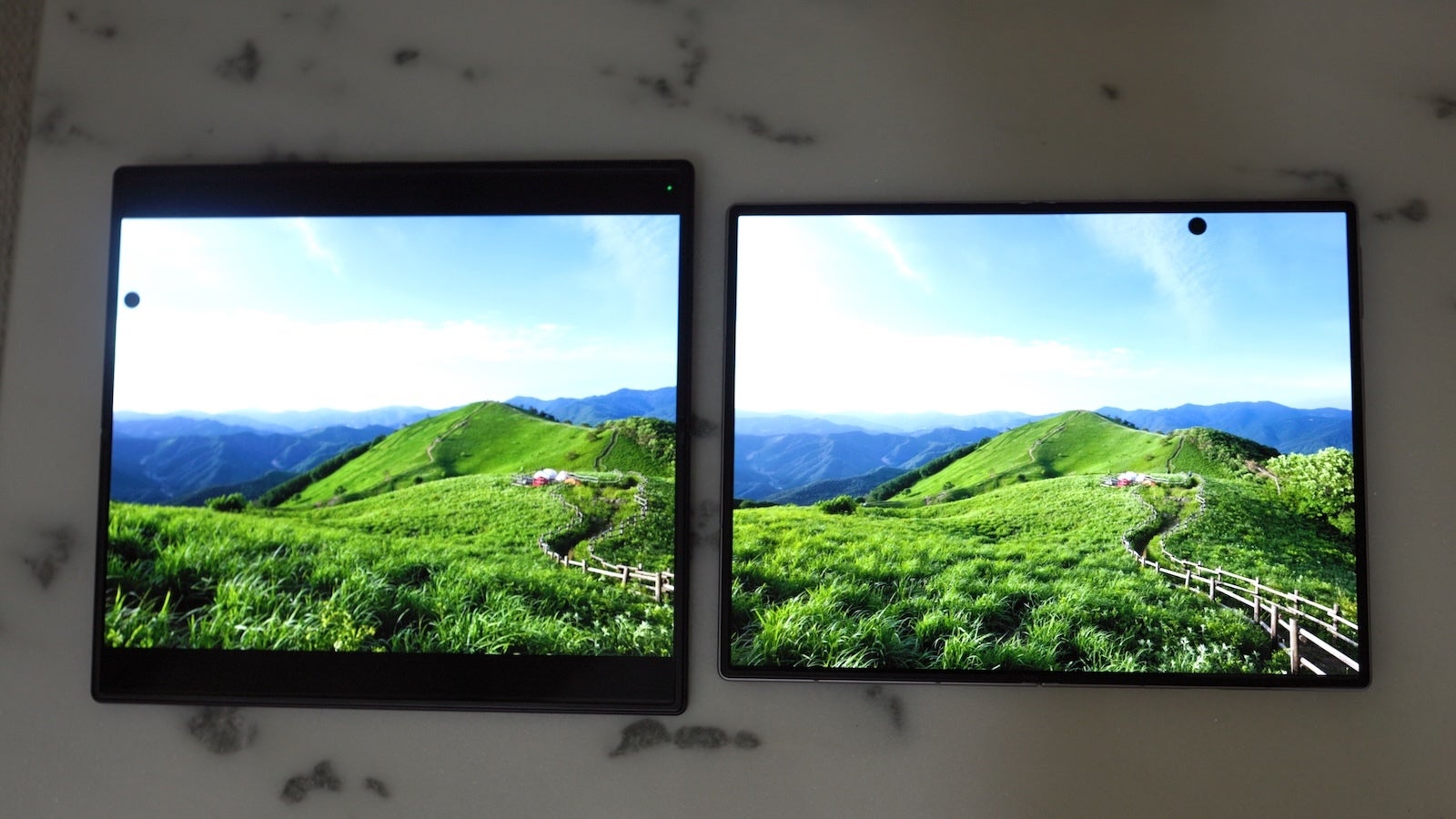
It's the same with photos, the aspect ratio is a perfect fit for the Fold 8, but you don't see less on the Fold 8 Ultra, you just see the black bars.
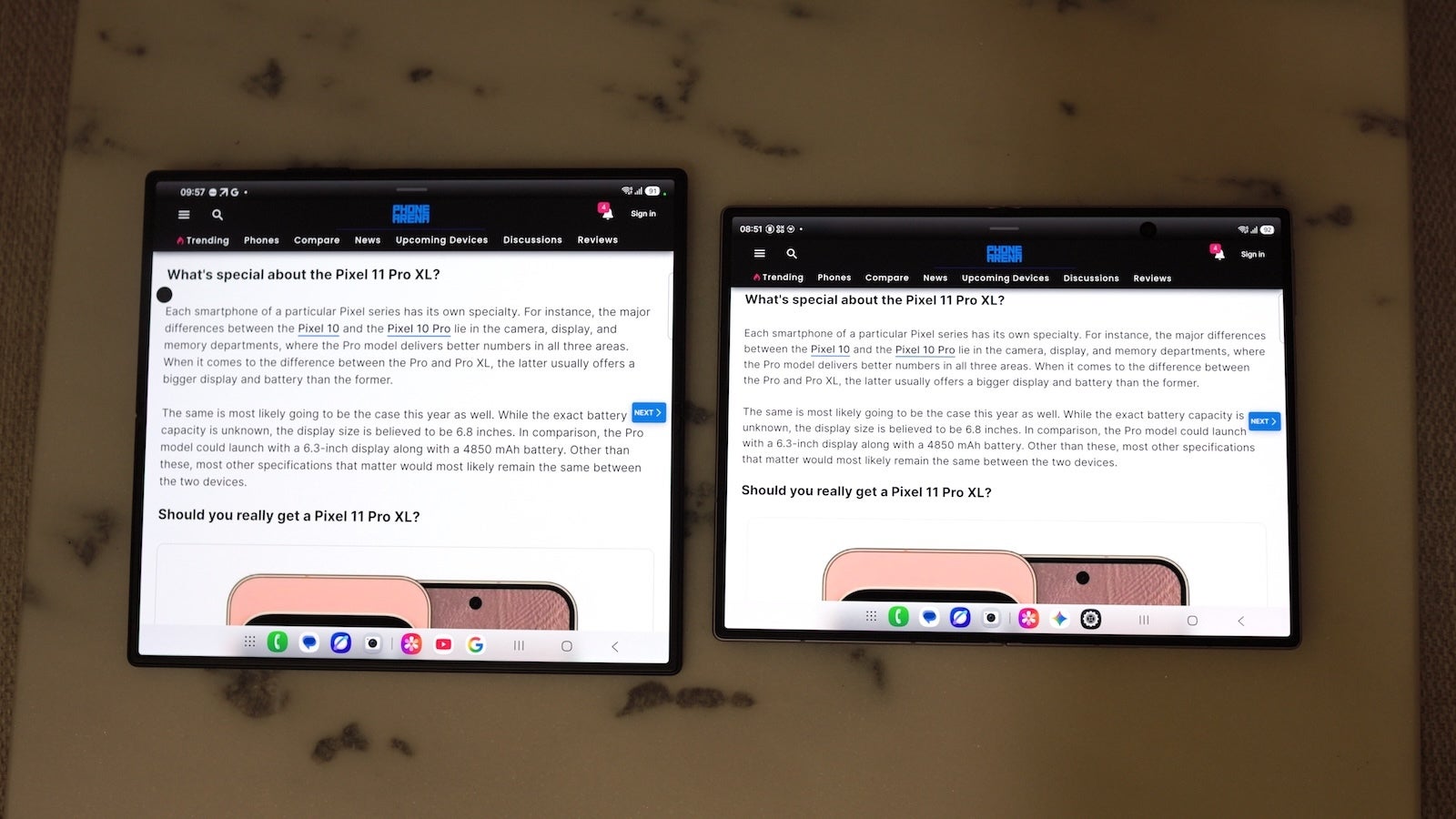
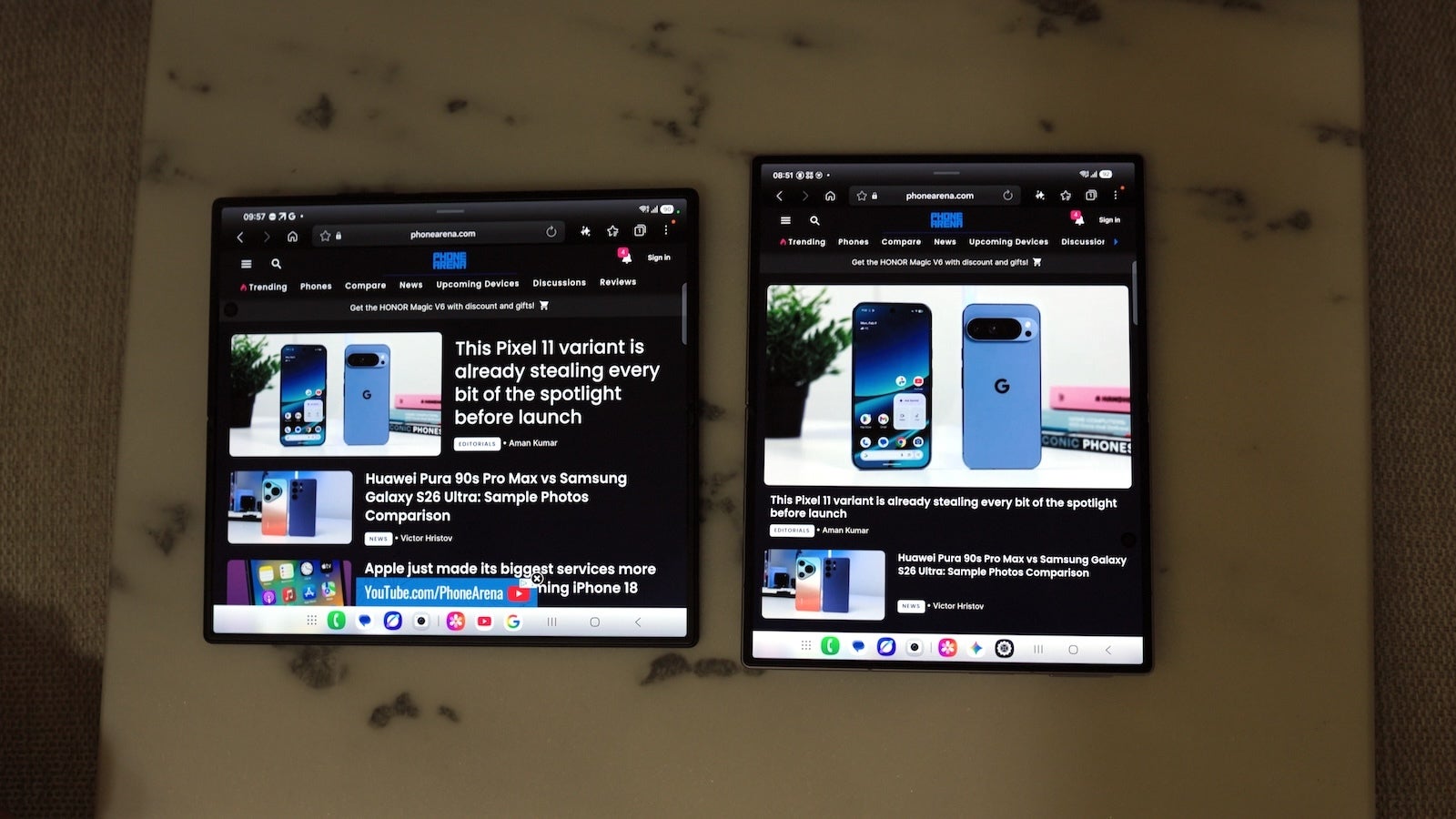
And the other big advantage is that you can use the Fold 8 both in portrait and vertical orientation, and this gives you two completely different experiences. The Fold 8 Ultra is not a perfect square, but it's very close to one, so it doesn't matter much which way you turn it.
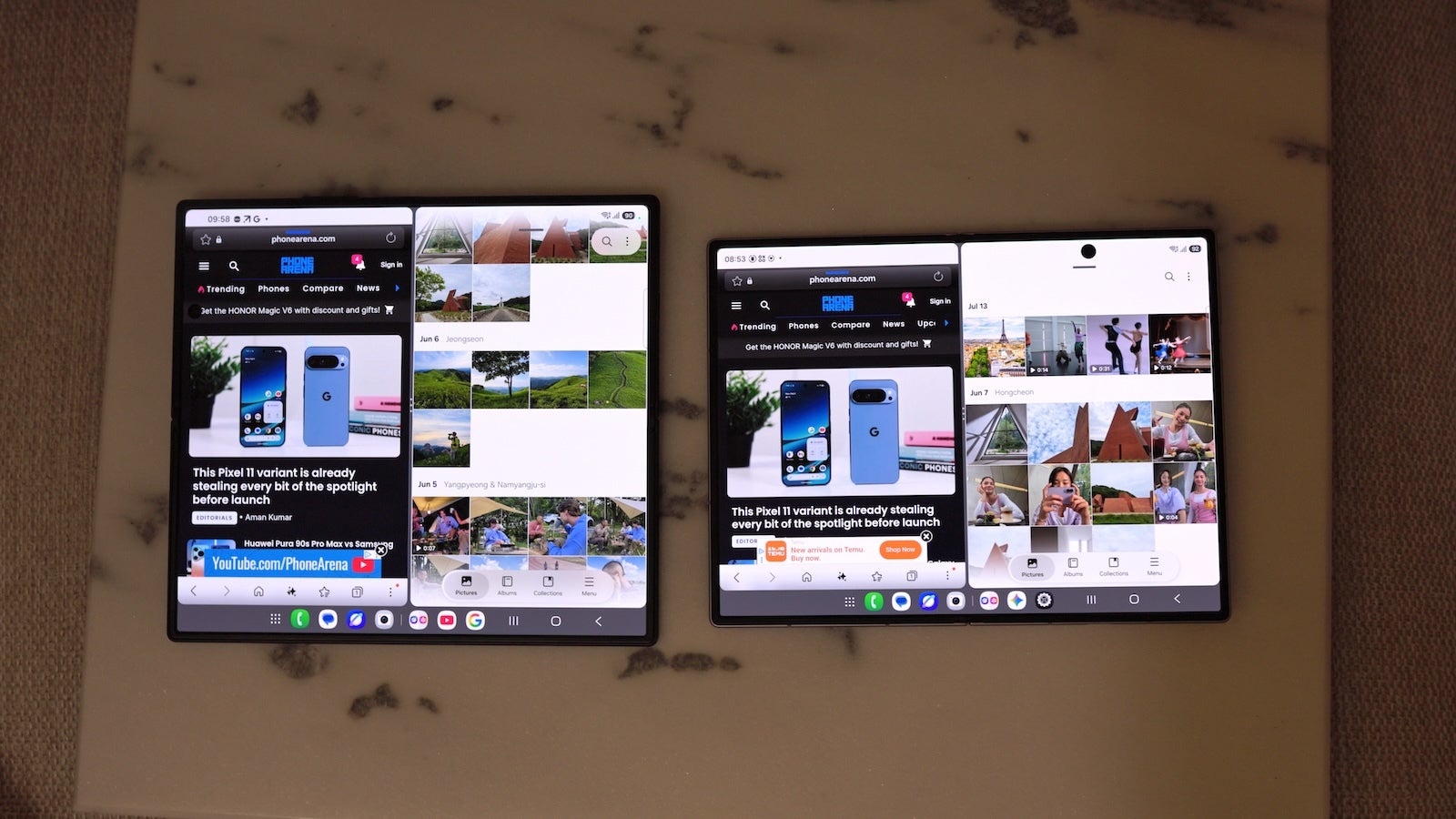
And here is how multitasking works on both, the extra width here works in favor of the Fold 8.
At this point it is quite obvious (and even Samsung admits it): almost everything on today's internet is rectangular, the wider form factor just makes a lot more sense than the square proportions of the Ultra.
Isn't it too awkward though?
While the Fold 8 makes a lot of sense when unfolded, it does look a bit awkward when you close it. Yep, it's shaped like a passport, which means it's a bit wider than your typical phone.
The slight extra width makes it less comfortable to carry in your pocket. It's fine when you walk, but when you have to kneel down to tie your shoes, you might feel those sharp corners against your body. It's not too bad, but it's something worth knowing.
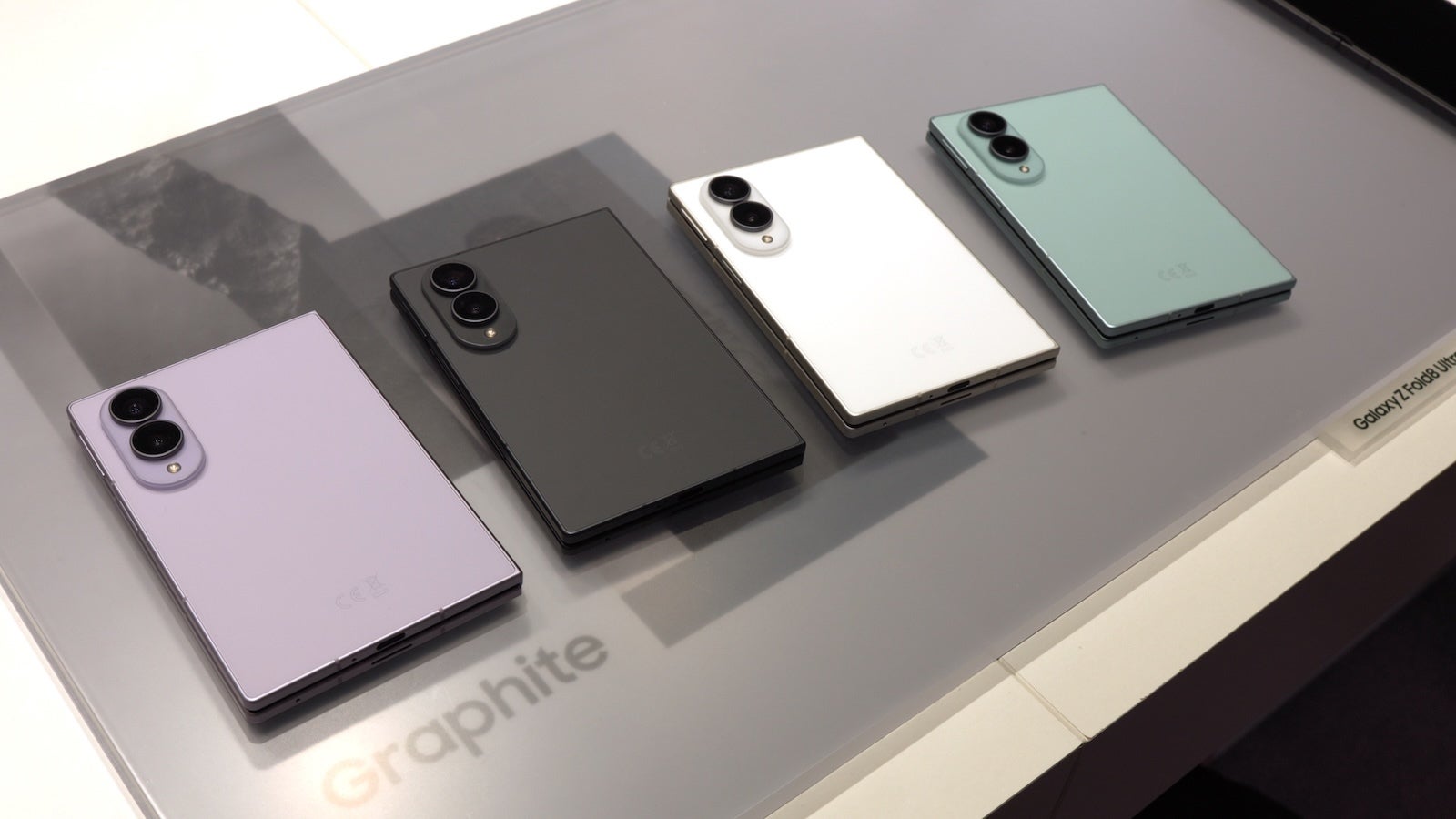
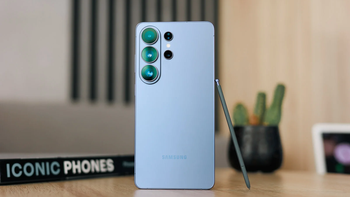
I prefer the slightly more lively and vibrant colors of the Fold 8 to the more conservative ones on the Fold 8 Utlra. The signature Lavender colorway is particularly cheerful and nice.
Design changes and durability
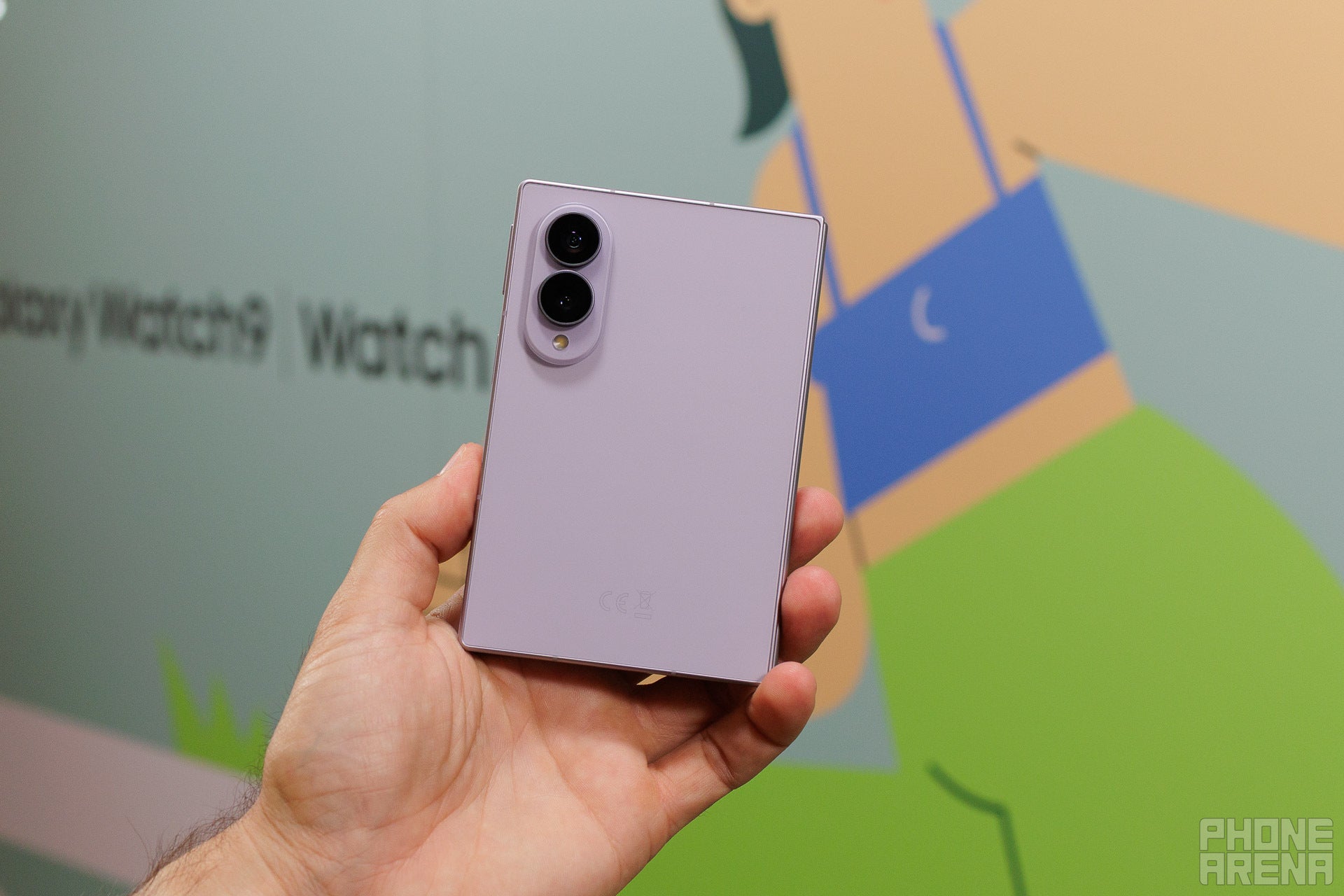
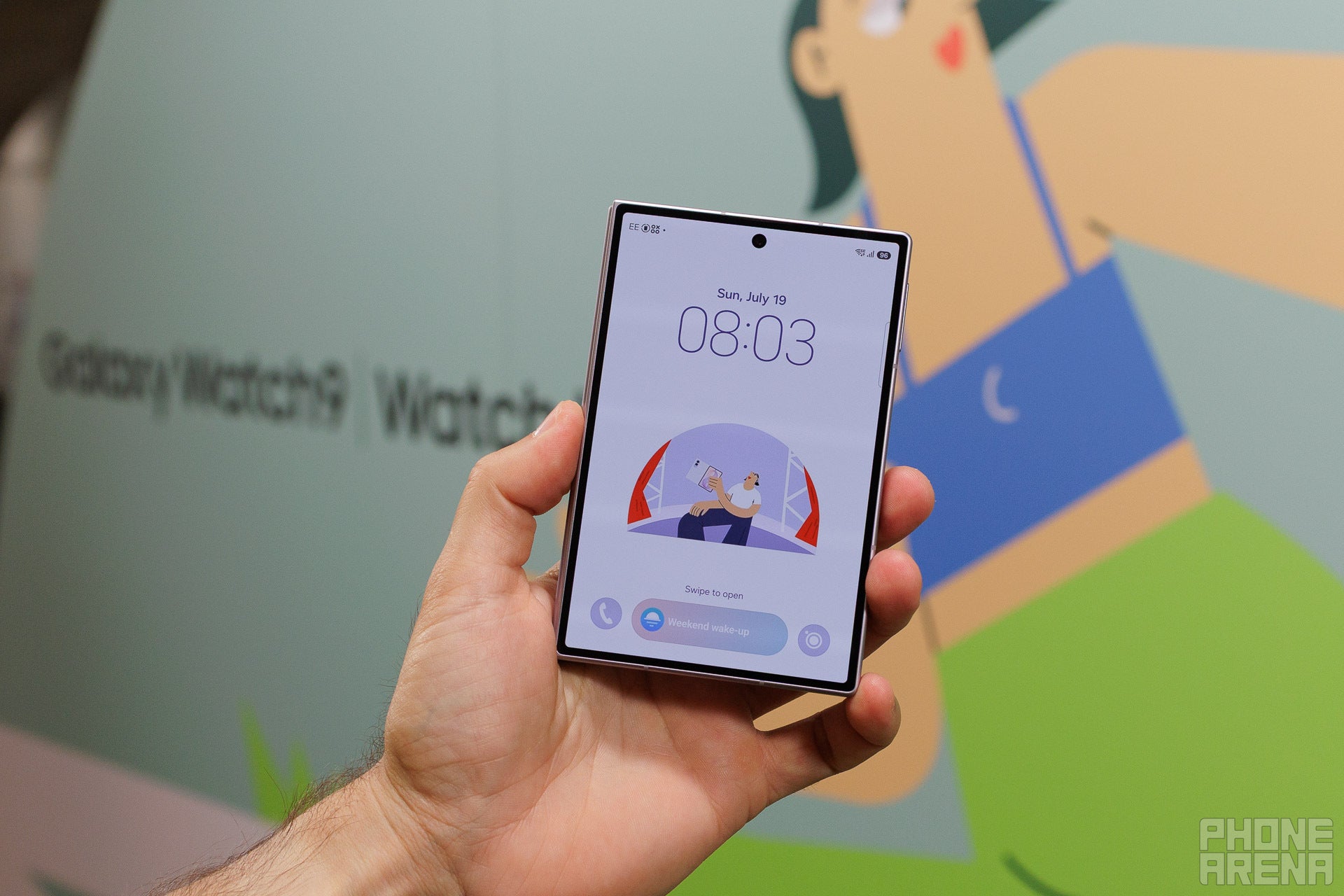
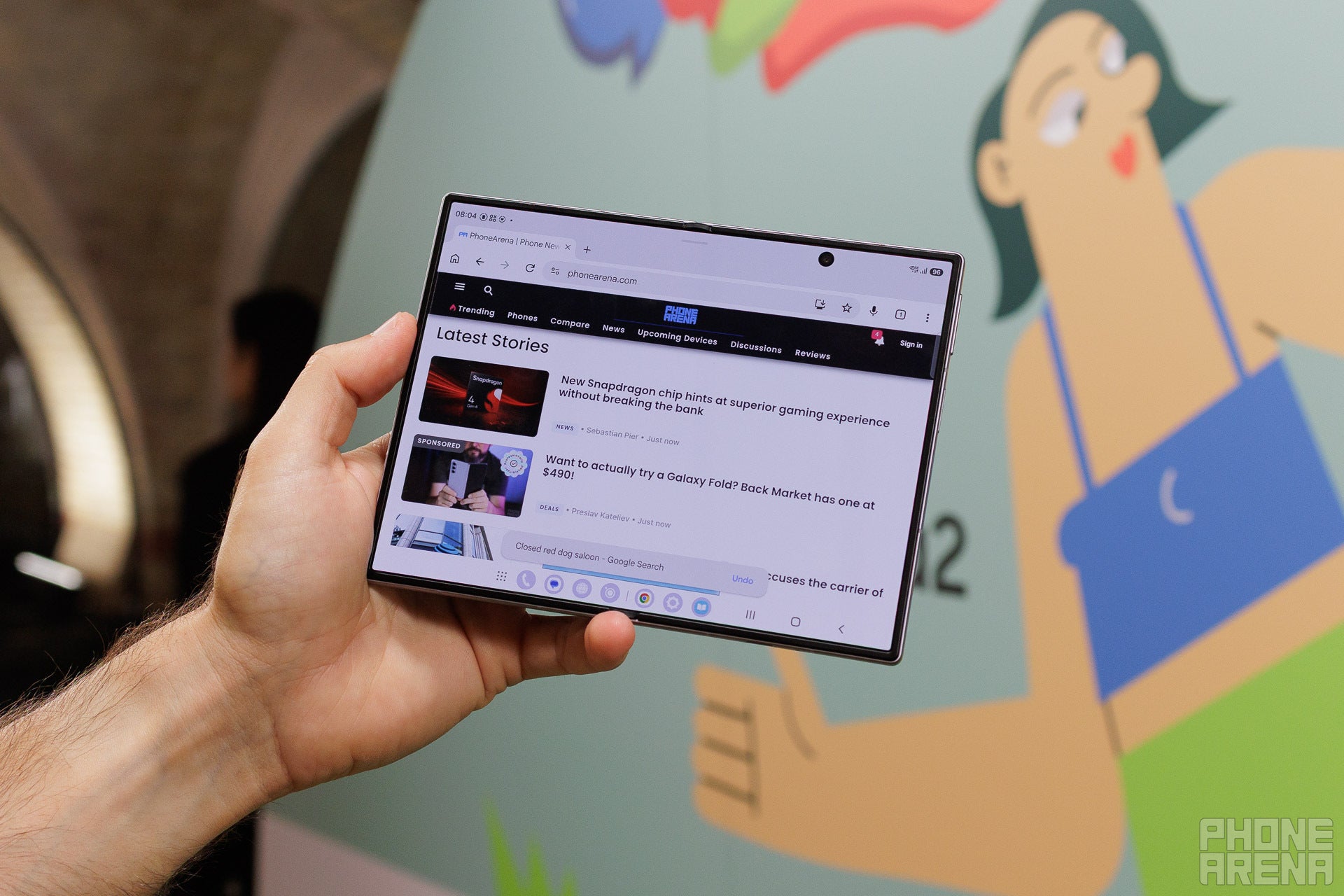
Samsung also made one small design change that makes a huge difference this year.
With last year's Fold, the company slimmed down the phone. That made the device look incredibly sleek, but introduced a very real problem: it was not too thin and the gap between the two panels was too tiny, so it takes extra care and effort to open that phone.
For me, this was a deal-breaker. After all, you are supposed to unfold that phone dozens of time each day, and I was always afraid that I could just drop it and end up with a broken screen.
The Fold 8 and Fold 8 Ultra both finally fix that problem with a clever solution — the sides are still mostly flat, but they are rounded around the edges, which makes opening these phones so much easier.
Samsung also improves the long-term durability and reduces the crease in the middle with the world's first Flex Titanium structure. While other foldable phones use carbon-fiber polymers (aka plastic) support layers, Samsung now uses titanium which adds a lot more stiffness to the screen. After months of use, that plastic polymer stretches and loses tension, which allows the OLED panel to sag into the hinge area. The new titanium-alloy film that Samsung uses on the Fold 8 series has 20 times the mechanical stiffness, a massive improvement.
One downside of that, though, is that titanium being a metal can interfere with digitizers, so there is no support for the S Pen in the Fold 8 family. And I don't think it's coming back anytime soon either. It's ironic that just as foldable screens become stiffer and more suitable for stylus work, the stylus gets removed.
The second titanium element on the Fold 8 is a thicker titanium plate under the display module. This was actually introduced in the Fold 7, but the Fold 8 reworks it as the plate now has tiny holes that allow seamless bonding with the display and zero air gaps, which helps achieve this nearly invisible crease, the ultimate goal for foldables for so long.
The second titanium element on the Fold 8 is a thicker titanium plate under the display module. This was actually introduced in the Fold 7, but the Fold 8 reworks it as the plate now has tiny holes that allow seamless bonding with the display and zero air gaps, which helps achieve this nearly invisible crease, the ultimate goal for foldables for so long.
What has not changed this year is the durability rating: it's still IP48, meaning the phone has proper water protection, but it's only protected against larger dust particles and not fine dust.
Camera
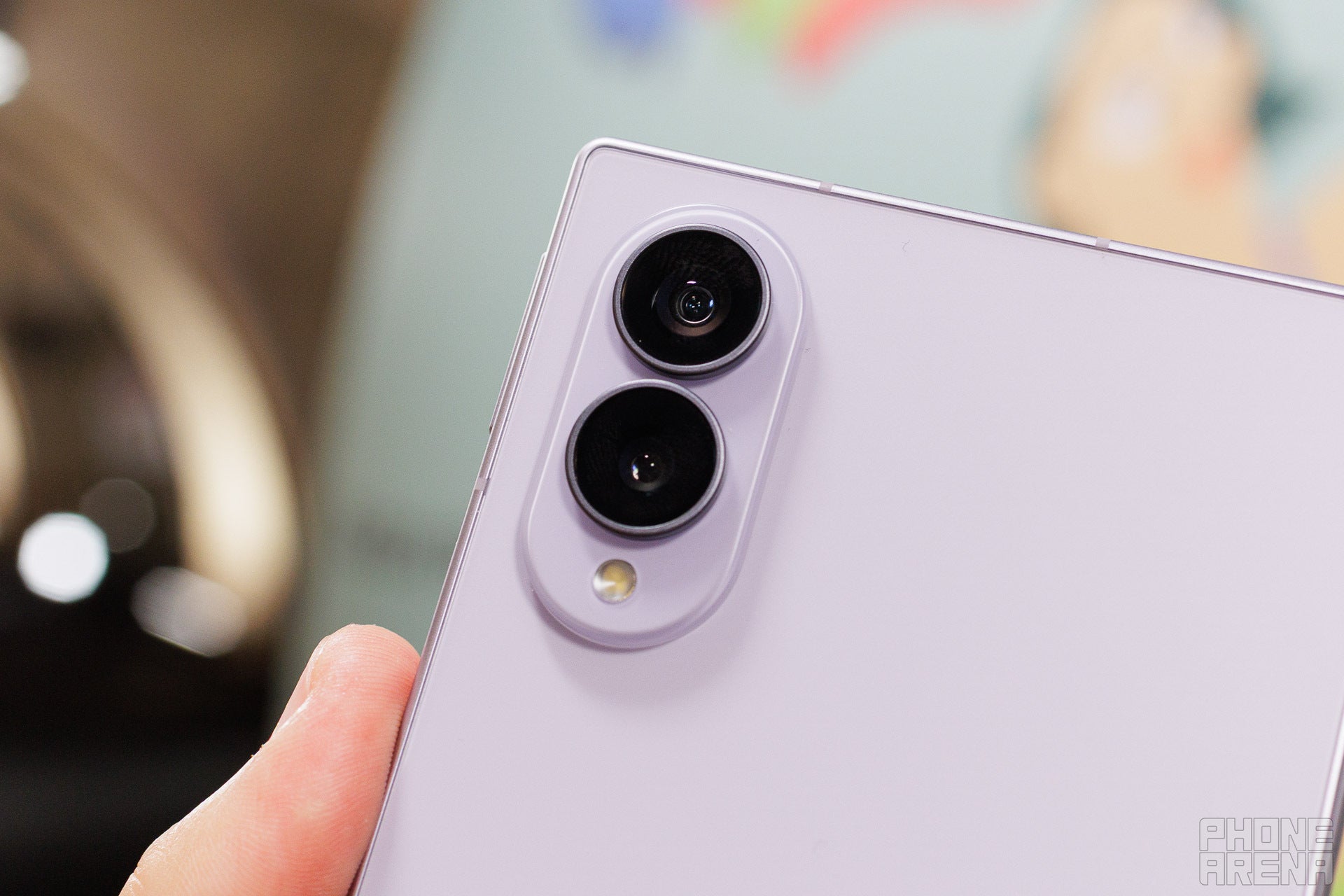
Image by PhoneArena
While the Fold 8 Ultra has three cameras on its back, the Fold 8 only has two, so it does not have the Ultra's 3X telephoto one. A telephoto camera is always nice, but to be honest, this 3X camera was never really worth the “Ultra” name — it has a very small sensor and image quality is just average, but not great.
The Fold 8 Ultra also gets the 200MP main camera sensor from the S26 Ultra, while the Fold 8 uses a smaller and slightly less capable 50MP sensor. It’s not about the megapixels here alone, it’s about sensor size, and the Ultra has a slight advantage.
Both phones also have a 50MP ultra-wide camera, an upgrade from the 12MP ultra-wide shooter on the Fold 7.
And on the video side, both can shoot up to 8K video, no surprise, but new is support for new Cine LUTs - 4 preset camera styles, that help you set the mood of your footage directly in the camera.
Ultimately, if you want the better camera phone, that would be the Fold 8 Ultra. It just isn't dramatically better.
Both phones also have a 50MP ultra-wide camera, an upgrade from the 12MP ultra-wide shooter on the Fold 7.
And on the video side, both can shoot up to 8K video, no surprise, but new is support for new Cine LUTs - 4 preset camera styles, that help you set the mood of your footage directly in the camera.
Ultimately, if you want the better camera phone, that would be the Fold 8 Ultra. It just isn't dramatically better.
Battery and charging
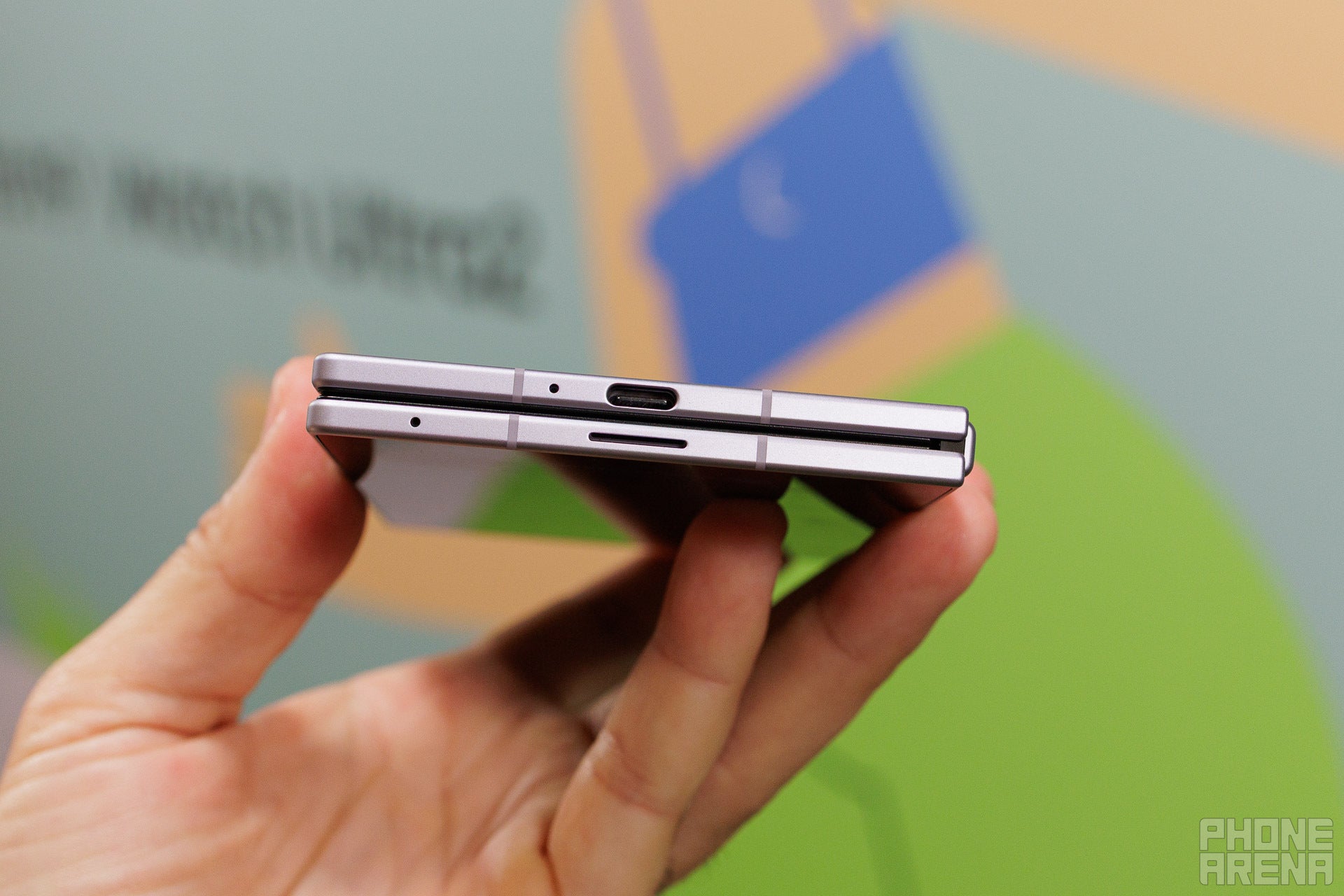
Image by PhoneArena
Between the Fold 8 and the Fold 8 Ultra, battery life is almost identical. The Fold 8 has a 4,800mAh battery size, while the Fold 8 Utlra has a 5,000mAh battery.
Samsung rates the Ultra for 27 hours of video playback, while the Fold 8 gets 26 hours, a very small difference. In comparison, Samsung’s Galaxy S26 Ultra is rated for 31 hours, so you still get 15 to 20% longer battery life out of the non-folding flagship.
Both folds now also get much faster charging. The Fold 7 only supported 25 watts, while both new models get 45 watts. Samsung says the Fold 8 gets 63% charge in 30 minutes, while the Fold 8 Ultra gets 67% in 30 minutes.
That’s not quite as fast as Chinese foldable phones which usually support 80 watt speeds, but it’s nonetheless a big upgrade for Samsung.
Wireless charging has also improved slightly, hitting 20 watts now, a slight bump from 15 on the Fold 7.
There are still no magnets on the back, though, so if you want to “snap” your phone to a Qi2 charger, you need to use a case that has magnets itself.
Both folds now also get much faster charging. The Fold 7 only supported 25 watts, while both new models get 45 watts. Samsung says the Fold 8 gets 63% charge in 30 minutes, while the Fold 8 Ultra gets 67% in 30 minutes.
That’s not quite as fast as Chinese foldable phones which usually support 80 watt speeds, but it’s nonetheless a big upgrade for Samsung.
Wireless charging has also improved slightly, hitting 20 watts now, a slight bump from 15 on the Fold 7.
Performance and Software
I leave this part last because there is just not much to talk about. The Fold 8 feels fast, just as you would expect from a flagship phone.
It uses the latest Qualcomm Snapdragon 8 Elite Gen 5 chipset with 12GB of RAM and it starts with 256GB of native storage (same as the Fold 8 Ultra).
As for software, you get Android 17 with the latest One UI 9. Samsung is still all in on AI. The new folds get proactive Now Nudge, which now recognizes more things, like an address in a conversation, you can now just tap it and it opens automatically in split view, without interrupting what you were doing.
As for software, you get Android 17 with the latest One UI 9. Samsung is still all in on AI. The new folds get proactive Now Nudge, which now recognizes more things, like an address in a conversation, you can now just tap it and it opens automatically in split view, without interrupting what you were doing.
You also have support for advanced automation with agentic AI and support for Gemini Notebooks, which can create nifty infographics and summaries of your team’s brainstorming sessions.
My main use for AI is chatbots, so I feel pretty indifferent to all these changes that Samsung is so keen on, but maybe it will all come together with time.
Final words
The Fold 8 is a premium phone (starting from $1,900), but it's a bit cheaper than the Fold 8 Ultra (now, starting from $2,100). That price is still a tough pill to swallow. But if there was ever a special moment in foldables after their introduction, I think that's the one.
In the first years foldables seemed so promising, and then how enthusiasm slowly faded.
I think there are only two reasons foldables never went mainstream. The first is that square aspect ratio was just not right for the web, but Samsung spent seven years convincing us foldables should be square. This year, they quietly built one that isn't. It might be because Apple’s first foldable will be a wide one, but whatever the reason, I say — finally! This form factor feels right and lovable from the very first use.
In the first years foldables seemed so promising, and then how enthusiasm slowly faded.
I think there are only two reasons foldables never went mainstream. The first is that square aspect ratio was just not right for the web, but Samsung spent seven years convincing us foldables should be square. This year, they quietly built one that isn't. It might be because Apple’s first foldable will be a wide one, but whatever the reason, I say — finally! This form factor feels right and lovable from the very first use.
I'm still not sure if people actually need a foldable phone in their life, but I am switching to the Fold 8 to find out and I'm very excited. Stay tuned to PhoneArena to see how this goes, and let me know your thoughts about the Fold 8 in the comments below.


Popular stories
Latest News

Things that are NOT allowed:
To help keep our community safe and free from spam, we apply temporary limits to newly created accounts: