Android is now officially open to other app stores – but it’s only a half-win
Google has started enrolling third-party app stores into a new Android program.


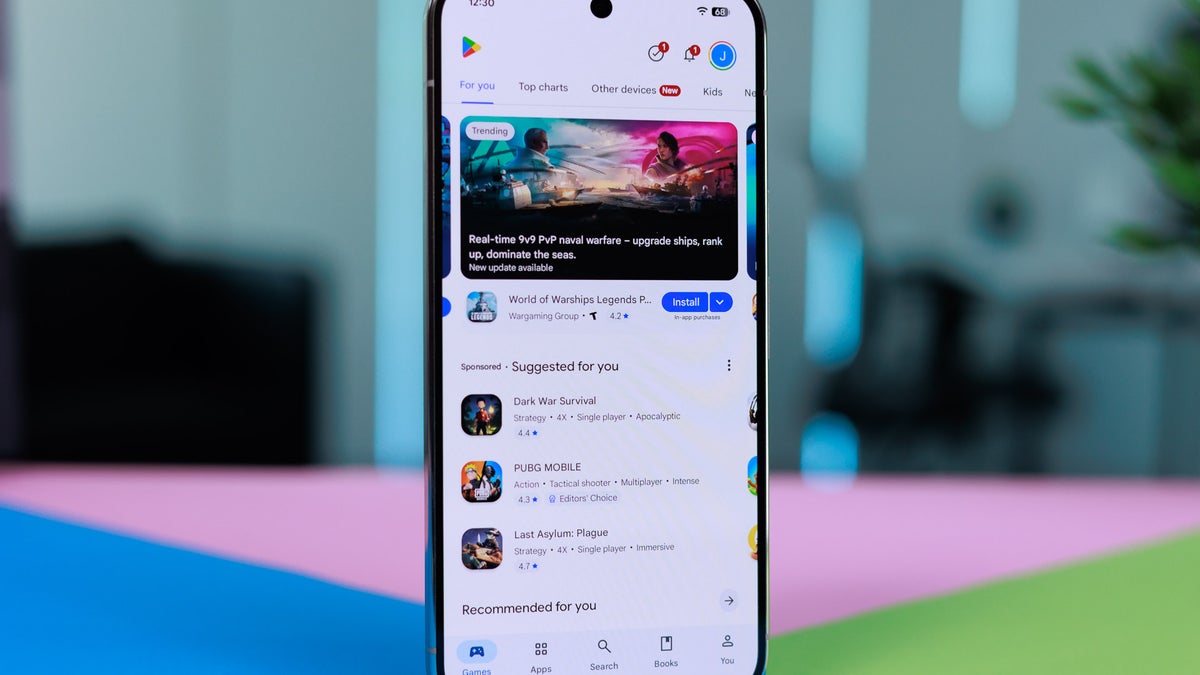
The Play Store will soon get a new category. | Image by PhoneArena
Android users will soon get access to Google-approved third party app stores which work just like the Play Store. Android’s entire “official” app distribution system will change once those roll out. Google has now revealed how these Android storefronts work and how secure they must be. This will be a defining update for the Android platform – here’s why.
What is a Registered App Store exactly?
This week, Google started enrolling third-party app stores into its Registered App Stores program. This program follows an antitrust lawsuit brought against Google for its Play Store policy. As part of the settlement, the company was required to open the Android platform to alternative app stores. Storefronts can apply to become registered with Google.
This doesn't mean that your Galaxy S27 is going to have another new app store pre-installed, but it does mean you'll be able to download one if you wanted to.
What do you think of Android getting new app stores?
0 Votes
The more the merrier
0%
Play Store is enough for me, don’t need alternatives
0%
I hope it makes apps and games cheaper on the other stores
0%
Once Google approves an app store, you will be able to tap just one button to install the app and then the “open” button launches it. App updates will happen automatically in the background too. These registered app stores will be available on the Play Store under a new “stores” category.
Right now, if you want to install or update third-party apps, you’ll have to go through several interfaces, but with the new changes the entire thing will become much more streamlined. With Google's track record, its Pixel phones will probably be the first to get these updates.
How secure are these app stores must be
Google won't moderate the content available within registered app stores.
Google Developer documentation
A registered app store will be responsible for keeping its users safe after Google has screened and approved it.
Google will, however, scan registered stores regularly and if more than 2% of the apps turn up as sketchy or potentially harmful, it will flag those stores internally. Flagged stores will have to pay higher fees to remedy the security issues.
Only time will tell if the newly introduced third-party stores offer the same level of protection as the Play Store. To be fair, Google’s track record hasn’t been perfect, and malicious apps have been made freely available to users from time to time. That being said - these mishaps have happened despite Google’s best efforts, made available through the company’s notable resources. I doubt that many of the third-party stores will be able to match Google’s approach, so my advice is to stay vigilant when getting new apps from registered stores.
Some of the best app stores (likely) won’t make it
Android is changing soon. | Image by PhoneArena
Once upon a time, Google required developers to verify their legal identities to get their apps on the Play Store. This sparked backlash from the Android community, and Google backtracked to tone things down. The requirement is now back, however, for those who’d like to have their third-party stores on the Google Play platform.
Open-source projects like F-Droid currently have a firm stance against Google’s identity verification system, which is why we’ll probably never see them listed officially on Google Play.
That’s a bit of a shame, since F-Droid is one of the biggest libraries of open-sourced, verified apps. The project involves manually checking each entry to ensure it’s safe before sharing it, which sounds like a level of security every user deserves. Nevertheless, F-Droid still exists online if you decide to check it out.
Registered app stores are a half-win for Android
Opening Android to third-party app stores is a bittersweet win for the platform. On one hand, the idea fits Android’s openness so well and we should have had these stores from the very start. On the other hand, developer verification is keeping out some of the best alternative app stores.
Only time will tell if Google’s security monitoring system will hold up as well as Play Protect, but again - once the third-party stores start rolling out, stay vigilant until we get some more public feedback.
Popular stories



Latest News

Things that are NOT allowed:
To help keep our community safe and free from spam, we apply temporary limits to newly created accounts: