Smartphones that focus on having massive, impressive cameras with the promise to replace DSLRs are not a new thing. However, we are recently seeing a new uptick, which may become a trend — an external telephoto lens to enhance your smartphone’s capabilities.
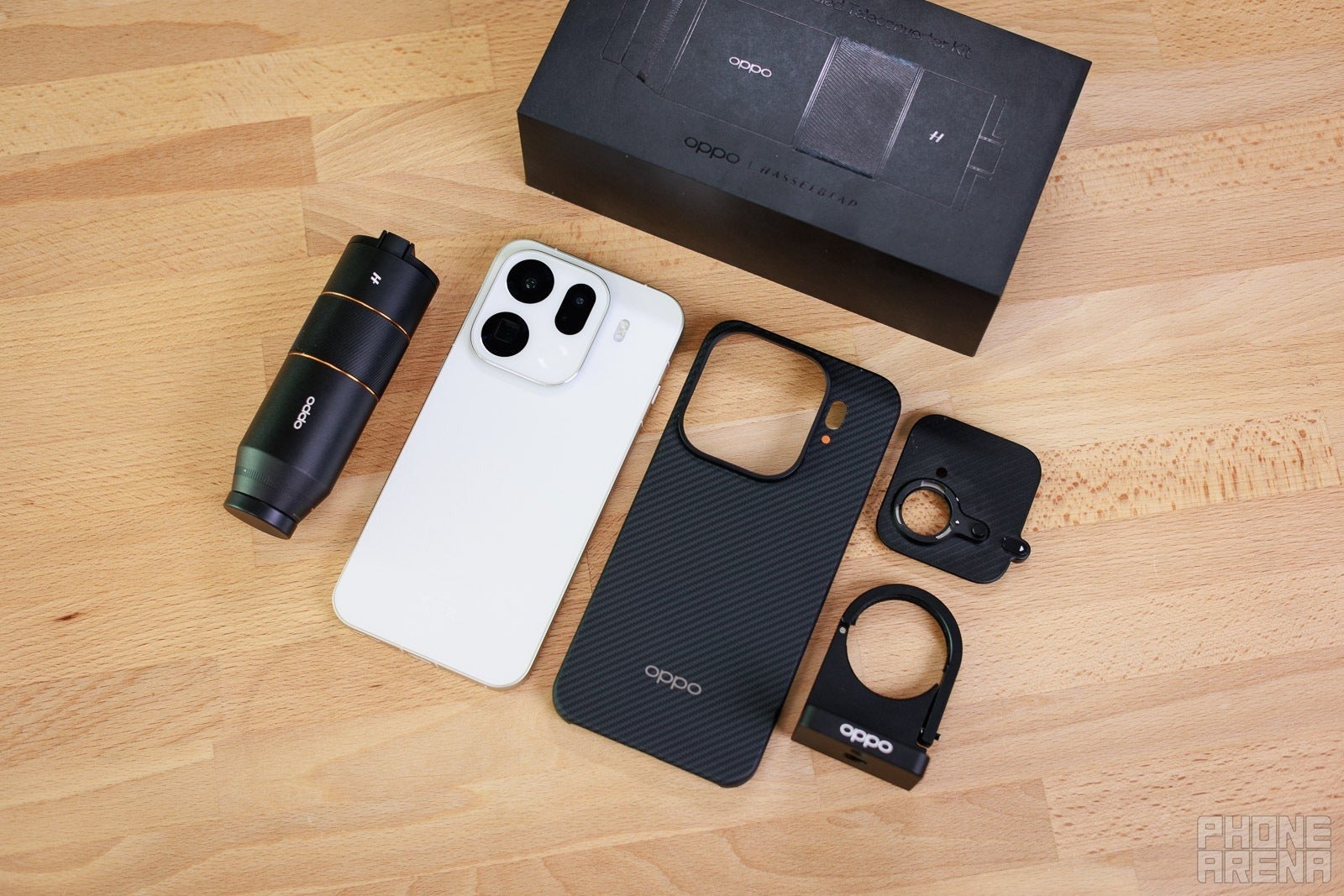
Last year, it was the Vivo X200 Ultra that came with a special Photography Kit. This year, the Oppo Find X9 Pro has an optional Teleconverter kit, and the Vivo X300 Pro made the Photography Kit accessible to the international market.
The signal is clear: real, big lenses are still king
The Oppo Teleconverter kit (Image credit - PhoneArena)
Computational photography has made huge leaps over the past few years, managing to clean up noise and draw out detail from the insanely small sensors and optics that smartphones are forced to work with. Look no further than Google’s Super Res Zoom, Samsung’s Space Zoom, and many others to see the results.
But one thing is clear. Having a bigger window to gather the light and feed it to the sensor underneath is still the unbeatable king of photography.
This is obviously why pro photographers and enthusiasts alike still prefer using a “real” camera. Sure, they will have fun with their smartphones, and may even take better photos with them than you and I would. But, when they want to “get serious”, they reach for that camera. Bigger and clunkier, with a plethora of lenses to carry around and switch between, but still undefeated, of course.
Recommended For You
Are the new Tele kits a bridge between the two worlds?
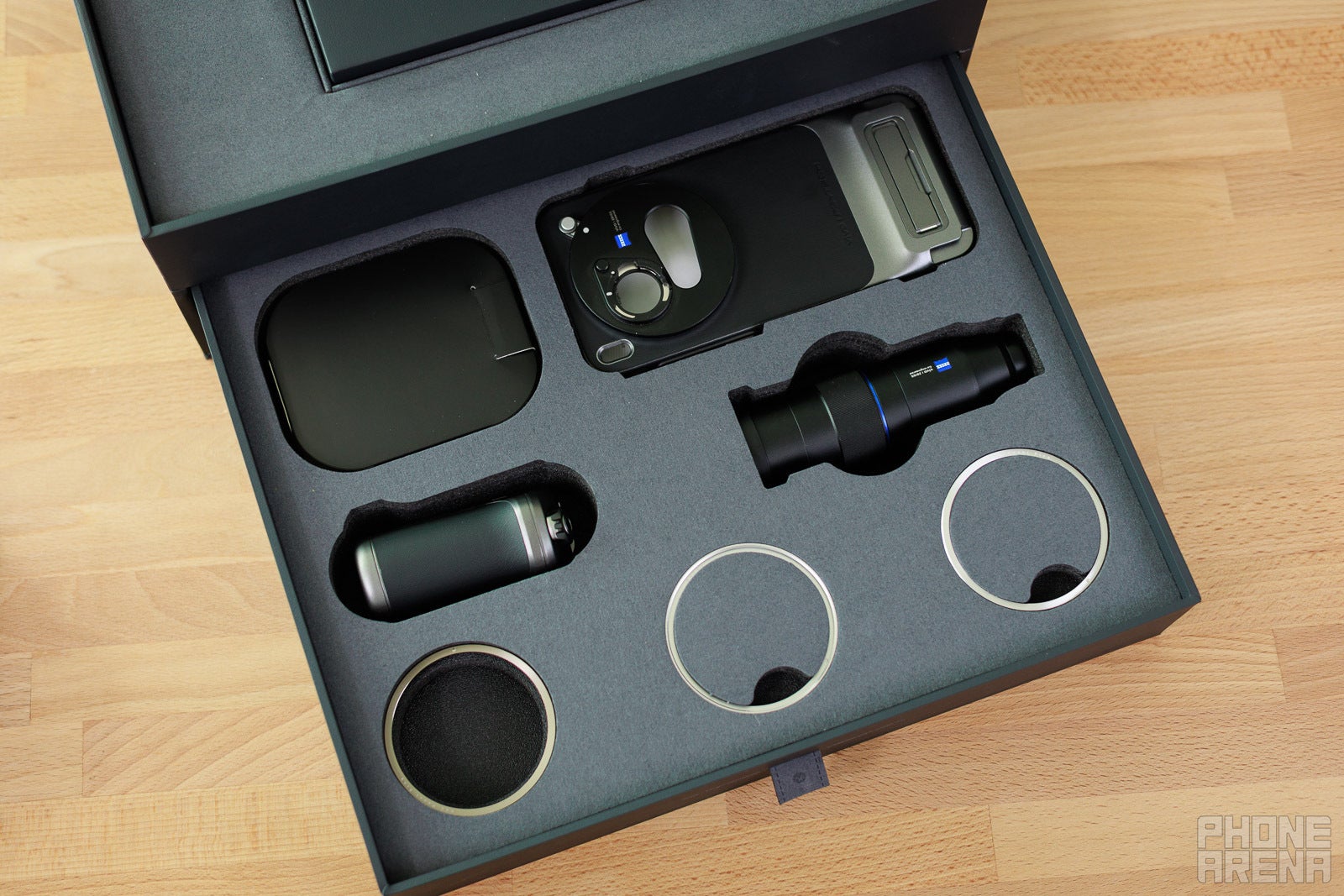
The Vivo Photography kit is an entire experience (Image credit - PhoneArena)
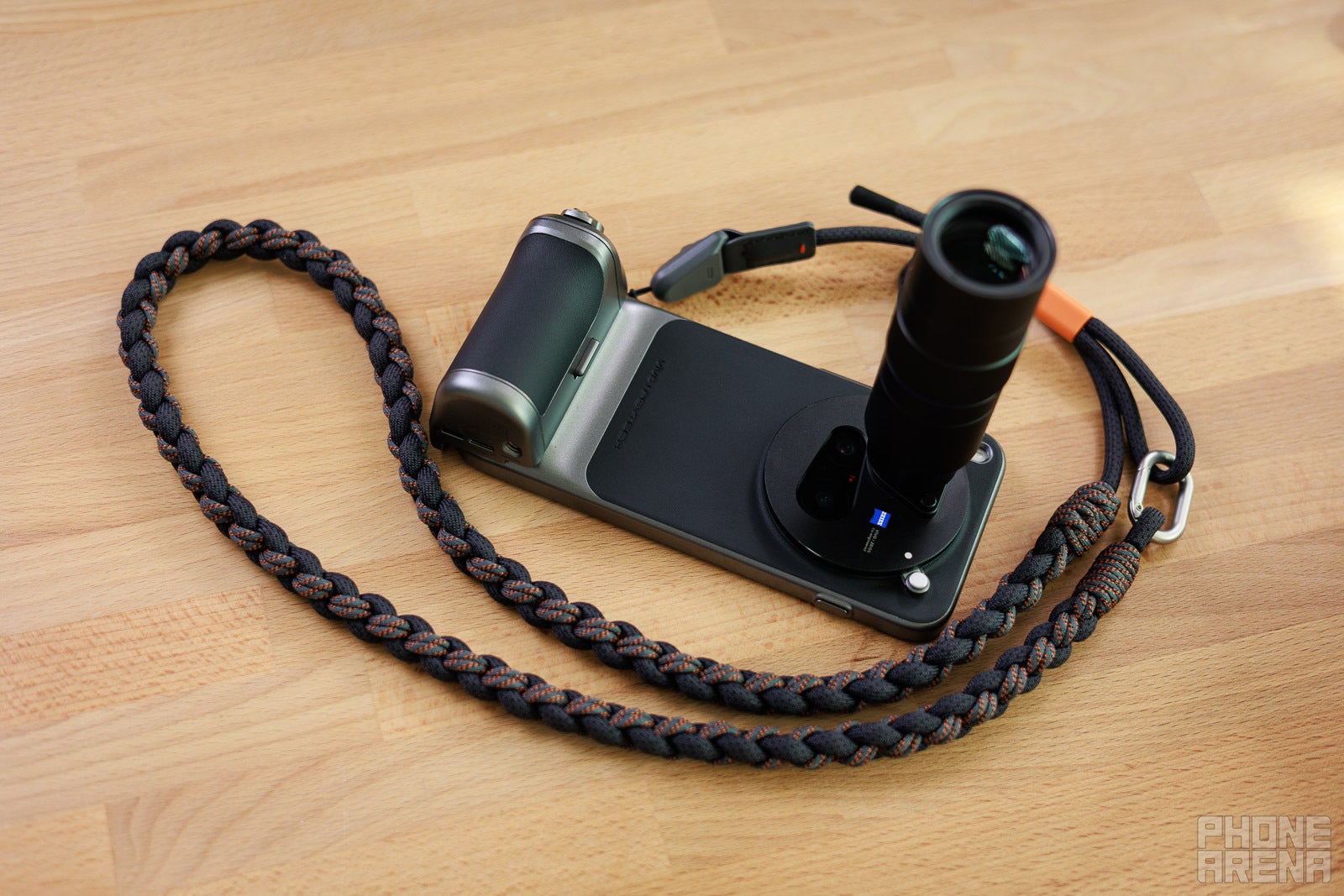
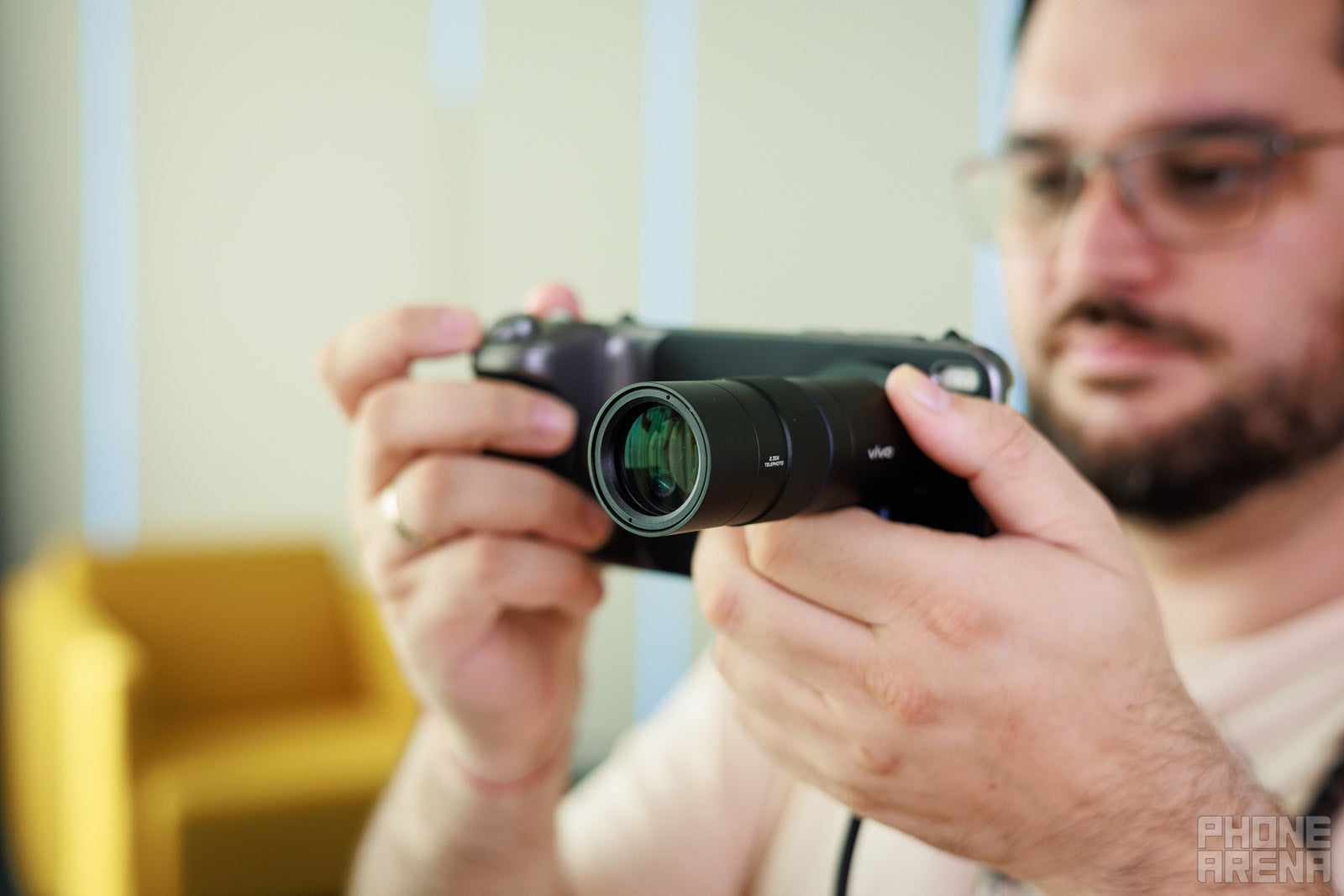
I particularly enjoy the Vivo X300 Pro’s Photography Kit because it comes with a case that attaches to a very tough lanyard. The case itself has the snap-on mechanism that facilitates the attachment of the external 200 mm lens.
Carrying it like this, fully kitted out, the phone does come with the “real camera” feel, warts and all. When you don’t need the 200 mm lens, you have to remove it; otherwise, it obstructs the view from the main 24 mm and 16 mm ultra-wide cameras.
Is it a phone? Is it a camera? It's super-geek! (Image credit - PhoneArena)
The benefit is that the lens is a thin tube that you can stick in a pocket, so it’s still easier to handle than an actual camera lens — these don’t usually fit in clothing.
But the entire ritual of placing / removing the protective caps, snapping the lens on in a hurry, all the while keeping an eye on the scene you are planning to photograph and hoping that nothing changes while you are setting up — that all feels surprisingly authentic.
What is the actual benefit of putting a Teleconverter / Telephoto Extender lens on a phone?
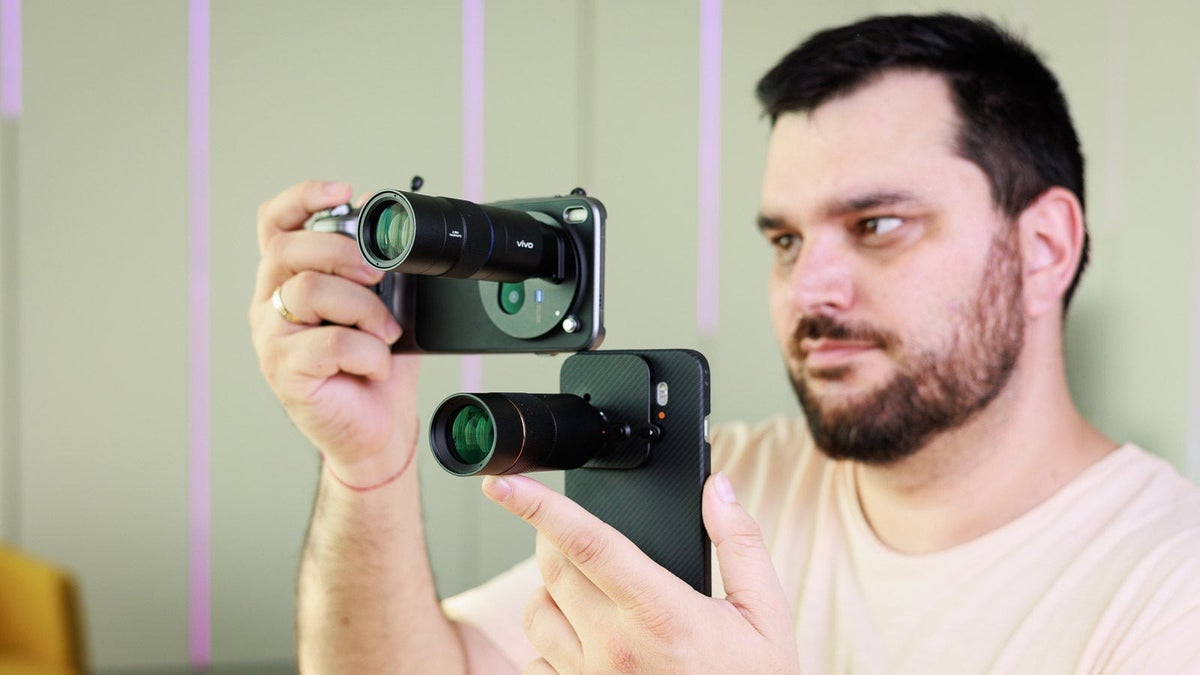
It's not just about the zoom. It's about the framing, the compression, the creamy bokeh (Image credit - PhoneArena)
So, these are long lenses and by default, they expand your zoom. The Oppo Teleconverter gives us an equivalent focal length of about 230 mm, the Vivo X300 Pro’s telephoto extender gives you 200 mm.
In smartphone lingo, these translate to roughly 9.5x and 8x zoom levels.
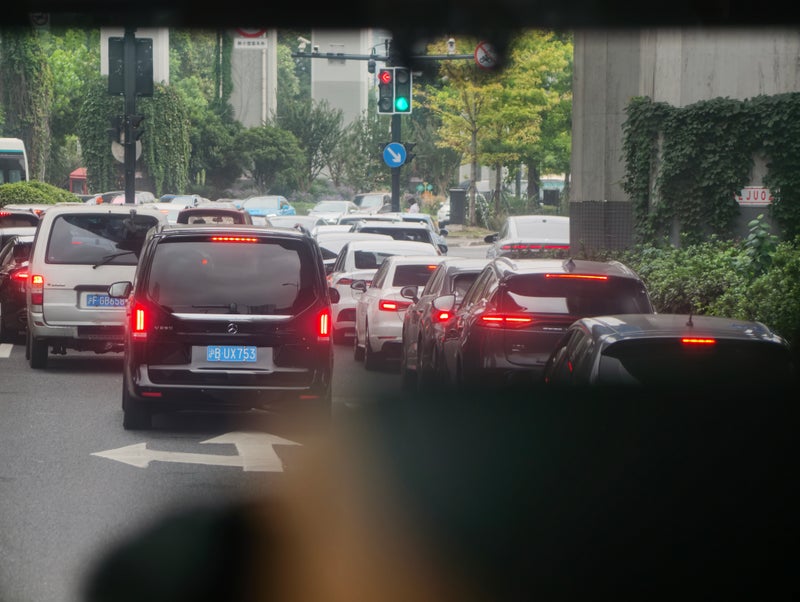
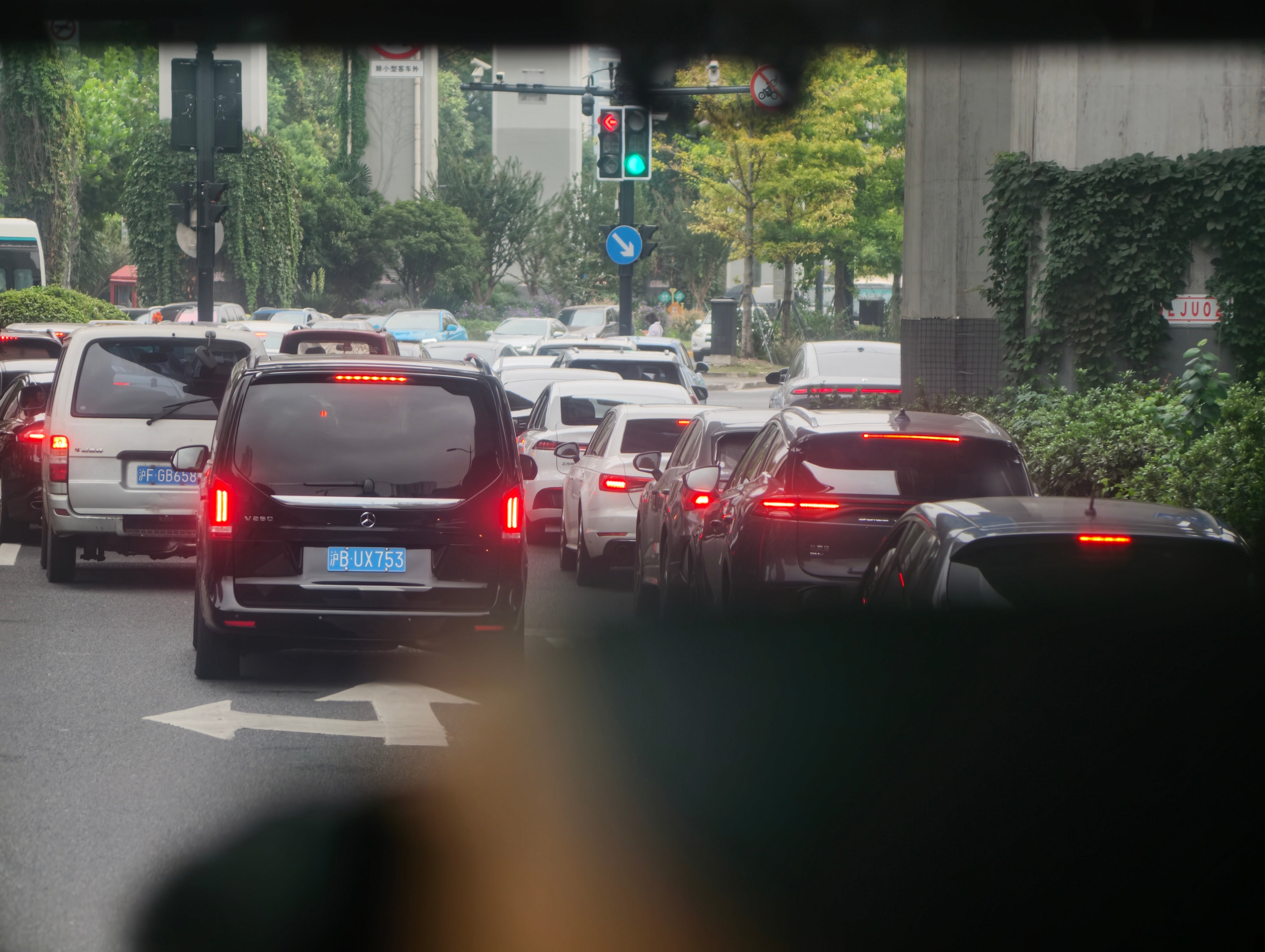
Their most obvious benefit is taking zoom-in photos with finer and more realistic detail, of course. I can’t speak for the Oppo directly, but my experience with the Vivo X300 Pro has taught me that when you put the lens on, the phone dials the AI retouching down a bit and gives you a more realistic photo.
< Digital zoomExtender ON >
I also love these lenses for portrait photography. Of course, not in every case, and you would be right to think “Who in their right mind would take a portrait at 8x zoom?”.
Well, you may have heard that imposing limitations on yourself inspire creativity and force you to do things that you would otherwise not consider. Having the teleconverter on and not feeling like constantly removing it and placing it back on (the clunky ritual), you start looking for options to use it as much as possible.
To be fair, it does help that I really like to take portraits closed-in and isolated. Some people that prefer the wide-angle portrait may disagree.
It also makes for great street photography, where the narrow view angle allows you to focus on the subject, add some feeling of nostalgia or mystique as you are telling the story.
Plus, if you are at a concert or a sporting event — sure, you can take great zoomed-in photos with your phone’s “naked” zoom and AI enhancement. But, when trying to record video, having the actual glass to magnify the image is still better!
Is this the future of smartphone photography?
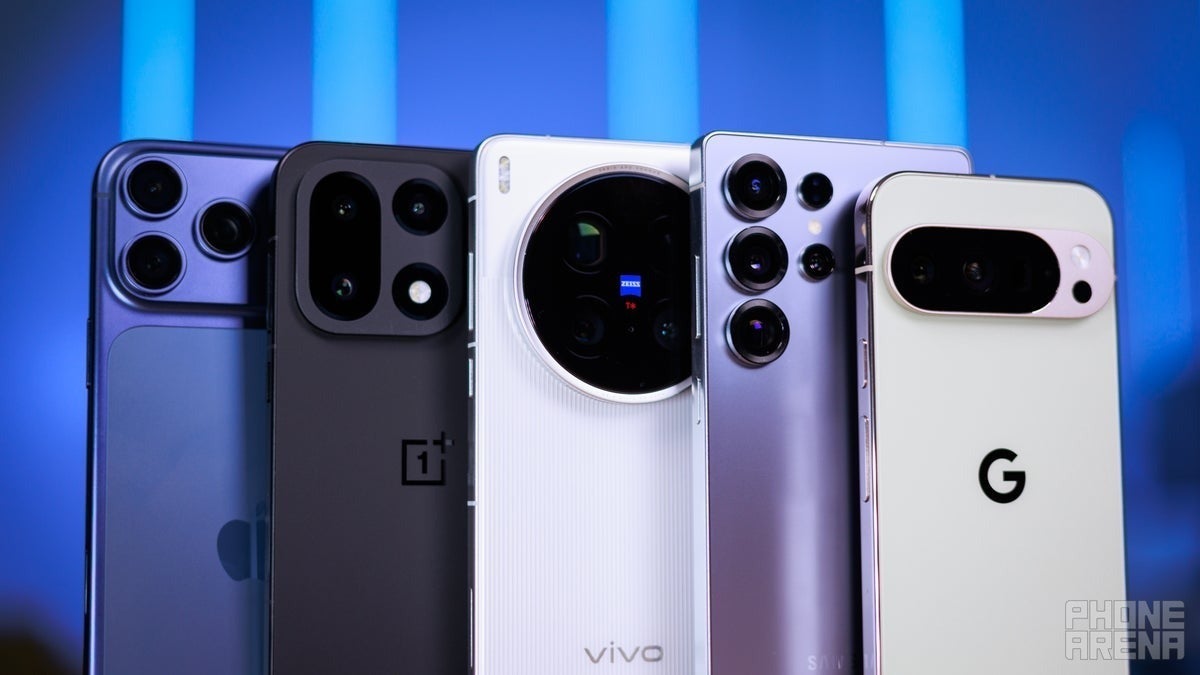
So many phones, so few of them care about Photography Kits (Image credit - PhoneArena)
While these kits are very fun to play with and will find their use by fans and enthusiasts, no — I do not believe that this is the future of smartphone cameras.
The future, when it comes to massive sales and popularity, lies in making products as simple, easy, and accessible as possible, in order to allow a wide range of people to use them effectively.
People that like to geek out over how swapping different lenses affects your scene, and how creamy the bokeh is, and so on and so forth… are not mass market.
Which is why Apple, Samsung, and Google will continue to work on computational photography. They will keep looking for ways to give you the best photo possible, with as small of a kit and thin of a phone as possible.
We may have reached a point in time where AI kind of “redraws” your photo, a point where taking a picture of the Moon means that the phone will dig in its database and superimpose a high-res image of the Moon in your final photo. As we are asking philosophical questions to the tune of “But what is a photo?”, the question that actually moves the needle is “What do most people care about?”.
Galaxy Z Fold 8: save up to $800
$1299
99
$2099
99
$800 off (38%)
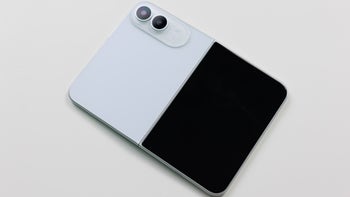
The Galaxy Z Fold 8 is Samsung's first-ever passport-style device, offering a unique approach to the foldable experience. Right now, you can get the device with a maximum trade-in discount of up to $800. Alternatively, you can get it with a $250 Samsung Instant Savings, no trade-in required.
Preslav, a member of the PhoneArena team since 2014, is a mobile technology enthusiast with a penchant for integrating tech into his hobbies and work. Whether it's writing articles on an iPad Pro, recording band rehearsals with multiple phones, or exploring the potential of mobile gaming through services like GeForce Now and Steam Link, Preslav's approach is hands-on and innovative. His balanced perspective allows him to appreciate both Android and iOS ecosystems, focusing on performance, camera quality, and user experience over brand loyalty.
A discussion is a place, where people can voice their opinion, no matter if it
is positive, neutral or negative. However, when posting, one must stay true to the topic, and not just share some
random thoughts, which are not directly related to the matter.
Things that are NOT allowed:
Off-topic talk - you must stick to the subject of discussion
Offensive, hate speech - if you want to say something, say it politely
Spam/Advertisements - these posts are deleted
Multiple accounts - one person can have only one account
Impersonations and offensive nicknames - these accounts get banned
To help keep our community safe and free from spam, we apply temporary limits to newly created accounts:
New accounts created within the last 24 hours may experience restrictions on how frequently they can
post or comment.
These limits are in place as a precaution and will automatically lift.
Moderation is done by humans. We try to be as objective as possible and moderate with zero bias. If you think a
post should be moderated - please, report it.
Have a question about the rules or why you have been moderated/limited/banned? Please,
contact us.











Things that are NOT allowed:
To help keep our community safe and free from spam, we apply temporary limits to newly created accounts: