Editorials · Reviewer Insight
The Android identity crisis: Why do my favorite flagships keep copying iOS?
"Be Together, Not The Same", whatever happened there?

This article may contain personal views and opinion from the author.
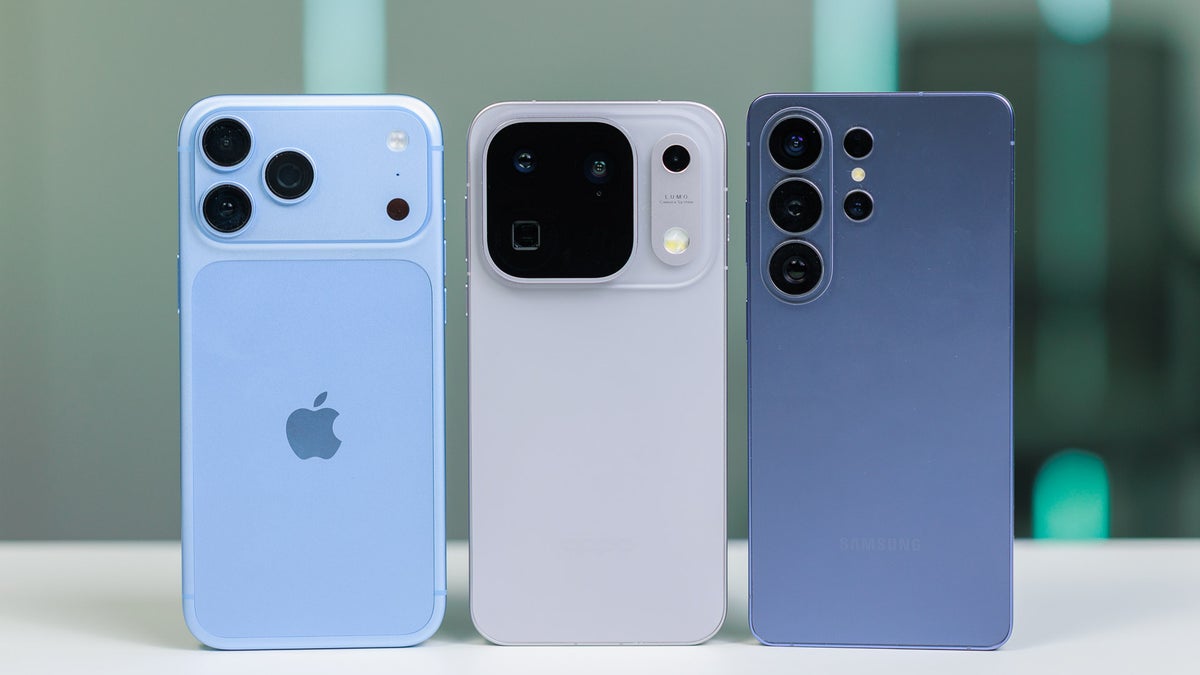
We need to address the elephant in the software room. | Image by PhoneArena
You've surely heard of AI slop, but have you heard of "iOS slop"?
Probably not, but if you've stuck around in the Android bubble long enough, you've definitely seen your fair share of iOS slop over the years. It's the unapologetic copying and aping of the iOS interface by Android phone makers to the point where they lose all brand identity they had in the first place.
And, almost always, responsible for these interfaces are the big four China-based manufacturers: Huawei, Xiaomi, Oppo, and Vivo. Phone makers that excel in hardware but still leave something to be desired in terms of software aesthetics and appearance.
Recently, with Android 17 starting to arrive on the large swaths of Android phones from these key manufacturers, the visual gap between them and Apple's latest iOS releases has practically vanished. I don't like that all, never have, and never will, but these days Liquid Glass and iOS are being practically forced onto me if I want to experience the best hardware in the Android space.
What is happening with Android?
Take a look at these four screenshots, three from Android flagships (Oppo Find X10 Pro Max, Vivo X500 Pro Max, Honor Magic 8 Pro) and one from an iPhone.
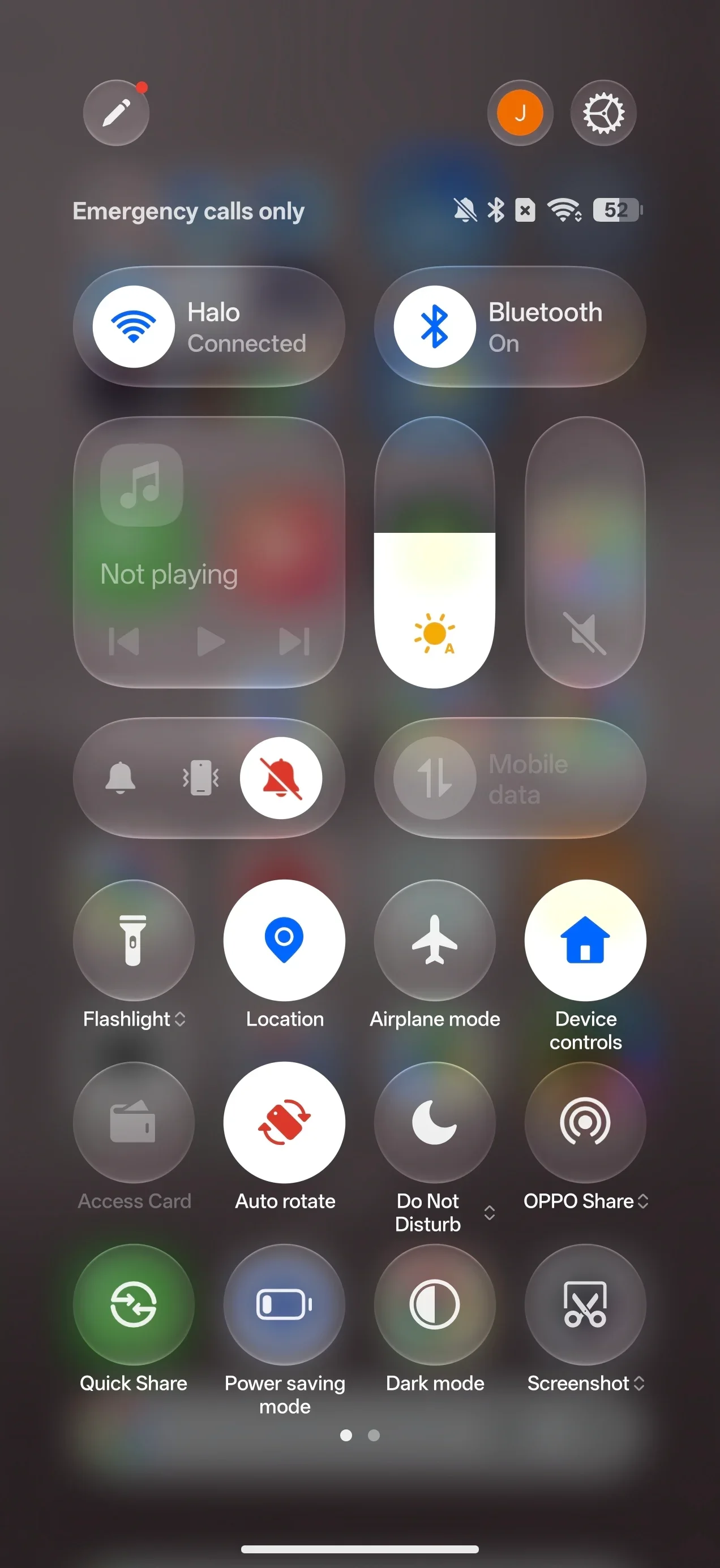
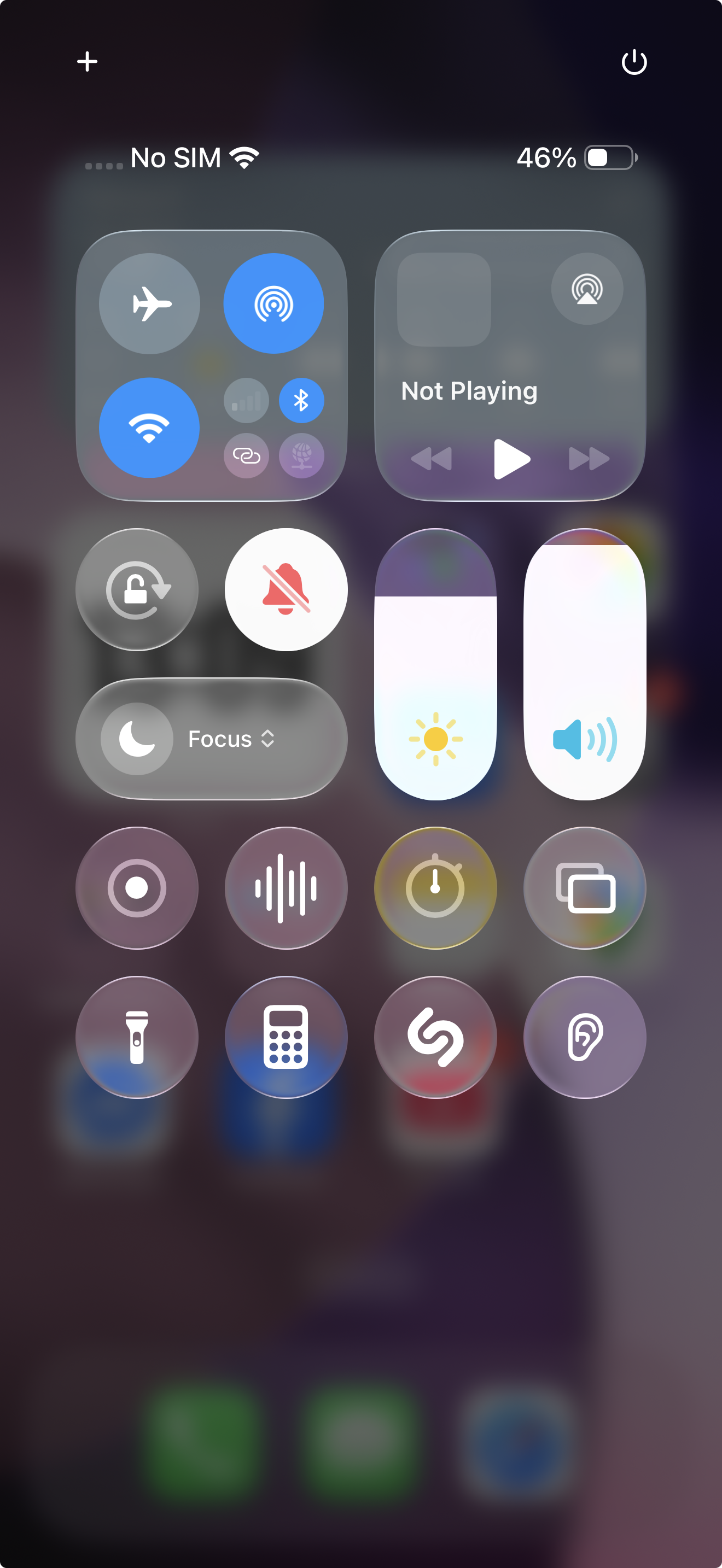
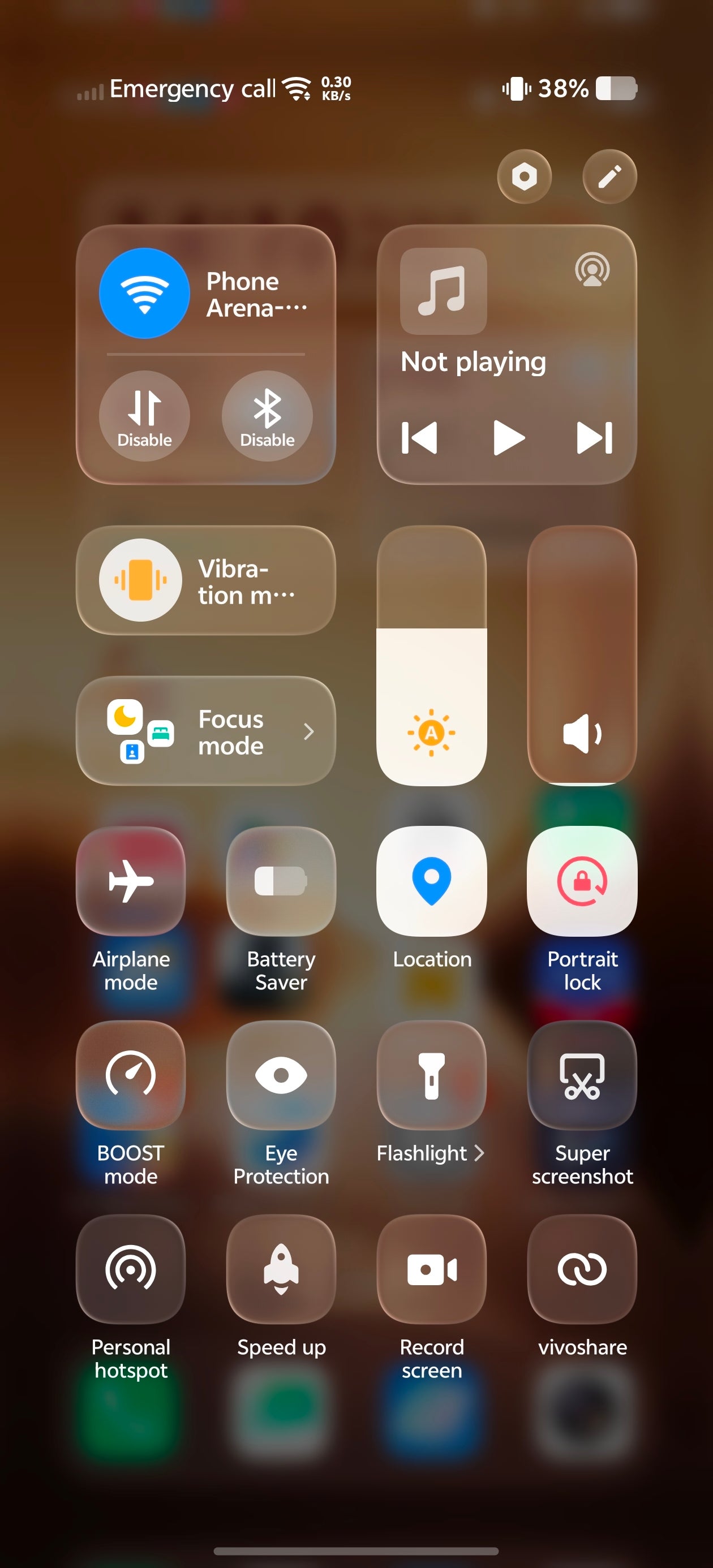
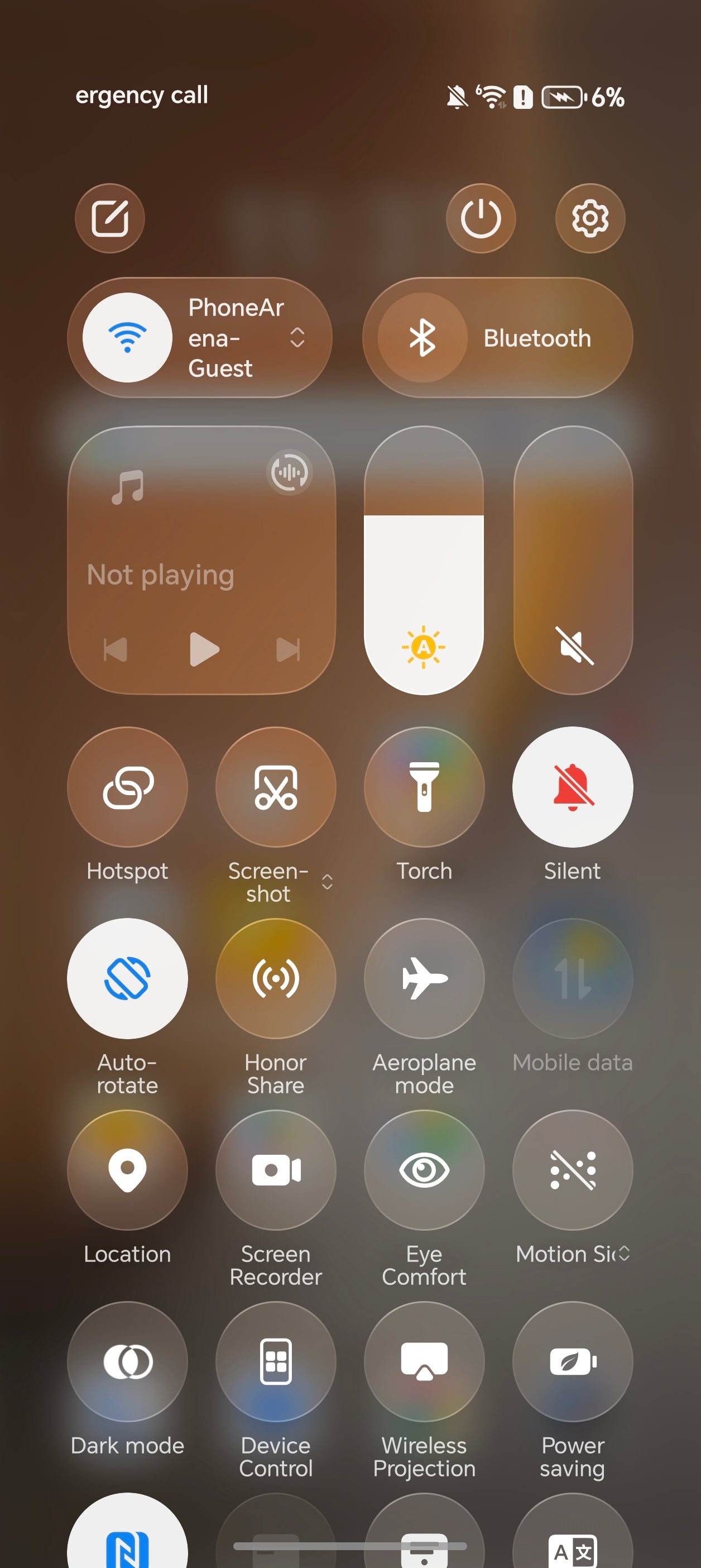
An iOS screenshot hiding between a horde of Android lookalikes. | Images by PhoneArena"  
Notice an overarching theme here?
Yep, it's all a hodgepodge of Liquid Glass and similar layouts that look almost the same. Now, to the trained eye, spotting the iPhone one is easy thanks to those little tiny iOS giveaways, but squint a bit, and all four screenshots will look identical.
All four control centers have the same transparent glass-like effect, the same sliders, the same icons, and the same widgets.
Now take a look at these two screenshots.
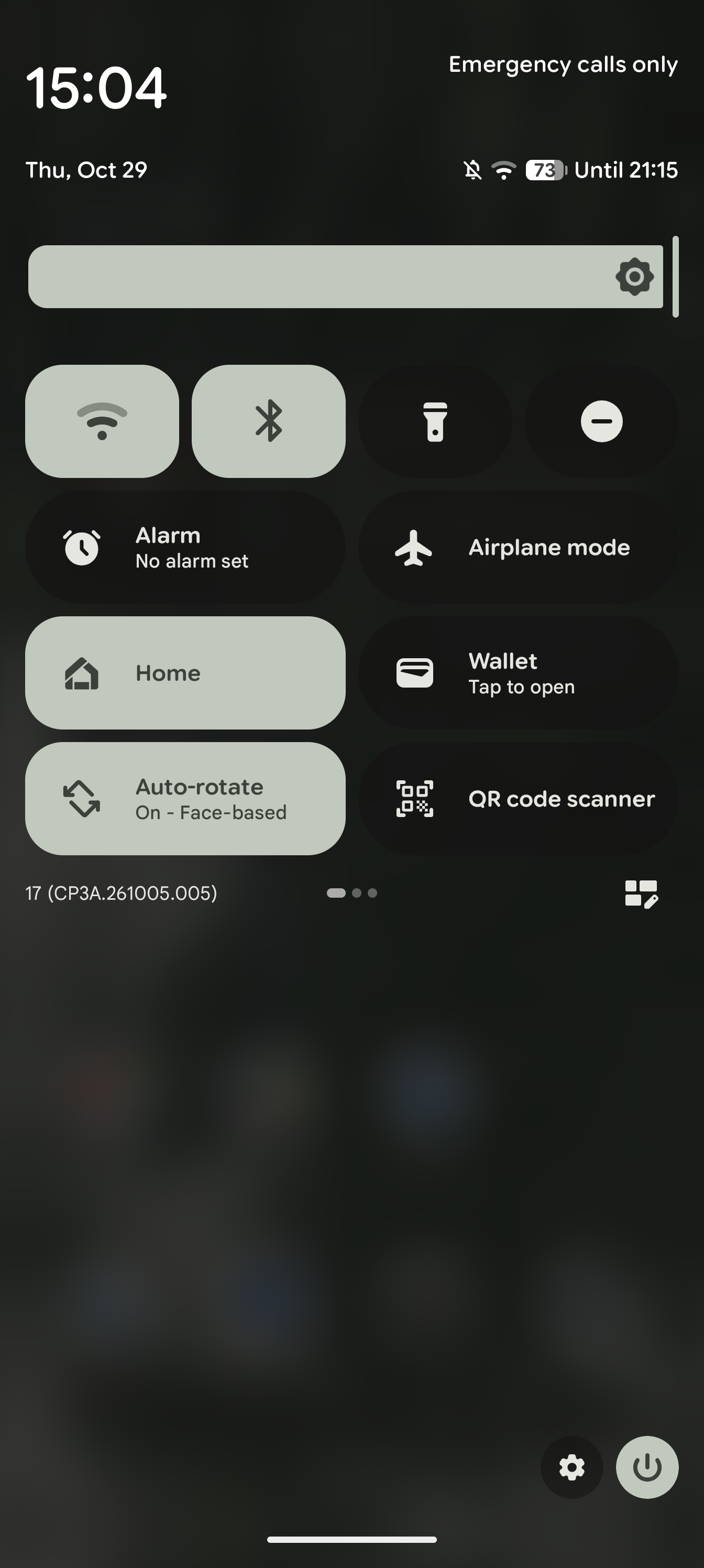
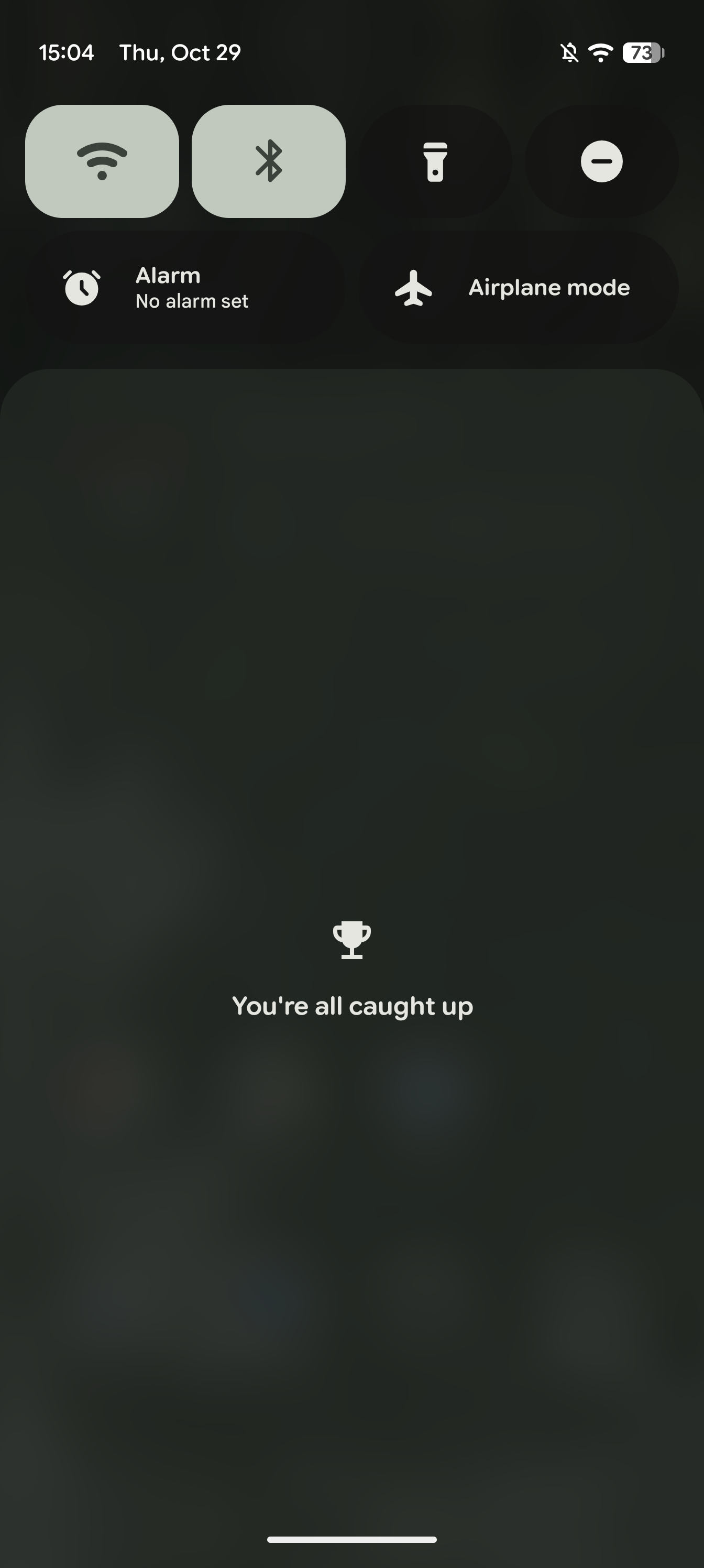
That's stock Android on the latest Pixel. That's the blueprint for what Android should strive to look like, but it's obvious that it is the outlier here.
That's just the Control Center/Quick Panels; there are multiple other ways in which these same Android makers copy iOS, starting from the general looks of the interface to the features. And ironically, Oppo's Color OS, Vivo's Origin OS, and their local peers lauded improved visuals when they announced their respective Android 17 updates, but don't let that fool you—each of these is pretty much your standard Liquid Glass copy.
I'm tired of Android's convergent evolution towards iOS
Frankly, I'm tired of certain Android phone makers' obsession with iOS.
Take the Oppo Find X10 Pro Max as the perfect example. I had it in for a review for a little over a month, and it's very close to the perfect Android phone in terms of hardware and especially its impressive camera system.
But the software? Color OS 17 obscures the exceptional hardware with an otherwise mature and super-fast software that is unapologetically and overly indebted to iOS. Sure, Oppo has introduced a setting that lets you diminish the intensity of the blurred frosted glass design, but it changes little. The same points apply to Vivo as well.
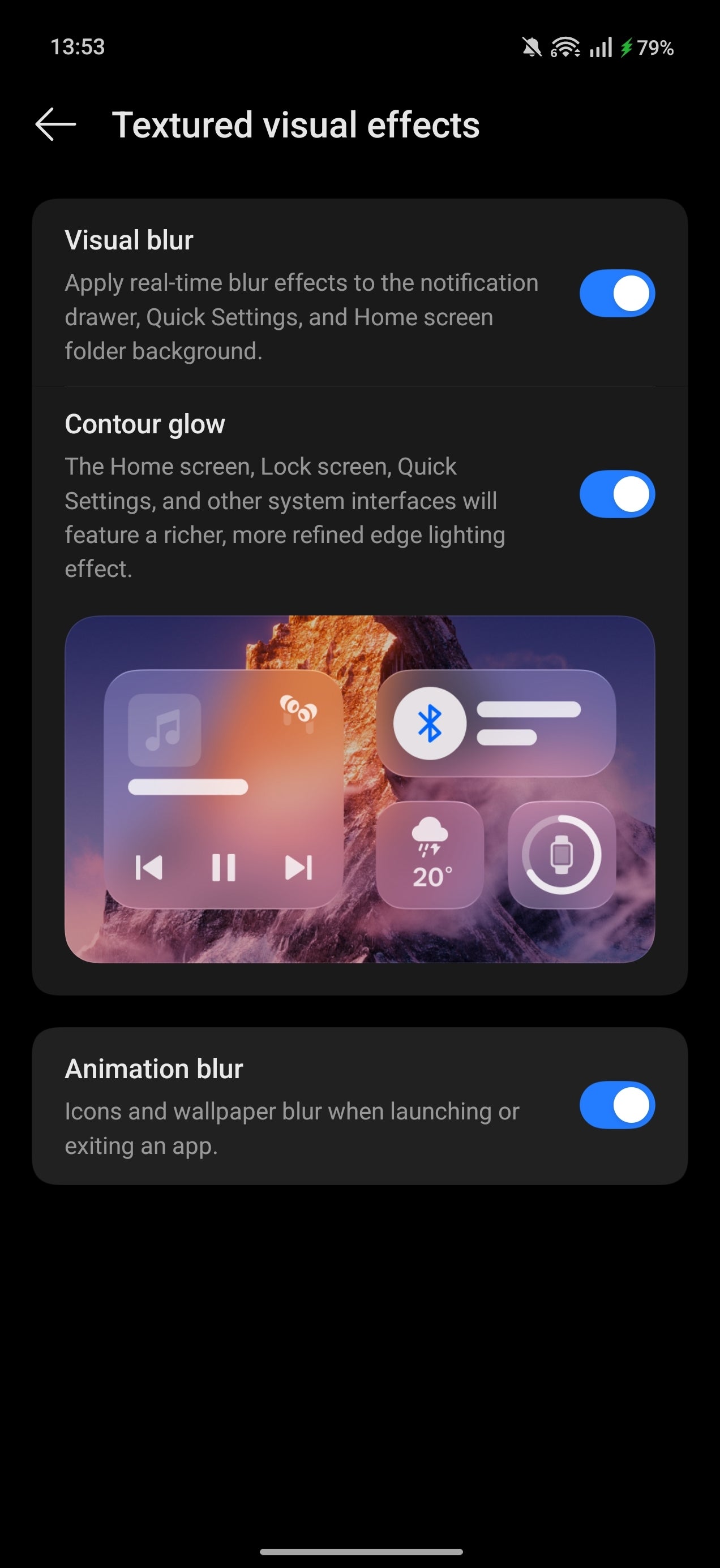
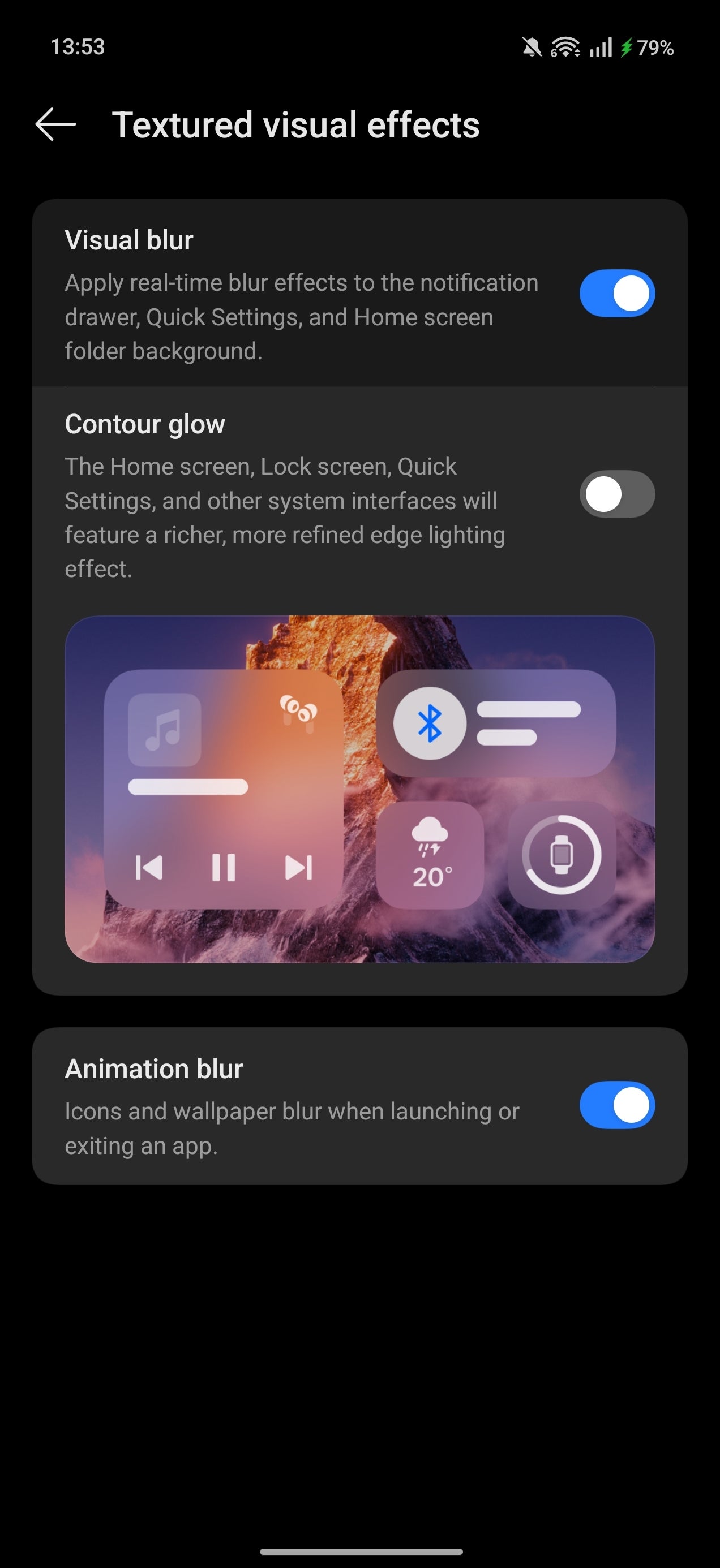
And here's the part that irks me the most.
Color OS 17 is full of useful features and has some of the smoothest animations I've experienced, showing that Oppo definitely has the know-how on how to make an exceptional interface.
In my opinion, there was no need to lean so heavily into the Liquid Glass and frosted glass blur visuals, as well as those rounded squircle toggles everywhere. A more unique approach would have done wonders here, and I would have loved to see Oppo go into another design direction, not necessarily one that brings Cupertino's design language on an Android phone.
Android is copying Apple's most divisive iOS redesign
The fact that Android manufacturers are deliberately shying away from the clean looks of the Pixel is a bit sad, if you ask me. It doesn't speak well for the health of the platform when pretty much every major partner (with still a notable exception—Samsung) goes to great lengths to emulate the looks of your biggest rival in the mobile software space.
We have reached a point where the median Android interface looks more like an iPhone than a Pixel, the blueprint for the platform, and to me, that's not okay. I admit Material 3 Expressive has some kinks to iron out, but it absolutely feels a better fit for an Android phone.
While I am still underwhelmed by the hardware package that the Pixel provides as a whole, the stock Android interface is subjectively the cleanest and most streamlined one. Sadly, Google's phone market share isn't as big as the company or the fans of the Pixel brand would want, so emulating stock Android doesn't have the same sway.
Pixel hardware simply lacks the same consumer pull factor as the iPhone.
The cultural reasons behind Android's identity crisis
China is obsessed with the iPhone.
Aside from being neck-and-neck with local superpower Huawei in terms of domestic sales, Apple is passively enjoying its cult status by being copied in every aspect by its Chinese rivals. That's because local consumers apparently perceive iOS as the ultimate in interface luxury, and as a result, local phone makers adapt accordingly.
By doing this, they surely hope to appeal to both Apple consumers who might be willing to switch and would love a familiar interface and those Android users who want to use the trending Liquid Glass styling.
Of course, with Apple showing no obvious signs of stopping to manufacture iPhones or develop iOS further, it doesn't seem Android's influential players based in China will stop paying homage to iOS, Liquid Glass, and the ubiquitous iPhone itself.

Popular stories

Latest News
Things that are NOT allowed:
To help keep our community safe and free from spam, we apply temporary limits to newly created accounts: