Apple iPhone 6 vs Sony Xperia Z3 Compact
Introduction
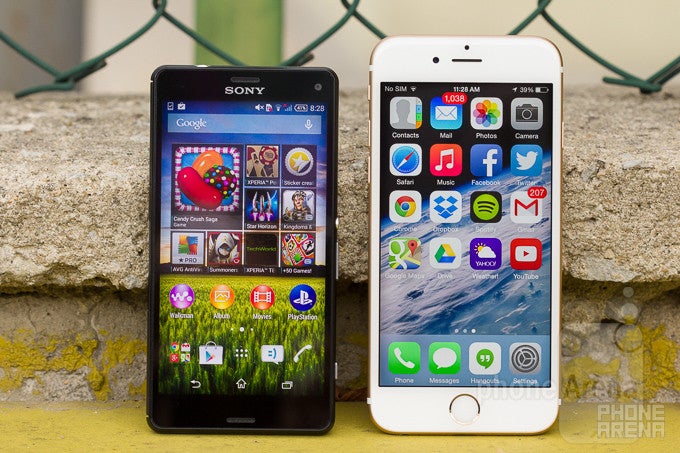
The Sony Xperia Z3 Compact is a handset that takes its petite dimensions seriously - despite having a relatively small 4.6-inch display, it packs some of Android’s latest and most powerful silicon. Coincidentally, it’s smaller than most Android flagships in size, and that puts it in direct competition with another top-shelf device - Apple’s 4.7-inch iPhone 6.
Despite being somewhat similar in size, the two are vastly different on the inside: the Z3 Compact coming with Android 4.4 KitKat, while the iPhone 6 running iOS 8. Then, come the hardware differences: Qualcomm’s quad-core Snapdragon 801 versus Apple’s A8, the 20-megapixel camera on the Z3 Compact versus the 8-megapixel shooter on the iPhone 6, and the list goes on and on.
Design
Both are very good looking phones: the Z3 Compact with its body sandwiched between two pieces of glass and surrounded with translucent plastic, while the iPhone 6 features an even more premium feeling metal...
Sony and Apple are two companies that have long stood out with their impressive and innovative designs. The Z3 Compact and iPhone 6 fit right in that tradition.
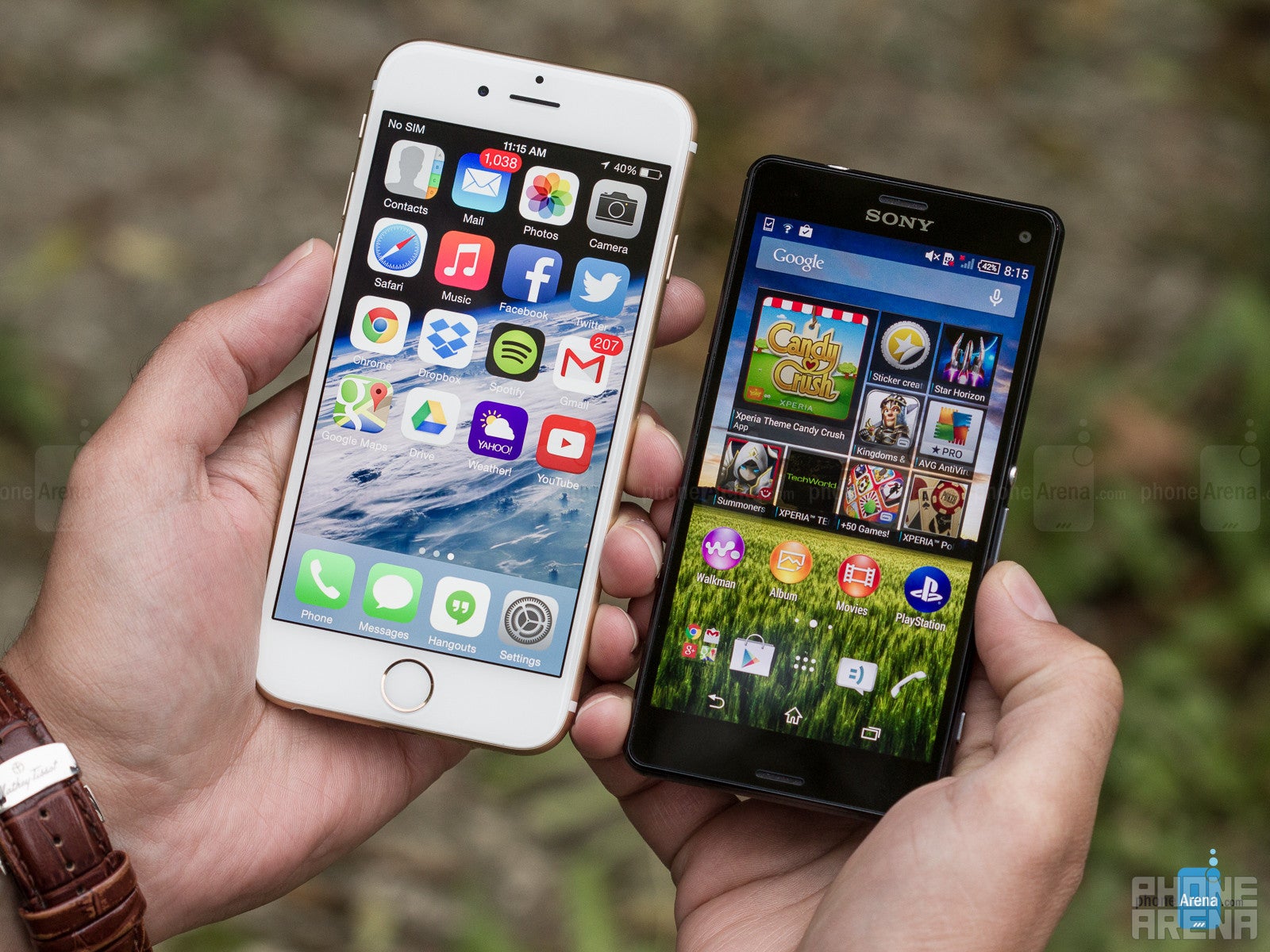
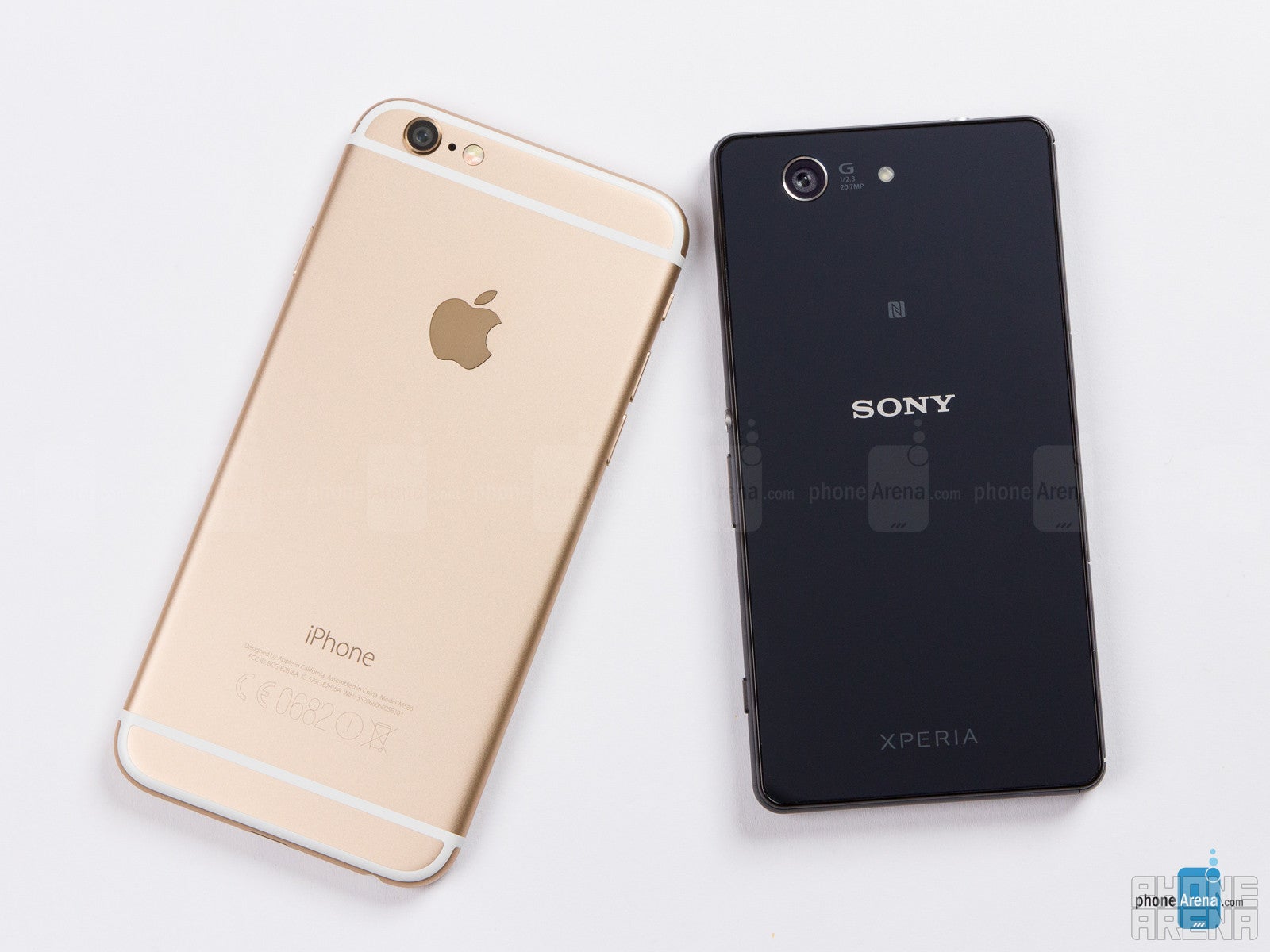
The Z3 Compact builds on the legacy of last year’s Z1 Compact, but ups the ante when it comes to materials - its internals are sandwiched between two pieces of glass (rather than plastic), and encircled with translucent plastic that contributes to the phone’s character. It’s also practical - each of the four edges of the phone has an additional patch of plastic that is there for better protection in case the phone falls to the ground. The iPhone 6, on its part, is made of good old ‘aluminium’ that gives the phone a very sturdy, yet premium feel.
Display
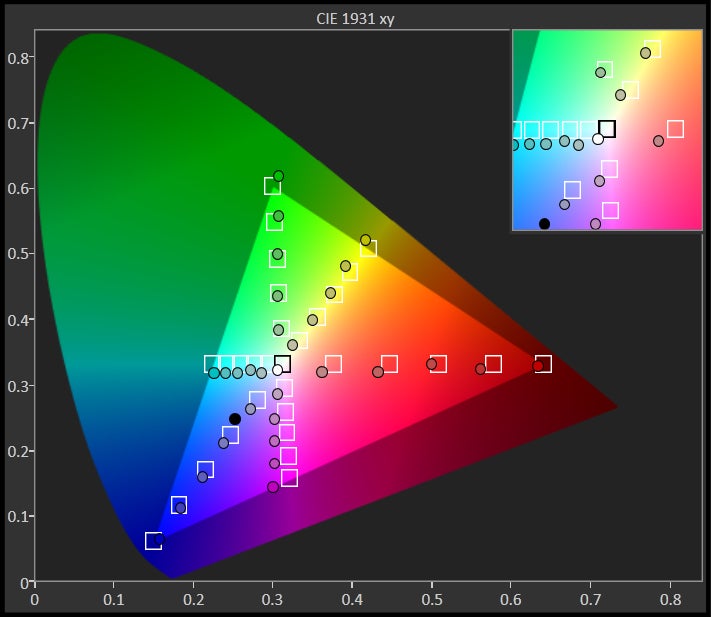
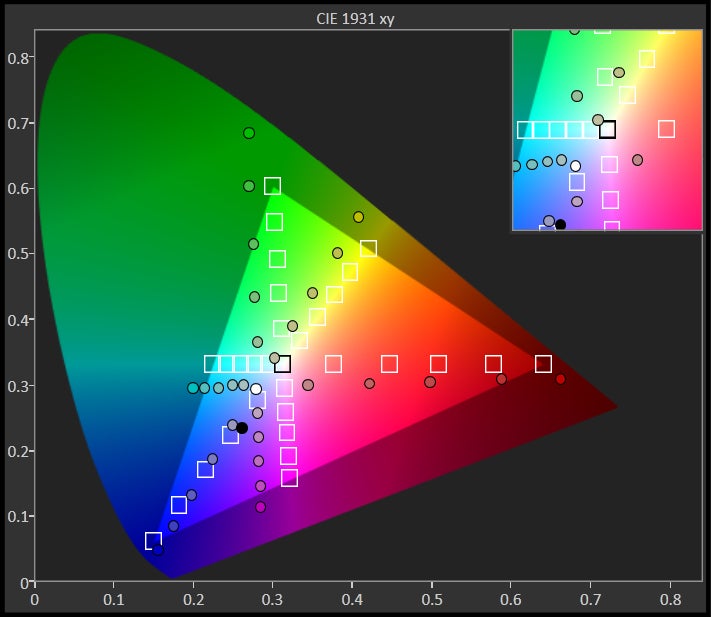
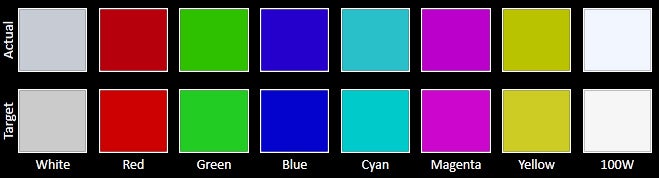
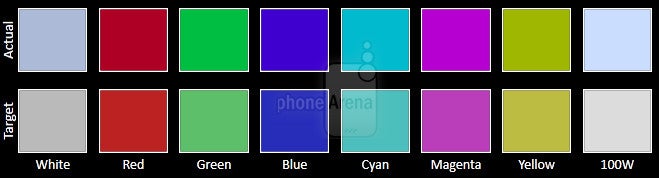
The Z3 Compact comes with a 4.6” 720p display with noticeably bluish colors, while the iPhone 6's 4.7” display with a resolution of 750 x 1334 is very well calibrated...
The Sony Xperia Z3 Compact features a 4.6-inch IPS LCD display with a resolution of 720 x 1280 pixels, while the Apple iPhone 6 sports a slightly larger, 4.7-inch screen of a similar IPS LCD kind, and a resolution of 750 x 1334 pixels. Both are nearly equally sharp - pixel density comes in at 319ppi on the Z3 Compact, while the one on the iPhone 6 stands at 326ppi. Both those scores are below the standards for sharpness set by other flagships, and you can see some slight pixelization (especially in tiny text) if you look at the displays up close.
For outdoor viewing, the iPhone 6 has also got the upper hand as its brightness shoots up to a peak of 606 nits, way above the 436 peak of the Z3 Compact. The iPhone is definitely the easier of the two to read outdoors on a bright sunny day.


Interface and Functionality
The Z3 Compact comes with Android 4.4 KitKat and Sony's custom UI on top is clean of clutter and zippy, while the iPhone with iOS 8 retains its looks and simplicity of use...
The Sony Xperia Z3 Compact with its Android 4.4 KitKat on board and the Apple iPhone 6 with iOS 8 are members of two very different, competing platforms. You can tell the difference in the looks right away.
UI of the Sony Xperia Z3 Compact
Apple’s iOS, on the other hand, has traditionally had user-friendliness as its forte. iOS 8 stands firmly in this route, with icons and style that have not changed much from iOS 7, but functionality does improve with a couple of nice additions. First, you have the much talked about widgets arrive in the Notification Center on iOS 8, then Apple adds actionable notifications (so you can for instance reply to messages straight from the notification), and a new Health app that aggregates data from your phone and other fitness bands and health accessories. There is also the new handoff feature that makes for a seamless experience between phone, tablet, and traditional computer (all in Apple’s ecosystem, though).
The iOS 8 UI of the Apple iPhone 6
The fingerprint scanner is a neat functionality that Apple has expanded to now work with Apple Pay (via NFC). Google’s ecosystem has Wallet (which also works via NFC), but it’s not as rich and wide-spread as Apple Pay, and the Z3 Compact in particular lacks a fingerprint scanner for security.
Basic functionality is equally well covered on both: the phone apps on both are quick to open and have simple, utilitarian looks. Messaging is a similar straightforward experience, and with the addition of custom keyboards on iOS, Android and iOS are now on par. iOS 8 does add a few features that the Z3 Compact does not have like instantly sending videos and images, as well as sharing your location continuously via messages.
Processor and Memory
The Apple A8 on the iPhone 6 is a very powerful chip and it outperforms the Z3 Compact's Snapdragon 801...
The iPhone 6 comes with the latest of Apple silicon, the A8 chip. The Xperia Z3 Compact, on the other hand, uses Qualcomm’s Snapdragon 801 system-on-a-chip.
In daily usage, both deliver a fairly smooth experience, but while you can still notice that ever-present slight stutter on Android, iOS manages to feel a bit more fluid with its animations and uninterrupted, lag-free performance.
Looking at pure specifications, the Apple A8 comes with a dual-core Cyclone version 2.0 processor clocked at up to 1.4GHz, while the Z3 Compact’s quad-core Krait 450 setup runs at up to 2.5GHz. The iPhone 6 also features 1GB of RAM (which is a bit limiting for multitasking), while the Z3 Compact sports 2 gigs of RAM.
Benchmarks show that the iPhone 6 has a clear advantage over the Z3 Compact when it comes to CPU performance. Most notably, its single-core performance is nearly double that of the Sony handset. In terms of graphics, the iPhone 6’s PowerVR GX6450 has only a slight advantage over the Adreno 330 GPU in Z3 Compact. In fact, gaming is the biggest benefactor from the comparatively low resolutions on both devices, as the load on the processors is not as intensive, and even most demanding games run at their best, with smooth framerates.
Internet and Connectivity
The Sony Xperia Z3 Compact comes with Google’s mobile Chrome as the default browser, and it’s a quick and efficient solution, with a card-based interface that is tailor made for touchscreen mobile devices. The iPhone 6, on the other hand, comes with Apple’s Mobile Safari, a quick browser that makes full use of gestures for comfortable navigation - swipe right from the left edge to go back a page, or the other way around to go forward. In terms of surfing speeds, both browsers and handsets perform very well, but the iPhone 6 has the upper hand in both quickness, as well as scrolling and zooming around.
Web browsers
In terms of connectivity, Apple has jam-packed the iPhone 6 with 4G LTE bands, so you can use the device easily internationally, and LTE speeds on it reach up to 150Mbps for downloads. The Z3 Compact also supports 4G LTE with identical speeds (both have Category 4 LTE modem). Other connectivity options include Bluetooth 4.0, dual-channel Wi-Fi, GPS, and NFC on both. It’s worth noting that NFC on the iPhone 6 is limited to Apple Pay, and you cannot use it for say, faster pairing of accessories like you can on Android.
Camera
The Z3 Compact's 20-megapixel camera captures good, but not great images, as it sometimes misjudges colors and can be a bit too slow, while the iPhone 6's 8-megapixel shooter is consistently great and fast...
The Sony Xperia Z3 Compact features a 20-megapixel rear camera with a single LED flash, while Apple’s iPhone 6 comes with an 8-megapixel main shooter with dual LED flash (both handsets lack optical stabilization).
The camera app experience is often times crucial for getting a shot right. In Sony’s case, it is a bit too complex. You have the Superior Auto mode that shoots 8-megapixel images that are made by pixel processing the original 20-megapixel output from the camera, and that’s pretty straightforward. However, all settings outside of that are confusingly spread in non-intuitive places in the app - for instance, trying to do a simple thing like manually shoot an HDR image requires you to change into manual mode (where by default you shoot in 20MP) and switch to 8-megapixel resolution. Camera speed is also not among the Z3 Compact’s strengths. The iPhone 6 on the other hand has a very simple yet capable camera app. It loads up very fast and is also very snappy to capture images. The new finger slide to adjust exposure option is also a very nice and intuitive addition.
Camera interface of the Apple iPhone 6
Camera interface of the Sony Xperia Z3 Compact
When it comes to image quality, the Z3 Compact captures very good images with sufficient detail and lively color, but occasionally the camera misjudges white balance, producing images with a weird color cast. The iPhone 6, on the other hand, is among the very best cameras out there that stands out with consistently good pictures in various conditions - images on it turn out with pleasingly vibrant colors (there is a very slight warm tone to some images), great dynamics and good detail.
Indoors, in lower-lit scenes, the iPhone 6 has an even larger lead as it is capable of capturing sharper images with less noise, and still preserve pleasing colors. The Z3 Compact, on the other hand, captures noisier images with a bit muted colors. The dual-tone LED flash on the iPhone 6 does a good job with lighting up a scene amply, and it also flashes with light adjusted to the scene, so you have virtually no of the typical blue cast of flash light. The Z3 Compact also features a decently powerful flash, and while there is a very slight, colder, tone, flash performance is among the better ones we've seen.
Sample images
Sample Videos
Multimedia
Sony's own media apps look great and add some nice functionality, but the iPhone 6's stock apps also do the job well, and the iPhone has the much better sounding speaker...
Both devices do a good job when it comes to media consumption. Sony in particular has a suite of media apps that look great and offer rich functionality. Sony’s Album app is a nice gallery replacement that supports pinching to zoom in and out in, and you have some basic photo editing options bundled in as well. The iPhone 6, on its part, uses the simpler looking, but still very functional gallery application, and with iOS 8, you have some of the best in-gallery image editing options allowing you to quickly do some image fixing (lighting up an image, lens correction for crooked lines, etc).
For music, Sony brings its Walkman app that categorizes your tunes by albums, artists, songs, and so on, plus it allows you to view your songs per folder. It also has an equalizer to tweak the sound and some new and notable features include support for the Digital Sound Enhancement Engine (DSEE) HX codec. This codec allows you to play compatible files at close to high-resolution audio quality. The iPhone 6 with iTunes and the stock Music app also does well with organizing your music, plus it has some of the best amplifiers on mobile.
Music players
When it comes to speakers, Sony has dual, front-firing, stereo speakers, but - contrary to expectations - they come with a bit muffled sound (likely because of the waterproofing), lacking clarity and depth. The iPhone 6’s single speaker on the bottom of the phone is a bit louder, but most importantly, produces cleaner, more pleasing sound.
Sony’s video player plays back clips with a bit of extra flare as you get to see a short sequence of every video as a live thumbnail, so you get an idea about its contents. The iPhone 6 video player does not have such intricacies, but does the job just as well.
Call Quality
The iPhone 6, on the other hand, is a great performer in terms of call quality: it can get very loud for noisier environments, and sound on both ends of the line is pleasingly clear.
A nice extra the iPhone 6 has is support for Wi-Fi calling, a carrier-dependent feature (currently, sadly, only working on T-Mobile) that improves call quality vastly.
Battery
When it comes to battery, we have some surprises in these otherwise smaller than most flagships devices.
The iPhone 6, on the other hand, features an 1810mAh battery and that does not look very promising. Unfortunately, that’s what our own battery test confirms: the iPhone 6 managed to score a decidedly mediocre 5 hours and 22 minutes, nearly half the score of the Z3 Compact. With the iPhone 6 under heavier use, you might find yourselves going for the charger even before the day has ended, and even average use does not give you more than a full day. We should also note that neither the Sony handset, nor the Apple one come with user-replaceable battery.
Sony has also joined the ultra power saving mode Android trend, with Ultra STAMINA on the Z3 Compact, and it’s a welcome addition. In this mode, the phone turns black and white, kills all but essential processes, and caps processor clock speed, to squeeze the most out of the battery. Yes, it does turn your phone in somewhat of a feature phone while in Ultra STAMINA, but keeps it alive if you’re waiting for an important call or message, and don’t have access to a charge. The iPhone 6 does not have such an option.
Conclusion
The Sony Xperia Z3 Compact and the Apple iPhone 6 are two of the best smartphones for people looking for a reasonably sized mobile sidekick.The Sony Xperia Z3 Compact has little competition in the Android market where most flagships are larger, but when comparing it to the iPhone 6, it goes short of breath in a couple of areas.
The iPhone 6 for instance is the more powerful device, as the Apple A8 outperforms the Snapdragon 801. The Apple smartphone also captures the better images, and still feels a bit more premium.
The Z3 Compact, on its part, has its forte in the remarkably long-lasting battery that can go for a full 2 days even with more intense use. That's quite the achievement, and the contrast with the rather mediocre iPhone 6 battery is definitely noticeable.
Those differences seem to even out when you consider price - the Z3 Compact is the more affordable one, selling at an off-contract price of around $500, while the iPhone 6 starts at $650. Now that you know about the pros and cons of each, just make the choice that would better fit your usage.


Popular stories
![Verizon denies SpaceX is buying it [UPDATED]](https://m-cdn.phonearena.com/images/article/182254-wide-two_350/Verizon-denies-SpaceX-is-buying-it-UPDATED.webp)
![T-Mobile continues to experience major network issues across the nation [UPDATED]](https://m-cdn.phonearena.com/images/article/182238-wide-two_350/T-Mobile-continues-to-experience-major-network-issues-across-the-nation-UPDATED.webp)
Latest News

Things that are NOT allowed:
To help keep our community safe and free from spam, we apply temporary limits to newly created accounts: