Save for cheeky time travelers or crystal ball owners—who don't exist anyway—I bet there isn't a single 2019 soul that would predict the 2026 reality of the mobile industry. Sharp inflation (in price tags), dull stagflation (in hardware terms) and even degradation now reign supreme.
Thanks to the insatiable demand for RAM and other chip components by AI companies and data centers, we, the everyday smartphone enjoyers, are still searching for that glorious tech future we were hoping for some ten years ago.
Sure, phones have enjoyed mind-boggling technological breakthroughs lately in terms of camera performance, for example; and some brands toy with 10,000 mAh+ capacity batteries… and displays these days are simply amazing. Yet, the biggest players out there (like Samsung and Apple) somehow don't feel like innovating too boldly. It seems they're afraid of the tech moshpit and see no point in swinging their imaginations… as long as we keep buying their products.
The eternal debate will always have the eagerless fans on one side ("This brand is too lazy! What a bummer!") and the zen-like people on the other ("Phones are great as they are. We're getting ahead, just slower and it's not a problem!")... but how to defend the prospect of having newer phones with older tech on board?
Recommended For You
While much can be said about the phone industry's plateauing, nobody expected downgrading, right?
We already saw how 2026 flagship phones arrived with less RAM than their 2025 and 2024 counterparts.
But what's rumored to happen to Samsung in the months to come is something else.
Old hardware for… the win?
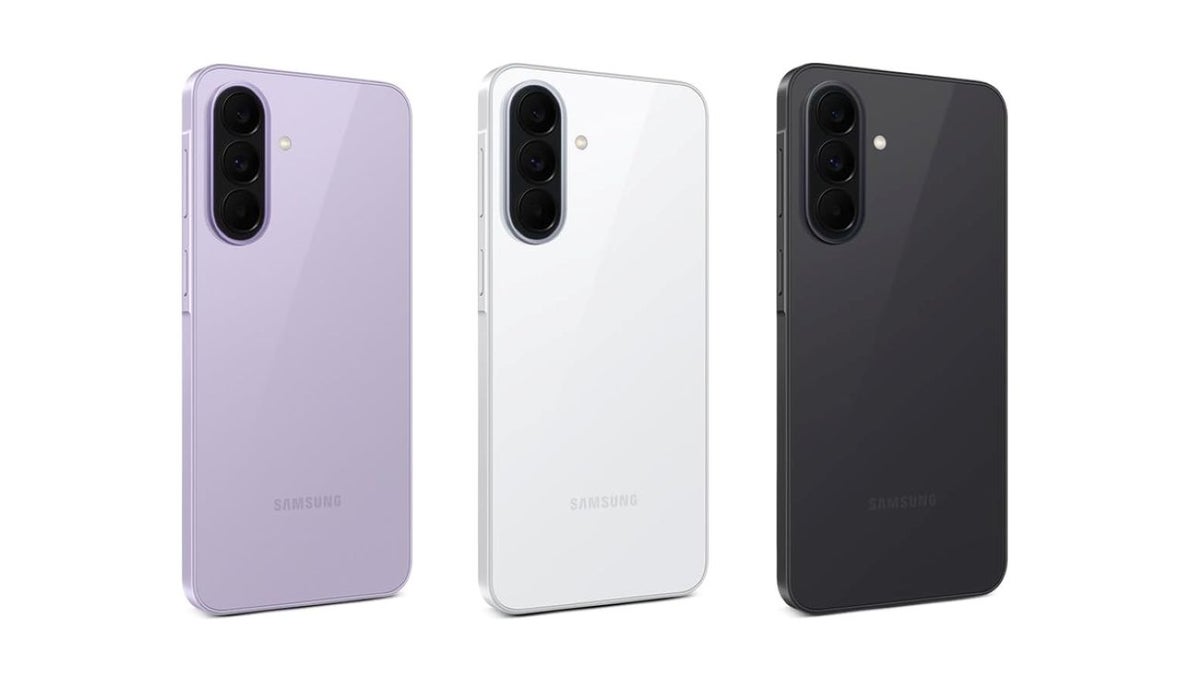
Samsung is reportedly downgrading the Galaxy A38 main camera by using a sensor from the Galaxy A36. True, modern sensors are great and all. But while a high-end 1-inch sensor from 2023 (on the Xiaomi 13 Ultra, for example) might stun you even today, mid-range sensors tend to age faster.
What's more, the older sensor is physically smaller than the one used in the Galaxy A37. And that's a problem, since you'd want the largest possible sensor (higher light intake, better results).
I'm sure Samsung will try to patch things up with an explanation of how the software on the newer phone will compensate for the smaller sensor, but I'm not buying that. I'd rather enjoy a juicy discount for a new phone with older tech on board, thank you very much.
More phones, less choice?
What do you think? | Image by PhoneArena
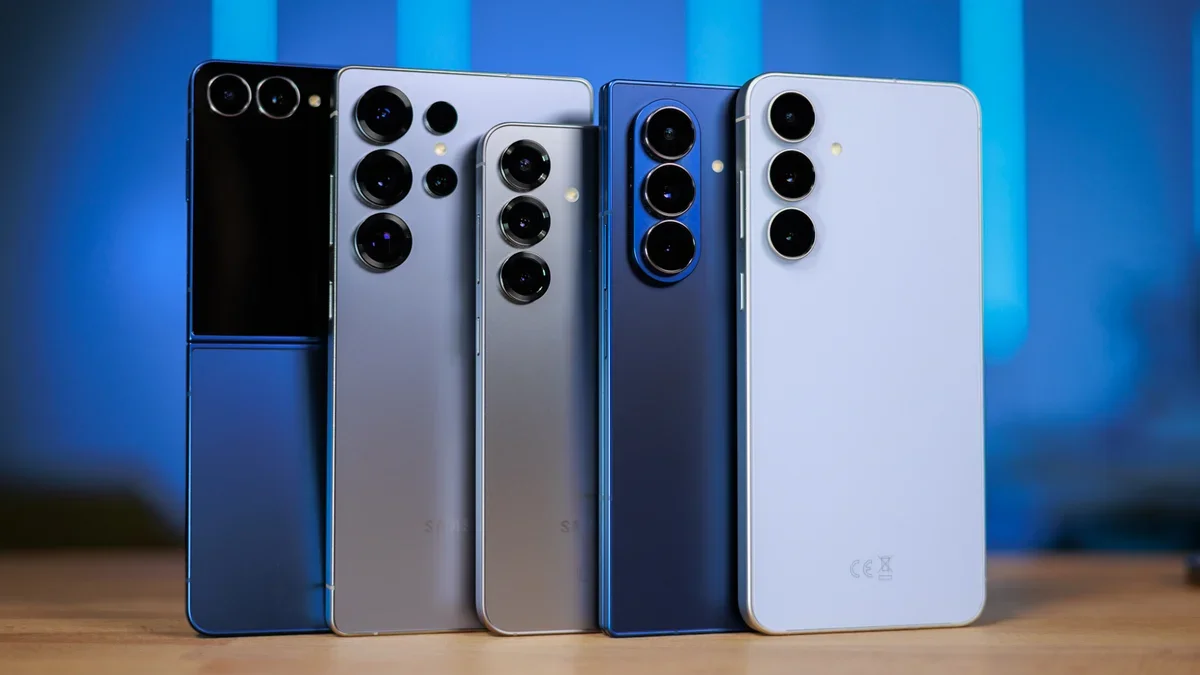
Samsung has so many phone models to choose from. One would say there are too many: budget-friendly options, cheap and cheerful handsets, various mid-rangers, rugged beasts, foldables that fold horizontally and vertically, high-end flagships and whatnot.
Apple, in contrast, keeps it simple. Cupertino is focused on the flagship offerings. The budget-friendly iPhone "e" model (the good ol' SE) is the Faramir of the family. And it only recently began experimenting with foldables and ultra-thin models.
I, personally, prefer a greater choice, a fatter catalog to pick from. But at the same time I can't help but notice that some phones seem to exist for the only reason to push us up to the next level… to make us spend more money.
I, and some of my colleagues, regard the Galaxy S26 Plus to be such a device. "A perfectly good phone with no reason to exist", as Peter summed it up.
This phenomenon is about to happen again with the Galaxy S27 series. That's why I'd advise you to read this fine piece:
I get the bad feeling that the Galaxy A38 has one particular mission: to push you towards the more expensive Galaxy A58. This marketing strategy is as old as time, but I think Samsung will be really surprised if we, for a change, vote with our wallets and, you know, spend our money elsewhere.
Metro pre-paid on T-Mobile's network is offering an iPhone 16e "On Us" with the $55 plan (after AutoPay). Switch and port-in a number, put $99.99 down for the iPhone and get a $100 pre-paid virtual card after 3 months of service.
Sebastian is one of PhoneArena’s senior opinionators. A veteran news writer with almost 20 years of experience in media and technology, he not only covers all the hot news about Galaxies and iPhones, but often provides hot takes on industry trends. He’s fascinated with camera-focused flagships from the likes of Oppo and Vivo, as well as foldable phones.
A discussion is a place, where people can voice their opinion, no matter if it
is positive, neutral or negative. However, when posting, one must stay true to the topic, and not just share some
random thoughts, which are not directly related to the matter.
Things that are NOT allowed:
Off-topic talk - you must stick to the subject of discussion
Offensive, hate speech - if you want to say something, say it politely
Spam/Advertisements - these posts are deleted
Multiple accounts - one person can have only one account
Impersonations and offensive nicknames - these accounts get banned
To help keep our community safe and free from spam, we apply temporary limits to newly created accounts:
New accounts created within the last 24 hours may experience restrictions on how frequently they can
post or comment.
These limits are in place as a precaution and will automatically lift.
Moderation is done by humans. We try to be as objective as possible and moderate with zero bias. If you think a
post should be moderated - please, report it.
Have a question about the rules or why you have been moderated/limited/banned? Please,
contact us.













Things that are NOT allowed:
To help keep our community safe and free from spam, we apply temporary limits to newly created accounts: