SpaceX dream of providing 5G-like connectivity without using T-Mobile spectrum is inching closer
Qualcomm is ready to power the satellite connectivity revolution.
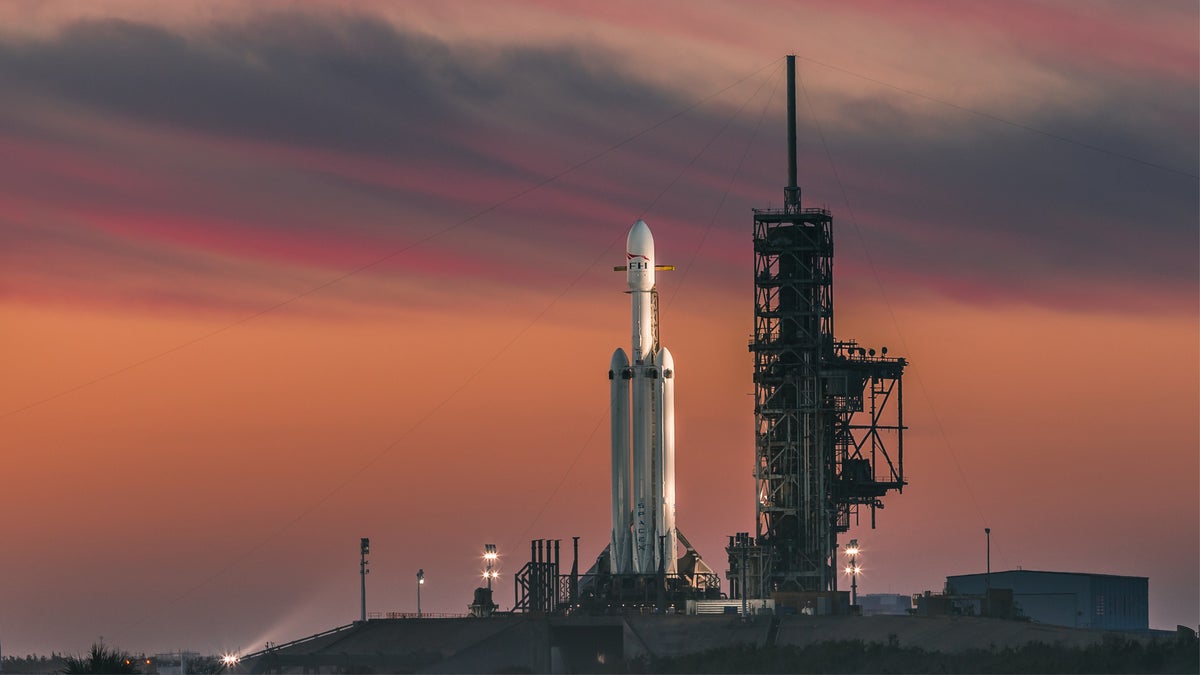
SpaceX may need carriers now, but might not in the future. | Image by SpaceX
In the telecom industry, a company's influence is largely determined by its spectrum holdings. However, connectivity from space, that reaches where terrestrial towers can't, is a new variable. There has been a lot of chatter recently about SpaceX's Starlink building its own network or buying AT&T, T-Mobile, or Verizon. In the meantime, Qualcomm is quietly helping Starlink erode the historic advantage carriers have had.
Before the 5G era, connecting to satellites required dedicated hardware. That began to change when the likes of SpaceX and T-Mobile began experimenting with using spectrum to beam connectivity to phones from space. The scope of that tech is improving with the NR-NTN (New Radio Non-Terrestrial Network) tech.
In a recent blog post, Qualcomm laid out exactly why "5G NR NTN is the future of satellite connectivity," highlighting how its new X105 5G Modem-RF is enabling this revolution.
The approach companies currently use is Direct-to-Cell, where satellites mimic traditional cell towers. While that helps with a speedy rollout and texting support, it's not enough for advanced use cases.
That's where NTN, which refers to using satellites as part of the cellular network, comes in. With devices having a clear understanding that they are talking with something moving in orbit, the challenges faced by Direct-to-Cell can be avoided, enabling a system that's easy to scale efficiently and economically.
That should translate to four to ten times better spectral efficiency than the current method, and the leap can make satellite-based cellular connectivity a true extension of land-based networks.
Current Direct-to-Cell services, such as T-Mobile's T-Satellite, only support messaging and light data. The stronger performance of NR NTN opens up new possibilities, such as the Qualcomm Generative Voice Codec tech, enabling terrestrial-quality calls over a satellite link.
The company's X105 5G Modem-RF, which was announced at Mobile World Congress (MWC) earlier this year, is the first platform to natively support 5G NR NTN. It lays the groundwork for satellite-ready 5G connectivity.
The X105 5G Modem-RF is scheduled to start showing up in devices in the second half of the year. That timeline aligns beautifully with SpaceX's planned 2027 rollout of V2 satellites, which the company needs to provide 5G-like connectivity.
However, availability is not the same as adoption, and it could be a while before NR-NTN becomes a standard feature.
Qualcomm's latest chip is just another example of how satellite connectivity is no longer a niche service. Qualcomm is building support directly into its hardware, chipping away at the coverage moats AT&T, T-Mobile, and Verizon have spent decades funding.
However, SpaceX isn't entirely independent yet. The 5G NR-NTN n252 and n256 frequencies it has acquired aren't supported by current smartphones. The X105 5G Modem-RF is a massive step toward unlocking SpaceX's own spectrum, but full decoupling will still require a broader ecosystem shift.
5G NR-NTN
Before the 5G era, connecting to satellites required dedicated hardware. That began to change when the likes of SpaceX and T-Mobile began experimenting with using spectrum to beam connectivity to phones from space. The scope of that tech is improving with the NR-NTN (New Radio Non-Terrestrial Network) tech.
Beyond Direct-to-Cell
The approach companies currently use is Direct-to-Cell, where satellites mimic traditional cell towers. While that helps with a speedy rollout and texting support, it's not enough for advanced use cases.
When do you see SpaceX making a move on carriers?
197 Votes
In 2027, when it launches new satellites.
38.58%
Anytime now.
37.06%
Years from now.
24.37%
How will that benefit users?
Current Direct-to-Cell services, such as T-Mobile's T-Satellite, only support messaging and light data. The stronger performance of NR NTN opens up new possibilities, such as the Qualcomm Generative Voice Codec tech, enabling terrestrial-quality calls over a satellite link.
Satellites move rapidly across the sky. When they attempt to behave like fixed cell towers, the system must constantly compensate for distance, motion and timing differences. Those adjustments interfere with how cellular networks efficiently share spectrum among many users. As more devices connect, capacity drops sharply.
Standards-based 5G NR NTN takes a different and more sustainable approach.
Max Rodrigues, Senior Manager in Product Marketing at Qualcomm, June 2026
Possibly coming soon
The X105 5G Modem-RF is scheduled to start showing up in devices in the second half of the year. That timeline aligns beautifully with SpaceX's planned 2027 rollout of V2 satellites, which the company needs to provide 5G-like connectivity.
Can't cut carriers out just yet
Qualcomm's latest chip is just another example of how satellite connectivity is no longer a niche service. Qualcomm is building support directly into its hardware, chipping away at the coverage moats AT&T, T-Mobile, and Verizon have spent decades funding.


Popular stories






Latest News




Things that are NOT allowed:
To help keep our community safe and free from spam, we apply temporary limits to newly created accounts: