Alcatel One Touch Idol X Review
Introduction
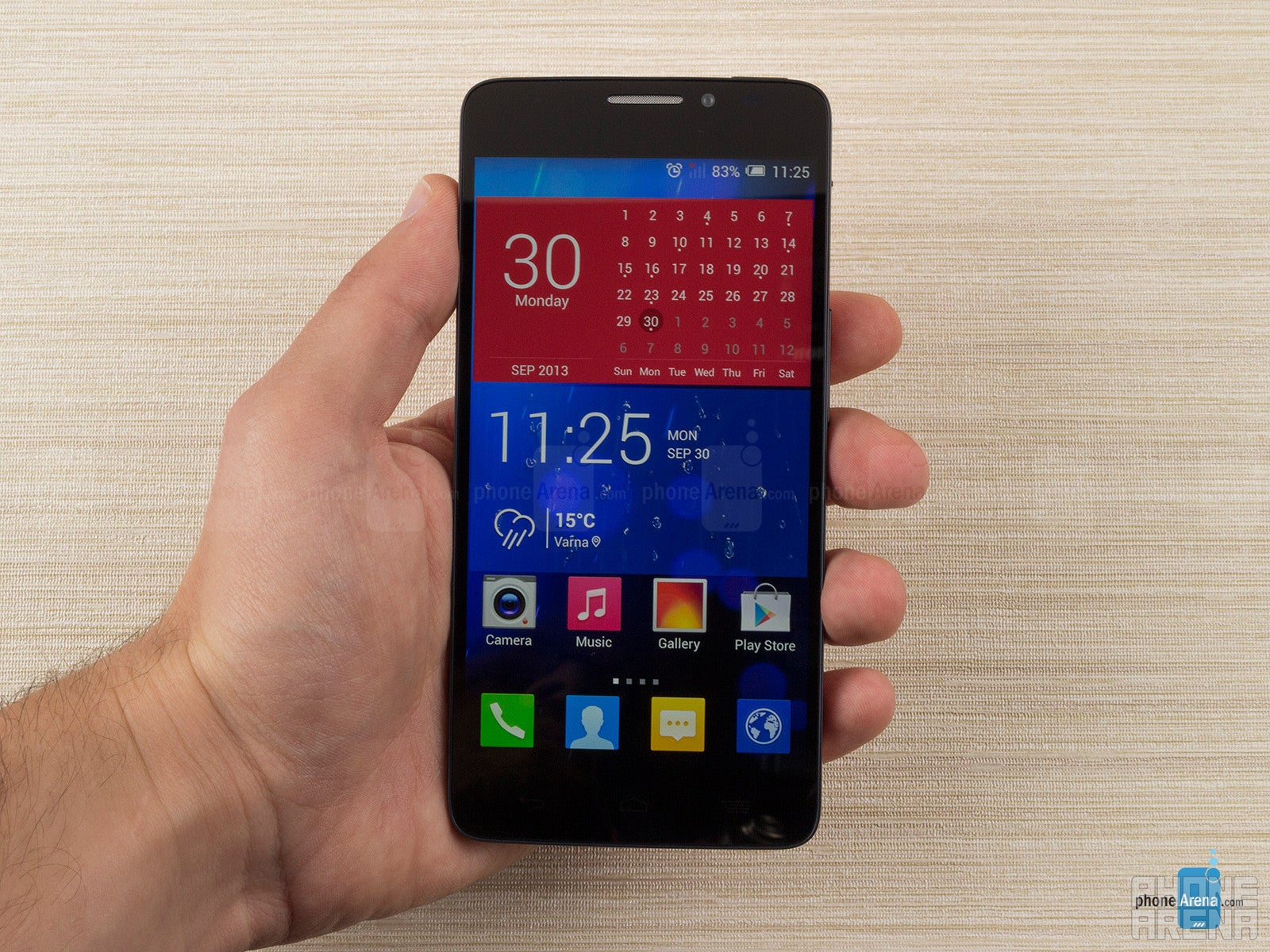
From this season's flagship specs list Alcatel skimped only on the relatively weak MediaTek processor, while the rest are top-shelf ingredients – big Full HD display, 2 GB of RAM, 13 MP camera - all wrapped up in a slim and light body. This fine and dandy on paper, but are we getting a high-end experience for a mid-range price in reality? Read on to find out...
Design

5.53 x 2.66 x 0.27 inches
140.4 x 67.5 x 6.9 mm
4.23 oz (120 g)

5.69 x 2.78 x 0.42 inches
144.5 x 70.5 x 10.6 mm
5.64 oz (160 g)

5.18 x 2.75 x 0.39 inches
131.6 x 69.8 x 9.8 mm
5.33 oz (151 g)

5.58 x 2.71 x 0.35 inches
141.8 x 68.8 x 8.9 mm
5.82 oz (165 g)

5.53 x 2.66 x 0.27 inches
140.4 x 67.5 x 6.9 mm
4.23 oz (120 g)

5.69 x 2.78 x 0.42 inches
144.5 x 70.5 x 10.6 mm
5.64 oz (160 g)

5.18 x 2.75 x 0.39 inches
131.6 x 69.8 x 9.8 mm
5.33 oz (151 g)

5.58 x 2.71 x 0.35 inches
141.8 x 68.8 x 8.9 mm
5.82 oz (165 g)
Compare these and other phones using our Size Comparison tool.
Display
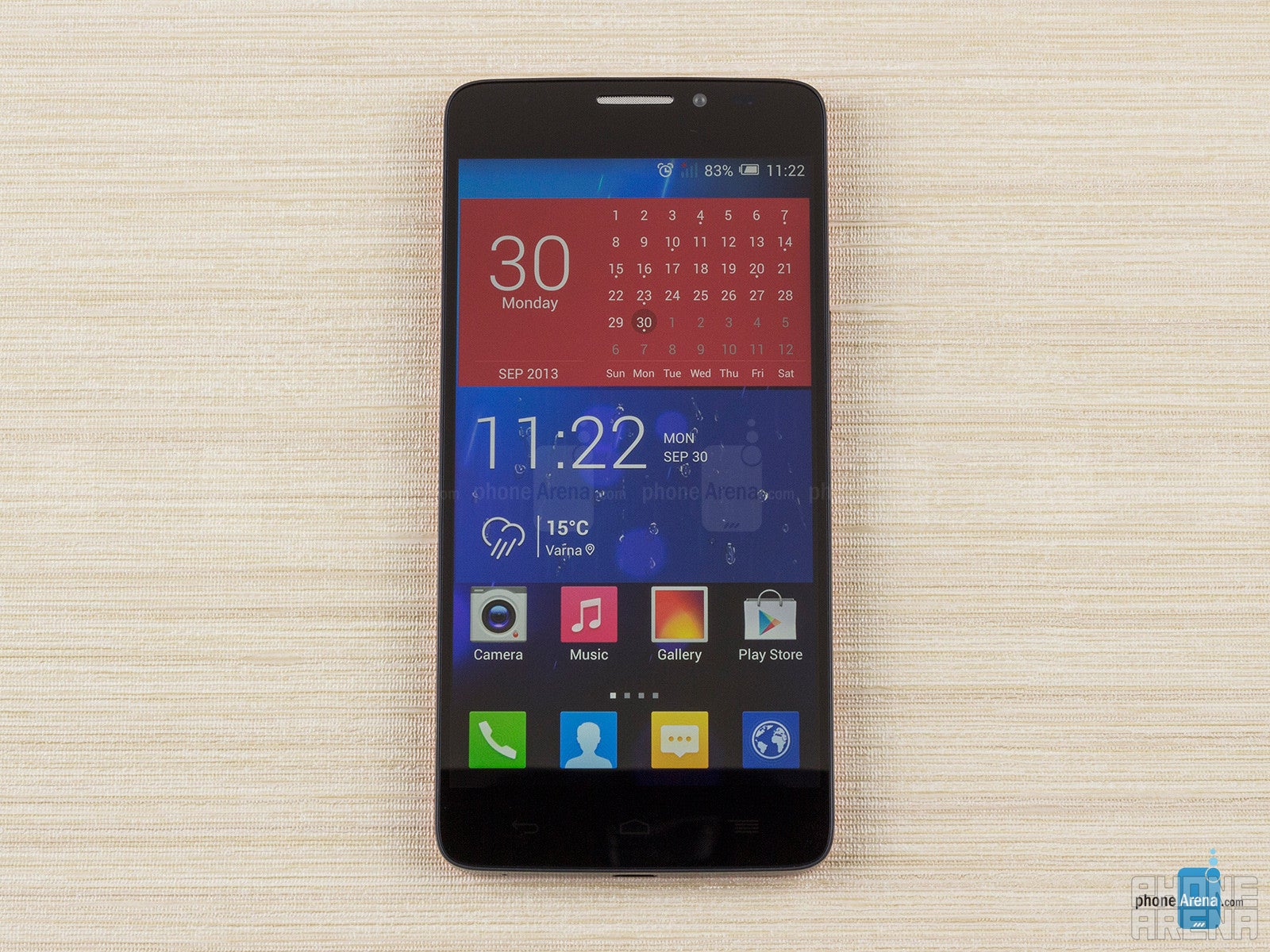
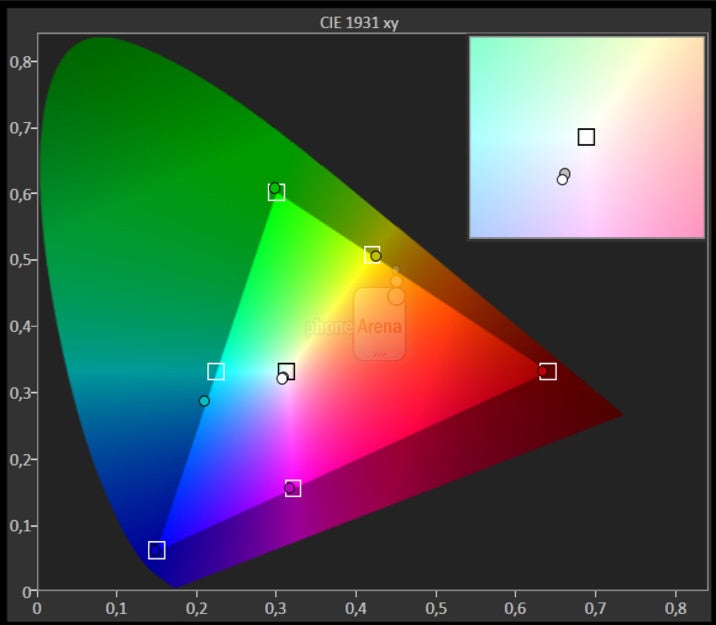
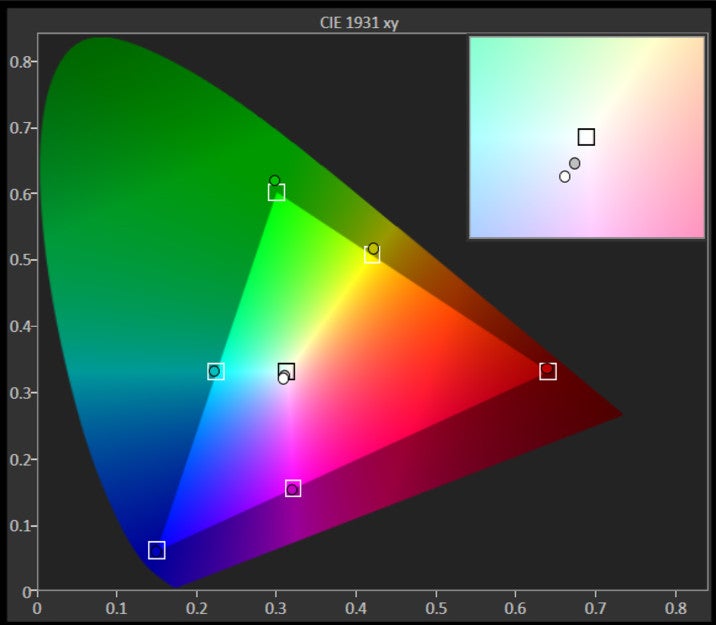
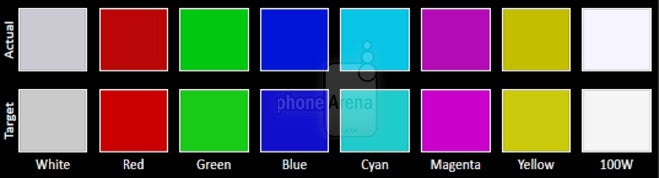
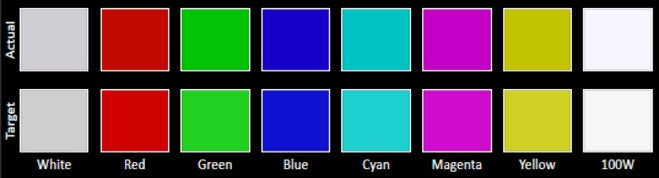
With 441ppi pixel density, the screen is a piece of beauty, showing no icon or text jaggies, even if you explore it up close and personal. Its color saturation seems a bit subdued and the the tones themselves a bit on the warm side, but nothing out of the range for one very good smartphone display.


Interface and functionality
Alcatel supplies a tidy OneTouch Android interface overlay on top of 4.2.2 Jelly Bean. Its general looks are not far from the stock experience, with the lock screen, contacts, wallpaper and notification bar graphics closely matching it. The lock screen shows date, time and weather or calendar, and you can swipe back and forth between the two without unlocking.
Processor and memory
The weakest spot of the One Touch Idol X is its chipset – the 1.5 GHz quad-core MediaTek MT6589+ processor is a frugal Cortex-A7 work, and not up to par with even the current low-end Qualcomm Snapdragon processors, but something had to give to arrive at the phone's price. As you can see from the benchmarks below, you won't have blistering performance while working the interface, and heavy 3D games will be playable only with patience.
Thankfully, Alcatel has placed 2 GB of RAM in the handset, aiding multitasking and loading times. 8 GB of internal memory plus a microSD slot are present on the Idol X version with one SIM card, whereas our dual SIM version doesn't leave place for a memory card, but comes with 16 GB of storage, of which 12.75 GB are user-available out of the box.
Internet and connectivity
The stock browser on the handset renders pages pretty fast, and we had no issues with choppy scrolling or laggy panning. Despite the relatively weak chipset, the browser is primed to render the pages in real time while zooming in and out, and the task is handled remarkably well, with barely a blur while zooming or panning. In addition, all text content looks pretty and legible on such high pixel density even when zoomed out, while text reflow works like a charm, snapping the right columns into the screen width immediately.
Alcatel also offers a branded dongle that plugs into the HDMI port of your TV, and you can stream videos and other media wirelessly from your Idol X to the TV – yes, it supports Full HD MKV files, too.
Camera
The pictures come out with appealing, oversaturated colors. There aren't any glaring white balance or exposure calculation issues, so overall the phone takes pretty good photos when there's enough light to shine on the scene. However, the amount of detail is somewhat lower than what we'd expect from a 13 MP shooter.
When it gets dark the photos come out rather noisy and a tad blurry, though nothing out of the ordinary for a phone camera, and we'd recommend to turn on the Night mode for better low-light results.
Alcatel One Touch Idol X Sample Images
Video gets captured with Full HD 1080p resolution and fluid 30fps. It exhibits the same oversaturation as the stills, making the footage look more vivid than it actually is. Exposure adjustments while panning around happen quickly, and the handset supports continuous autofocus, though shifting the focus back and forth between a close object and the background happens within two or three seconds sometimes.
Multimedia
The gallery sports grid thumbnail view, and offers a rich variety of photo enhancement and editing options built into the interface. You can share its content through no less than 13 different services, including Evernote and OfficeSuite's Wi-Fi Direct option.
Music playback is categorized by artists, albums, genres and playlists in the player interface, and there are a bunch of equalizer presets to apply. The “Bass Boost” and faux surround “3D Sound” options are only available to you when you plug in the headset. We get a pretty decent loudspeaker with the Idol X, despite the slim body, which is strong and sounds relatively clean.
Video playback support is stellar, with DivX/Xvid/MKV files all playing without a hitch in up to 1080p resolutions. The player itself is rather barebone, though, with just an extra loop function, so we'd recommend to quickly pawn off the video footage playback to 3rd party Play Store apps.
Call quality
The Idol X sports a very good earpiece, with clean and strong sound coming out, without any distortions even at the highest volume. The two noise-canceling microphones weed out the surrounding noise very well, and picked our voice loud and clear to relay to the other side, with only intermittent static noises present.
Battery
The sealed 2000 mAh unit capacity is nothing to write home about in this day and age, but Alcatel cites 12 hours of talk time with it in 3G mode, which is a number above the average. Standby is less than typical, though, at about 10 days, since the handset has to maintain two network connections at once. Nevertheless, we didn't notice any unusual overnight drain with the Idol X, and it easily got us through the day with our typical workload, leaving some juice for the night still.
Conclusion
Alcatel has managed to produce an excellent handset with the One Touch Idol X – it is the thinnest, lightest and one of the cheapest 5” handsets with Full HD displays, which are all the rage these days.
With the Idol X you get a luminant 1080 x1920 pixel display, fine photos and videos, and a good call quality, which is pretty important for a dual SIM handset. All of this is wrapped up in a compact and elegant package that eases one-handed operation.
You'd be hard-pressed to find a more affordable Full HD 5-incher with about the only so-so point being the relatively weak MedaiTek chipset. Barring the dual SIM version of the HTC One for China, the Idol X is also the most equipped dual SIM phone out there, and it will definitely ring you cheaper than HTC's flagship.
Even the single SIM version is worth its about $350 asking price, while with a dual SIM option the phone becomes unstoppable, one of the best Android values for the money. The dual SIM Oppo R819 is a prime competitor for a similar price, but it is about as big as the Idol X, yet with a smaller display and lower resolution.
Software version: 4.2.2-01001

Follow us on Google News

Popular stories




Latest News

Things that are NOT allowed:
To help keep our community safe and free from spam, we apply temporary limits to newly created accounts: