Google is finally making the Pixel series a true "world phone." The company announced a partnership with the GSMA to enable a VoLTE workaround for unsupported networks globally — a move I think is far more significant than it appears on the surface.
What is VoLTE, and why is it important?
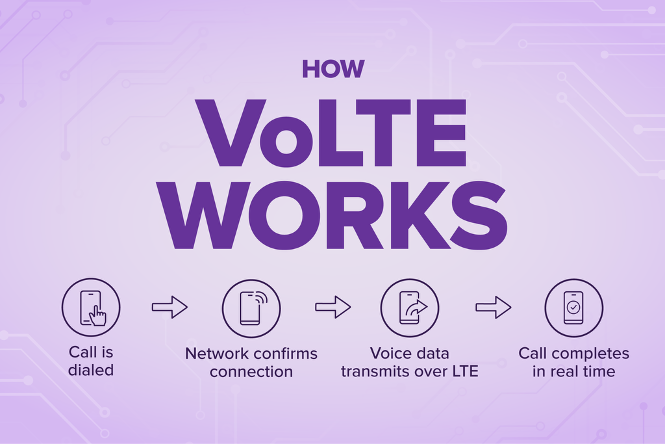
VoLTE allows for better call quality, lower energy consumption, and simultaneous call and data connectivity. | Image by Ultra Mobile
VoLTE might sound alien to many of you, but it's a very nice quality-of-life feature. The abbreviation stands for "Voice over Long-Term Evolution," and in simple terms, it means your voice calls use a 4G LTE data network rather than the old 2G or 3G networks.
This comes with many benefits — from much clearer, higher-quality calls to faster connection speeds and the ability to use data while on a call, like browsing the web or checking something on Google Maps.
Last but not least, this feature doesn't eat up your data allowance and costs virtually nothing.
The Pixel 11 series VoLTE workaround
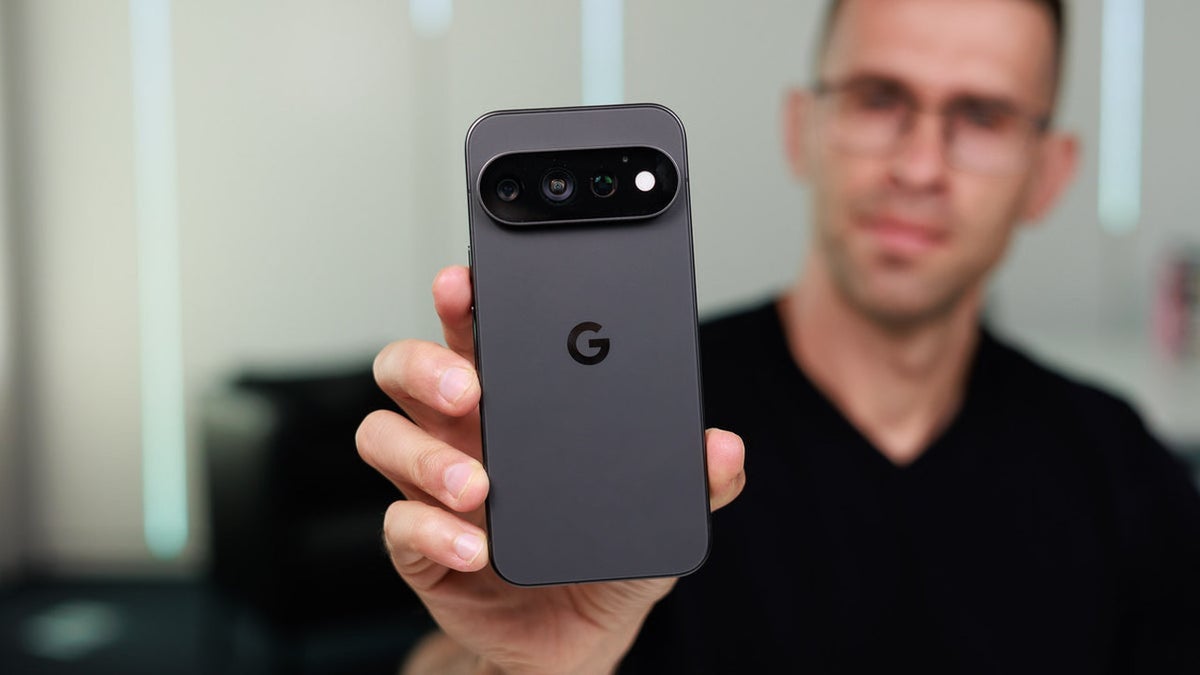
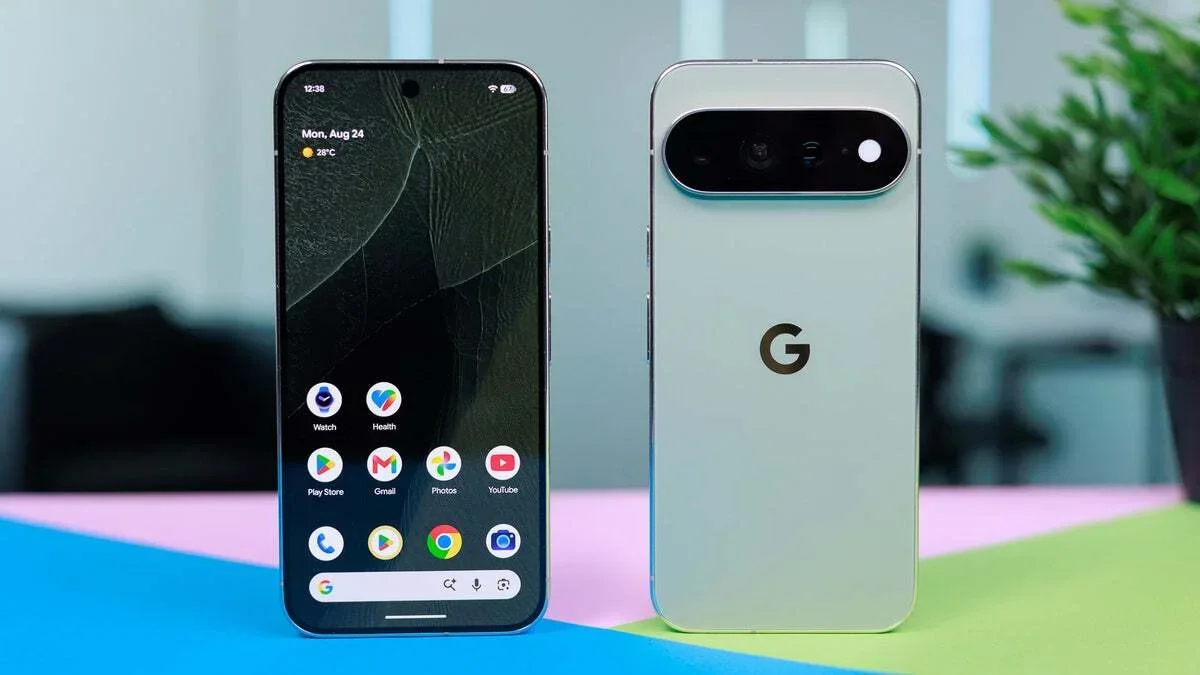
Pixel 11 Pro running the latest Android 17 beta now supports VoLTE and 5G in unsupported markets. | Image by PhoneArena
Most modern flagships, Pixel phones included, support VoLTE in the regions where they are sold. But for frequent travelers, having VoLTE work globally— even in countries where local networks don't officially support their phone — can be a huge deal.
I know it doesn't sound like much, but I remember traveling to Berlin for IFA 2021 with my Pixel 5 and having major calling issues. Meanwhile, my colleague Nick's iPhone 12 Pro Max worked flawlessly.
Recommended For You
What Google actually announced last week was a partnership with the GSMA to enable VoLTE on unsupported networks through a clever workaround using something called Network Settings Exchange, or NSX.
The system serves as a hub where network providers upload various configurations — including VoLTE profiles — so phone manufacturers can easily access them.
Next time someone visits IFA in Berlin with their Pixel 11, the phone will connect to NSX, get the necessary VoLTE settings from the local carrier, and deliver great call quality along with all the other benefits of VoLTE technology.
This might not sound like a massive upgrade, but it hints at Google's broader strategy for the Pixel lineup.
Do you think Pixel phones can challenge Samsung and Apple for global market share?
4 Votes
The future of Pixel phones and Google getting serious
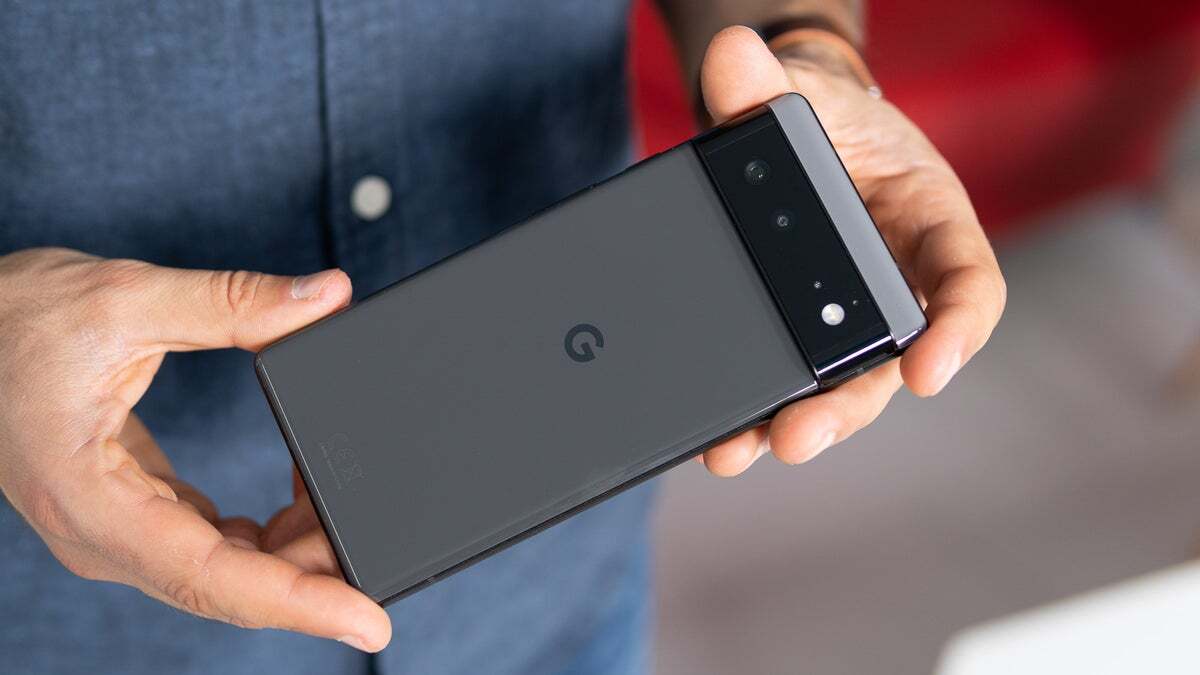
The Pixel 6 series marked a turning point for Google. | Image by PhoneArena
For the longest time, Pixel phones were just a peculiar hardware side project for Google to test its Android OS. The company didn't have plans to sell Pixels en masse, eat into the market share of Apple or Samsung, or expand outside the US.
This changed with the Pixel 6 series, which marked a turning point. Google introduced its custom-built Tensor chipset — a strong hint that the company was getting serious about its smartphone game.
People liked the new design, the funky colors, and all the cool software features Google packed into the Pixel 6 series. It became Google's first big smartphone hit outside the US. In fact, the Pixel line was a huge success in Japan, accounting for 34% of all global Pixel sales and even surpassing the US.
Japanese shipments of Pixel phones grew by over 500%, and Google overtook Samsung and Sony in the country, trailing only Apple.
However, the global market share of Pixel phones remained negligible.
The Pixel series is now a world phone
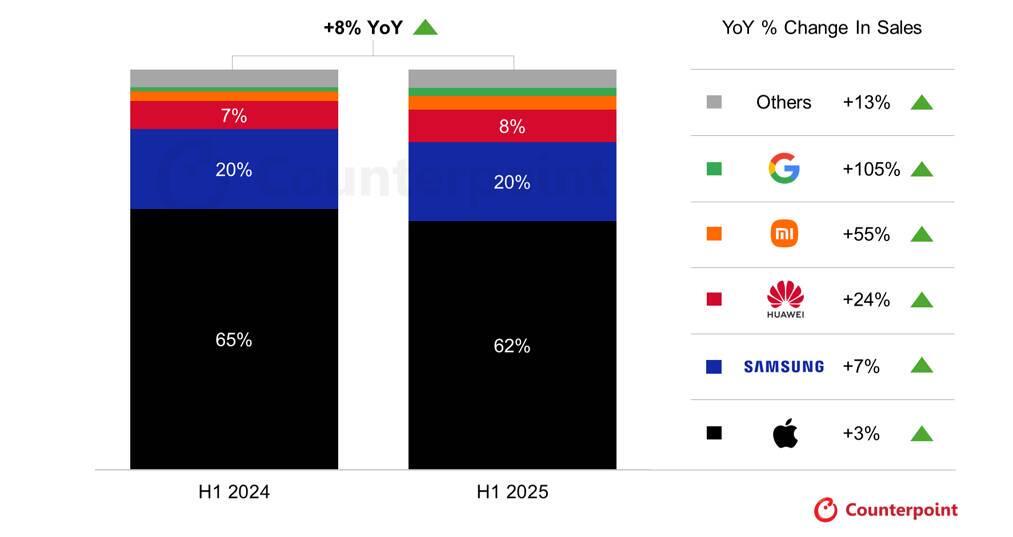
Google Pixel has by far seen the largest annual increase in the premium segment. | Image by Counterpoint Research
The latest update and global VoLTE support through NSX show Google's intent to make the Pixel a world phone. I remember getting a Pixel in my country was almost impossible five years ago without some logistical gymnastics, and now the lineup is officially sold in Romania, our northern neighbor.
I think Google is aiming to become the third-biggest player in the global market, right after Apple and Samsung. And I think the company has the necessary means to do so.
Alphabet, Google's parent company, recorded a whopping $402.8 billion in revenue in 2025. Meanwhile, the Pixel series now holds 3-4% of the US market and sits in fourth place behind Motorola (11%).
Globally, Pixel's market share is still 1.1%, but there's a huge surge in adoption in markets like Japan (10%) and Canada (7%).
Google has also tweaked the Pixel lineup to match what Apple and Samsung offer, more or less. In some cases, its budget offerings — like the A-series — are a much better deal and frequently win "best budget phone" awards.
In the long run, I think Google can absolutely fight for that third spot and even challenge Samsung in some markets. After all, Pixel phones are the bona fide Android phones, offering exclusive features, fast updates, and long-term support.
There are still kinks to be ironed out, but Google is clearly a much more serious smartphone player now. Do you think Pixel phones can challenge Samsung and Apple for global market share?
Mariyan, a tech enthusiast with a background in Nuclear Physics and Journalism, brings a unique perspective to PhoneArena. His childhood curiosity for gadgets evolved into a professional passion for technology, leading him to the role of Editor-in-Chief at PCWorld Bulgaria before joining PhoneArena. Mariyan's interests range from mainstream Android and iPhone debates to fringe technologies like graphene batteries and nanotechnology. Off-duty, he enjoys playing his electric guitar, practicing Japanese, and revisiting his love for video games and Haruki Murakami's works.
A discussion is a place, where people can voice their opinion, no matter if it
is positive, neutral or negative. However, when posting, one must stay true to the topic, and not just share some
random thoughts, which are not directly related to the matter.
Things that are NOT allowed:
Off-topic talk - you must stick to the subject of discussion
Offensive, hate speech - if you want to say something, say it politely
Spam/Advertisements - these posts are deleted
Multiple accounts - one person can have only one account
Impersonations and offensive nicknames - these accounts get banned
To help keep our community safe and free from spam, we apply temporary limits to newly created accounts:
New accounts created within the last 24 hours may experience restrictions on how frequently they can
post or comment.
These limits are in place as a precaution and will automatically lift.
Moderation is done by humans. We try to be as objective as possible and moderate with zero bias. If you think a
post should be moderated - please, report it.
Have a question about the rules or why you have been moderated/limited/banned? Please,
contact us.






Things that are NOT allowed:
To help keep our community safe and free from spam, we apply temporary limits to newly created accounts: