
Apple is making a major change behind the scenes as 2027 ambitions grow
A new report reveals changes inside Apple.
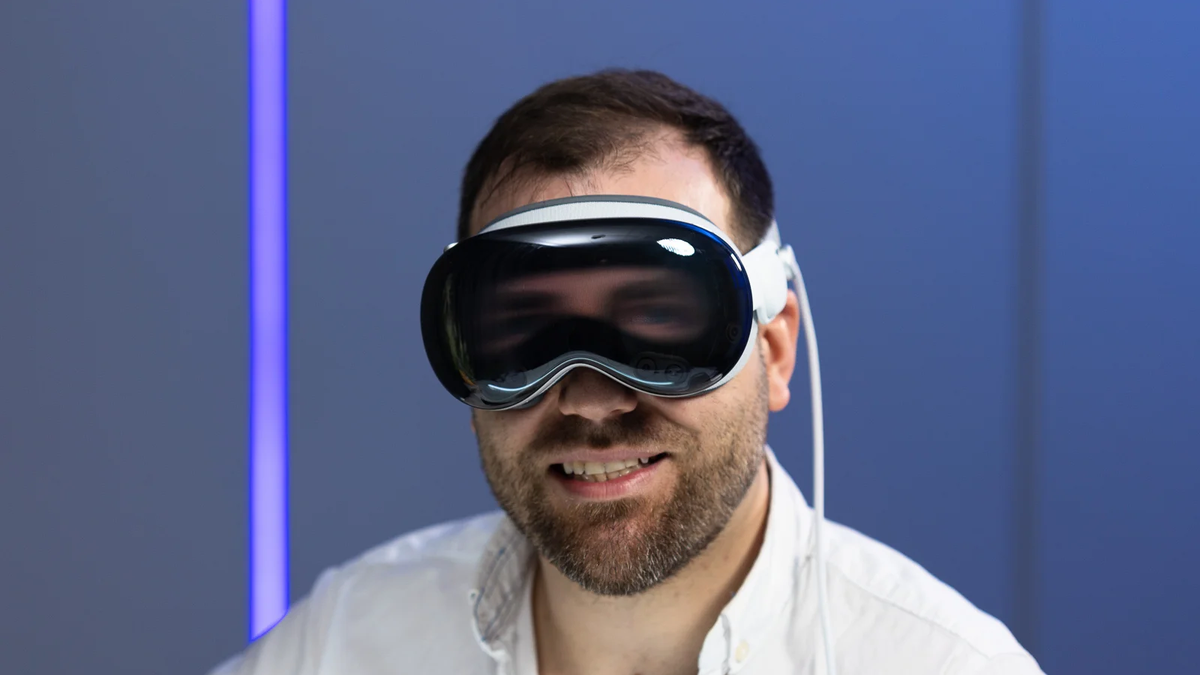
The priority shift is becoming clearer. | Image by PhoneArena
Apple's Vision Pro project was ambitious from day one. It promised to redefine spatial computing, but its eye-watering $3,500 price tag and bulky design led to poor adoption.
Now, Cupertino may be finally reconsidering its VR ambitions, turning to something that's becoming the next big thing in the industry.
Now, Cupertino may be finally reconsidering its VR ambitions, turning to something that's becoming the next big thing in the industry.
Apple's VR team takes a hit
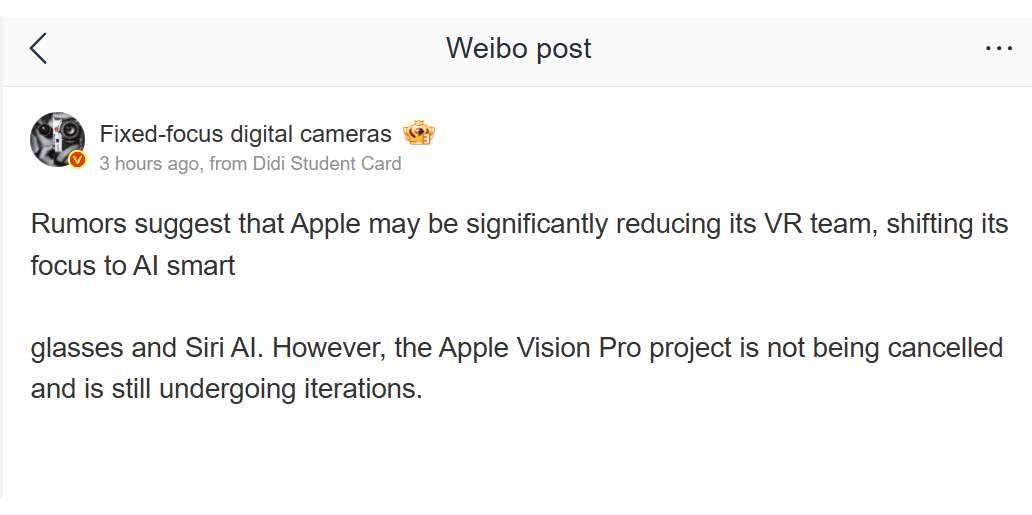
Several reports show there are changes inside Apple. | Image by Fixed Focus Digital (machine translated
The layoff rumor is further corroborated by Weibo leaker Fixed Focus Digital, who adds that Cupertino is moving toward AI smart glasses and the development of Siri AI while continuing to refine the Vision Pro.
Although Apple hasn't yet commented on the matter, the rumor has since been reported by several outlets, suggesting it may be more than gossip.
What would make you buy Apple's smart glasses?
7 Votes
A reasonable price
28.57%
Siri features that are actually useful
14.29%
A comfortable and lightweight design
42.86%
I wouldn't get smart glasses from any brand
14.29%
I'd rather grab the Galaxy Glasses
0%
The right step
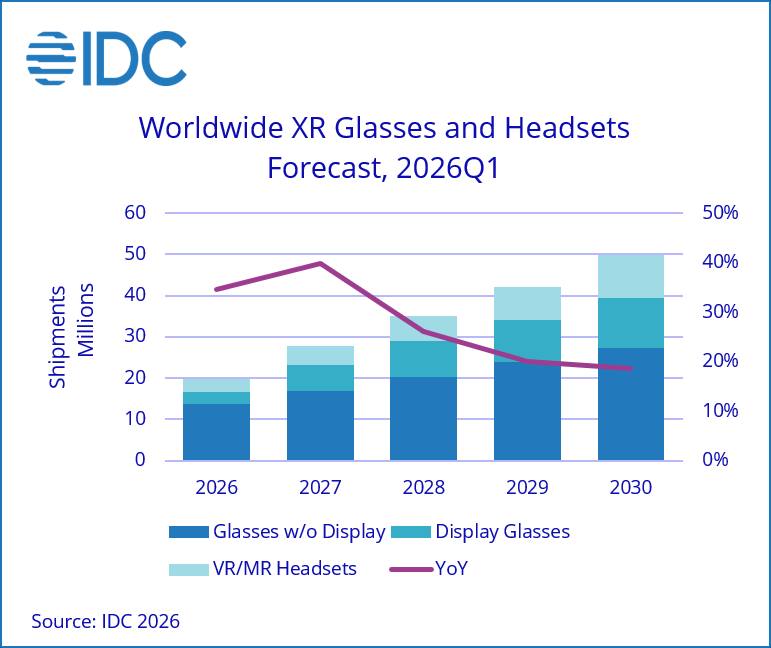
Global XR headsets and glasses forecast shows VR is losing momentum. | Image by IDC
This is supported by IDC's AR/VR recent headset market analysis, which shows that smart glasses are already displacing VR products, with adoption projected to surge over the next few years.
And in case you're looking for more Apple news:
The next chapter
So far, we know these smart glasses will directly compete with Samsung's Galaxy Glasses and Meta's smart glasses. However, Cupertino is expected to give Siri "eyes" much sooner than next year.
Apple is finally coming to its senses
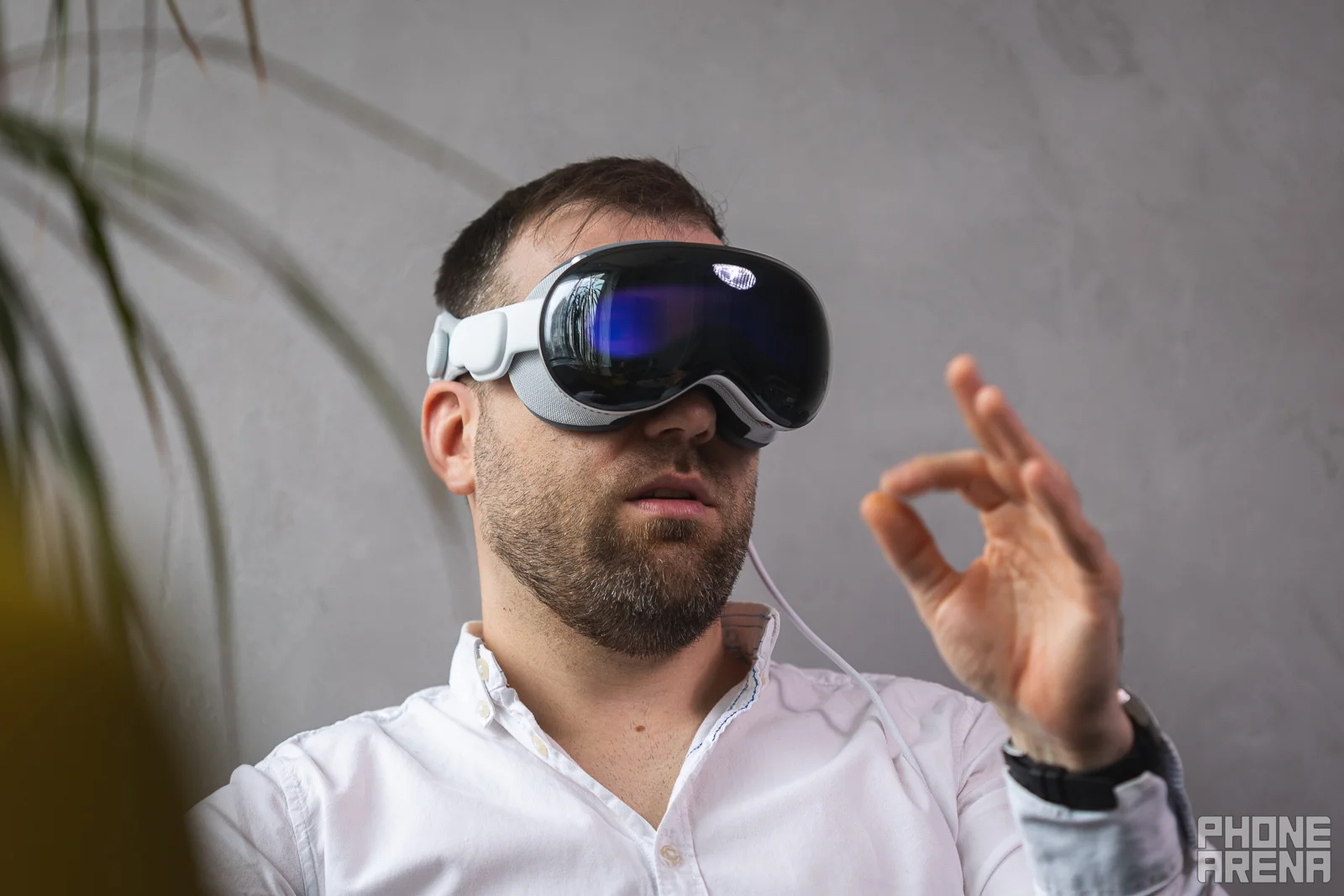
Let's see what comes next now. | Image by PhoneArena
If you ask me, Apple shouldn't have gone for a VR headset in the first place. Had the company focused its ambitions on smart glasses from the beginning, I seriously doubt Meta's smart glasses would be leading the market today.
Regardless, once Apple releases its own version of display-free AI eyewear, I expect the consumer response to be far more positive than what we saw with the Apple Vision Pro.


Popular stories


Latest News


Things that are NOT allowed:
To help keep our community safe and free from spam, we apply temporary limits to newly created accounts: