Asus ZenFone 3 Zoom Review

You can now read:
Introduction
The last few weeks have been overloaded with new smartphone launches, centered around the late-summer extravaganza that is the IFA trade show, and now Apple's new batch of iPhones. But even going back a month or two earlier, this whole season has been delivering a solid assortment of interesting handsets, running the gamut from the most tricked-out flagships to some attractively balanced affordable phones. As we take a little bit of a breather after recovering from IFA, we're spending some time looking back on a few of those phones that might be worth a second look, and right now that means diving into what Asus has cooked up with the ZenFone 3 Zoom.
- Asus ZenFone 3 Zoom
- USB Type-C to standard-A cable
- USB 5V 2A charger
- Earbuds w/ alternate tips
- SIM tool
- User guide
- Warranty card
- Clear case
Design
Dated but functional, the ZenFone 3 Zoom doesn't lean too heavily on aesthetics
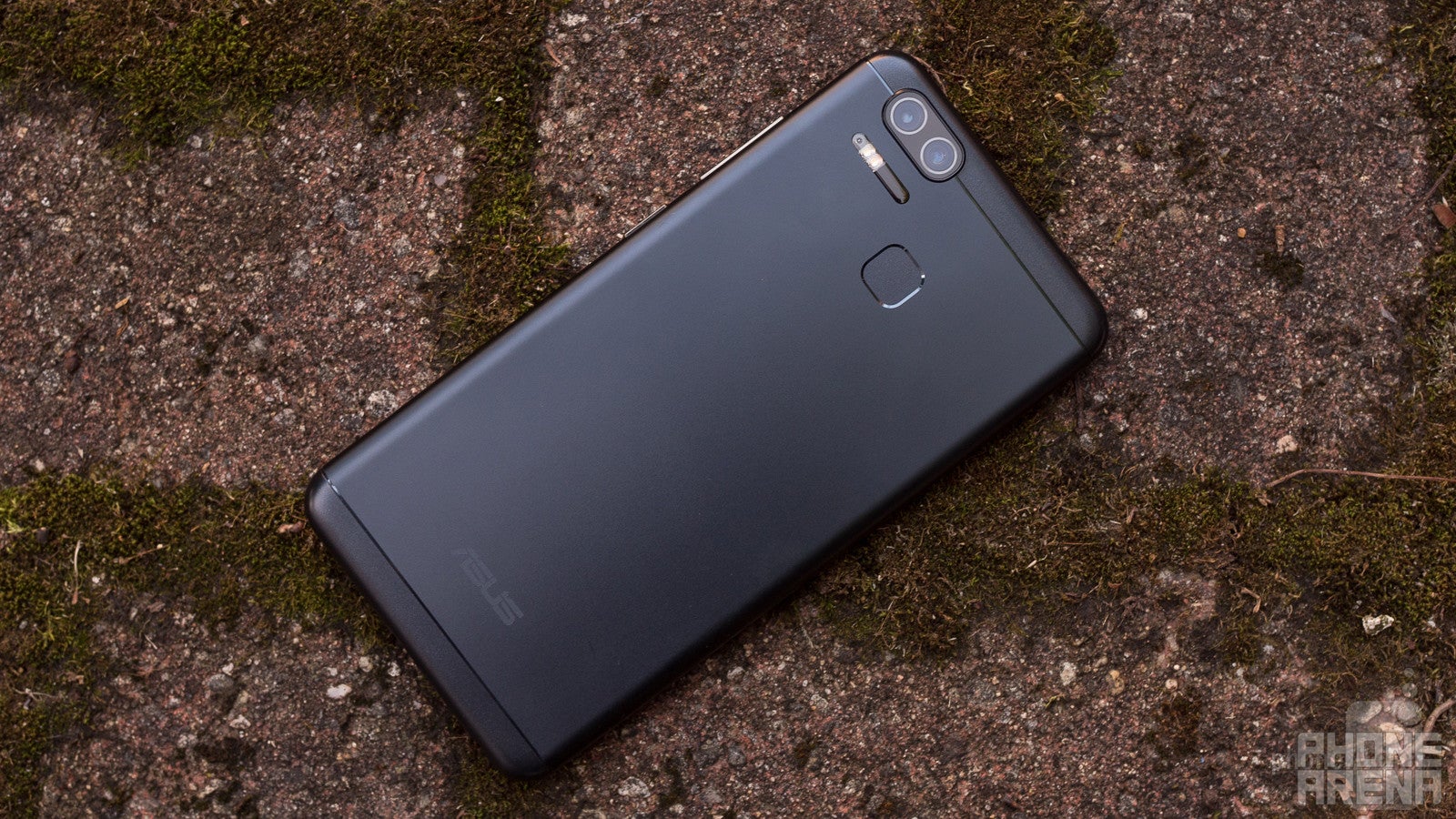
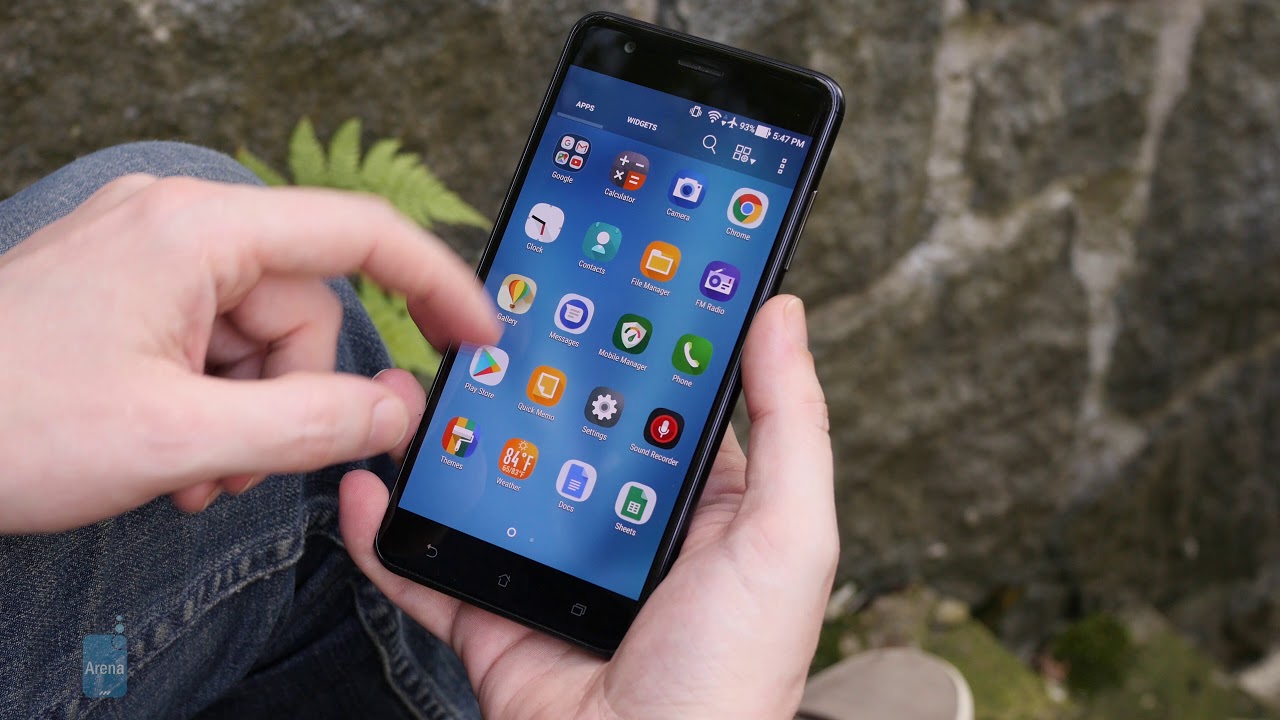
Make no mistake: you're not going to confuse the ZenFone 3 Zoom with a modern style-focused phone. There's no real effort towards embracing new handset shapes or shrinking bezels into oblivion; actually, the phone still has capacitive Android buttons, and those of the home-looks-like-a-tiny-house variety.
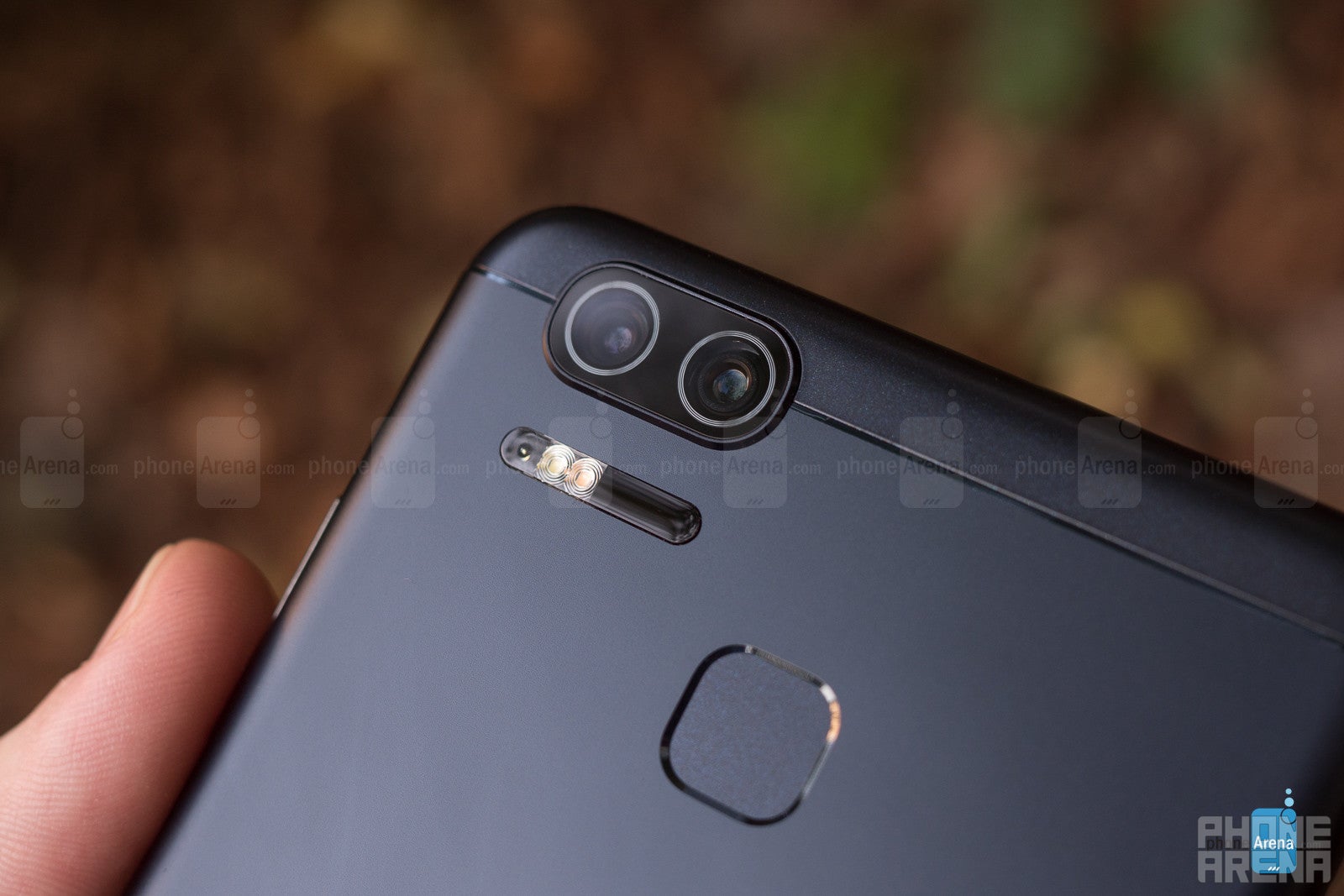
There's an easy-to-reach fingerprint scanner centered up top, and above that the phone's camera hardware. The dual lenses may be what you notice first, but we're also pretty interested in the unusual linear strip of flashes and sensors mounted underneath; it's just a small part of the ZF3Z's design, but unique enough to grab our attention.

6.07 x 3.03 x 0.31 inches
154.3 x 77 x 7.99 mm
6.00 oz (170 g)

6.25 x 3.06 x 0.35 inches
158.67 x 77.7 x 8.95 mm
6.00 oz (170 g)

6.16 x 3.05 x 0.3 inches
156.4 x 77.4 x 7.5 mm
6.00 oz (170 g)

6.07 x 2.92 x 0.29 inches
154.2 x 74.1 x 7.25 mm
5.40 oz (153 g)

6.07 x 3.03 x 0.31 inches
154.3 x 77 x 7.99 mm
6.00 oz (170 g)

6.25 x 3.06 x 0.35 inches
158.67 x 77.7 x 8.95 mm
6.00 oz (170 g)

6.16 x 3.05 x 0.3 inches
156.4 x 77.4 x 7.5 mm
6.00 oz (170 g)

6.07 x 2.92 x 0.29 inches
154.2 x 74.1 x 7.25 mm
5.40 oz (153 g)
Compare these and other phones using our Size Comparison tool.
Display
A quirky AMOLED screen we wish were more impressive
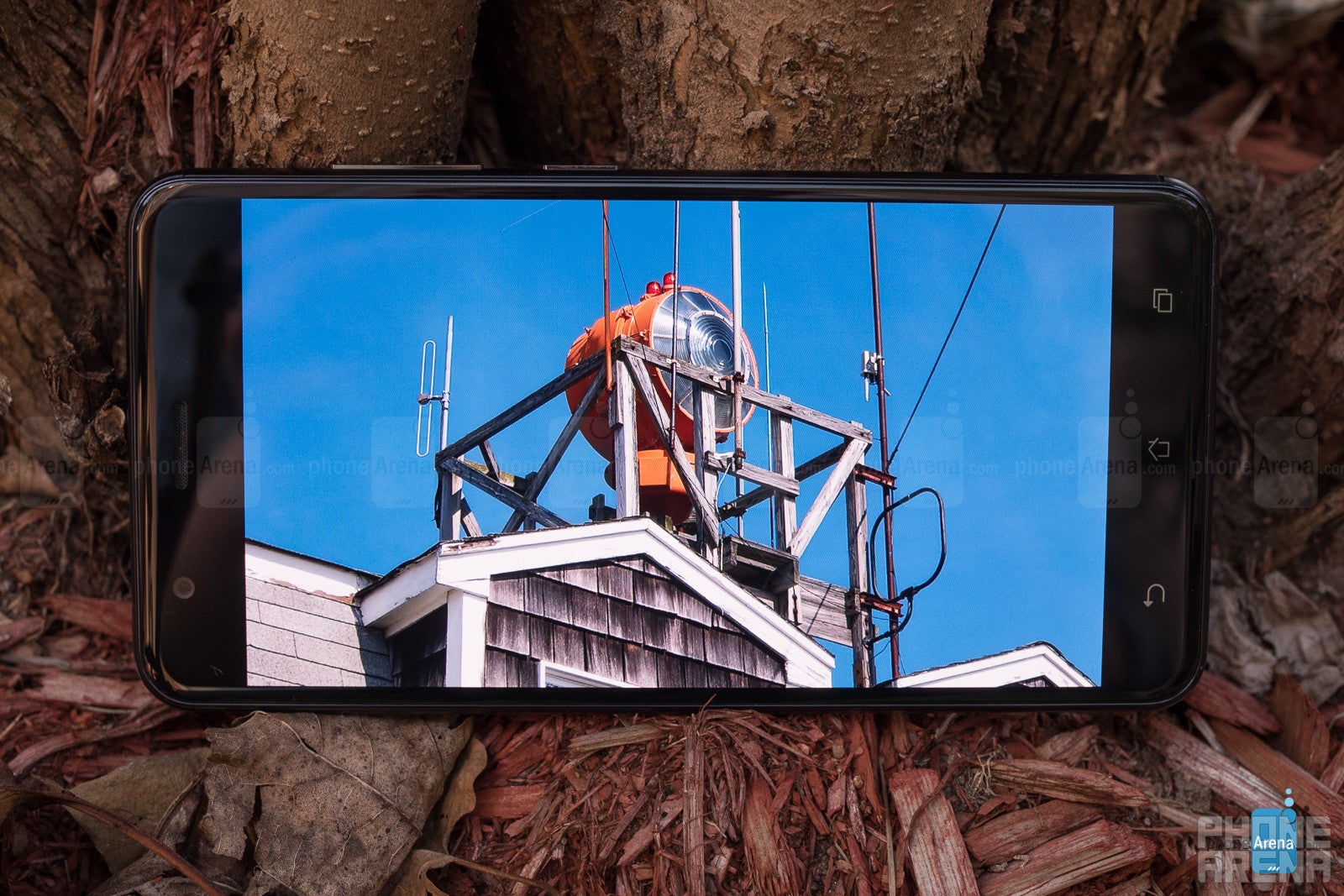
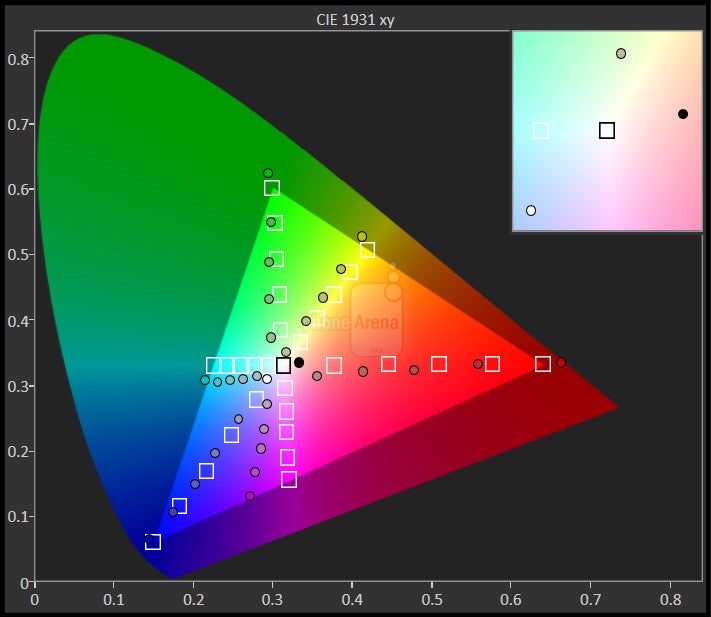
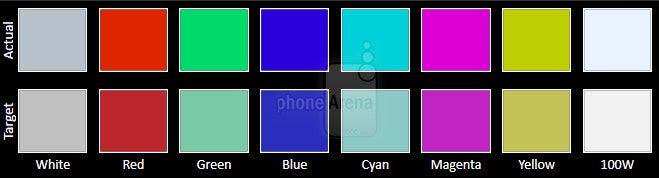
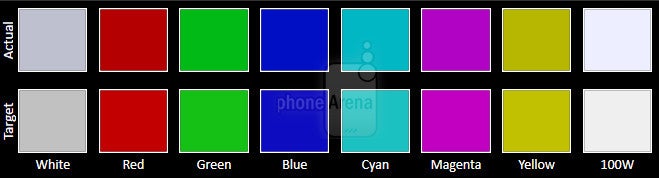
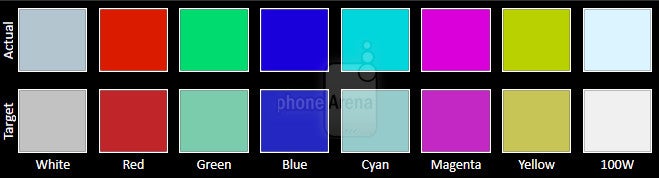
Like the U11 to which we were just drawing a comparison, the ZF3Z has a 5.5-inch screen, though here a colorful AMOLED panel. The 1080p resolution isn't boundary-pushing, but it does feel sufficient for what this handset offers, especially considering its mid-range status.
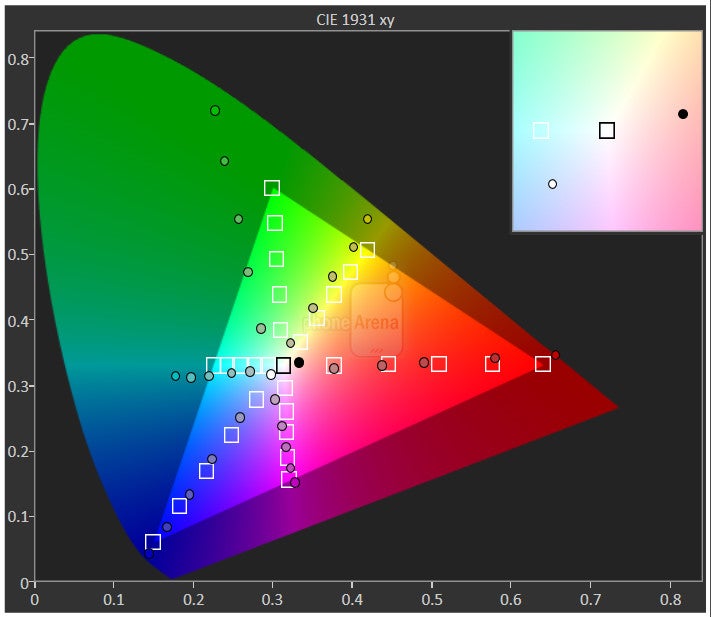
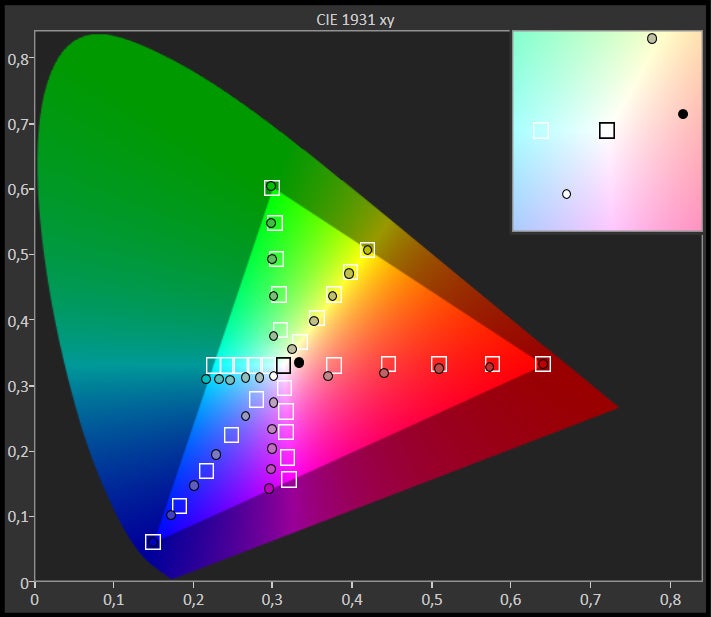
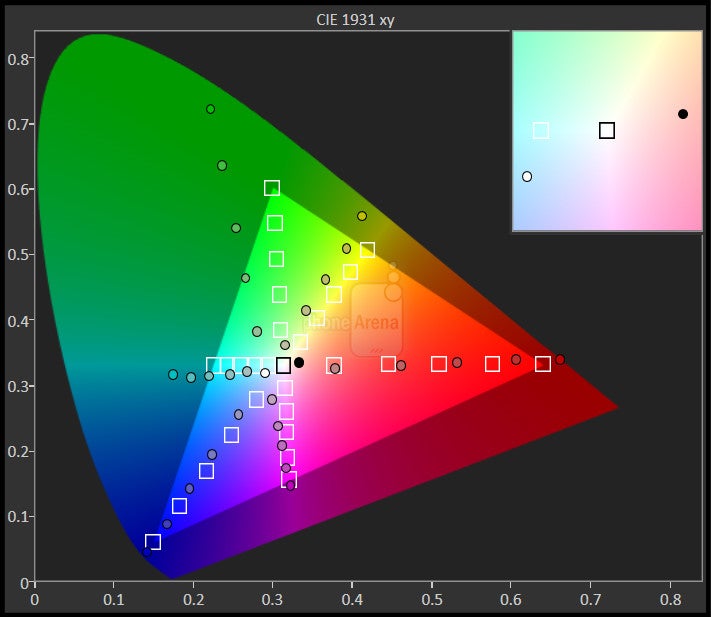
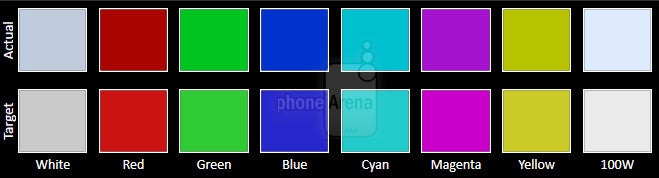




Interface and Functionality
Asus would do well to remember that sometimes less is more
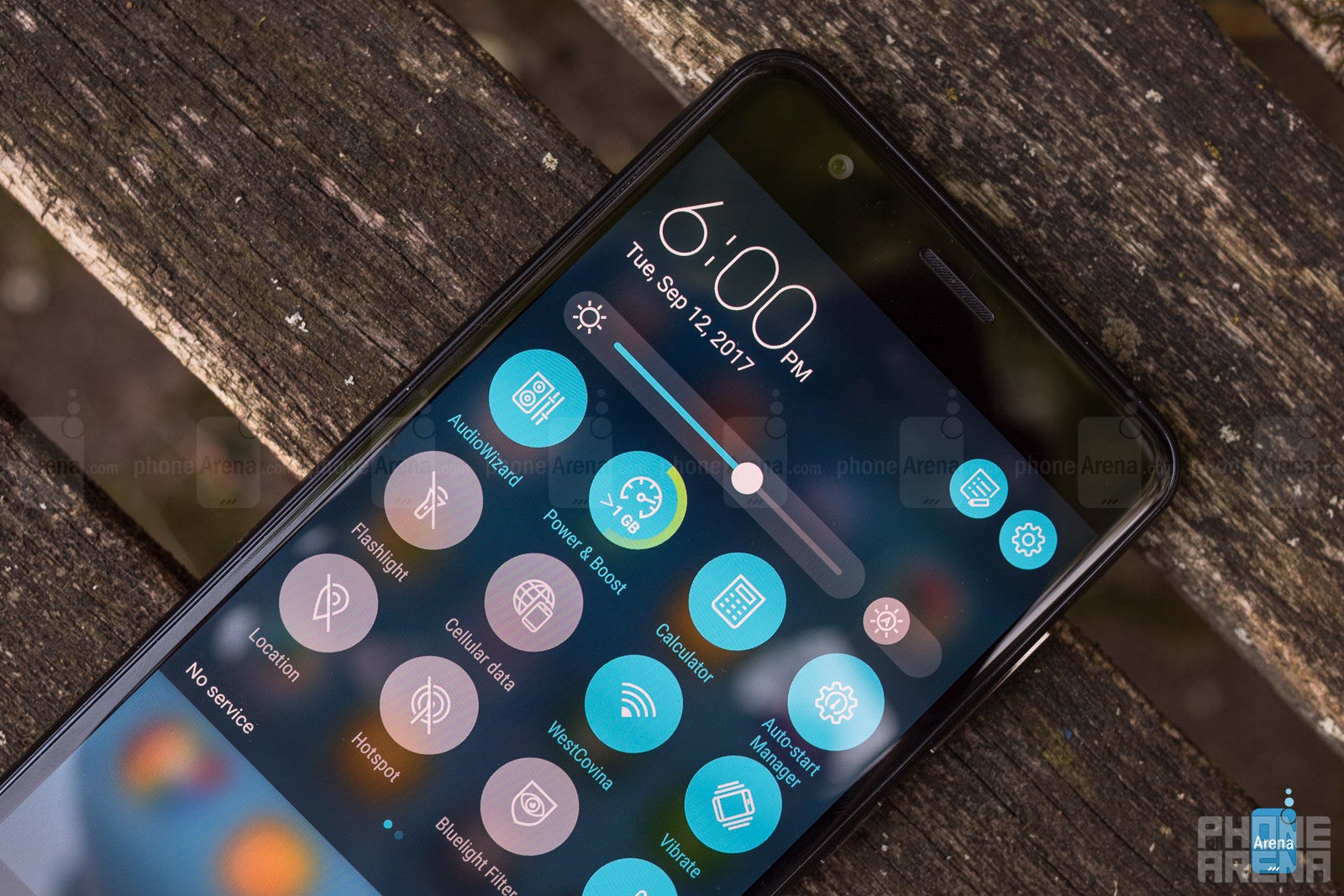
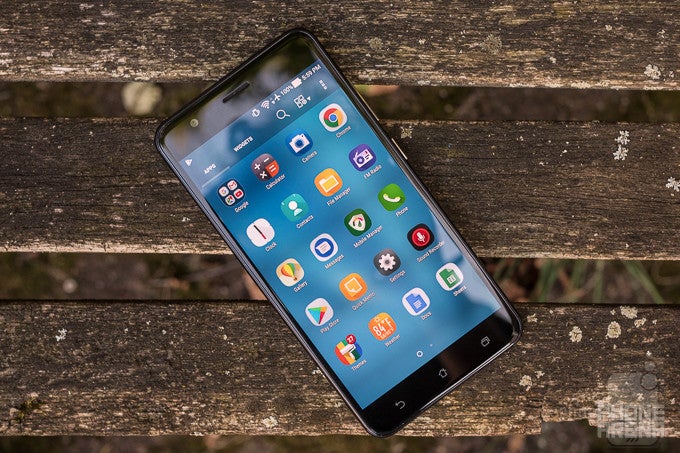
Asus certainly gives the ZF3F an eye-catching take on Android, with an especially interesting quick-setting screen. It's bright and colorful, but more than a little weird, populated both by controls for phone settings as well as app shortcuts.
Processor and Memory
Rock-solid mid-range silicon delivers on our expectations
There are any number of silicon options a mid-ranger can take advantage of, but one of our favorites is Qualcomm's Snapdragon 625 chip, which Asus made the smart choice to go with here for the ZenFone 3 Zoom. That processor strikes a great balance between acceptably fast performance and impressively low power requirements.
Performance is very much in line with similarly equipped hardware, and the ZenFone 3 Zoom operates on much the same level as the Moto Z2 Play or the BlackBerry KEYone.
Connectivity
There's nothing particularly noteworthy about the ZenFone 3 Zoom's connectivity options – though to be fair, we should be saying the same about a lot of phones these days. It does have USB Type-C, which isn't always a given for mid-rangers, but there's nothing out-of-the-ordinary like an IR emitter or anything; the fanciest the phone gets is an FM receiver for data-free music.
Camera
Annoying software hurts what could otherwise be a really satisfying camera
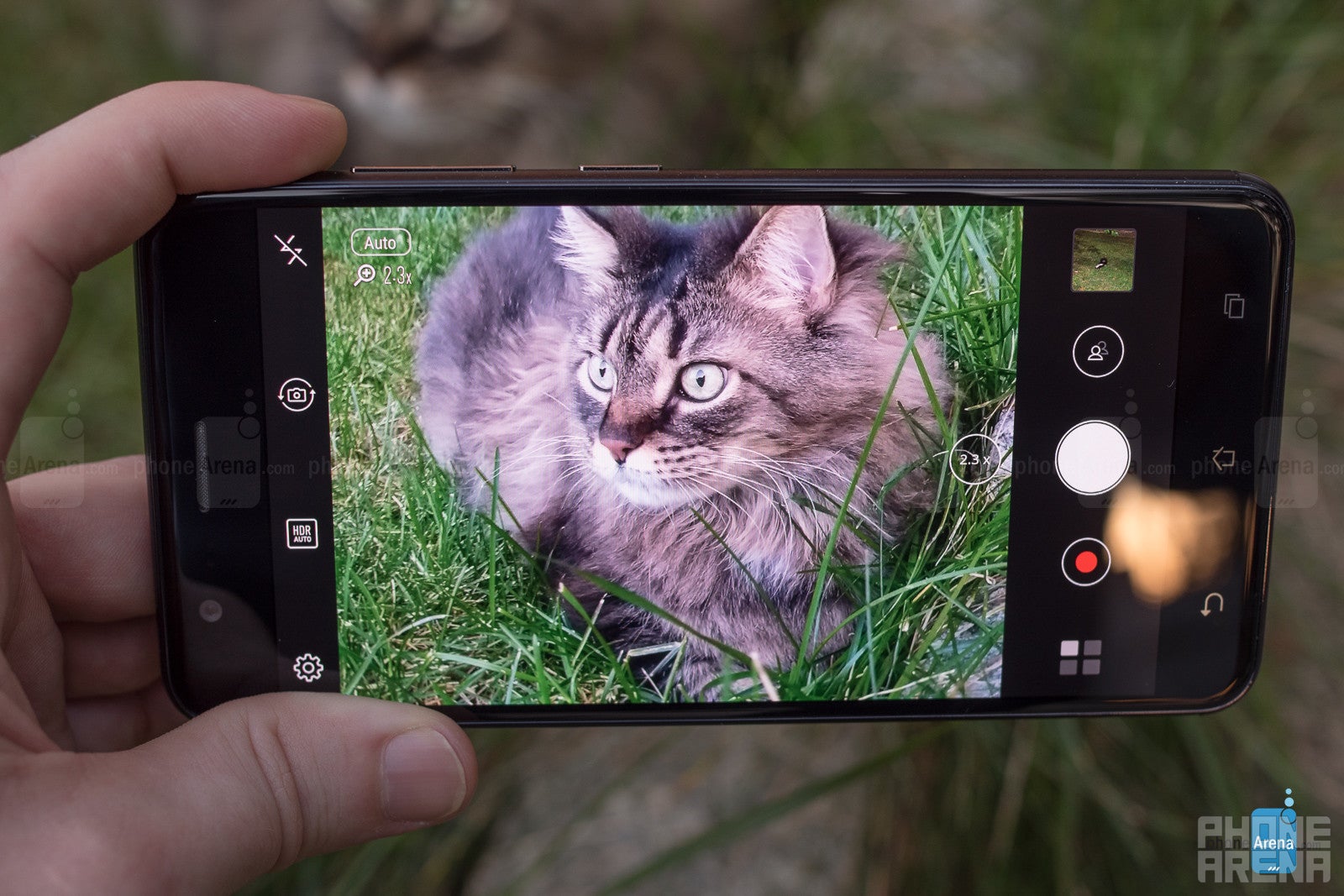
Camera UI of the Asus ZenFone 3 Zoom
The ZenFone 3 Zoom wears its camera ambitions on its sleeve with that name, and indeed the phone's hardware is equipped to give you an optical zoom option: there's one 12-megapixel, optically stabilized main camera, and one 12MP telephoto lens that gives users an effective 2.3x zoom.
Image quality
Photos taken with the ZenFone 3 Zoom don't look too bad, not that we thought they would given the serious camera hardware present. Low-light quality isn't nearly as good as Asus is trying to convince us it is, and while serviceable, expect a fair amount of noise.
Maybe the more interesting story is what's going on with the camera software. On one hand, it offers a nice assortment of options, including a healthy mix of shooting modes. But we also have some serious concerns about the execution. Take the zoom mode, for instance: like you may be familiar with from other phones, there's a prominent 1.0x button you can tap to toggle to 2.3x mode – so far, so good.
Asus ZenFone 3 Zoom sample images
Video recording
On paper, the ZF3Z sounds like it should be well equipped for recording video, supporting resolutions up to 4K, and offering a mix of frame-rate and stabilization options. In reality, though, the experience doesn't quite live up to its promise.
Footage is a little on the dark side, and audio fidelity leaves something serious to be desired. But maybe the most confounding aspect of shooting video on the ZenFone 3 Zoom is that the camera doesn't adequately tap into its zoom-lens hardware.
ASUS ZenFone 3 Zoom Sample Videos
Multimedia
Forget software enhancements; just give us audio that naturally sounds good
The ZenFone 3 Zoom's speaker is suitably loud, though like a lot of other smartphone speakers it suffers from sub-par bass reproduction.
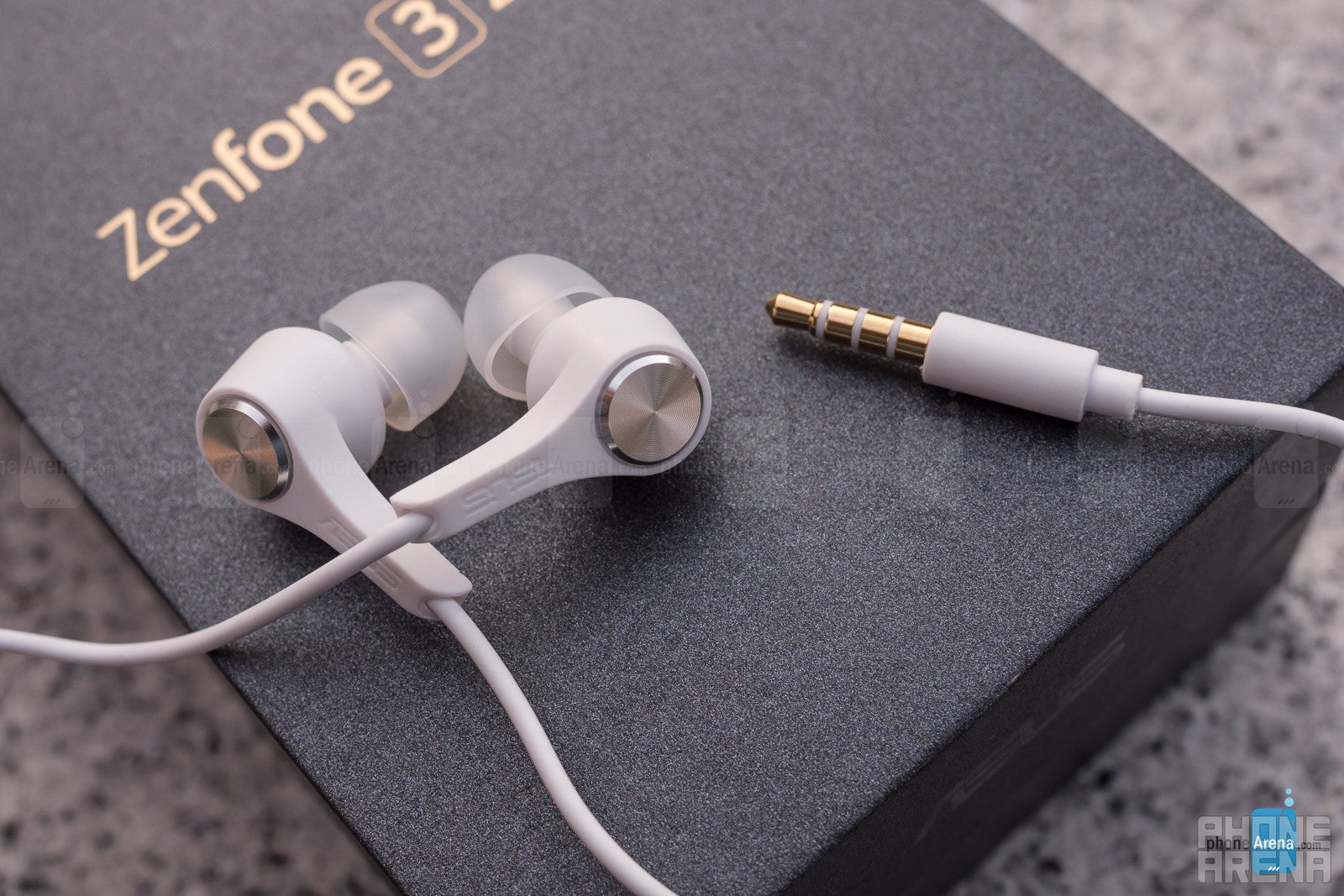
Asus bundles a pair of headphones with a set of alternate tips, and plugging them into the phone automatically engages the DTS Headphone:X software. By default, that sounds really disappointing, with muddy, distant audio that lacks clarity and definition. That's the so-called “traditional” mode, and you also have access to some pseudo-3D positioning effects, as well as a “pure” setting, but even that left us seriously wanting.
Once again, we're looking at a phone that feels like it's leaning far too heavily on software fanciness when it would benefit much more from just some well-executed speaker and headset hardware.
Call Quality
We've got no major complaints when it comes to voice-call quality on the ZenFone 3 Zoom, and our only issue is more with the phone's physicality: it's just a quite wide handset, and not one that feels super-comfortable holding to your ear for any extended period of time.
Battery Life
A huge battery seems to be at odds with power-hungry hardware
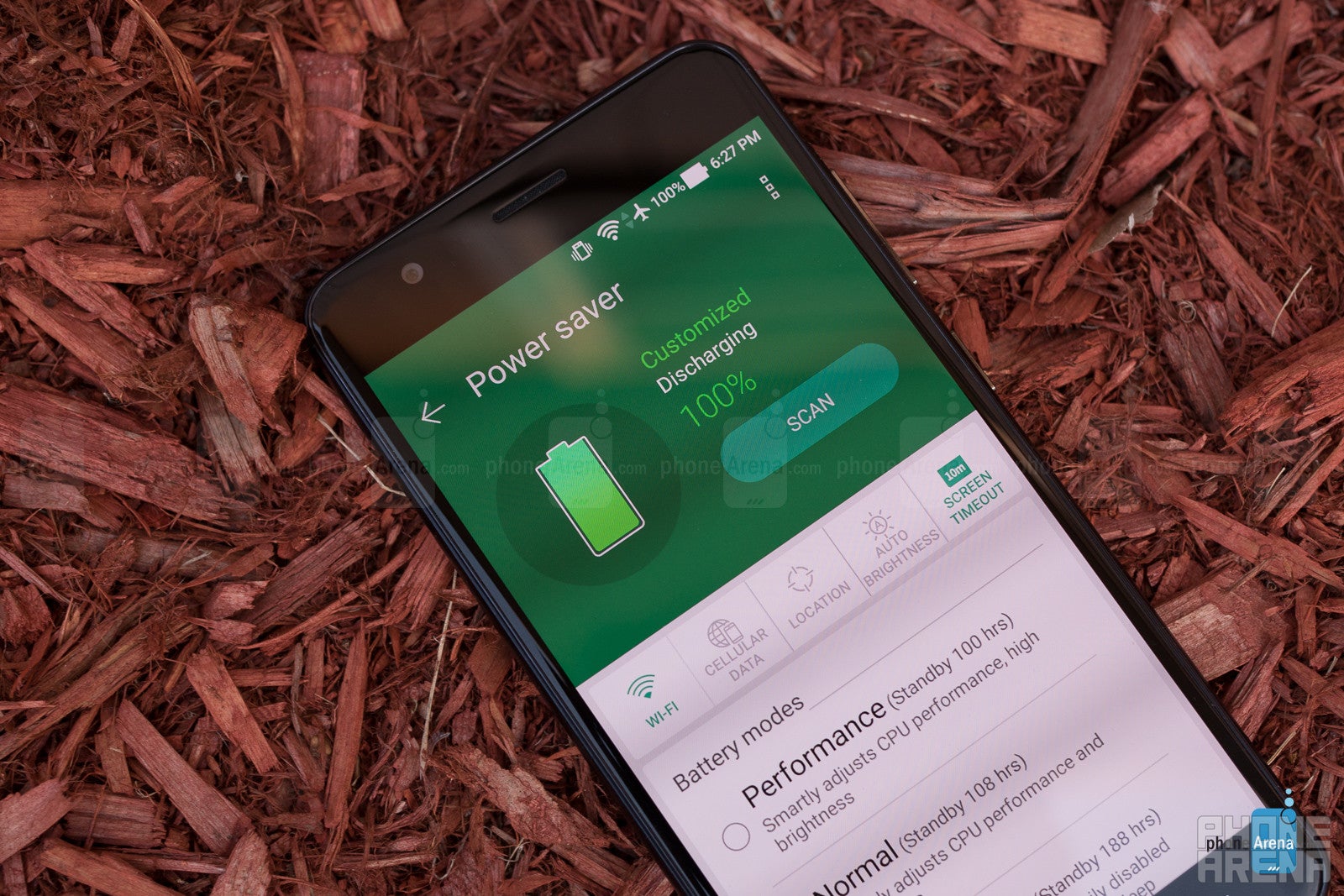
Besides the dual camera, the other real noteworthy feature of this phone's hardware is its huge battery: a big-honking 5,000mAh component. That's incredible to see on a phone, let alone one as relatively slim as this model.
The good news is that the combination of this giant battery and the power-conservative Snapdragon 625 chip results in some killer battery life – and in our custom test, we clocked over twelve solid hours of screen-on time.
Recharge times are quite slow, to the tune of over three hours, and while that might be expected with a 5,000mAh battery, it's a situation not helped any by a regular 5V, 2A charger – no special fast-charging tech present in the box.
Conclusion
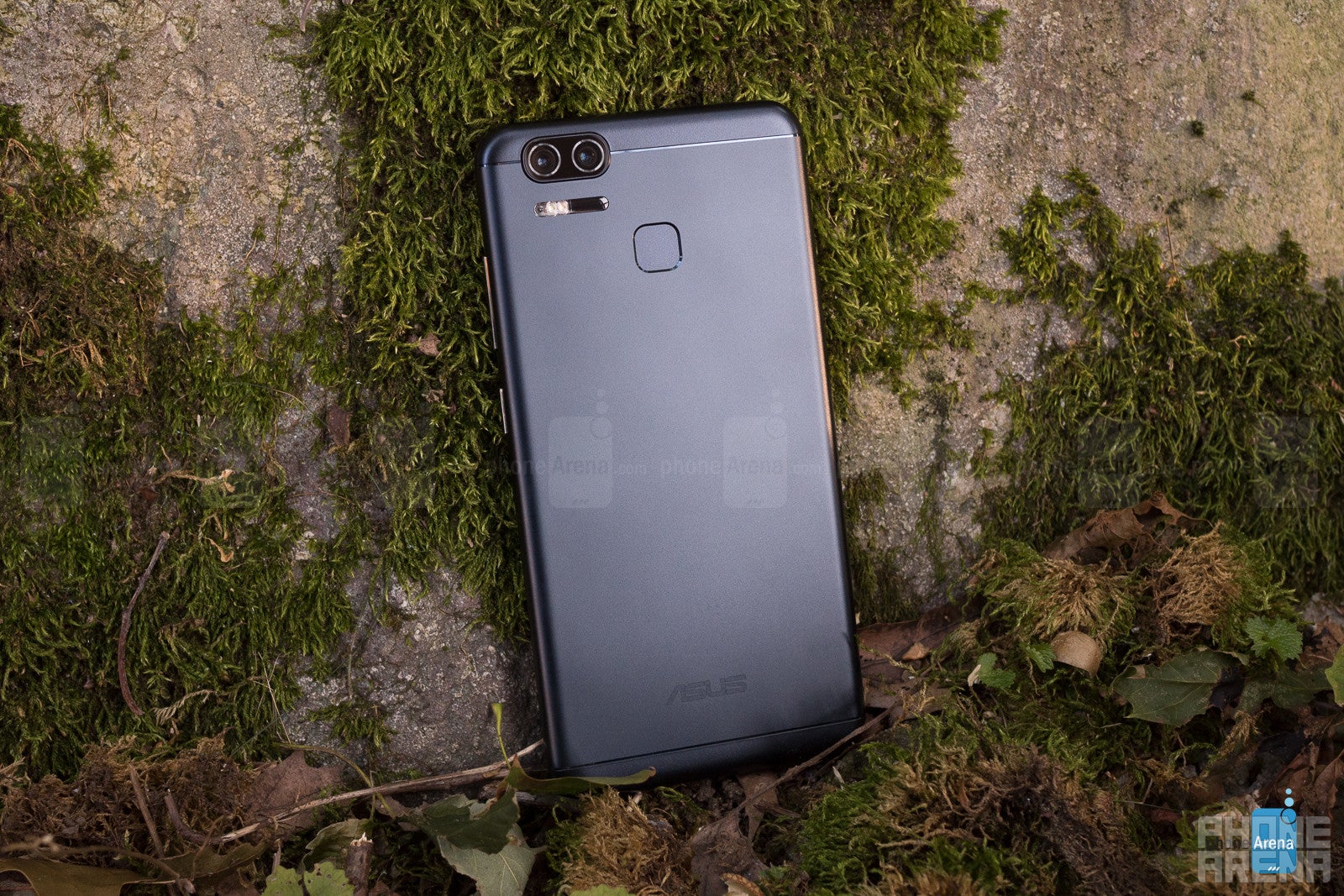
The Asus ZenFone 3 Zoom is a smartphone in an uncomfortable position. None of its big features – neither its dual cameras nor its giant battery – end up really panning out in quite the way Asus clearly hoped, and while they don't utterly disappoint, they're far from the major selling points they were meant to be.
But maybe that's neither here nor there. If we ignore the marketing hype, and don't let ourselves get distracted by what we think all these specs should come together to offer, the ZenFone 3 Zoom really is a quite solid smartphone. It's got decent performance, really good (if less than out-of-the-park great) battery life, and a respectable camera with more flexibility than the shooters on a whole lot of phones – including some more expensive models.
What's best, though, is the pricing, and at $330 or less (as we go to publish, Best Buy has the phone for just under $300), you're getting a fair amount of smartphone for your money. And while you could pay more and come home with a phone that maybe sees things through better than the missed potential we get the ZenFone 3 Zoom, it's a good enough deal that it's going to be difficult to feel too upset about going with this Asus hardware.

You can now read:
- Asus ZenFone 4 Selfie Pro Review
- Asus ZenFone 4 Max Review
- Asus ZenFone V Review
- Asus ZenFone 4 and ZenFone 4 Pro Review

Popular stories



Latest News




Things that are NOT allowed:
To help keep our community safe and free from spam, we apply temporary limits to newly created accounts: