Verizon thinks it had a good Q2
Is Verizon growing, or just cutting expenses?

CEO's comment isn't a good sign for customers. | Image by Light Reading
Verizon delivered another great quarter under new CEO Dan Schulman, a sign that his turnaround efforts are mostly paying off.
Q2 metrics
Mobility and broadband service revenue climbed 2.8%. Postpaid phone net additions totalled 184,000, marking its best Q2 performance in five years.
Not that exceptional
Revenue landed at $34.3 billion, down 0.7% year-over-year. Verizon noted that an increase in mobility and broadband revenue was offset by a $1.2 billion (20%) slump in equipment sales. That's because customers are keeping their devices longer, and the company has cut back on phone subsidies.
With recent updates including our new Simplicity plans, Verizon One converged offerings, and an industry-leading loyalty program, we are gaining subscribers and earning long-term retention based on real value rather than subsidized promotions.
Dan Schulman, Verizon CEO, July 2026
Net profit plummeted 22.9% year-over-year to $3.9 billion, weighed down by $1.8 billion in pre-tax charges.
Did Verizon do well?
49 Votes
At the expense of customers.
59.18%
That was an impressive comeback.
12.24%
At least customers aren't leaving like before.
28.57%
Cost-cutting
Schulman's playbook relies heavily on cost-cutting. Verizon itself credited the Q2 results to "strict operational discipline" and "improved unit economics."
Still, the strategy is working. Verizon expects total retail postpaid phone net additions in the upper half of the 750,000 to 1 million range, roughly 2 to 3 times its 2025 figures.
2025 isn't exactly a good benchmark, considering Verizon lost customers in three of the four quarters.
Zooming in
While Verizon is painting a rosy picture, not all is well under the hood. TMT analyst Walter Piecyk points out that postpaid account additions, Average Revenue Per Account (ARPA), and postpaid service revenue are all trending downward.
Meanwhile, T-Mobile came out ahead in both Ookla's and Opensignal's recent reports, suggesting Verizon's network isn't noticeably improving either.
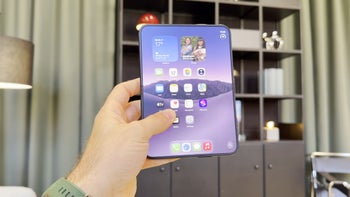
Stingier device discounts could push customers straight to rivals. For instance, T-Mobile offered better promos on Samsung's new foldable lineup, which is crucial because the new devices cost $100 more than their predecessors.
There are only so many corners to cut, and at some point, Verizon will need to figure out how to actually grow.


Popular stories





Latest News





Things that are NOT allowed:
To help keep our community safe and free from spam, we apply temporary limits to newly created accounts: