
SpaceX might be vying to make AT&T, T-Mobile, and Verizon obsolete
SpaceX may have revealed its grand vision for Starlink Mobile.
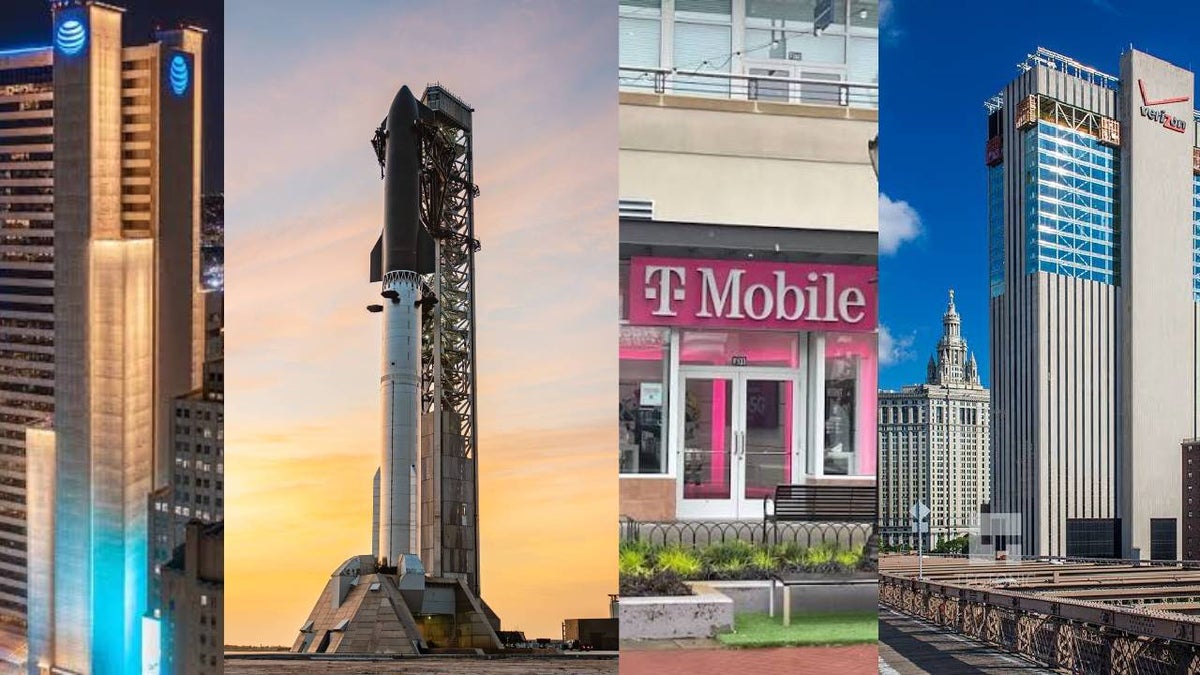
The FCC hasn't warmed up to the idea. | Image by PhoneArena
All signs point to SpaceX jumping into the cellular game. The company has basically said as much, but the road there remains a bit murky. With AT&T, T-Mobile, and Verizon unwilling to offer SpaceX a Mobile Virtual Network Operator (MVNO) agreement, the rocket company is left with two choices: buy one of the Big Three or build a network from the ground up. One analyst thinks the latter is far more likely.
Writing for Light Reading, Recon Analytics' founder Roger Entner noted that SpaceX asked the FCC to tweak upper C-band deployment rules. Under current guidelines, spectrum winners must cover 45% of the population in a license area within one year, and 80% within five using traditional ground towers.
SpaceX requested the commission to allow satellite coverage count toward those quotas. This would save its connectivity arm, Starlink, from the financially ruinous task of building towers in remote areas.
It's a clear sign SpaceX is already running the numbers on network construction. The FCC shot down the request, keeping the terrestrial-only rules in place.
SpaceX apparently wants to build a hybrid network where towers would serve dense urban centers, and satellites would provide connectivity in rural areas.
On the other hand, purchasing a carrier would weigh down its balance sheet and risk turning a futuristic corporation into just another utility provider.
Besides, Elon Musk's biggest wins have come from building companies from scratch.
Musk is slowly building out his spectrum portfolio, likely aiming for a network fundamentally different from anything run by AT&T, T-Mobile, and Verizon.
Of course, running a carrier isn't quite that simple in the real world. Satellite connectivity isn't yet at a point to outright replace terrestrial networks.
Then there's the mountain of operational hurdles to work through, such as setting up billing systems, forging partnerships with phone manufacturers, and obtaining regulatory approvals.
Musk has shown time and again that he isn't afraid to get his hands dirty. SpaceX is definitely thinking out loud here, and all this noise might simply be leverage to force the Big Three into an MVNO agreement.
Either way, SpaceX has its sights set on the cellular market, and that alone is enough to make traditional carriers nervous.
Laying its cards on the table
Writing for Light Reading, Recon Analytics' founder Roger Entner noted that SpaceX asked the FCC to tweak upper C-band deployment rules. Under current guidelines, spectrum winners must cover 45% of the population in a license area within one year, and 80% within five using traditional ground towers.
It's a clear sign SpaceX is already running the numbers on network construction. The FCC shot down the request, keeping the terrestrial-only rules in place.
It is a company that means to win spectrum at auction and build a satellite and terrestrial hybrid network on it from the ground up, the same way it built its own dish and its own router rather than buying either off a shelf.
Roger Entner, Recon Analytics founder, July 2026
What's SpaceX thinking?
SpaceX apparently wants to build a hybrid network where towers would serve dense urban centers, and satellites would provide connectivity in rural areas.
Besides, Elon Musk's biggest wins have come from building companies from scratch.
Musk is slowly building out his spectrum portfolio, likely aiming for a network fundamentally different from anything run by AT&T, T-Mobile, and Verizon.
What's Musk thinking?
178 Votes
Revolutionizing the carrier business.
46.63%
Keeping AT&T, T-Mobile, and Verizon awake at night.
14.04%
More $$$.
39.33%
Not so fast
Of course, running a carrier isn't quite that simple in the real world. Satellite connectivity isn't yet at a point to outright replace terrestrial networks.
Musk can pull it off
Musk has shown time and again that he isn't afraid to get his hands dirty. SpaceX is definitely thinking out loud here, and all this noise might simply be leverage to force the Big Three into an MVNO agreement.
Either way, SpaceX has its sights set on the cellular market, and that alone is enough to make traditional carriers nervous.


Popular stories


Latest News

Things that are NOT allowed:
To help keep our community safe and free from spam, we apply temporary limits to newly created accounts: