This massive Galaxy Watch Ultra 2 leak proves Samsung won't play it safe
The Galaxy Watch Ultra 2 may look like its predecessor, but this leak reveals massive upgrades.
We may earn a commission if you make a purchase from the links on this page.
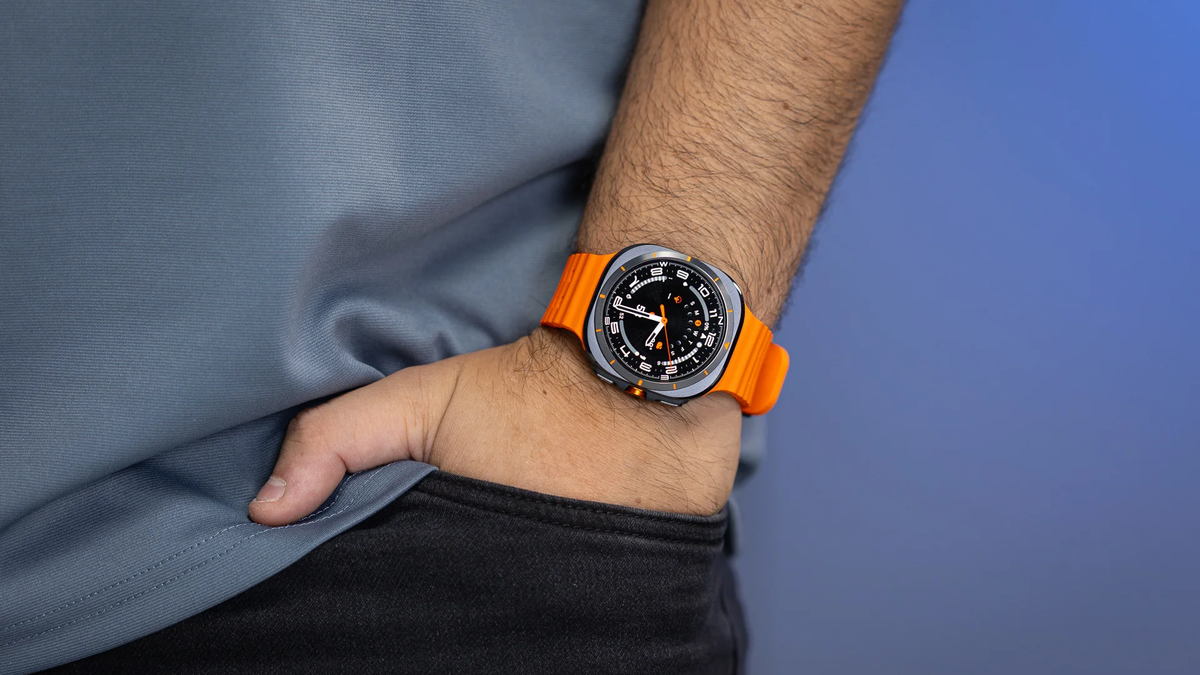
Galaxy Watch Ultra (2024) for illustrative purposes. | Image by PhoneArena
Samsung is having a very tough time keeping things under wraps in the final hours before its Galaxy Unpacked event. So far, nearly everything there is to know about the Galaxy Z Flip 8 and the Z Fold 8 has leaked. Now, a fresh report shows exactly what we can expect from the company's next premium smartwatch, the Galaxy Watch Ultra 2.
Little is left to the imagination after this leak
Samsung is completely transforming its premium wearable lineup. | Images by Evan Blass
In a July 20 newsletter leak, prominent tipster Evan Blass revealed all the upgrades that are coming to the Galaxy Watch Ultra 2.
For starters, the premium smartwatch is said to be 12% thinner while retaining a titanium body. It's also expected to feature an upgraded IP69K rating, while the Galaxy Watch Ultra (2025) comes with an IP68 rating.
Beyond the design changes, Samsung is reportedly increasing the battery capacity to a massive 800mAh. Previous rumors already pointed in this direction, and Blass' information practically confirms the upgrade.
Just like the Galaxy Watch 9, the upcoming premium wearable is packing a Snapdragon Wear Elite chip. Samsung has traditionally used its own Exynos processors in recent Galaxy Watch models, and it'll be interesting to see what performance and efficiency gains this shift brings.
Finally, the touchscreen on the Galaxy Watch Ultra 2 will reportedly reach a peak brightness of 5,000 nits, a substantial leap from the 3,000-nit panel on the current model.
For starters, the premium smartwatch is said to be 12% thinner while retaining a titanium body. It's also expected to feature an upgraded IP69K rating, while the Galaxy Watch Ultra (2025) comes with an IP68 rating.
Beyond the design changes, Samsung is reportedly increasing the battery capacity to a massive 800mAh. Previous rumors already pointed in this direction, and Blass' information practically confirms the upgrade.
Finally, the touchscreen on the Galaxy Watch Ultra 2 will reportedly reach a peak brightness of 5,000 nits, a substantial leap from the 3,000-nit panel on the current model.
Which Galaxy Watch upgrade looks most exciting to you?
397 Votes
The longer battery life
66.25%
I'm curious about the Wear Elite and its efficiency
8.56%
I'd like to see what AI features Samsung brings next
7.56%
Honestly, nothing
8.06%
I won't buy a new smartwatch this year
9.57%
The best Wear OS smartwatch release this year?
Still, early leaks suggest these upgrades will come at a cost, with reputable sources pointing to a €50 (~$57) price jump in Europe.
That leaves us with the real question: Will the Galaxy Watch Ultra 2 deliver the sheer perfection users have been waiting for, or will an inflated price tag make even these substantial improvements tough to justify?
We need these changes
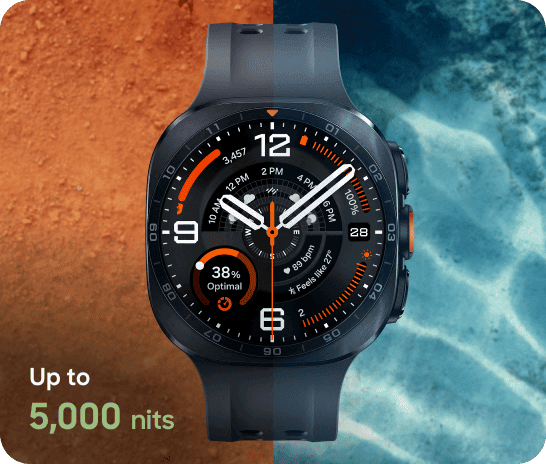
A screen that's brighter than sunshine? | Image by Evan Blass
Of course, we'll need real-world testing before we can determine whether these upgrades deliver a noticeable improvement. Still, if the leaks are accurate, the Galaxy Watch Ultra 2 could become Samsung's longest-lasting smartwatch yet.
Samsung is moving in the right direction
The Galaxy Watch Ultra 2 represents a potential shift in Samsung's long-term wearable plans. When the original model debuted in 2024, it was met with plenty of excitement.
The 2025 edition, however, was a different story: it was nearly identical to the original model, and no matter how I looked at it, I struggled to find a strong argument in favor of its release.
Now, Samsung seems to be getting back on track, bringing meaningful changes instead of simply repeating what worked before. In a landscape where brands don't normally innovate much, the South Korean tech giant is giving its premium wearable lineup the attention it deserves. Let's hope it works.


Popular stories


Latest News

Things that are NOT allowed:
To help keep our community safe and free from spam, we apply temporary limits to newly created accounts: