
Xiaomi 18 Pro Max Review: Make phones fun again


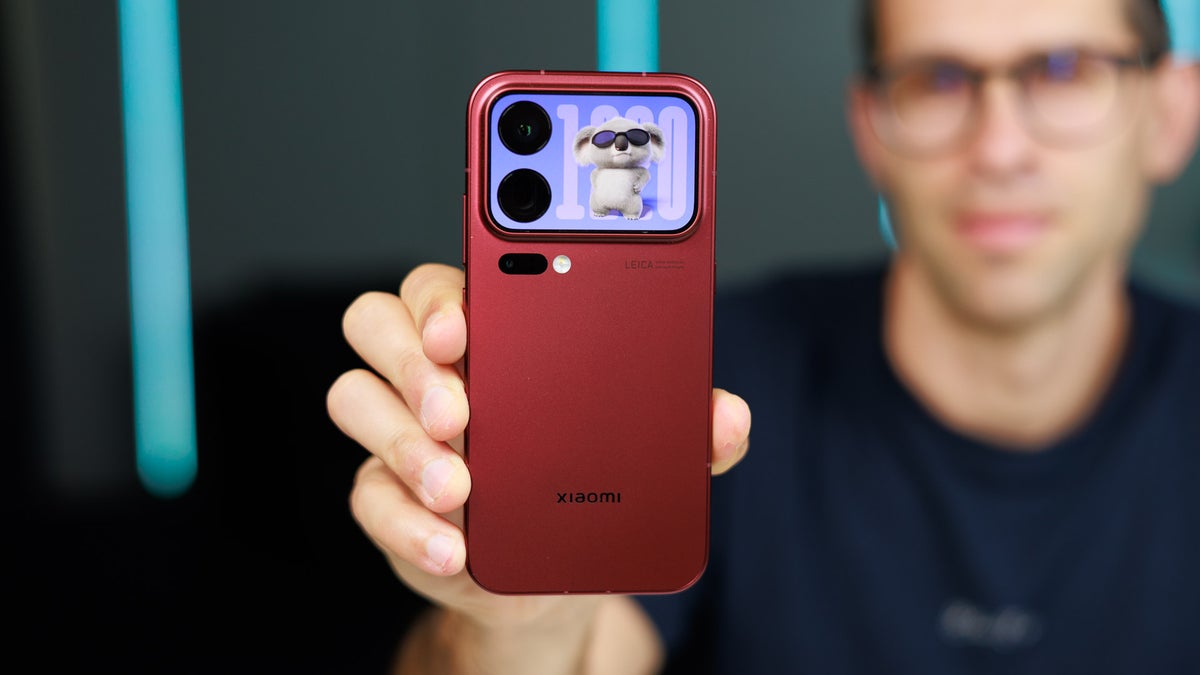
Xiaomi 18 Pro in beautiful Velvet Red
Summary: should you buy the Xiaomi 18 Pro
Smartphones these days are kind of boring. All companies seem to have settled on making the same familiar glass and metal slab with flat sides, and only the color on the back and the camera arrangement differs.
Not Xiaomi. The Xiaomi 18 Pro series features a fun new feature: there is a small screen on the camera plateau on the back of the phone! You can customize that little screen, use it to quickly glance at your notifications, have mini apps running on it and of course, use it as a viewfinder to take selfies with the impressive main camera. If there ever was a gimmick to get excited about, this is it.
Xiaomi is also one of the first companies to release a flagship with Qualcomm's first 2nm chipset, the powerful new Snapdragon 8 Elite Gen 6.
And while last year's Xiaomi Pro series did not make it out of China, this year, Xiaomi brings both the compact Xiaomi 18 Pro and its larger 18 Pro Max sibling to the European market. Both phones are priced on par with the latest iPhones. The Xiaomi 18 Pro official price starts from 1,400 euro, while the 18 Pro Max starting price is a whopping 1,600 euro.
For this review, I have used and tested the Xiaomi 18 Pro Max for seven days, taking hundreds of photos and videos. Our team has also run our extensive PhoneArena battery testing protocol and numerous other tests that you will find in this review.
Table of Contents:
Xiaomi 18 Pro Review Specs
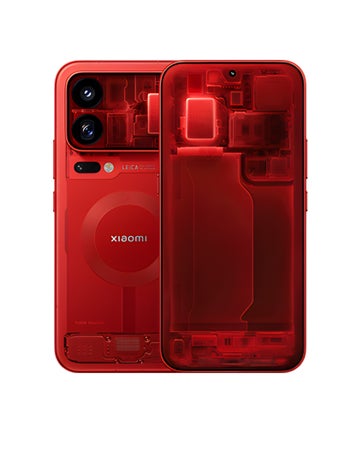
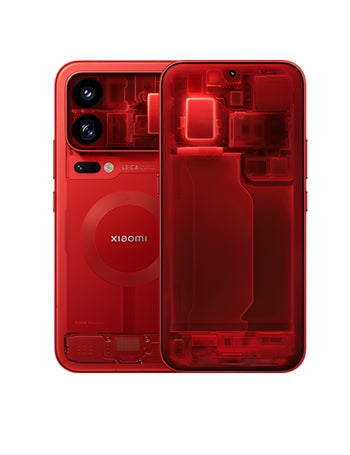
Let's start with an overview of the Xiaomi 18 Pro specs. One thing to know here is that the 18 Pro and 18 Pro Max share the same camera system, but differ in physical size and battery capacity.
|
|
|
| Xiaomi 18 Pro | Xiaomi 18 Pro Max | Apple iPhone 18 Pro Max |
| Dimensions | ||
|---|---|---|
| 151.8 x 72 x 8.5 mm | 163.43x 77.6 x 8.39 mm | 163.4 x 78.0 x 8.75 mm (~13.49 mm with camera bump) |
| Weight | ||
| 203.0 g | 235.0 g | 249.0 g |
| Size | ||
|---|---|---|
| 6.3-inch | 6.9-inch | 6.9-inch |
| Type | ||
| AMOLED, 120Hz | AMOLED, 120Hz | OLED, Variable 1-120Hz |
| System chip | ||
|---|---|---|
| Snapdragon 8 Elite Gen 6 SM8950 (2 nm) | Snapdragon 8 Elite Extreme Gen 6 SM8975 (2 nm) | Apple A20 Pro (2 nm) |
| Memory | ||
| 12GB (LPDDR5X)/256GB (UFS 4.1) 12GB/512GB | 12GB (LPDDR5X)/256GB (UFS 4.1) 12GB/512GB 16GB/1TB |
12GB (LPDDR5X)/256GB 12GB/512GB 12GB/1TB 12GB/2TB |
| Type | ||
|---|---|---|
| 7000 mAh | 8500 mAh | 5567 mAh |
| Charge speed | ||
| Wired: 100.0W Wireless: 50.0W | Wired: 100.0W Wireless: 50.0W | Wired: 60.0W Wireless: 25.0W |
| Main camera | ||
|---|---|---|
| 200 MP (OIS, Laser and PDAF) Sensor name: Light Hunter 960 Aperture size: F1.7 Focal length: 23 mm Sensor size: 1/1.28" Pixel size: 0.61 μm | 200 MP (LOFIC sensor, OIS, Laser and PDAF) Sensor name: Light Hunter 960L Aperture size: F1.7 Focal length: 23 mm Sensor size: 1/1.28" Pixel size: 0.61 μm | 48 MP (PDAF, ToF 3D depth sensing, Sensor-shift OIS) Sensor name: Sony IMX905 Aperture size: F1.5/F4.0 Focal length: 24 mm Sensor size: 1/1.28" Pixel size: 1.22 μm |
| Second camera | ||
| 50 MP (Ultra-wide, PDAF) Aperture size: F2.4 Focal Length: 17 mm Sensor size: 1/2.88" | 50 MP (Ultra-wide, PDAF) Aperture size: F2.4 Focal Length: 17 mm Sensor size: 1/2.88" | 48 MP (Ultra-wide, Sensor-shift OIS) Sensor name: Sony IMX972 Aperture size: F2.2 Focal Length: 13 mm Sensor size: 1/2.55" Pixel size: 0.7 μm |
| Third camera | ||
| 200 MP (Telephoto, Periscope, OIS, PDAF) Optical zoom: 3.2x Aperture size: F2.4 Focal Length: 75 mm Sensor size: 1/1.56" | 200 MP (Telephoto, Periscope, OIS, PDAF) Optical zoom: 3.2x Aperture size: F2.4 Focal Length: 75 mm Sensor size: 1/1.56" | 48 MP (Telephoto, Periscope, OIS, PDAF) Sensor name: Sony IMX973 Optical zoom: 4.0x Aperture size: F2.8 Focal Length: 100 mm Sensor size: 1/2.55" Pixel size: 0.7 μm |
| Front | ||
| 50 MP | 50 MP | 18 MP (Time-of-Flight (ToF), Autofocus, HDR) |
See the full
Xiaomi 18 Pro vs Xiaomi 18 Pro Max vs Apple iPhone 18 Pro Max specs comparison
or compare them to other phones using our
Phone Comparison tool
Xiaomi 18 Pro Design and Display
Inspired by you know who
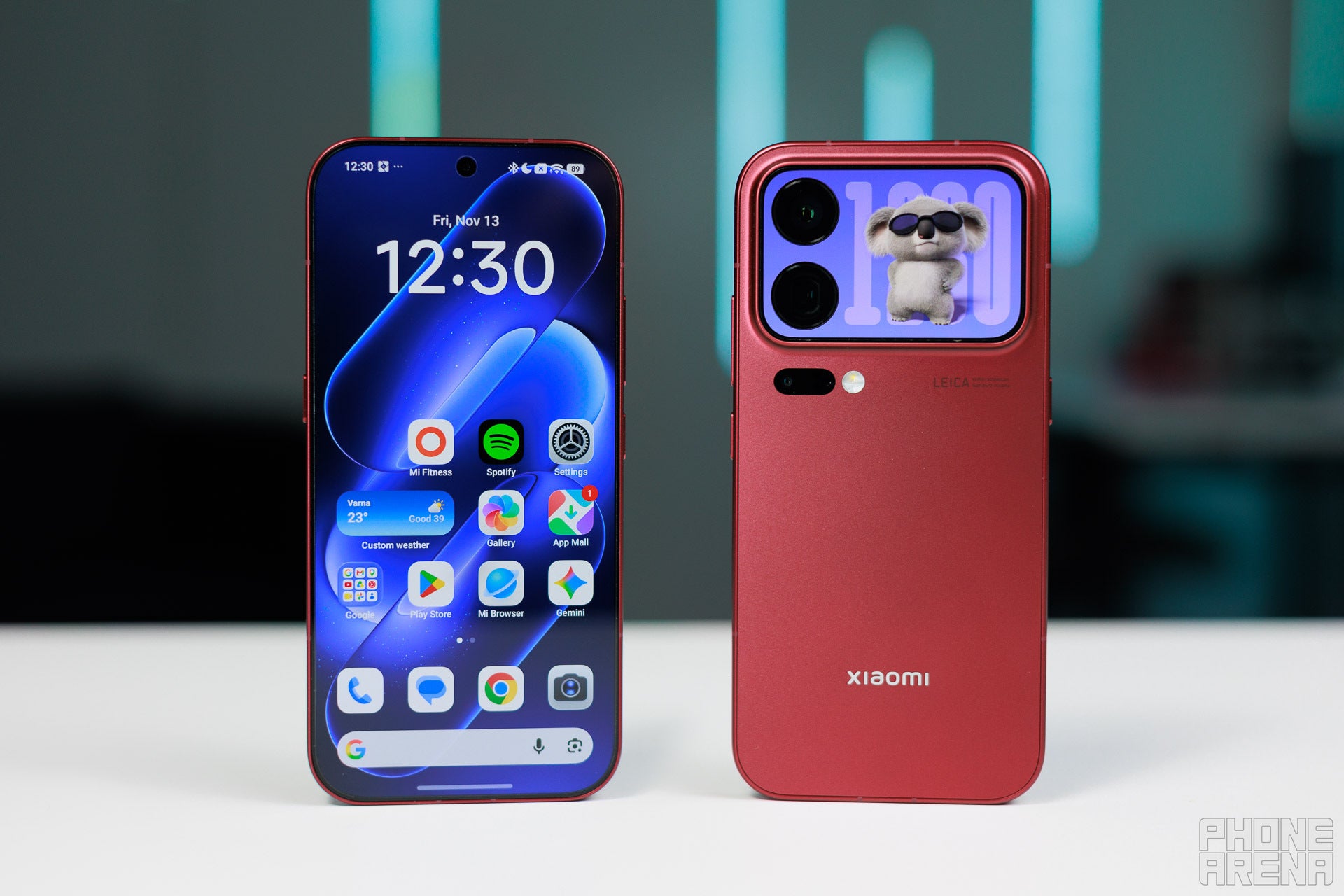
Image by PhoneArena
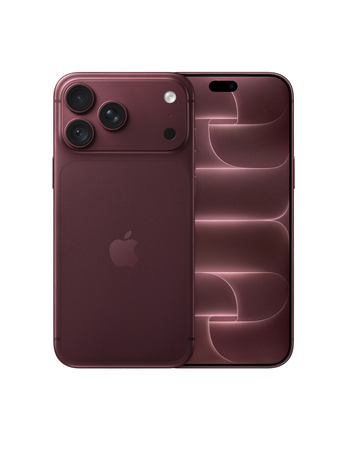
There are no two ways about this: the Xiaomi 18 Pro series is heavily inspired by Apple's latest iPhones. From the 18 Pro and 18 Pro Max names, to the signature red color, in line with Apple's burgundy iPhone shade, to the similar shape and even the camera plateau design.
Back Display
Despite all those similarities, Xiaomi manages to stand out with one very clever and useful new addition: the Back Display.
This nearly 3-inch screen on the back of the phone (2.7-inch on the 18 Pro and 2.9-inch on the 18 Pro Max), can transform from a fun distraction with cute animated characters, to a one-glance space for your notifications and timers, and all the way to a small canvas for AI apps. Just one simple prompt and you can have your own Super Mario game running on the back display.
Xiaomi will be adding even more features with software updates and in December, an update will allow placing your favorite photos on the back display as well, which I think many users will appreciate.
Of course, the main and most obvious use of the back display is as a viewfinder. On other phones, you have to guess the framing if you want to take selfies with the rear cameras, so people rarely do that, but not on the Xiaomi. This phone will really elevate the quality of those selfies, but more on that in the camera section of this review.
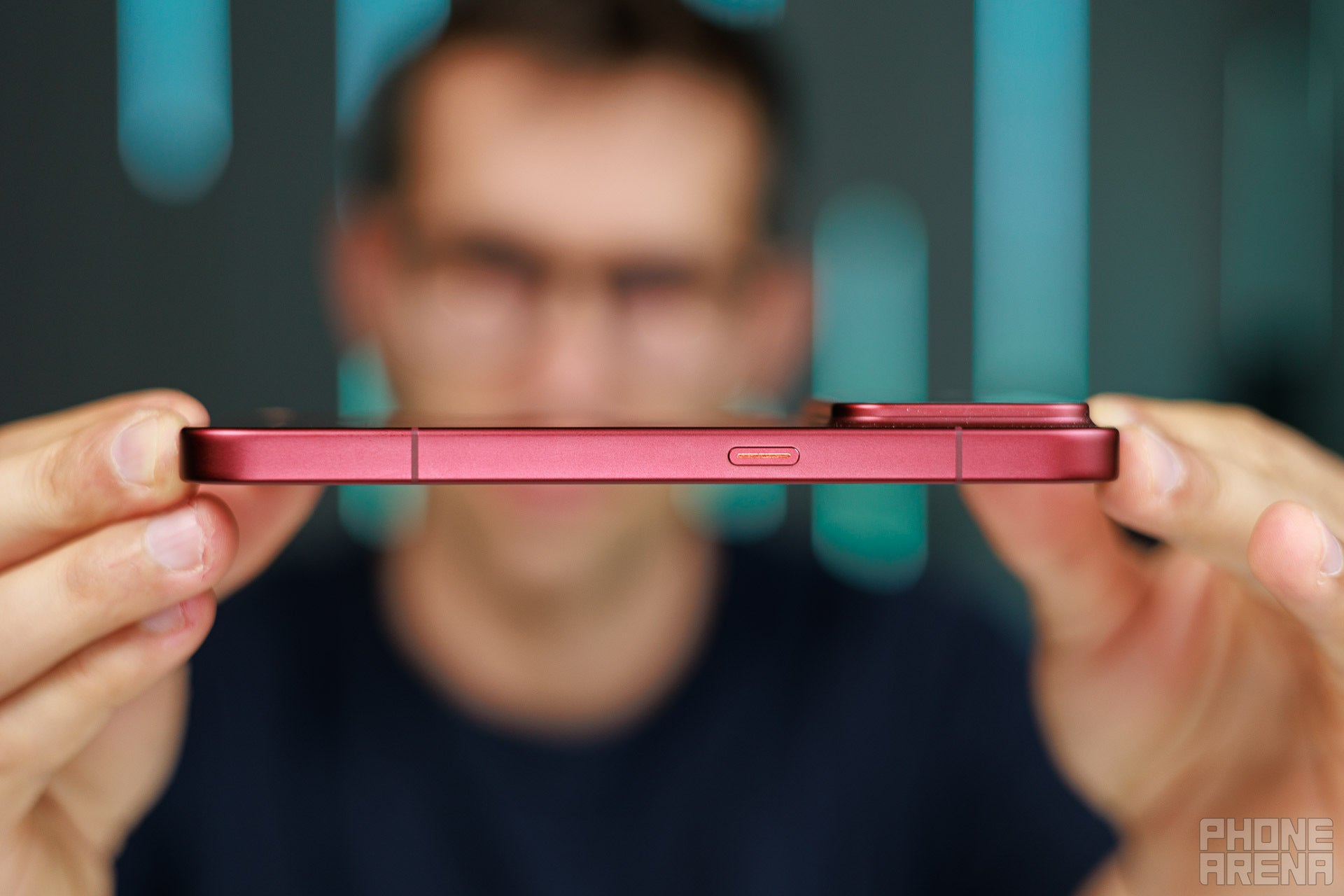
Image by PhoneArena
At 8.5mm of thickness, the Xiaomi 18 Pro is not the slimmest phone around, but it is a hair thinner than the competing iPhone.
The one disappointment for me was the AI button on the left side of the phone. I love having custom buttons, but Xiaomi has strangely limited this button to only a few functions. It can start AI Translate Conversations, it can trigger Silent Mode, DND, the privacy display function, and voice notes. That's it! Such a missed opportunity — I personally like to set such custom buttons to my favorite or most used app. For example, I usually set the Action button on iPhones to start ChatGPT.
I also would have loved to have a dedicated camera button. After all, the Xiaomi 18 Pro is an excellent camera.
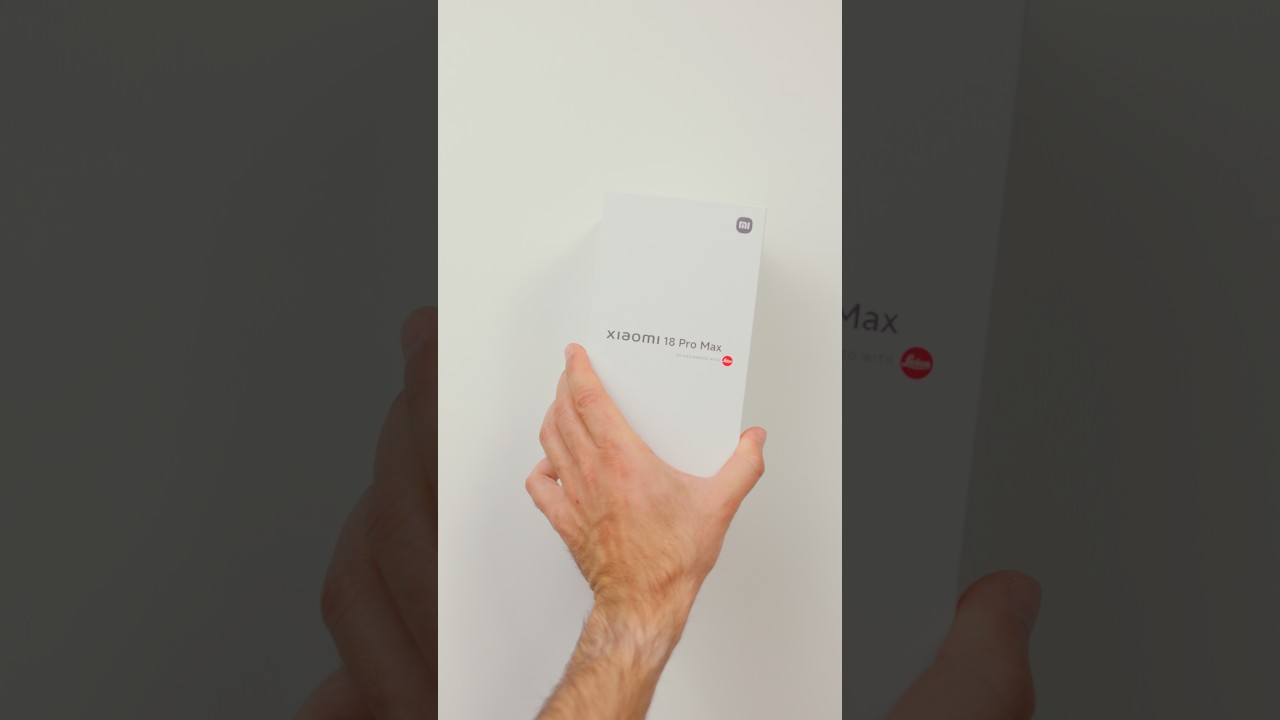

The unboxing experience with the Xiaomi 18 Pro is unlike most modern phones. The phone comes with pre-applied screen protectors, and there is even a case included in the box.
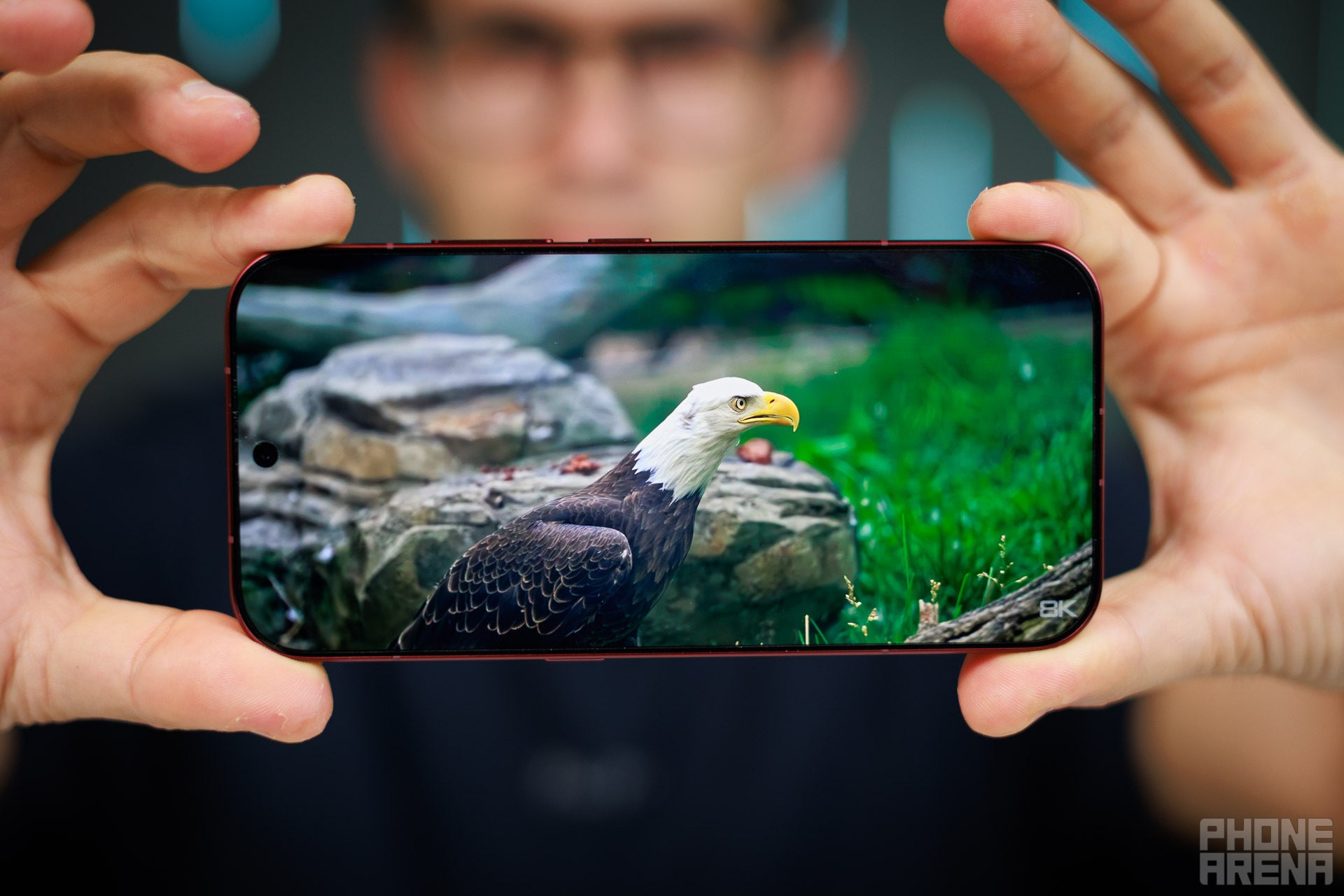
Image by PhoneArena
The Xiaomi 18 Pro comes with a 6.4-inch display, while the 18 Pro Max has a 6.9-inch screen.
Both phones come with impressively thin bezels measuring under 1mm, which looks very futuristic.


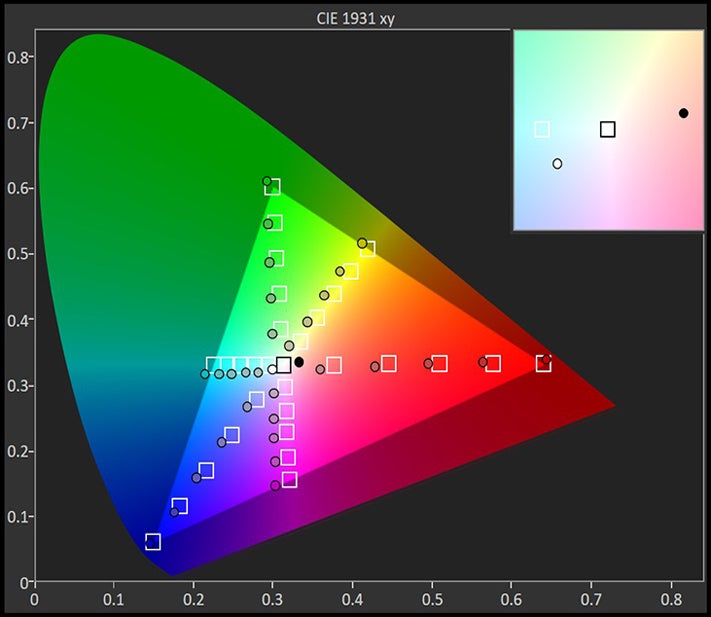
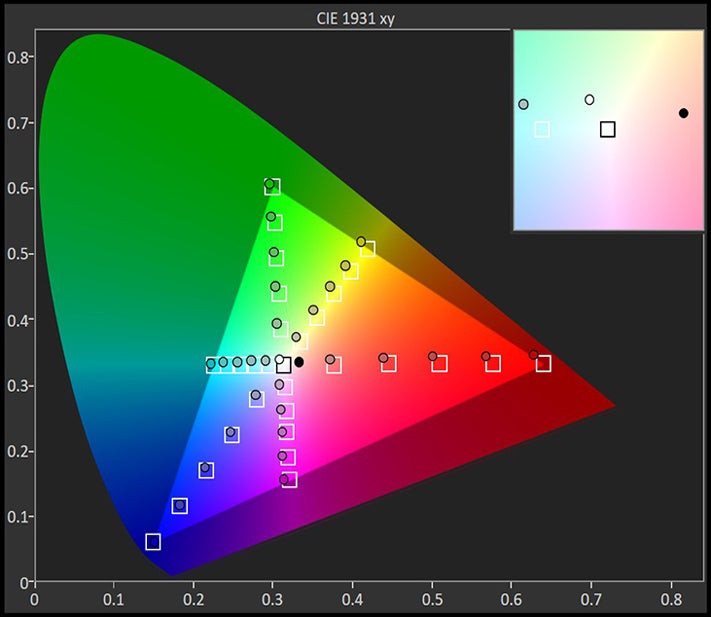


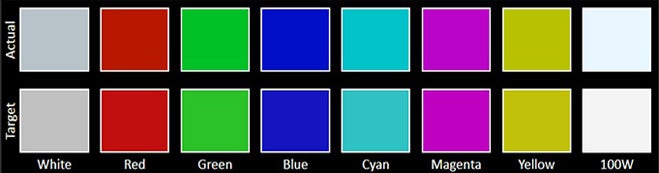
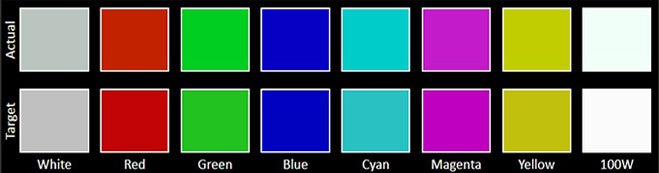




Much like Samsung, Xiaomi now has a Privacy Display feature that dims the screen at an angle and is meant to protect your sensitive data from the eyes of curious strangers on, say, the subway.
I have mixed feelings about this feature. It does dim the screen at an angle, but not quite to the point of the content being invisible, so most people would still be able to make out what's on your screen. The dimming is definitely not as pronounced as on Samsung's flagship.
Additionally, even when the Privacy Display is not running, screen viewing angles take a hit, so the display loses a lot of brightness if you look at it from an angle.
Was it even worth adding a Privacy Display feature when it affects the screen this way? I'm not really sure.
In terms of biometrics, there is an ultrasonic fingerprint scanner here, which does an excellent job — it's fast, accurate and I found it to be very reliable.
Xiaomi 18 Pro Camera
The selfies of a lifetime
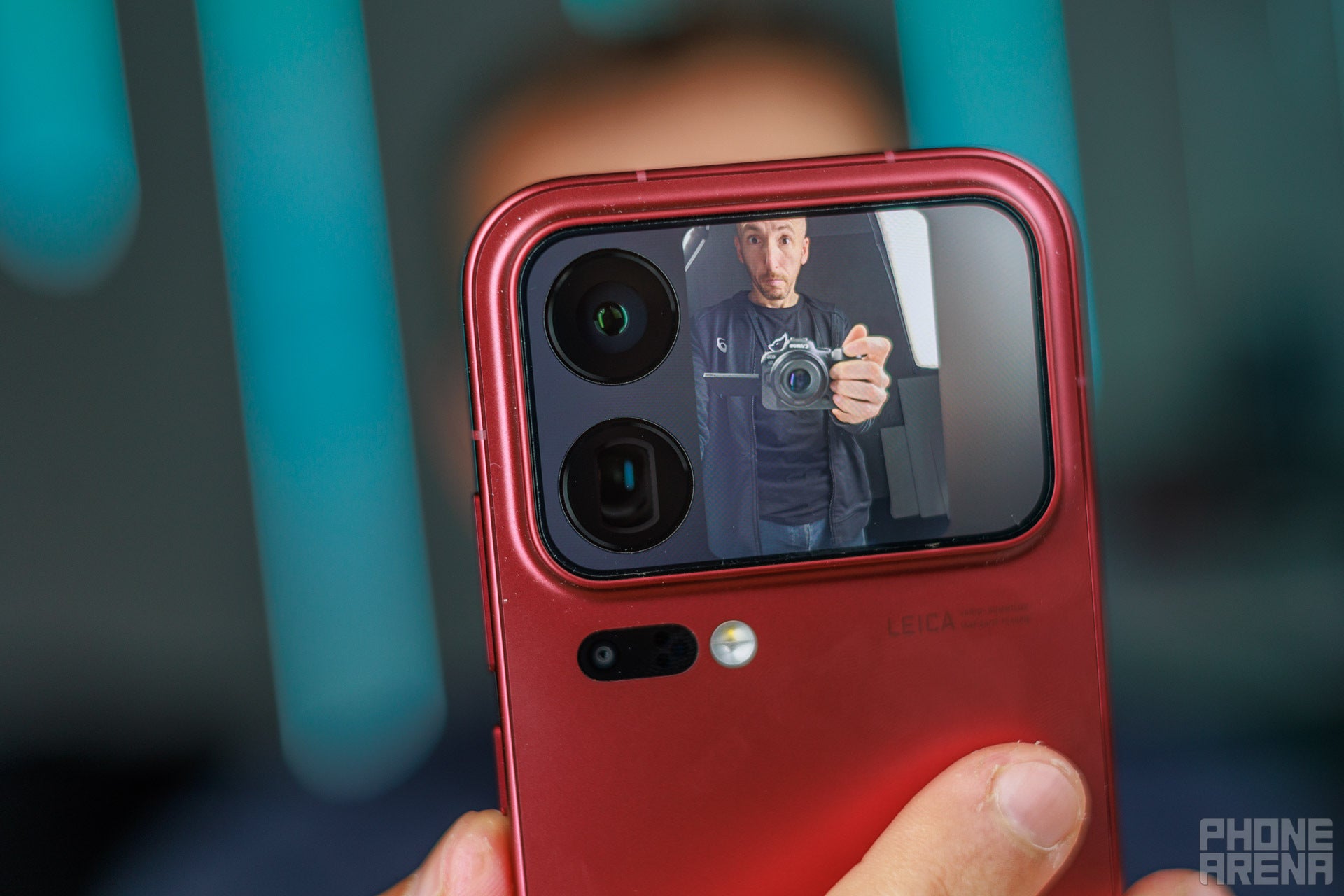
Image by PhoneArena
At first, you might think that the Xiaomi 18 Pro only has two cameras on the back, since the third, ultrawide camera is placed near the flashlight below the Back Display.
In pure technical terms, the Xiaomi 18 Pro uses a 1/1.3-inch main camera sensor (as big as the iPhone 18 Pro and Galaxy S26 Ultra). However, I think Xiaomi really steps up things with the color science. You can choose between one of three styles: Original, Leica Vibrant and Leica Authentic. For this comparison, I shot all photos with the Original style which leans a bit filmic and analog. The Leica Styles are also incredibly cool, and the Authentic one comes with typical Leica tones and an intentional vignette.
One compromise on the Xiaomi 18 Pro is the smaller-than-typical ultrawide camera. This is obviously because of the back display, which takes up space. It's also a 0.7X camera, which feels very close to the main camera, so oftentimes I don't even find the point of using the ultrawide.
Furthermore, because of its weird positioning outside the camera plateau, my finger ended up in photos taken with the ultrawide camera way too often.
Main Camera




Portraits




Telephoto


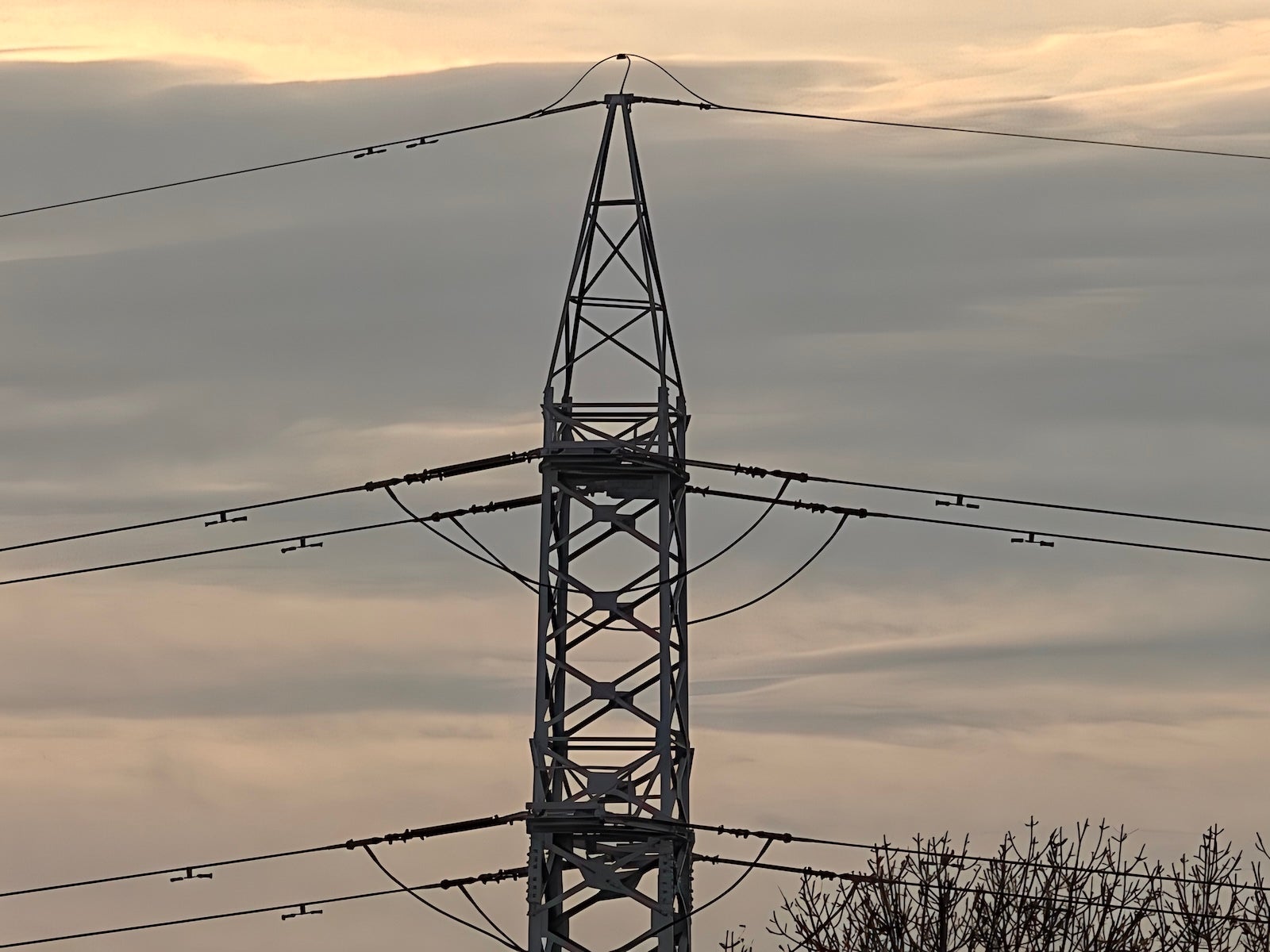

Ultrawide




Selfies




The Xiaomi 18 Pro is a camera phone, and you really get to see why in the photos. The detail is surprisingly clean compared to mainstream rivals from Apple and Samsung, and colors are not offensively oversaturated. The images you get are indeed very close to what you'd expect to see out of a camera, not a camera phone, so the Xiaomi 18 Pro punches above its weight here.
And selfies with the Back Display are really something else. Whether you like vlogging or value those selfie moments, this phone stands tall among all others.
Xiaomi 18 Pro Performance & Benchmarks
Surprisingly unchanged
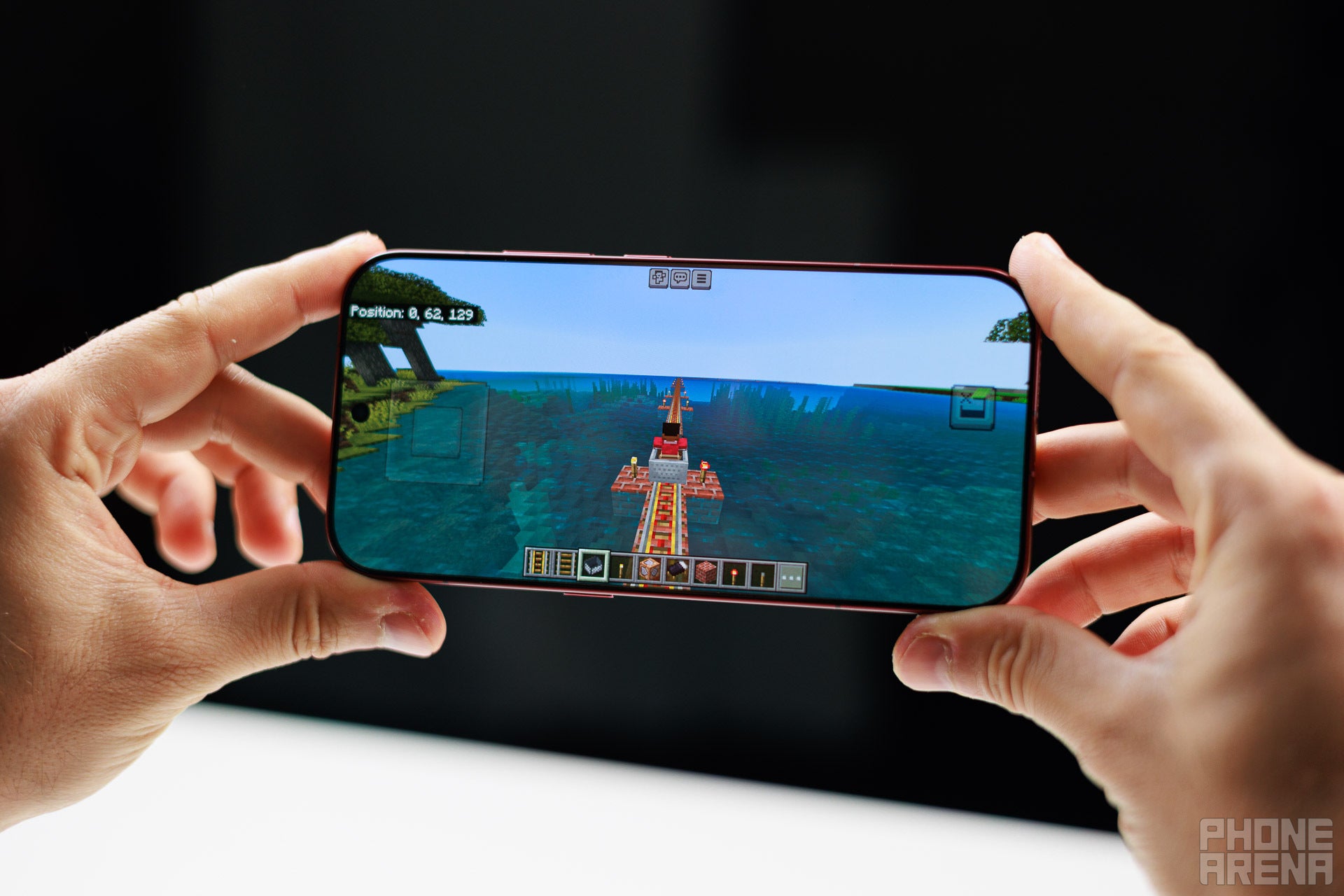
Image by PhoneArena
The Xiaomi 18 Pro comes with Qualcomm's latest chipsets. The smaller Xiaomi 18 Pro runs on the Snapdragon 8 Elite Gen 6, while the 18 Pro Max uses the slightly faster 8 Elite Gen 6 Extreme version. These are Qualcomm's first 2nm chips, a major step up from the previously used 3nm node. Both models come with 12GB of RAM.
CPU Performance Benchmarks:
GPU Performance
Despite Qualcomm's promises, I was surprised to see no meaningful improvement in performance speeds in the industry-standard benchmarks that we run. The Xiaomi 18 Pro Max is on par with the Galaxy S26 Ultra, which features the previous generation Qualcomm chip.
We do see higher speeds in prolonged gaming sessions, but even that is a modest increase. I guess Qualcomm mostly focused on the efficiency side of things with this generation.
Xiaomi 18 Pro Software
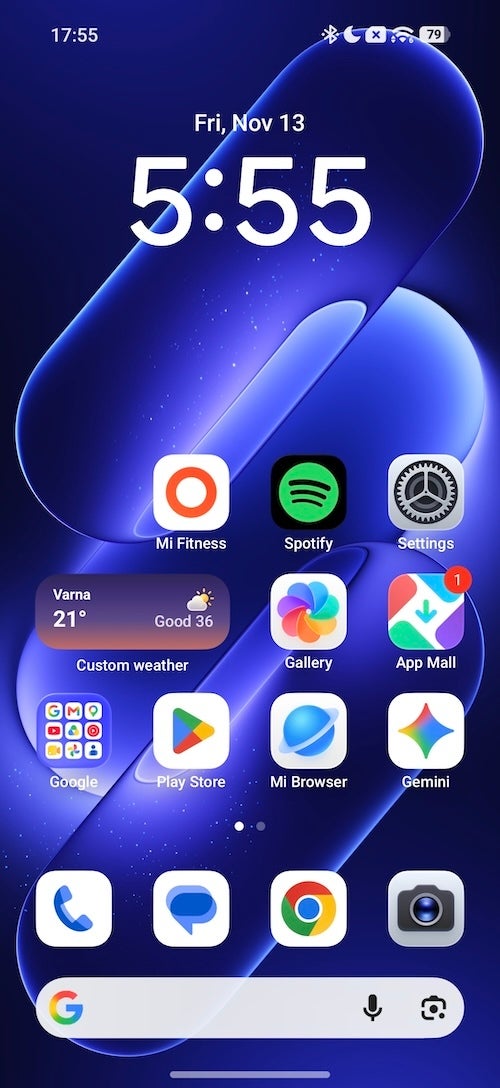
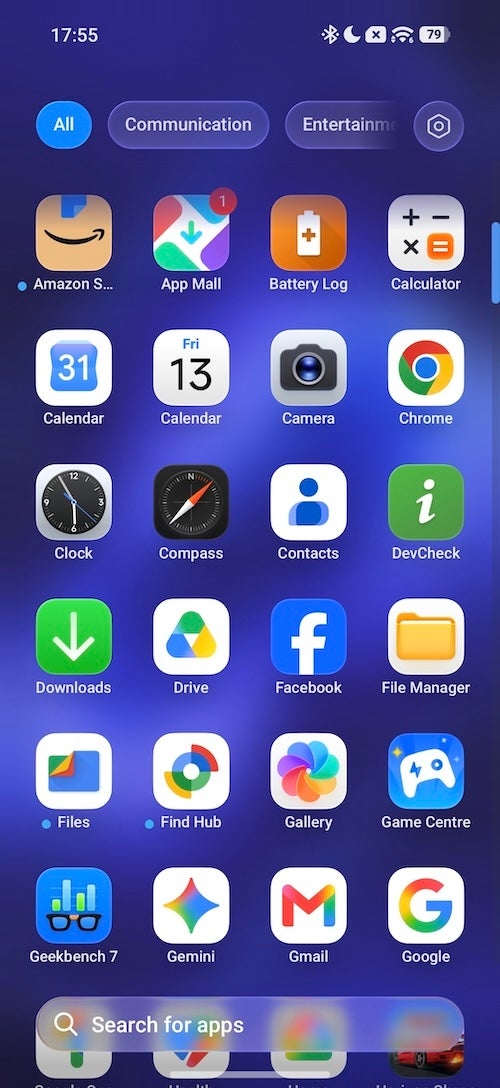
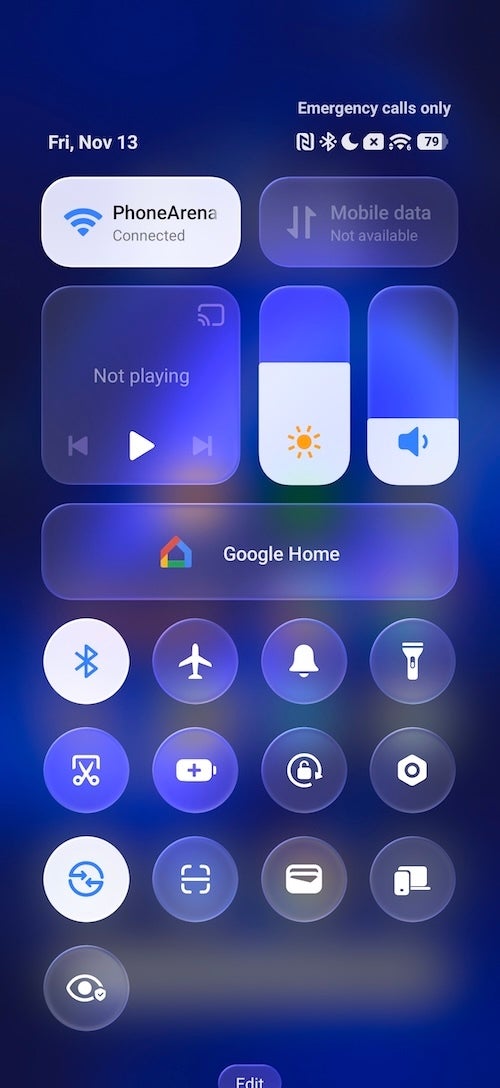
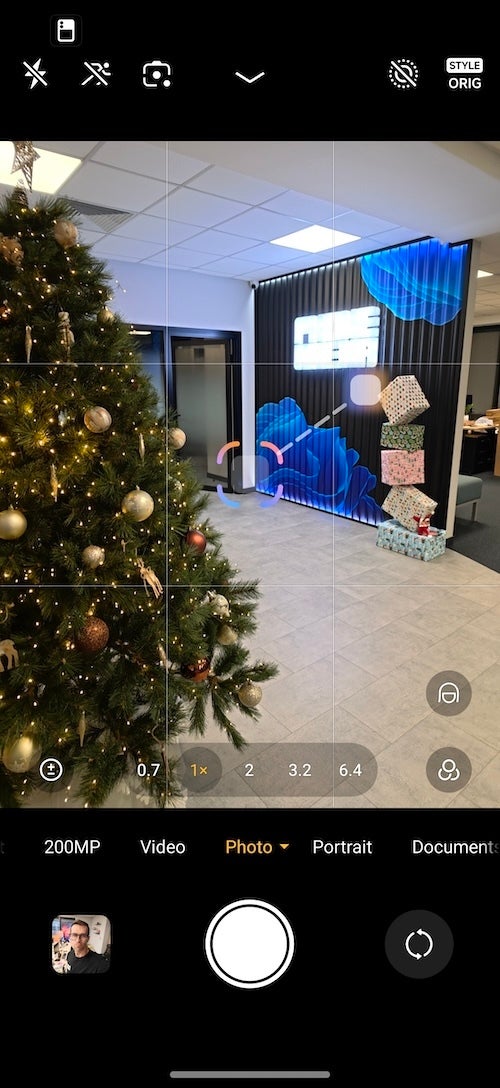
As I mentioned earlier, you can feel the Apple influence with the design of the Xiaomi 18 Pro, but equally so with the software.
The phones run Xiaomi's Hyper OS 4, but it feels a lot like iOS in certain places like the control center, camera app and settings interface. I guess originality is not the goal here, but Xiaomi wants to provide iOS users with a familiar interface. Maybe this could help those familiar with Apple's ecosystem make the switch to a Xiaomi phone.
Still, for what it's worth, Hyper OS 4 runs buttery smooth, with no hiccups whatsoever (I think it's a marked improvement from Samsung's One UI, which still feels surprisingly jittery at times).
Xiaomi 18 Pro Battery

The Xiaomi 18 Pro comes equipped with a 6,000mAh battery, while the 18 Pro Max boasts a 7,050mAh cell. Both use silicon-carbon technology with 28% silicon content and a 4.56V high-voltage architecture.
Charging speeds are also impressive: 90W for the 18 Pro and 100W for the Pro Max, but you need to use a proprietary Xiaomi charger to reach those speeds.
Both phones also support wireless charging at up to 50 watts, but I was disappointed there was no MagSafe on the phones, so you need to pair them with a MagSafe/Qi2 case. I find MagSafe so useful because of the whole ecosystem around it: MagSafe tripods, MagSafe car stands, MagSafe nightstands, and so on.
Xiaomi 18 Pro Audio Quality and Haptics
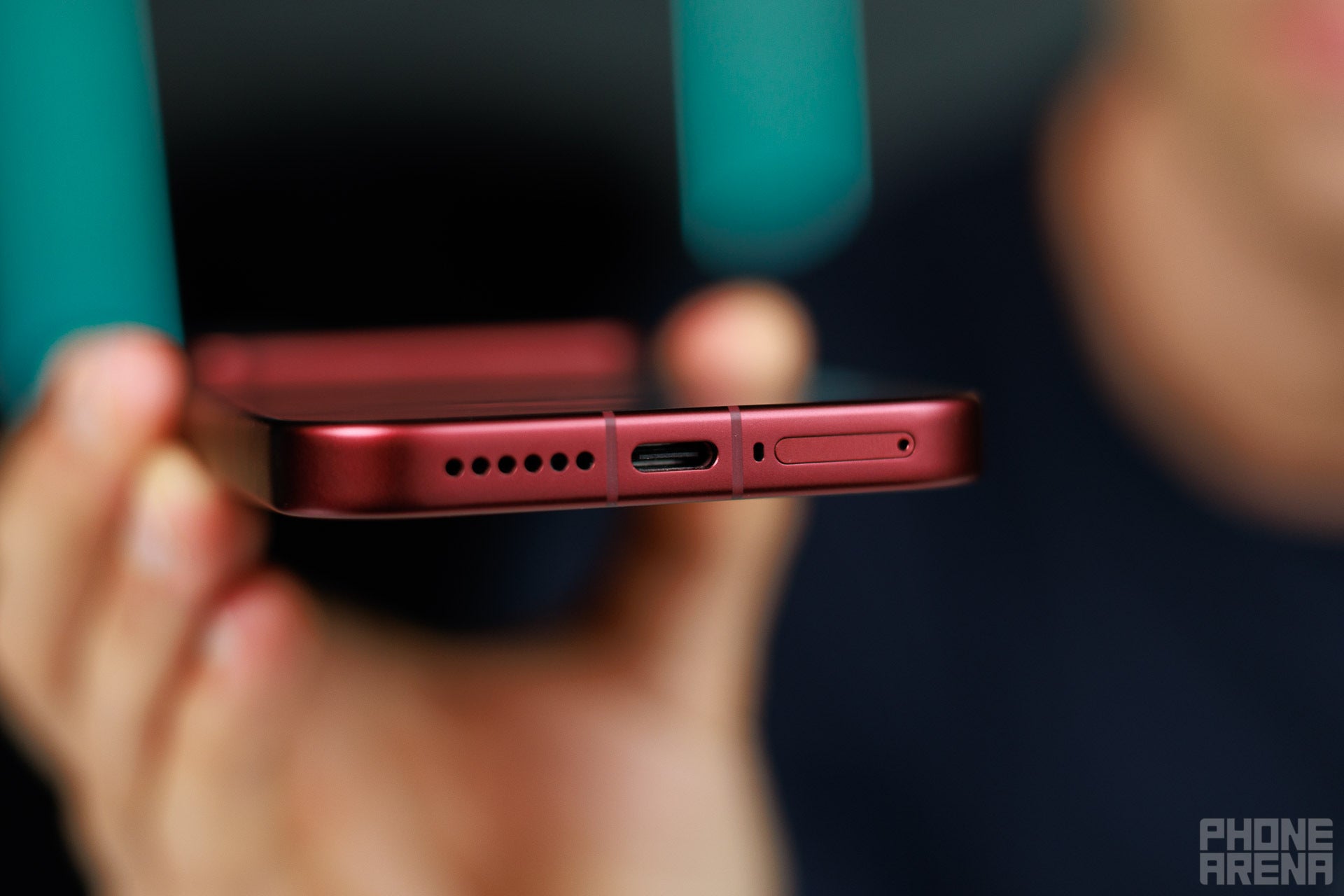
Image by PhoneArena
The Xiaomi 18 Pro series also has excellent haptics, which you notice right away. The vibration feedback is very tight and helps you with typing accurately.
I was also quite impressed with the audio quality coming out of the dual speakers. There is a reasonable amount of bass for a smartphone, and the sound is well balanced. This still does not quite compare to the phone of olden days with dual front firing speakers, but it's not far off either.

Popular stories



Latest News

Things that are NOT allowed:
To help keep our community safe and free from spam, we apply temporary limits to newly created accounts: