Bigger battery, but less RAM: This mid-range phone is the ultimate late-2026 contradiction
Just months after releasing the V70, Vivo is back with the V80, which is… quite similar.

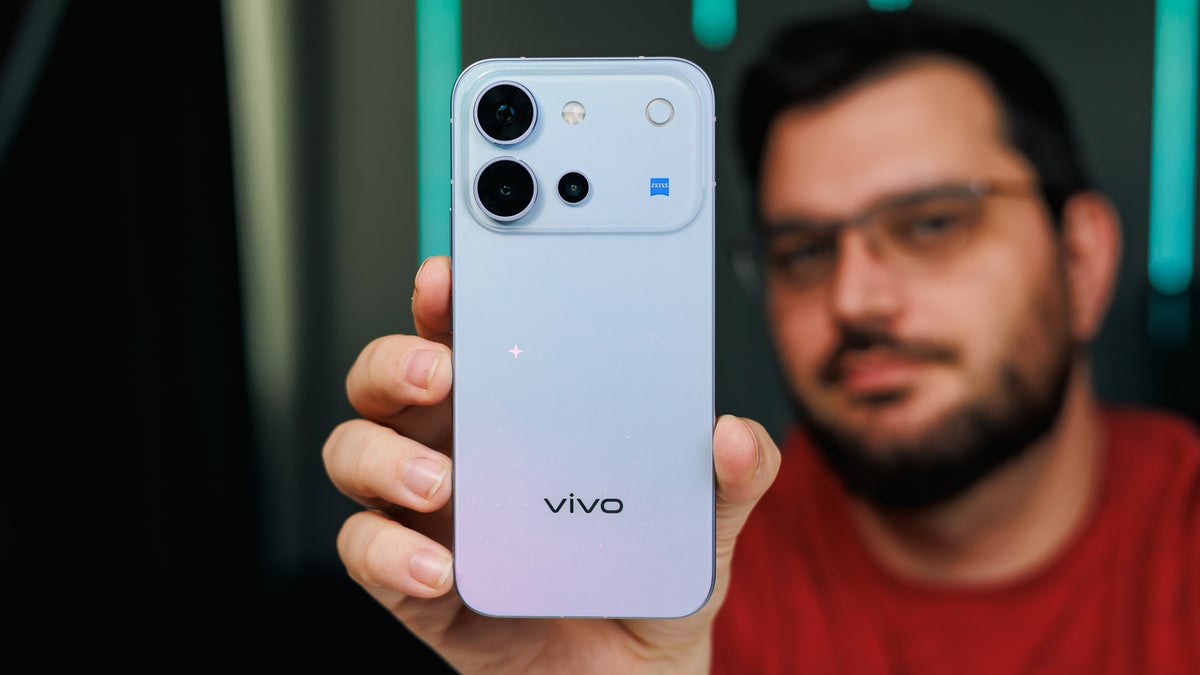
Win some, lose some. | Image by PhoneArena
Earlier this year, Vivo released its V70 mid-ranger, which was a pretty decent, albeit exotic, alternative to devices like the Pixel 10a and iPhone 17e. The highlight with that phone was the intriguing shimmering design on the glass back, as well as the fairly great hardware you got for around €599.
Just nine months later, however, Vivo announces the V80 follow-up, which doesn't exactly feel like a real successor to the device.
The reasons for that are numerous, but I promise they perfectly match up with the general mood of the late-2026 smartphone market.
The new Vivo V80 retains the general camera setup and chipset of the Vivo V70, but comes with a larger battery and a slightly smoother screen. However, at the same time, the Vivo V80 comes with less RAM on board (12 GB versus 8 GB), which is a direct result of the RAM crisis going on.
As an upside of sorts, the price has been kept the same. The V80 starts at a bit over €500 for the 128 GB version and can go over €700 for the 512 GB model.
Design and display
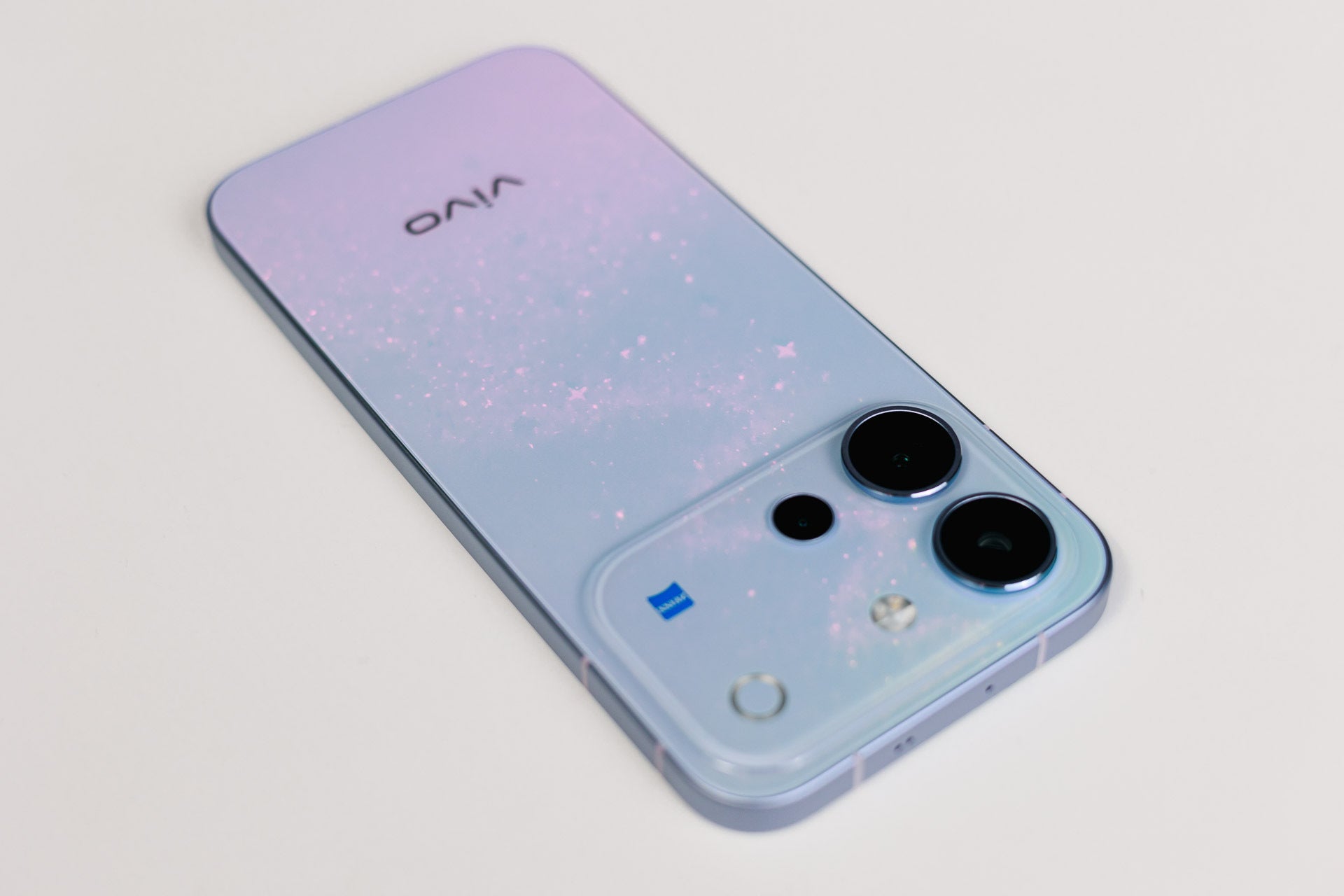
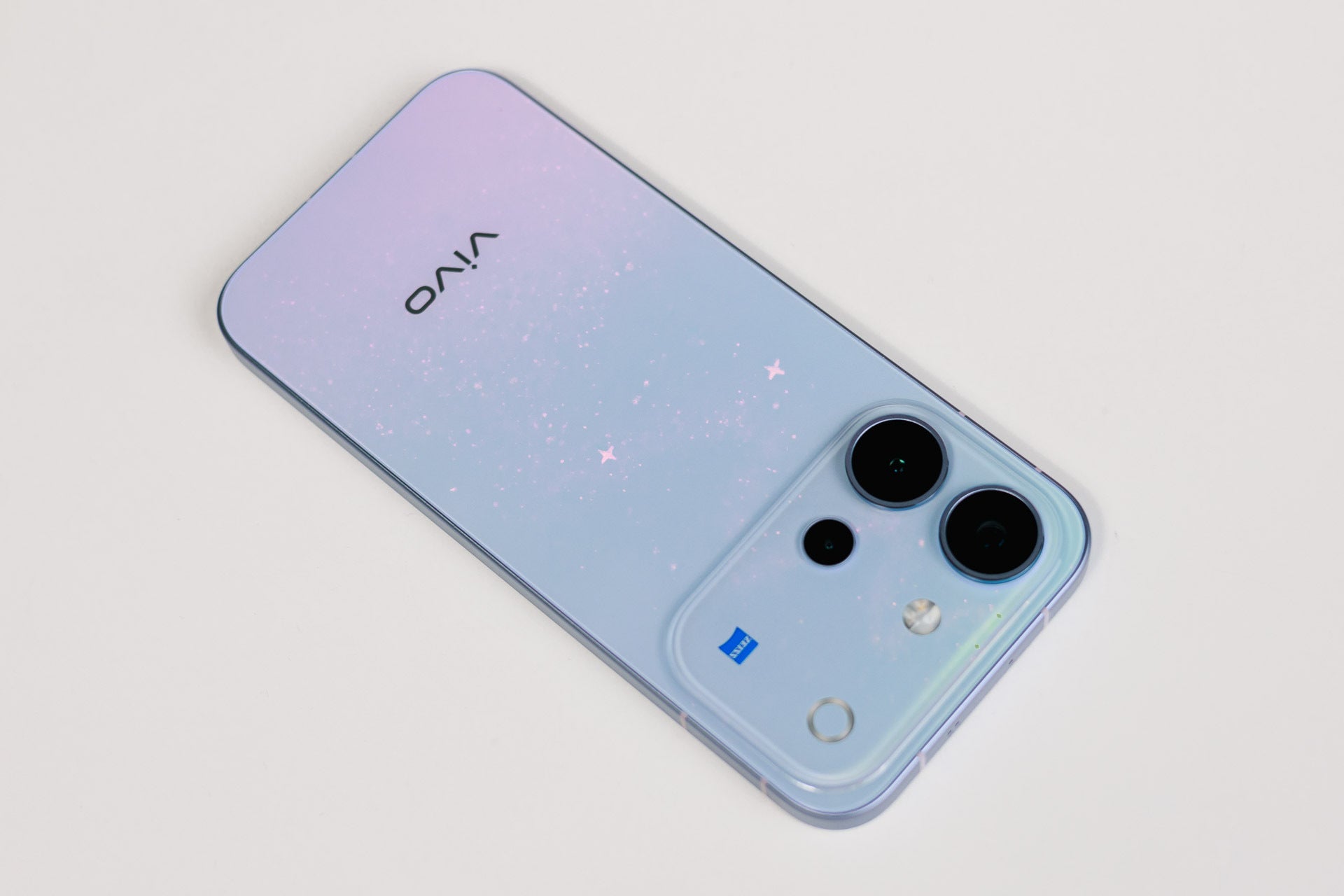
The shimmering design is interesting. You have to look at the phone at a certain angle to see it, though. | Images by PhoneArena
Just like the Vivo V70, which had an intriguing shimmering back that only showed its pattern when viewed at an obtuse angle, and that was one of the highlights of the phone. The Vivo V80 does the same adage and also features a glossy glass back that shimmers under an angle.
Aside from that curious design element, the Vivo V80 is a fairly standard device. Unsurprisingly, it has a flat frame and rounded corners, like most devices that are launched these days and undoubtedly the many that are still in the pipeline for the future. Nothing really stands out here, but then again—this is a mid-range phone, so looks and a unique design aren't really expected.
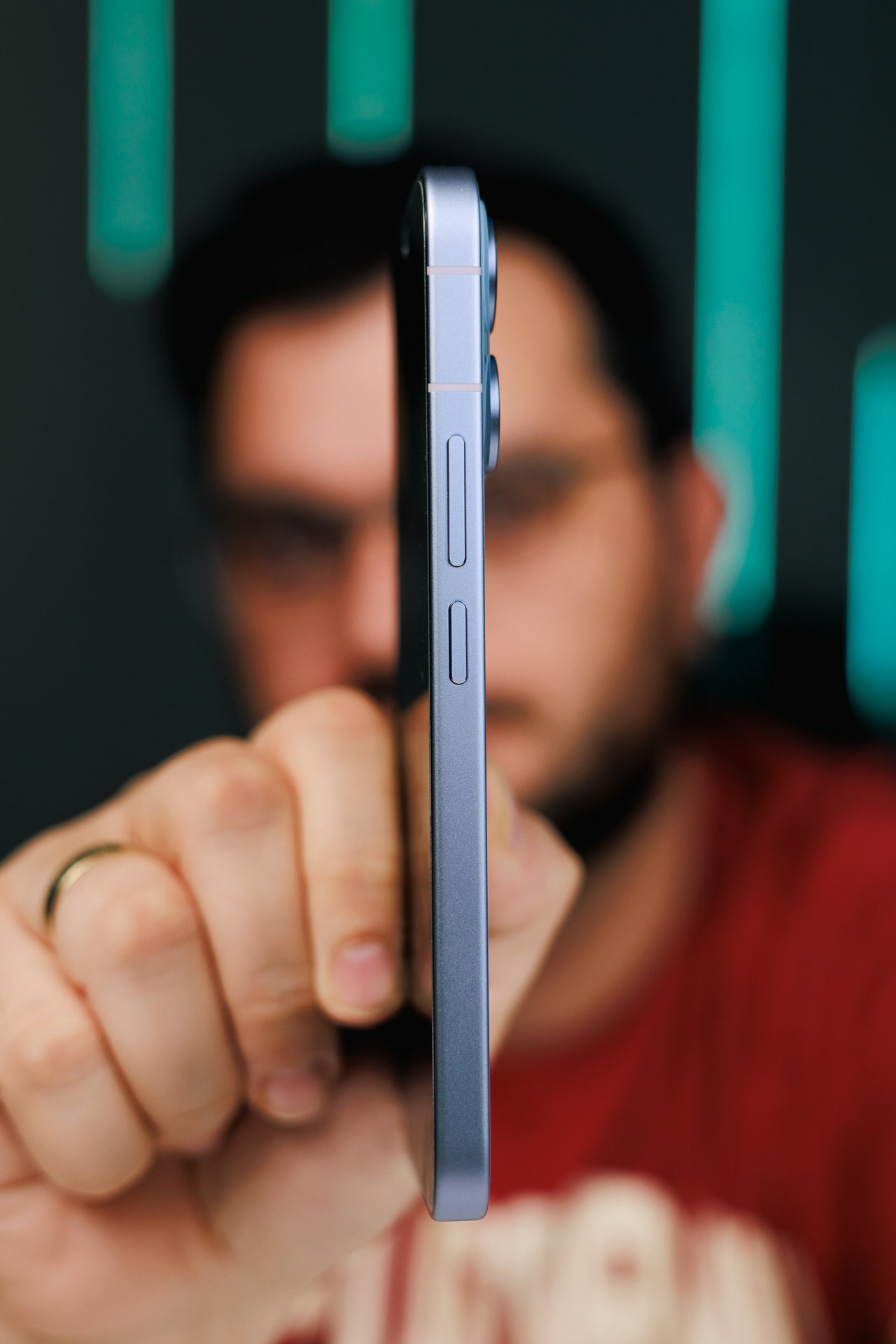
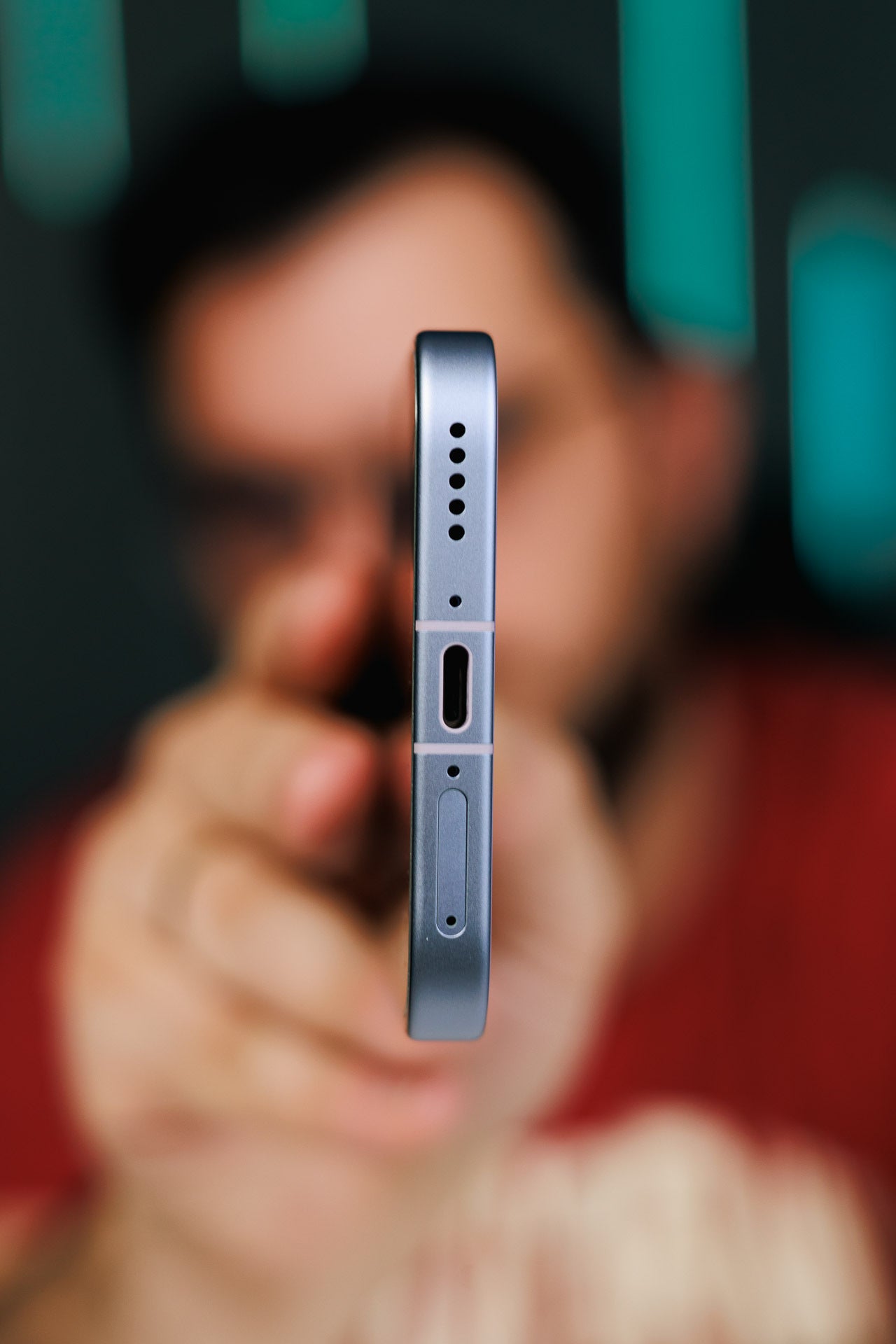
The phone sits nice in the hand and never feels too bulky, which is a win in my book. It also retains the top-positioned IR sensor that most Chinese phones are known for, and also has very tight IP69 water and dust resistance on deck.
One thing I was totally unsurprised to see in the back was an iPhone-like camera plateau, which is adorned with the Zeiss logo and houses all cameras, sensors, and the flash itself. This is something that has already been done by many other devices and manufacturers, so I'm not at all surprised by this novel design change here.
I can't say that I like it, but I do understand why it's there…
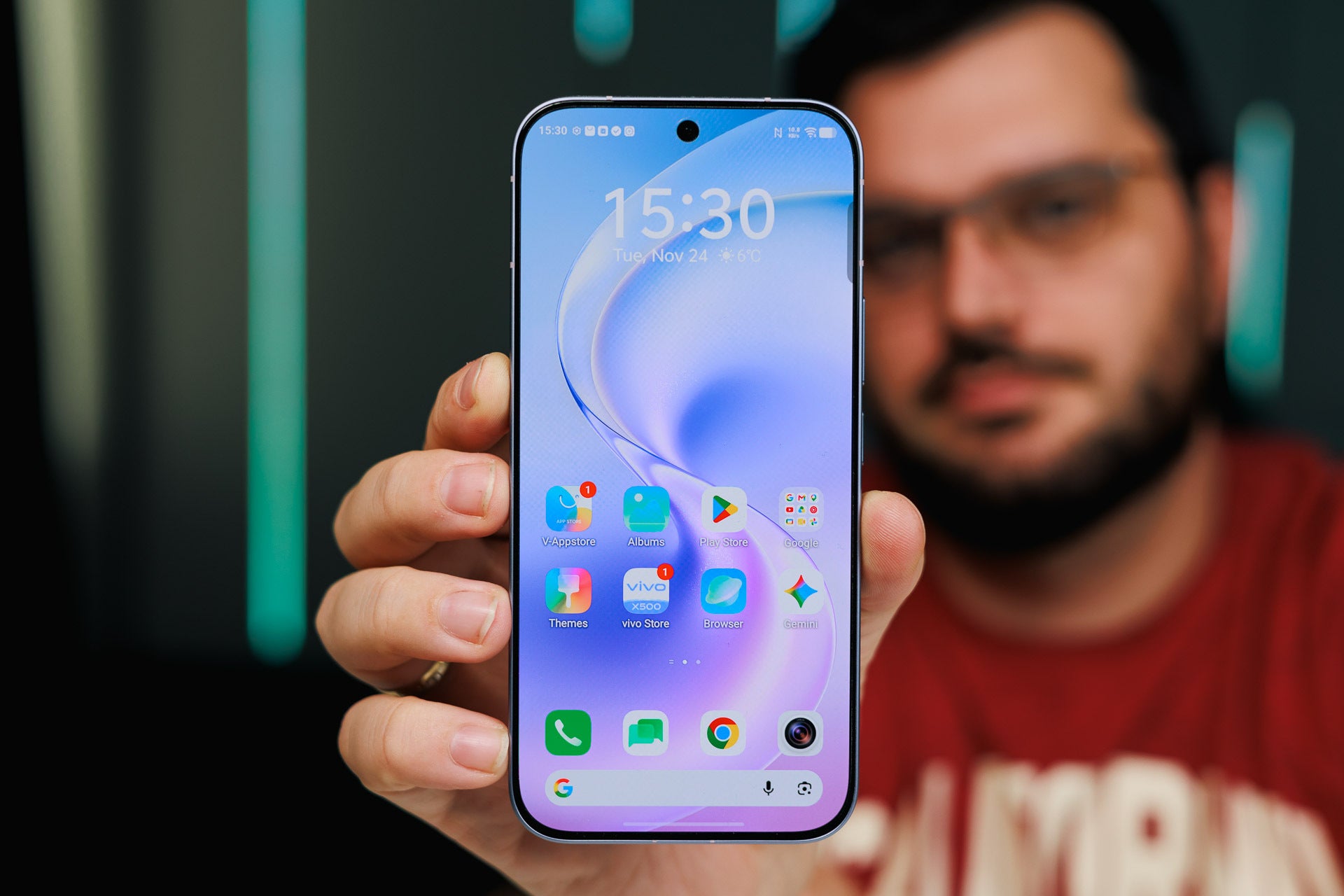
The display is one of the highlights of the Vivo V80. | Image by PhoneArena
Just like the V70, the V80 is not exactly what I'd call a compact phone. It has a 6.6-inch screen, which is surely on the larger side here. The screen is an AMOLED one with a slightly higher 144 Hz refresh rate (which only kicks in during some games). Other than that, it's pretty much the same screen as the one on the V70, with the same peak brightness and color accuracy.
Display Measurements:
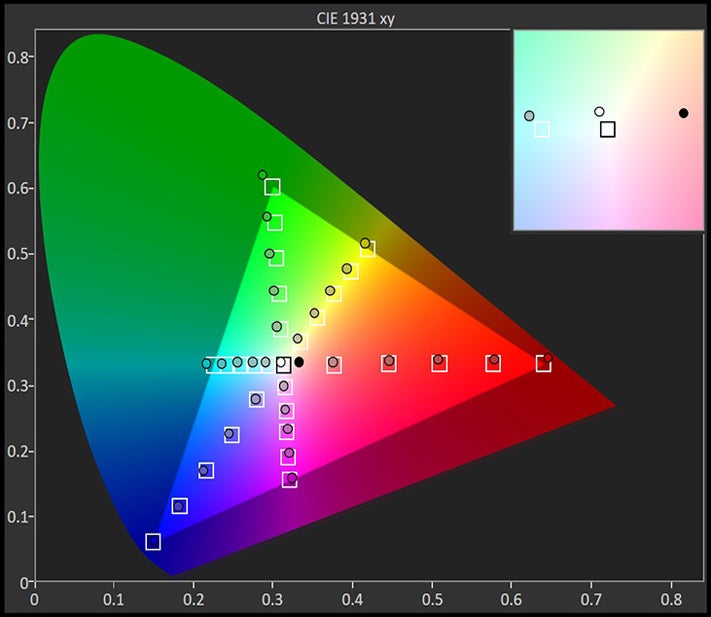
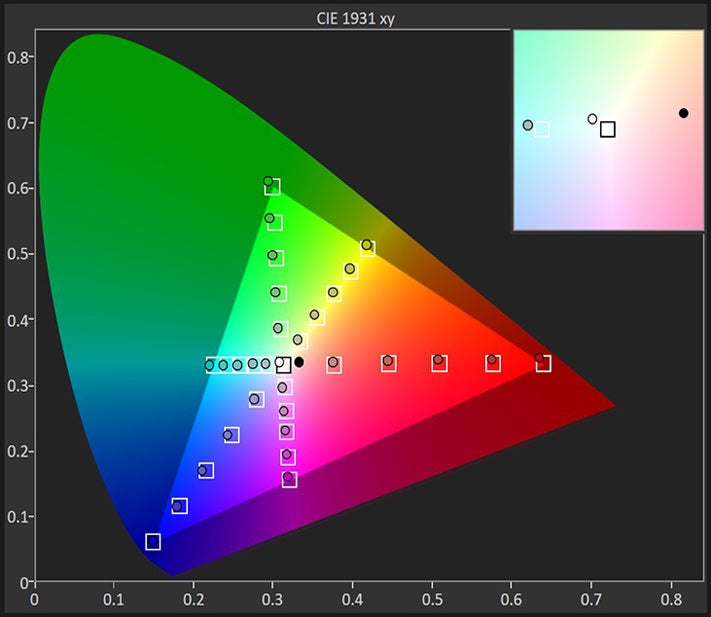
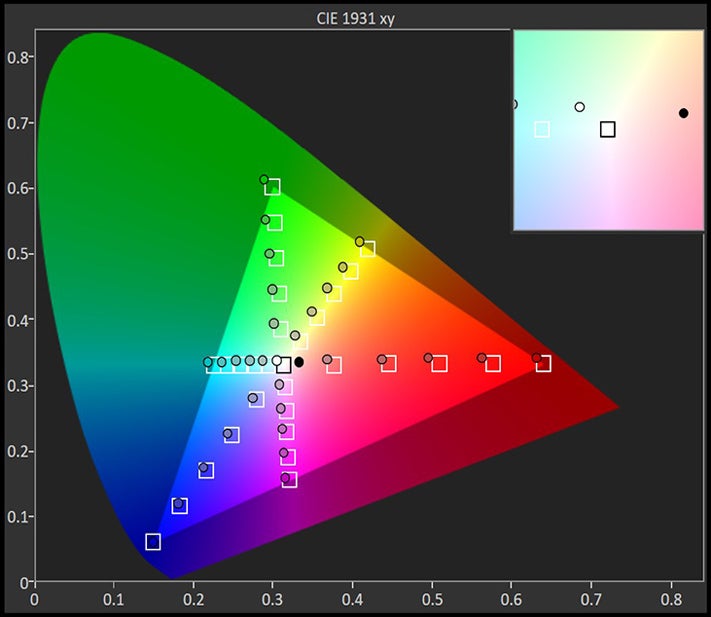
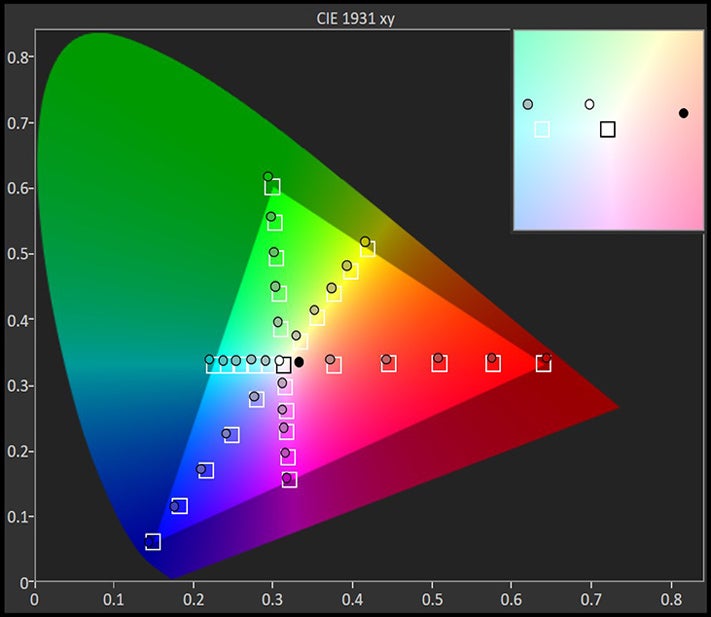
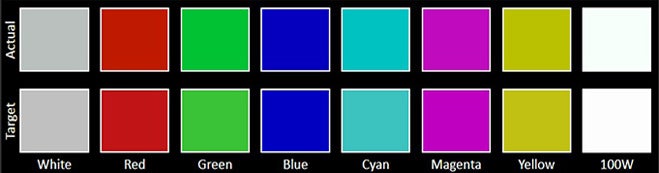
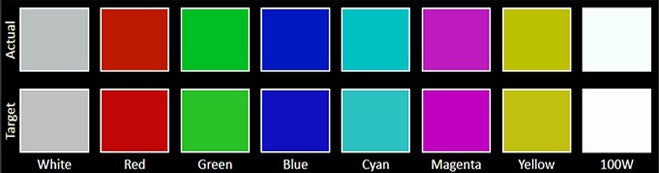
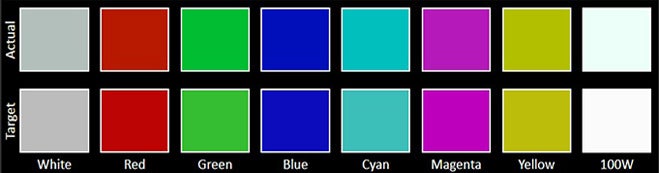
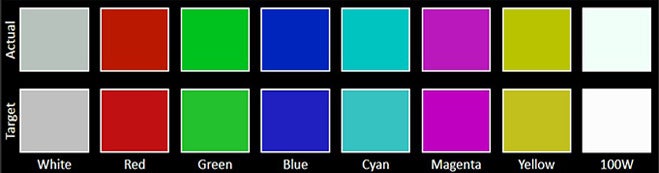




The screen isn't half-bad at all, but the cherry on top is Vivo retaining the ultrasonic fingerprint sensor on its mid-range phone. That's great to have on a mid-range phone and makes unlocking and authenticating payments with the device a pretty pleasant affair.
Camera and image quality
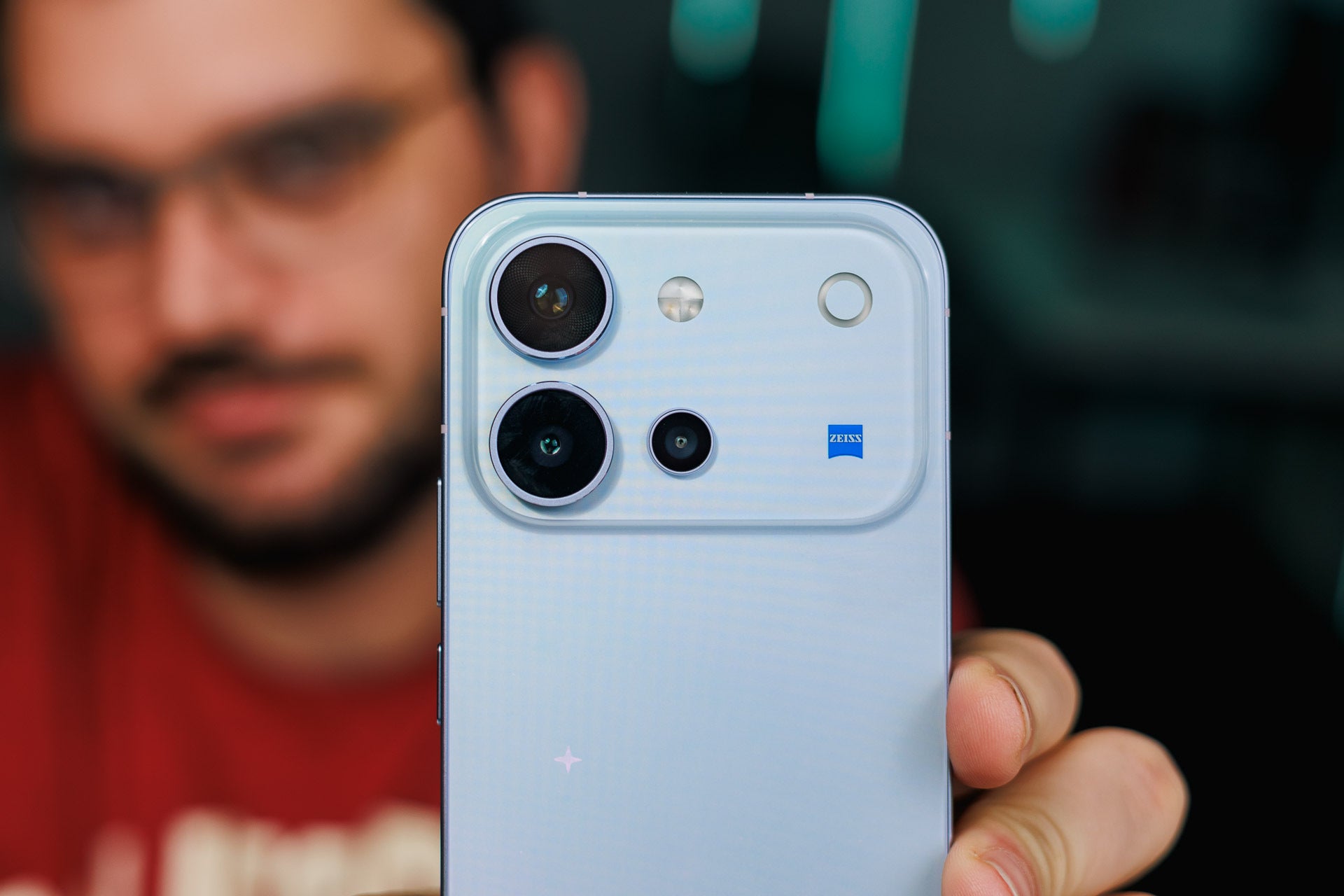
The camera is unchanged except for the new camera plateau. | Image by PhoneArena
The Vivo V80 comes with the same exact camera as the V70. It once again focuses on a Gen Z-friendly (and a bit gimmicky) lo-fi flash photography thanks to its dedicated Film Camera mode that emulates the skeuomorphics of a photo booth machine. This mode comes with a multitude of filters that emulate film pack cameras.
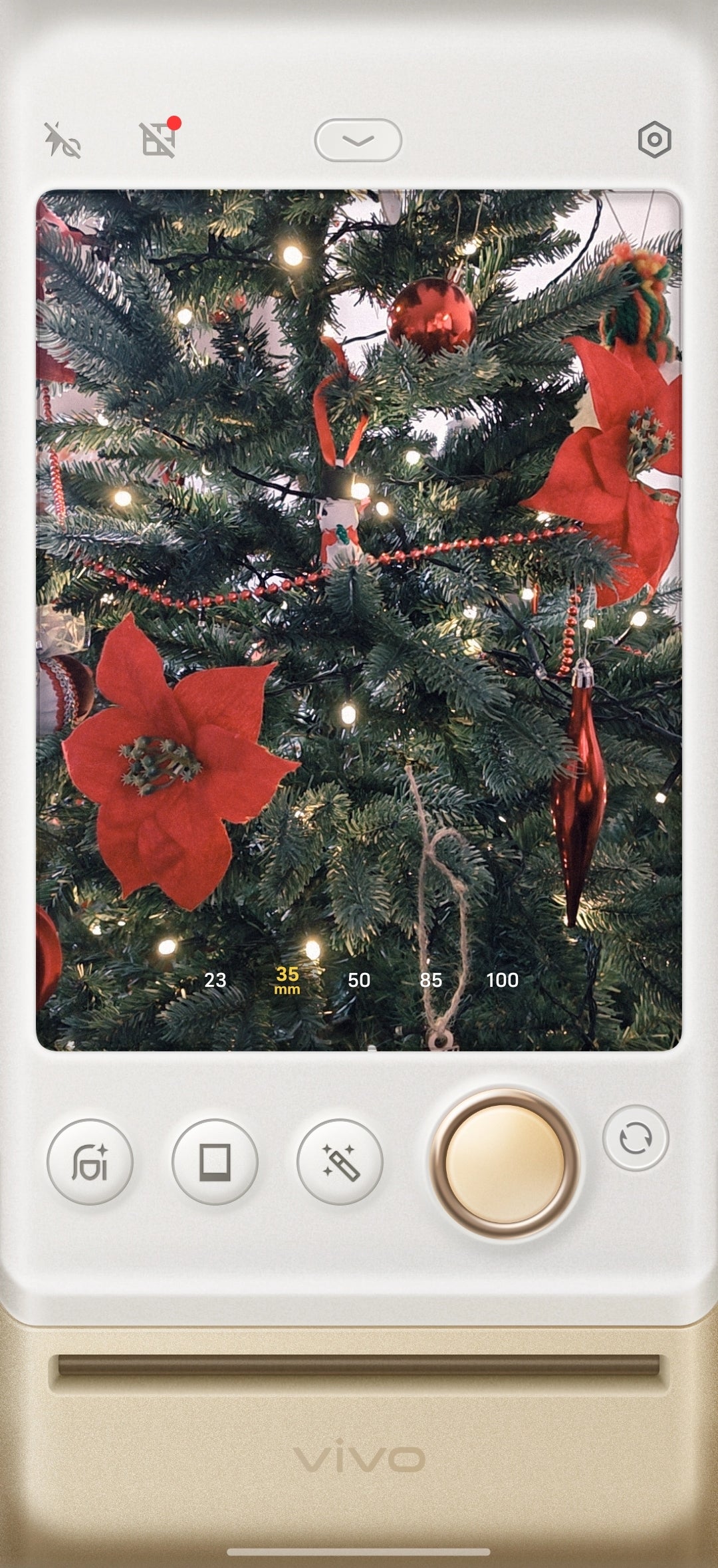
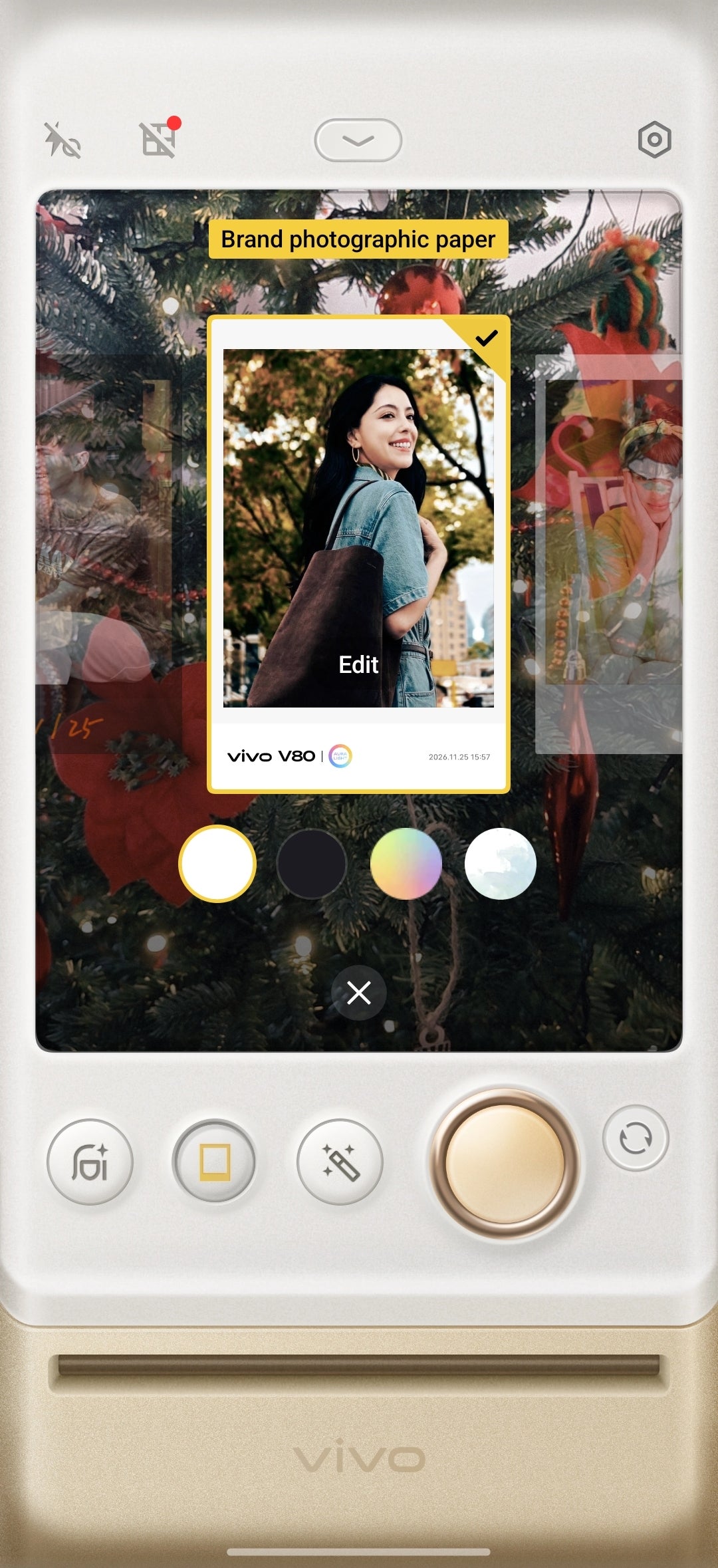
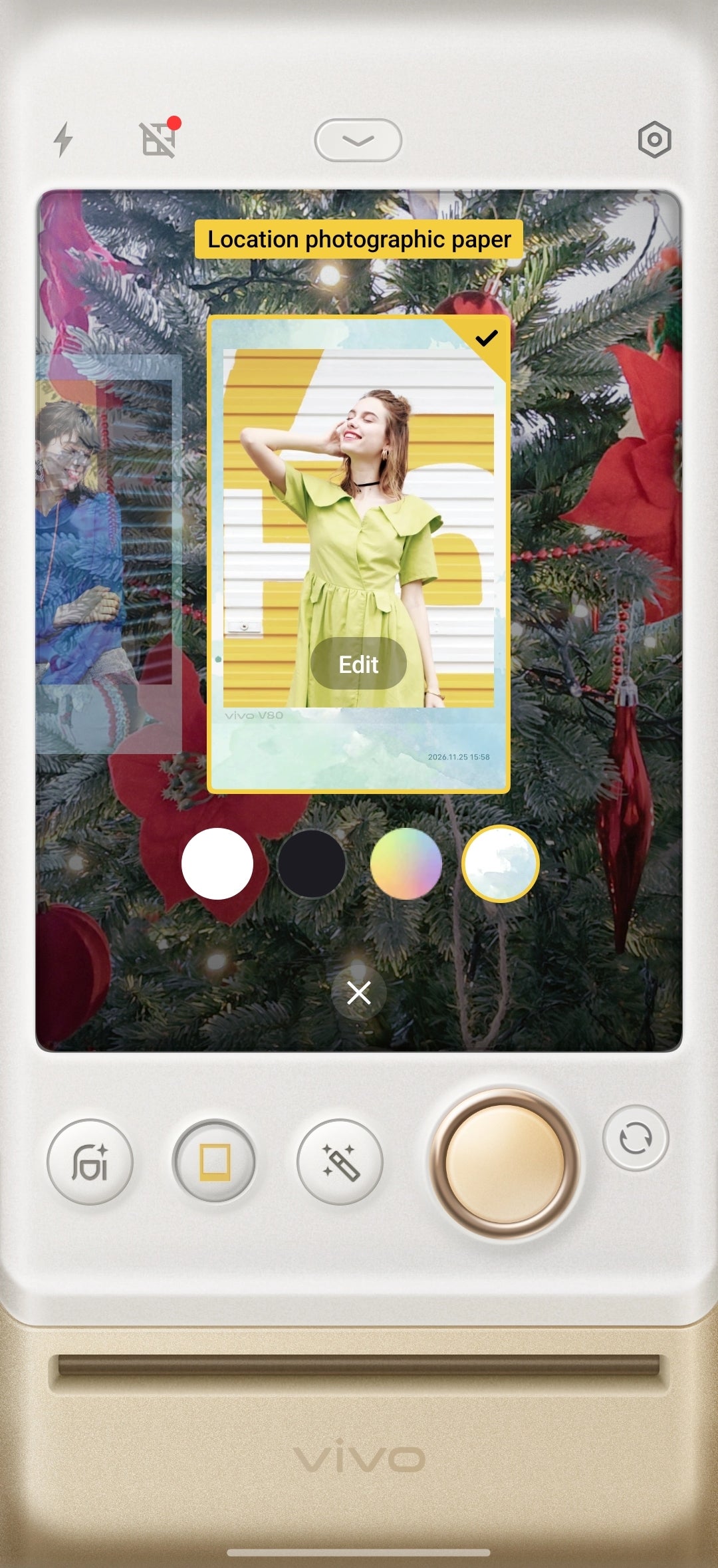
At the back, the real highlight is the LED flash, which is called Aura Light and combines a few diodes with different color temperatures. It definitely can be used as a standard flash, but it's way more when you customize the light from overly warm through yellow to cold white.
But why do this? Changing the flash's color temperature can help you make portraits either feel warm and romantic with warmer light or dramatic and melancholic with a colder flash. When paired with the pack film filters, you can achieve some interesting artistic results.
Sadly, there's no Aura Light for the front camera, so you can't really do that same shtick with your selfies.
The Vivo V80 has 50 MP main and 3X telephoto cameras in the back, as well as a basic 8 MP ultrawide camera. Up front is a 50 MP selfie camera, which delivers. Images turn up pretty okay, very identical to the ones on the Vivo V70. Details are decent, the dynamics are okay, and all of that is wrapped up in Vivo's very functional and feature-rich camera app.
Vivo V80 camera samples
Performance and battery life
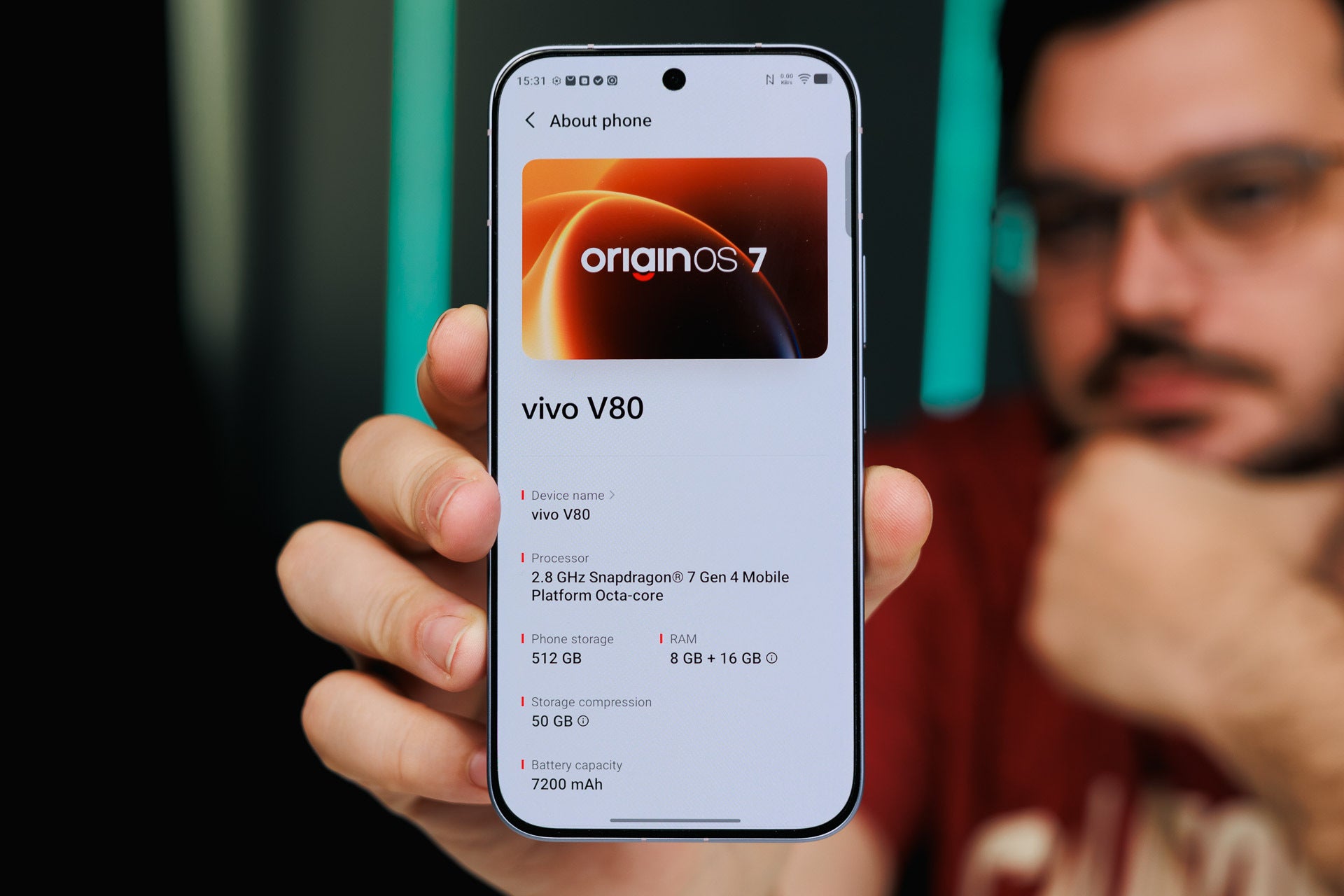
The Vivo V80 has good specs, but it has less RAM and still usees the same chip. | Image by PhoneArena
No major changes in the performance, as the Vivo V80 comes with the same Snapdragon 7 Gen 4 chipset that powered the V70. This humble 4 nm chip delivers decent everyday performance and in regular games. However, heavier games might not deliver the best possible experience here. The phone achieves 1066 points in the Geekbench 7 single-core test and 3553 points in the multi-core test.
Sadly, in terms of memory, we've scored a downgrade back to 8 GB of RAM. The V70 had 12 GB of memory, which was great value, but thanks to RAM prices still being sky-high, we get four gigabytes of memory less than we did nine months ago. Oh, well…
The device can be outfitted with 128, 256, or 512 GB of native storage. The base one has UFS 3.1 storage, while the rest get the faster UFS 4.1 storage.
In terms of battery, the device comes with a 7,200 mAh silicon-carbon battery, some 700 mAh larger than the one on the Vivo V70. Battery life is similar and slightly better than the V70, which averaged nine hours and six minutes in our battery tests.
The Vivo V80 once again comes with 90 W wired charging, and unlike most other devices, arrives with a 90 W wall adapter in the box. Great!
Should you buy the Vivo V80 or stick with the V70?
Still a good mid-ranger, but can we get some more substantial upgrades next time, please? | Image by PhoneArena
Well, by all accounts, the Vivo V80 is a very peculiar release. It mixes and matches some unfortunate downgrades with some notable upgrades, while keeping other core aspects intact. What's more, the pricing is the same, so this one here is more of a different version of the Vivo V70 than a full-blown successor, as its name would normally suggest.
That said, regardless of all that, the Vivo V80 is a decent phone that still offers great value; I'd strongly recommend it over similarly priced alternatives in the Android space, which usually introduce some serious compromises. The deal with the V80 is that it's a fairly competent phone with no apparent drawback, which is definitely reassuring to see.

Popular stories


Latest News
Things that are NOT allowed:
To help keep our community safe and free from spam, we apply temporary limits to newly created accounts: