Verizon decodes a shifting customer psyche
Verizon execs claim customers don't want to pay for network quality.

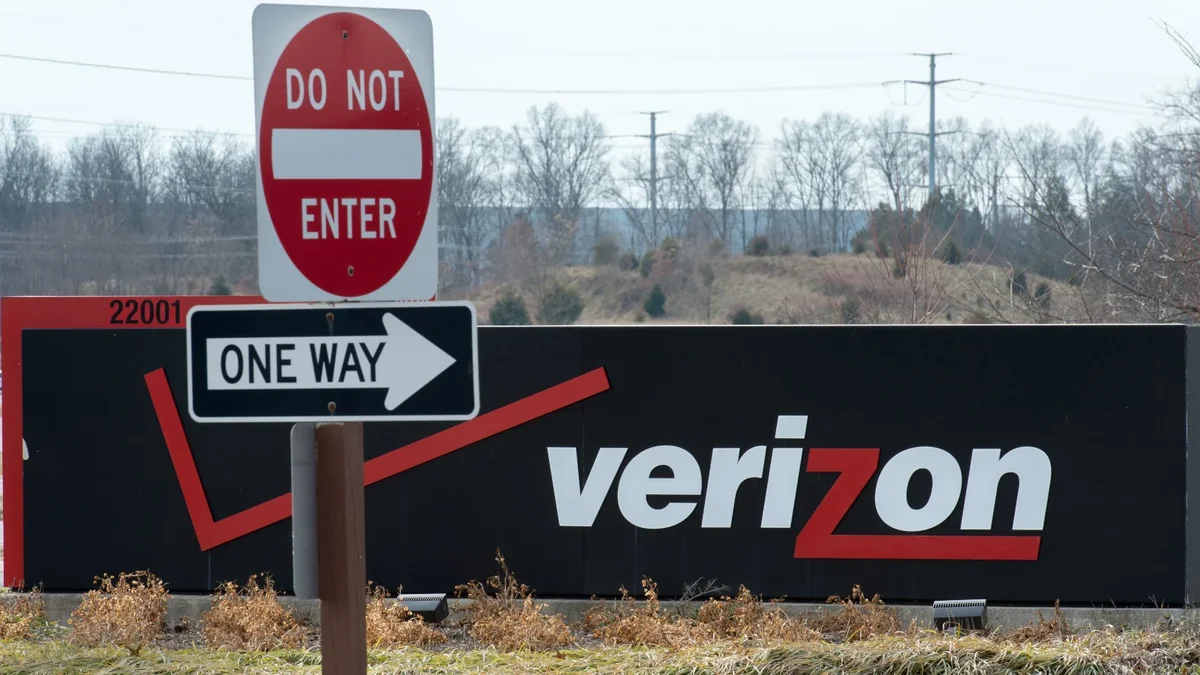
Verizon is abandoning its old playbook. | Image by PCMag
Having a network edge used to give cellular providers a significant advantage. However, according to a Verizon executive, customer priorities have shifted, and the carrier is adjusting its strategy accordingly.
CEO Dan Schulman was brought on in October of last year following 20 straight quarters of finishing last among the Big Three, alongside five years of stagnation. Schulman immediately targeted the company's bureaucratic culture, which had slowed decision-making and caused the company to lose customers and market share. All the while, the company remained fixated on network infrastructure and was blindsided by customer needs.
As AT&T and T-Mobile closed the gap in network quality, Verizon lost its historic edge. Furthermore, according to Kevin Zavaglia, chief commercial officer for sales and service, customers don't even want to pony up for a great network anymore. The overall customer experience matters more now.
Verizon is beginning to find its footing under Schulman, but that turnaround has required some brutal decisions, such as imposing higher standards on staff, taking a hit on revenue to keep customers from defecting to rivals, and carrying out the largest-ever layoff in the company's history.
For all his talk of stirring things up at Verizon, Schulman has mostly focused on two moves: holding back on price increases and cutting expenses. And it seems to be working, with Q3 2026 marking the company's fourth consecutive quarter of improvement.
Postpaid churn has dropped, and mobile and broadband subscriber growth has picked up.
As part of its cost-cutting push, the company is scaling back subsidies, aiming to phase them out eventually. The company is instead banking on customer satisfaction, loyalty programs, and a $30-a-month Simplicity Plan to reel customers in.
Skeptics argue Verizon's momentum is unsustainable without organic revenue growth. Debt continues to mount, but that hasn't deterred it from paying billions in dividends every year.
Meanwhile, as the carrier trims infrastructure investment, emerging rival SpaceX is building a global satellite constellation and laying the groundwork for its terrestrial network.
Historically, customers have associated Verizon with network superiority and T-Mobile with cheaper rates. That equation is flipping. How is that going to hold up for Verizon in the long term? By the time we find out, it may already be too late.
Upending Verizon
CEO Dan Schulman was brought on in October of last year following 20 straight quarters of finishing last among the Big Three, alongside five years of stagnation. Schulman immediately targeted the company's bureaucratic culture, which had slowed decision-making and caused the company to lose customers and market share. All the while, the company remained fixated on network infrastructure and was blindsided by customer needs.
I’m like, ‘Guys, we’ve got to pay attention. Something’s happening.’ Our playbook didn’t change for five years.
Roxanne Austin, Verizon director, November 2026
Customers don’t want to pay for a great network; that’s the expectation.
Kevin Zavaglia, Verizon’s chief commercial officer for sales and service, November 2026
Verizon is beginning to find its footing under Schulman, but that turnaround has required some brutal decisions, such as imposing higher standards on staff, taking a hit on revenue to keep customers from defecting to rivals, and carrying out the largest-ever layoff in the company's history.
Poll
4 Votes
What should Verizon focus on?
Is the new playbook working?
For all his talk of stirring things up at Verizon, Schulman has mostly focused on two moves: holding back on price increases and cutting expenses. And it seems to be working, with Q3 2026 marking the company's fourth consecutive quarter of improvement.
Postpaid churn has dropped, and mobile and broadband subscriber growth has picked up.
As part of its cost-cutting push, the company is scaling back subsidies, aiming to phase them out eventually. The company is instead banking on customer satisfaction, loyalty programs, and a $30-a-month Simplicity Plan to reel customers in.
Is Schulman doing enough?
Skeptics argue Verizon's momentum is unsustainable without organic revenue growth. Debt continues to mount, but that hasn't deterred it from paying billions in dividends every year.
Meanwhile, as the carrier trims infrastructure investment, emerging rival SpaceX is building a global satellite constellation and laying the groundwork for its terrestrial network.
A new Verizon
Historically, customers have associated Verizon with network superiority and T-Mobile with cheaper rates. That equation is flipping. How is that going to hold up for Verizon in the long term? By the time we find out, it may already be too late.
Verizon needs to tread carefully because:

Popular stories




Latest News




Things that are NOT allowed:
To help keep our community safe and free from spam, we apply temporary limits to newly created accounts: