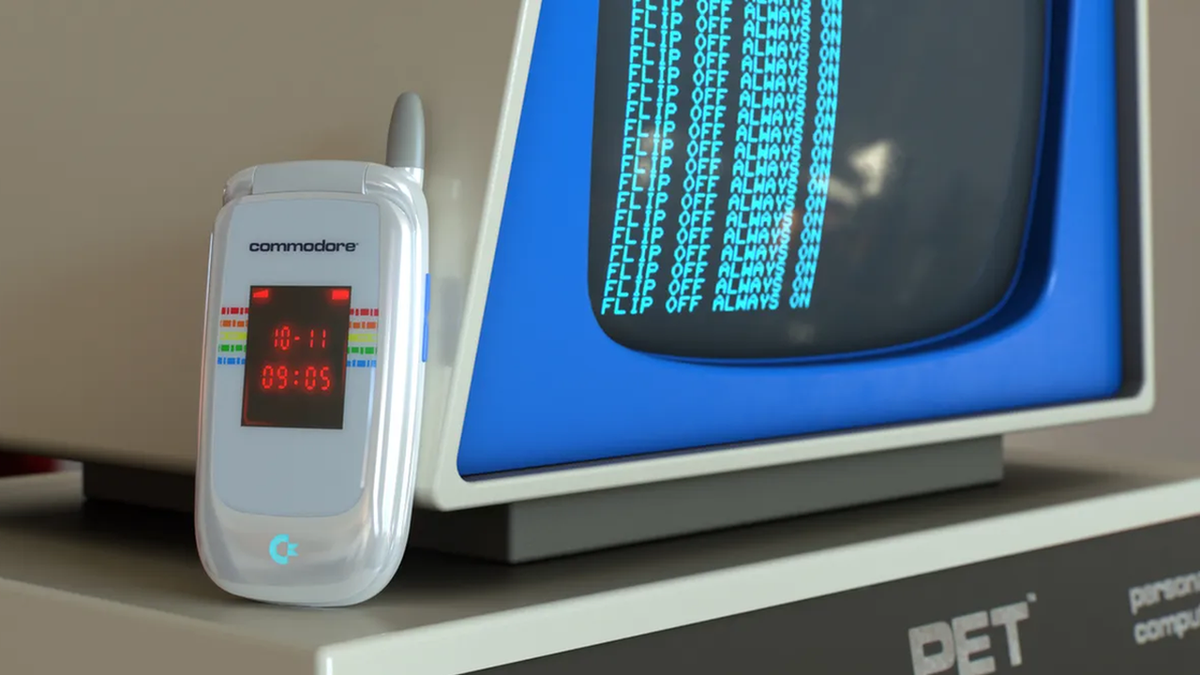
The phone itself looked cool, and the concept was sound, but I was initially ready to dismiss the announcement as just another cash grab riding the digital detox train. Then, the article began to gain serious traction. Our usual poll inside the story also suggested that people are genuinely interested, which got me thinking: we might actually be onto something here.
Digital detox - a fancy term or a reality?
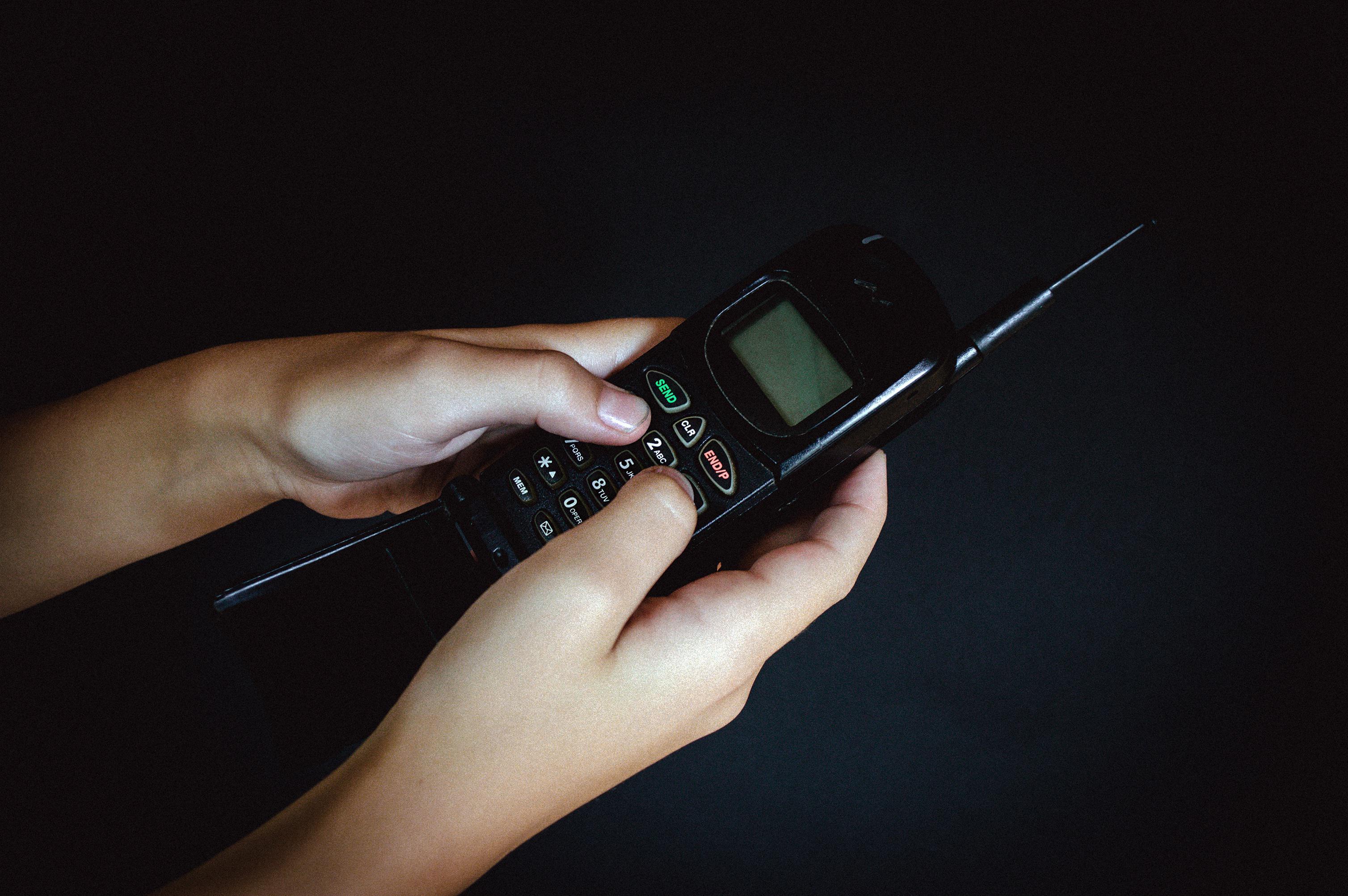
It's hard to doomscroll on a dumb phone. | Image by Pixabay
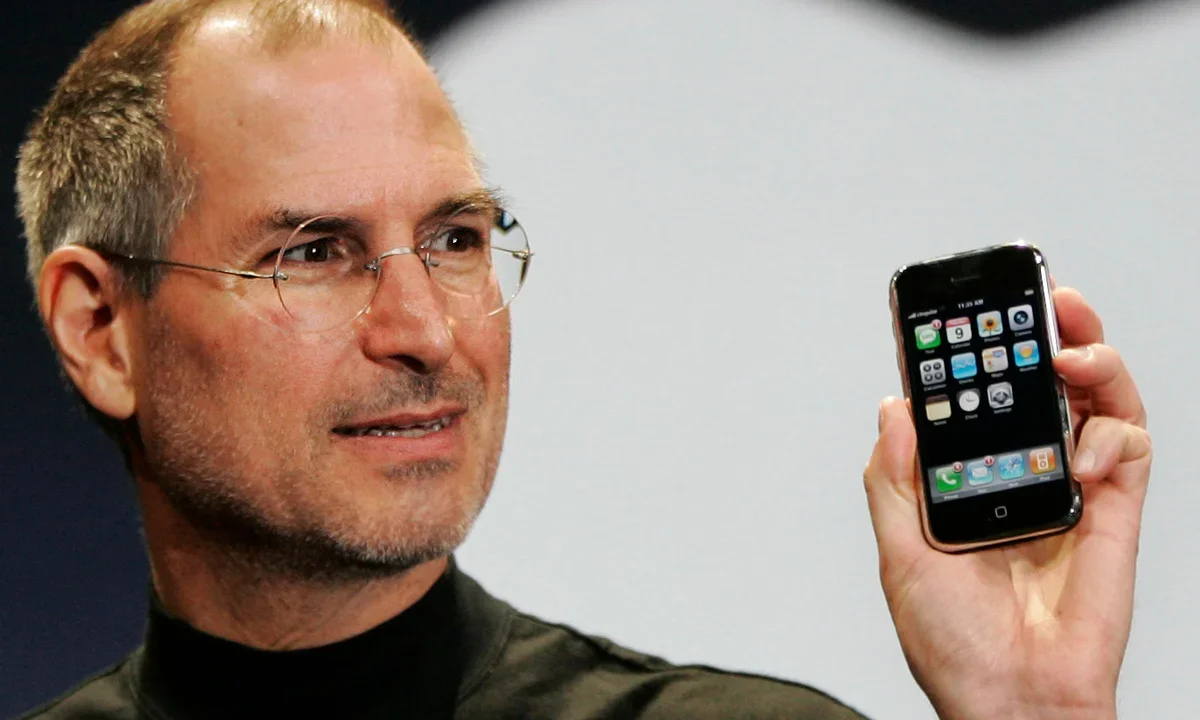
I’ve seen this script play out before. We've been through several waves of people trying to disconnect. The first true "digital detox wave" emerged over 15 years ago, around 2010. It was a delayed reaction to the launch of the original iPhone, yet it was absolutely there.
Before the iPhone, smartphones were relatively boring. They ran operating systems tailored for business use, lacking the shiny, dopamine-inducing user interfaces we see today. But when the iPhone debuted, it perfectly coincided with the mainstream adoption of Facebook and the 2010 launch of Instagram. It was the perfect storm, as they say, and people quickly began to feel overwhelmed.
Recommended For You
The original iPhone debuted back in 2007 and changed the game. | Image by The Guardian
Since then, I’ve witnessed multiple waves where groups of people voluntarily tried to get off smartphones en masse, either as a trend of the time or in a genuine bid to change their lifestyle for health-related reasons. Shoot, I've participated in many such waves myself.
Over the years, plenty of tech companies have also tried to cash in on this with Nokia 3310 reissues, minimalist e-ink devices, and outright "dumb" phones promising to cure smartphone anxiety.
How long could you survive without your smartphone?
35 Votes
Are smartphones that bad for us?
Modern smartphones are like Swiss army knives, but knives can kill. | Image by PixaBay
Smartphones are just tools, they serve a purpose. Actually, they are so useful that since the invention of the smartphone, we've forgotten about devices such as portable radios and MP3 players, calculators, dedicated GPS navigation systems, and handheld gaming consoles; the list goes on and on.
The real issue is how modern social media platforms, apps, and mobile games are designed to work. They want you to be on the app, maximize your screen time, and keep you active. The business model requires you to stay hooked up and death scroll for hours so the app can show you enough ads.
In order to do this, most apps rely on a constant stream of notifications to keep you active and "inside" the app, and this could be tiring. According to countless studies, the screen time is proportional to a wide variety of health issues, from eye problems and general fatigue to serious mental health issues.
What Commodore got right
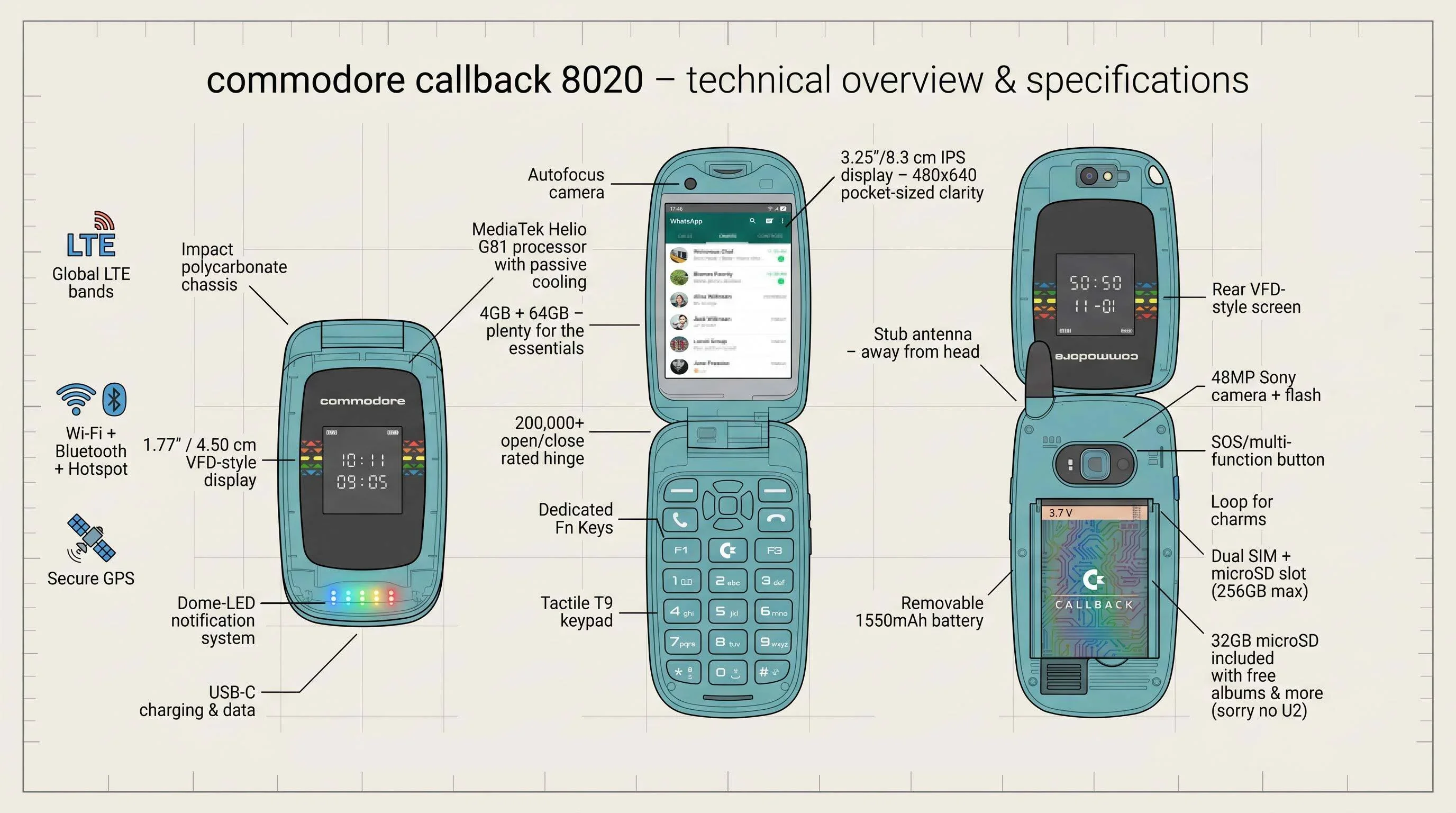
The Callback 8020 offers a perfect blend of useful and healthy. | Image by Commodore
The reason so many people got interested in the Commodore flip phone was a perfect blend of connectivity without the real burden of being constantly bombarded by internet junk content.
The phone comes with no social media, no Instagram, no Facebook, and no TikTok. At the same time, it lets you stay connected via apps such as WhatsApp, aimed at peer-to-peer communication and yet to be plagued by the death scroll algorithms.
Many of my colleagues also got interested in the Commodore phone, saying that it offers a perfect blend of digital detox and useful features.
You want to listen to music — there's Spotify on board. You want to keep in touch with your friends and family — WhatsApp is supported. You need a little fun — there are some old-school games that are fun without sucking you into a hole of microtransactions and hundreds of wasted hours.
What Commodore didn't get right is the price. $500 for a not-so-dumb phone is a robbery. But this phone might not be the last to try and capitalize on the ongoing trend.
What comes next?
Swap the lonely smartphone stare for a real conversation. | Image by Pixabay
I don't expect a huge shift in the way we use our phones, sadly. Our everyday lives are deeply interwoven with news streams, feeds, video, and toxic comments everywhere. We have become modern cyborgs — the only difference is that we still hold the cybernetic part in our hand.
The gamification of the digital world, driven by gambling-rooted dopamine loops, powers a billion-dollar industry that won't give up easily. Perhaps future smartphones will feature physical, hardware "detox" switches to limit our exposure to toxic content. Who knows? Until then, it's up to us. We have to remain mindful, stay away from toxic platforms, and strive to live a present, healthy life.
Stay safe out there!
Get iPhone 18 Pro with Visible, get $480 off!
$719
/mo
$1199
$480 off (40%)
On the Visible+ Pro plan, you get access to 5G Ultra Wideband data on Verizon's fastest network. Along with unlimited roaming across Mexico and Canada, 2 days of Global Pass per month, 3x hotspot speeds, 4K streaming, and Smartwatch service.
Mariyan, a tech enthusiast with a background in Nuclear Physics and Journalism, brings a unique perspective to PhoneArena. His childhood curiosity for gadgets evolved into a professional passion for technology, leading him to the role of Editor-in-Chief at PCWorld Bulgaria before joining PhoneArena. Mariyan's interests range from mainstream Android and iPhone debates to fringe technologies like graphene batteries and nanotechnology. Off-duty, he enjoys playing his electric guitar, practicing Japanese, and revisiting his love for video games and Haruki Murakami's works.
A discussion is a place, where people can voice their opinion, no matter if it
is positive, neutral or negative. However, when posting, one must stay true to the topic, and not just share some
random thoughts, which are not directly related to the matter.
Things that are NOT allowed:
Off-topic talk - you must stick to the subject of discussion
Offensive, hate speech - if you want to say something, say it politely
Spam/Advertisements - these posts are deleted
Multiple accounts - one person can have only one account
Impersonations and offensive nicknames - these accounts get banned
To help keep our community safe and free from spam, we apply temporary limits to newly created accounts:
New accounts created within the last 24 hours may experience restrictions on how frequently they can
post or comment.
These limits are in place as a precaution and will automatically lift.
Moderation is done by humans. We try to be as objective as possible and moderate with zero bias. If you think a
post should be moderated - please, report it.
Have a question about the rules or why you have been moderated/limited/banned? Please,
contact us.














Things that are NOT allowed:
To help keep our community safe and free from spam, we apply temporary limits to newly created accounts: