SpaceX might soon give AT&T, T-Mobile, and Verizon more reason to take notice
SpaceX is reportedly in talks with a utility company to pick up more low-band spectrum.

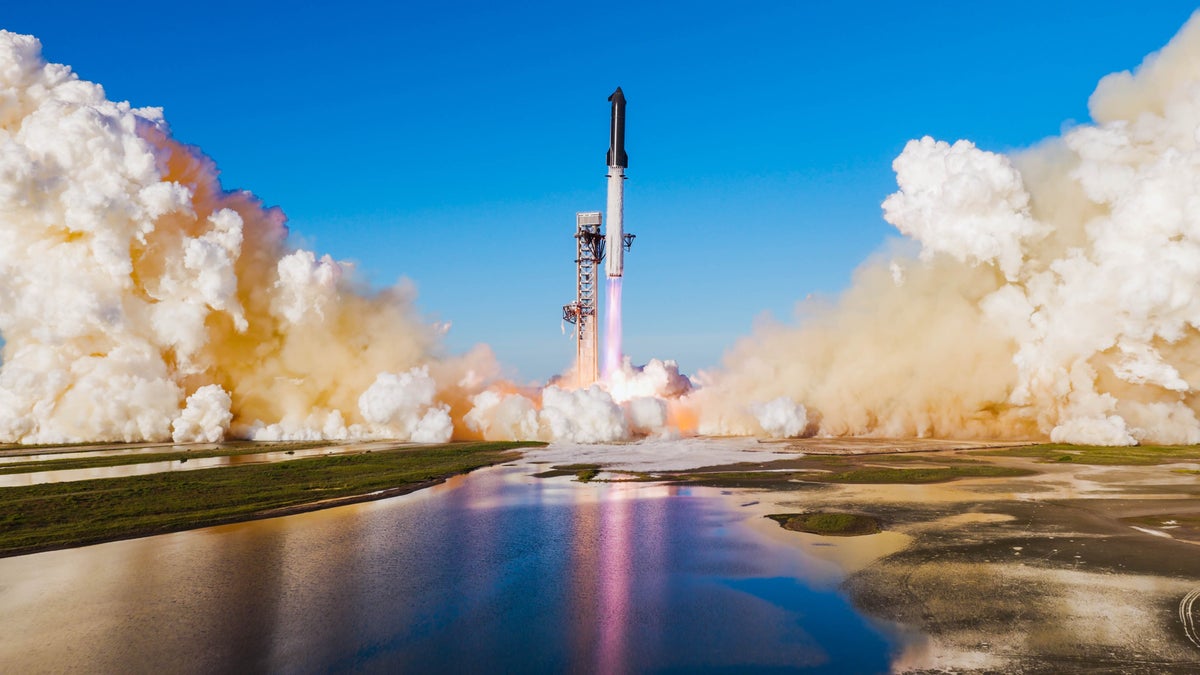
This is more evidence that SpaceX is serious about its nationwide network. | Image by SpaceX
With the upper-C band auction still some months away, SpaceX is looking elsewhere to pick up spectrum for its cellular network. A new report says the company might have found a seller with airwaves that would complement its satellites.
SpaceX might be looking to buy 900 MHz licenses from New Jersey-based Anterix, reports Bloomberg. Anterix is the largest holder of low-band 900 MHz licenses, but is currently leasing them to local utilities. Now, it's looking to sell spectrum for more revenue.
Anterix’s head of corporate development, Chris Guttman-McCabe, only said that the company is speaking with the "right parties," without naming SpaceX.
Apparently, Anterix is willing to part with 85% of its 900 MHz licenses, which travel farther and penetrate deeper than mid-band and millimeter wave spectrum. The licenses work with two new iPhone 18 models and are expected to support future models.
As New Street Research analyst David Barden points out, Anterix has worked to make its spectrum commercially valuable, which is why buyers like SpaceX are after it.
The company has conducted a direct-to-device satellite trial. In February, the Federal Communications Commission approved wider channels, and Anterix’s frequencies appear in a Commission proposal allowing satellite use of low-band spectrum.
Still, it isn't smooth sailing. The FCC could reject satellite designation for the 900 MHz licenses. Anterix’s airwaves are split into small geographical licenses that form narrow upload and download channels, and expanding them will take time.
SpaceX could also pursue other sellers, such as geolocation provider NextNav, which also holds 900 MHz spectrum.
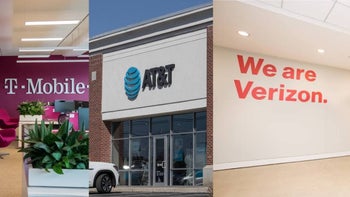
SpaceX currently has around 89 MHz of spectrum from EchoStar, Grain, Tristar, and the AWS-3 auction. AT&T, T-Mobile, and Verizon each hold roughly 300 MHz.
However, SpaceX doesn't need the same sprawling infrastructure and spectrum portfolio for initial service.
It plans to use its next-generation V2 Mobile satellites and micro cell sites to connect smartphones. Satellites struggle with indoor signal penetration, a gap SpaceX aims to close with low-band spectrum.
SpaceX's apparent desire to scoop up more spectrum shows it isn't just fishing for a capacity lease from the Big Three. The company isn't necessarily targeting the same market, though, with its ambitions geared more toward enterprise use cases.
Low-band supremacy
SpaceX might be looking to buy 900 MHz licenses from New Jersey-based Anterix, reports Bloomberg. Anterix is the largest holder of low-band 900 MHz licenses, but is currently leasing them to local utilities. Now, it's looking to sell spectrum for more revenue.
Apparently, Anterix is willing to part with 85% of its 900 MHz licenses, which travel farther and penetrate deeper than mid-band and millimeter wave spectrum. The licenses work with two new iPhone 18 models and are expected to support future models.
You can assume we’re talking to all the right parties. We’re talking to anyone who can help us drive shareholder value.
Chris Guttman-McCabe, Anterix’s head of corporate development, November 2026
Poll
1 Votes
How do you feel about SpaceX's strategy?
A useful asset
As New Street Research analyst David Barden points out, Anterix has worked to make its spectrum commercially valuable, which is why buyers like SpaceX are after it.
The spectrum was a little bit of a moonshot at the beginning, but it has been nurtured and curated. There’s no reason it wouldn’t be at least of note to a spectrum-hungry marketplace.
David Barden, New Street Research analyst, November 2026
The company has conducted a direct-to-device satellite trial. In February, the Federal Communications Commission approved wider channels, and Anterix’s frequencies appear in a Commission proposal allowing satellite use of low-band spectrum.
SpaceX could also pursue other sellers, such as geolocation provider NextNav, which also holds 900 MHz spectrum.
Soldiering on
SpaceX currently has around 89 MHz of spectrum from EchoStar, Grain, Tristar, and the AWS-3 auction. AT&T, T-Mobile, and Verizon each hold roughly 300 MHz.
However, SpaceX doesn't need the same sprawling infrastructure and spectrum portfolio for initial service.
It plans to use its next-generation V2 Mobile satellites and micro cell sites to connect smartphones. Satellites struggle with indoor signal penetration, a gap SpaceX aims to close with low-band spectrum.
Killing doubts
SpaceX's apparent desire to scoop up more spectrum shows it isn't just fishing for a capacity lease from the Big Three. The company isn't necessarily targeting the same market, though, with its ambitions geared more toward enterprise use cases.
SpaceX isn't backing down from its plan to deploy a terrestrial network:

Popular stories
Latest News
Things that are NOT allowed:
To help keep our community safe and free from spam, we apply temporary limits to newly created accounts: