AT&T and Verizon have an edge over T-Mobile going into 2027
AT&T and Verizon are relying on fiber convergence bundles, while T-Mobile is banking on 5G speeds.

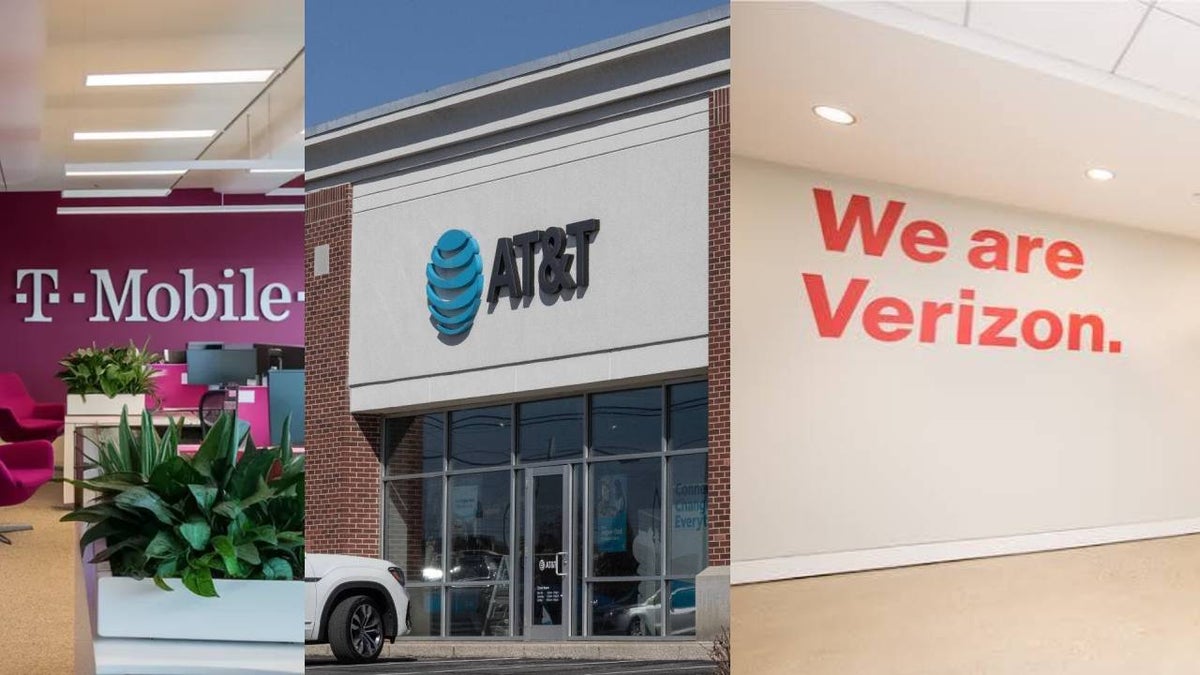
SpaceX is playing the long game. | Image by PhoneArena
As 2026 winds down, the carrier playbook is shifting. Telecom companies have learned the hard way that blunt price hikes don't work, while rising smartphone prices are forcing them to pull back on smartphone subsidies. Third-quarter results offer a window into how AT&T, T-Mobile, and Verizon plan to navigate next year.
In a sprawling analysis for Sunday Brief, Jim Patterson lays out clues to the potential strategies of the Big Three and SpaceX.
AT&T looks to be ahead in the convergence race, while T-Mobile looks like it needs to try harder. Many still view fiber as the true convergence trump card, yet fiber providers appear to be taking customers for granted, driving churn toward 5G home internet.
Then, there are other pressing problems. Holiday promotional activity could weigh on the fourth quarter. It doesn't help that Apple didn't launch the vanilla iPhone 18 this fall.
Verizon seems better positioned to handle the holiday quarter, but AT&T and T-Mobile might whip out counteroffers right on time. Either way, Q4 doesn't typically see much switching action. AT&T and Verizon are leaning on convergence bundles to lock in subscribers and build momentum, while T-Mobile is banking on network speed to drive postpaid account growth.
While the efforts are unlikely to pay off fully in 2026, AT&T and Verizon could attract more customers in 2027 with convergence offerings.
Elon Musk recently disclosed that SpaceX plans to pair Starlink hardware with micro cell towers and install these on rooftops to improve indoor coverage.
He has not clarified whether those towers would solely be connected to Starlink or also tap into terrestrial broadband infrastructure. If it's the former, the incumbents will need to improve their service to stay competitive.
In any case, Patterson doesn't see SpaceX chasing AT&T, T-Mobile, and Verizon's $40-a-month consumer wireless plans. Instead, it appears to be building a network to connect autonomous systems, such as delivery robots and automated facilities.
That makes it an even bigger threat to the incumbents in some ways. SpaceX is devising a plan to capture future sources of revenue that the Big Three don't have on their radars yet.
Perhaps the most important development this year is that AT&T and Verizon have moved toward cheaper plans while T-Mobile has leaned more premium. The new identity carries its own challenges, as customers may need some time to get acclimatized to the changes.
AT&T and Verizon have been improving their 5G networks, whereas T-Mobile has been trying to improve the competitiveness of its fiber offerings.
And while SpaceX may be putting together a network for autonomous systems, T-Mobile has also been talking up physical AI, so the field is not wide open.
Still, if SpaceX stays focused on enterprise use cases, AT&T, Verizon, and T-Mobile will only have each other to worry about in the consumer space.
SpaceX might not try to steal the Big Three's customers right away, but its proactive focus on emerging use cases could deprive the incumbents of future growth opportunities. This would mean forgone revenue, possibly leading to a decline in long-term valuation.
This could play into the hands of SpaceX, as downward pressure on stock prices would make it easier for the rocket company to pick up one of the Big Three. SpaceX has said time and again that it wouldn't shy away if the opportunity presented itself.
While the major providers pride themselves on their experience, a narrow focus could eventually become their biggest liability.
Challenges
AT&T looks to be ahead in the convergence race, while T-Mobile looks like it needs to try harder. Many still view fiber as the true convergence trump card, yet fiber providers appear to be taking customers for granted, driving churn toward 5G home internet.
Combined with rising smartphone prices, unsustainable device discounts are pushing carriers to rethink their strategy. This explains why Verizon's Simplicity plan reduced the cost of customer acquisition by 41% year-over-year, and why T-Mobile's T-Mix ties upgrades to Picks.
Verizon seems better positioned to handle the holiday quarter, but AT&T and T-Mobile might whip out counteroffers right on time. Either way, Q4 doesn't typically see much switching action. AT&T and Verizon are leaning on convergence bundles to lock in subscribers and build momentum, while T-Mobile is banking on network speed to drive postpaid account growth.
Poll
2 Votes
Which company is the strongest heading into 2027?
Making sense of SpaceX's plans
Elon Musk recently disclosed that SpaceX plans to pair Starlink hardware with micro cell towers and install these on rooftops to improve indoor coverage.
He has not clarified whether those towers would solely be connected to Starlink or also tap into terrestrial broadband infrastructure. If it's the former, the incumbents will need to improve their service to stay competitive.
That makes it an even bigger threat to the incumbents in some ways. SpaceX is devising a plan to capture future sources of revenue that the Big Three don't have on their radars yet.
I don't think this means, like, you know, AT&T, Verizon, others go out of business or anything. Maybe they'll lose some revenue here, but I actually think that the demand for bandwidth will be tremendous in the future, and that bandwidth will be driven primarily by superintelligence and robots.
Elon Musk, SpaceX CEO, November 2026
Getting there
Perhaps the most important development this year is that AT&T and Verizon have moved toward cheaper plans while T-Mobile has leaned more premium. The new identity carries its own challenges, as customers may need some time to get acclimatized to the changes.
And while SpaceX may be putting together a network for autonomous systems, T-Mobile has also been talking up physical AI, so the field is not wide open.
Still, if SpaceX stays focused on enterprise use cases, AT&T, Verizon, and T-Mobile will only have each other to worry about in the consumer space.
Long-term view
SpaceX might not try to steal the Big Three's customers right away, but its proactive focus on emerging use cases could deprive the incumbents of future growth opportunities. This would mean forgone revenue, possibly leading to a decline in long-term valuation.
While the major providers pride themselves on their experience, a narrow focus could eventually become their biggest liability.

Popular stories



Latest News

Things that are NOT allowed:
To help keep our community safe and free from spam, we apply temporary limits to newly created accounts: