Ten years ago, the OnePlus 3T was released with a flagship chip and a killer price tag
Looking back at one of the most iconic Android phones of all time.

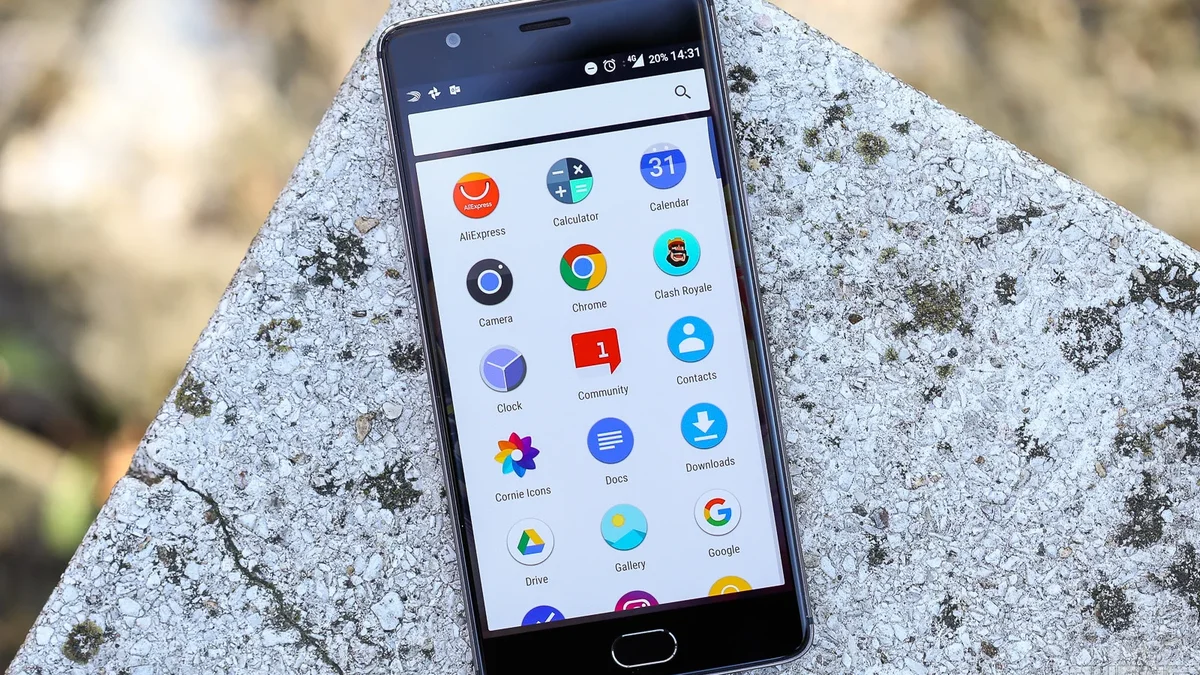
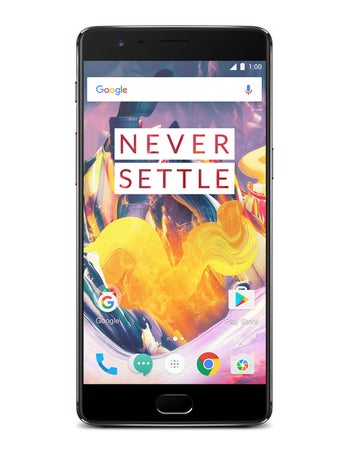
The front view of the OnePlus 3T . | Image by PhoneArena
In 2016, OnePlus released the OnePlus 3T, and it quickly became a turning point for the company. This OnePlus phone fiercely challenged Samsung and Google flagship phones, which helped put the company on the map. Many Android enthusiasts remember it fondly, and some are still keeping this phone going.
In its early days, OnePlus used to sell its phones through an “invite” system. So you couldn’t just go to the OnePlus website and place an order because it required a digital invite from the company. OnePlus would occasionally drop these invites on social media and online forums.
The OnePlus 3 was the first phone that anybody could just buy from the company’s website without a digital invite. It led to a surge in sales, and that same year, OnePlus introduced a new line of OnePlus “T” phones, starting with the OnePlus 3T.
The “T” in the 3T moniker was meant to separate it from the OnePlus 3 – which came out earlier in the same year. The OnePlus 3T had the fastest and most powerful chip available at the time: the Qualcomm Snapdragon 821. The OnePlus 3 had launched with the Snapdragon 820.
Customers had complained about the OnePlus 3 battery life, so OnePlus also upgraded the battery capacity in the 3T. Its “dash charging” promised a day’s worth of battery life with half an hour of charging.
OnePlus never shared the sales numbers for the OnePlus 3T, but a year after the launch, the company had reportedly doubled its revenue. For six more years, OnePlus came to rely on this playbook of “refreshing” the year’s main phone with the “T” badge.
OnePlus, which was purely an enthusiast brand until that point, had started moving into the mainstream market, where it would compete with Samsung, Google, and others. And the OnePlus 3T gave them all a tough challenge.
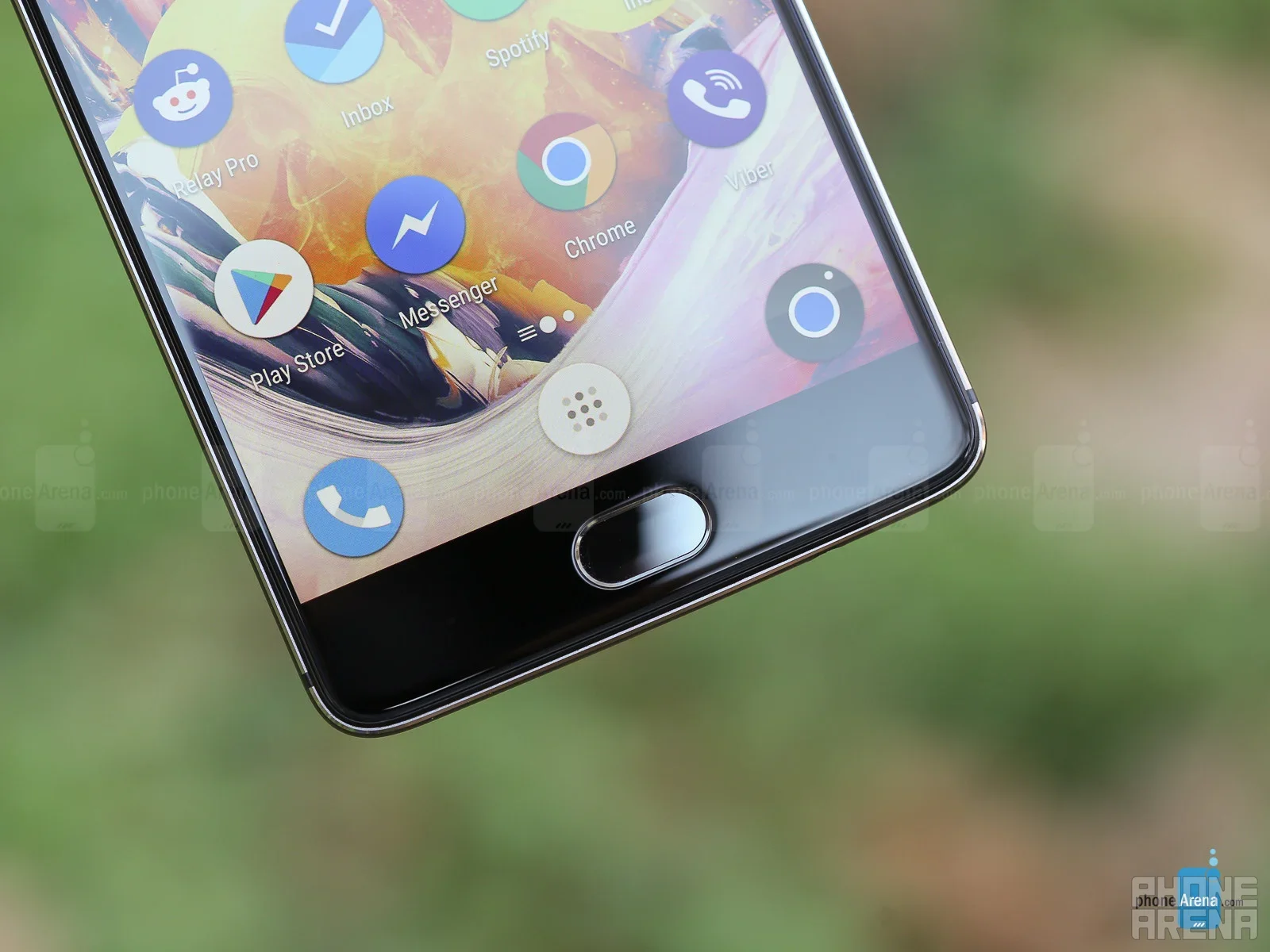
The ring on the phone’s chin was a fingerprint scanner. Samsung’s Galaxy S26 series has only recently adopted a native app locking feature, but on the OnePlus 3T, you could use this fingerprint scanner to lock and unlock apps.
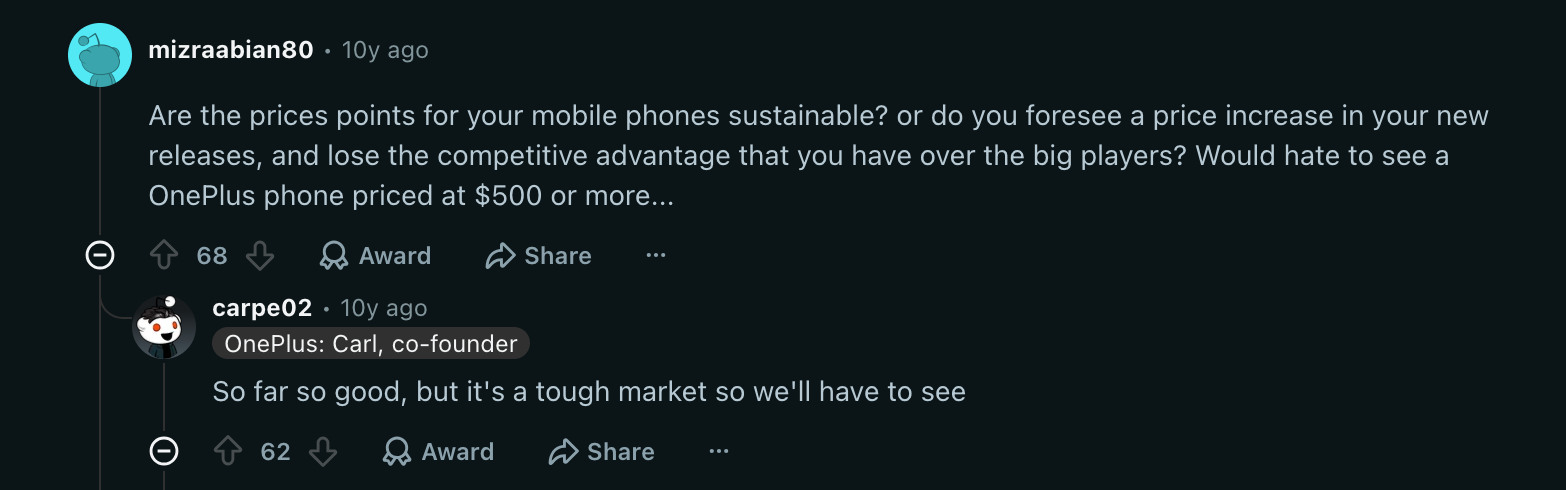
Before the OnePlus 3T, the company kept the prices strictly under $400, but the 3T started at $439 – a $40 jump from the OnePlus 3 price. Fans weren’t happy about it, but OnePlus had still kept the pricing relatively competitive.
Flagship smartphones, by then, had started climbing towards the $1,000 mark. Google’s Pixel XL had the same chip and screen size, but it started at $769. Samsung’s Galaxy S7 Edge had the Snapdragon 820, but it still cost $749. So in comparison, the $439 price tag on the 3T was a great deal.
The OnePlus 3T became an instant crowd-pleaser and, despite initial shipping disruptions, remained a fan favorite for years to come.
Two years after its release, a thread on Reddit discussed the OnePlus 3T, and users reported that the phone still ran like new.
A reader under our review of the OnePlus 3T praised it for its value and urged Samsung to take notes.
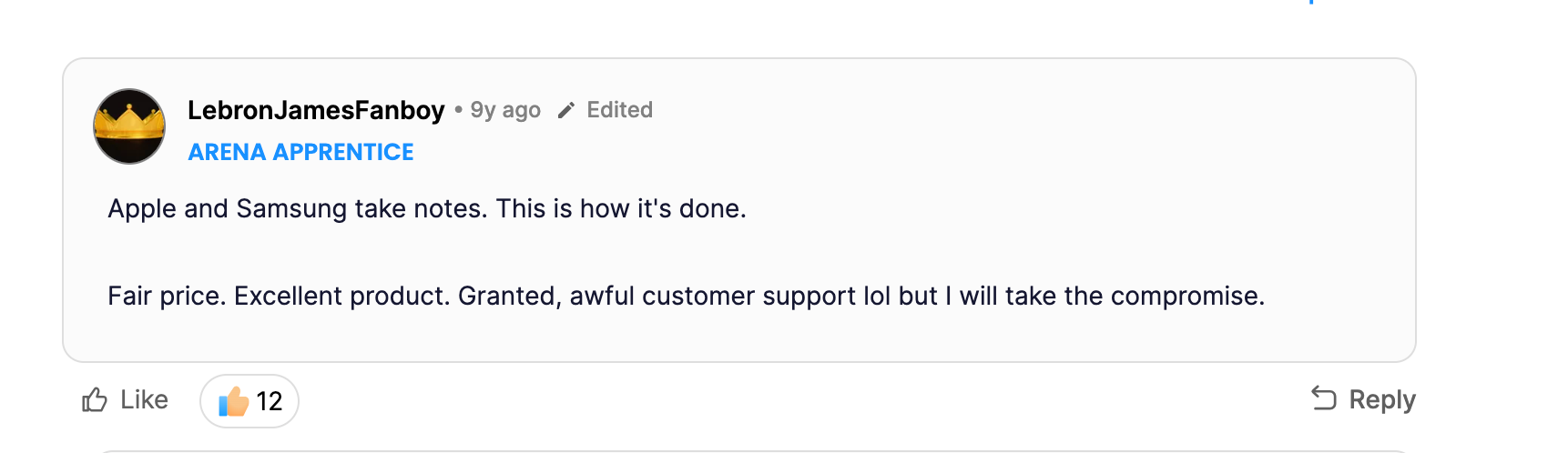
Samsung had, in fact, taken notice. Samsung’s then-chief DJ Koh said the company's focus was changing “to bring technology and differentiation points starting from the mid-end.”
There’s a small community of enthusiasts who are still keeping the OnePlus 3T alive. One of the bigger selling points of this phone was its excellent software support for modders and tinkerers. So even ten years later, they can install alternative operating systems on the OnePlus 3T.
The OnePlus 3T came out with Android version 6, and it was officially supported up to Android 9. LineageOS – an alternative Android OS – extended the support up to Android 11. While the phone cannot run recent versions of Android anymore, the 3T still supports modern alternatives to Android like PostmarketOS.
The OnePlus 3T was one of those few Android phones that struck an almost perfect balance between quality and price, disrupting the market and becoming a fan favorite for years. In a world where flagship phones now routinely cost over $1,000, it seems the mid-tier of the smartphone market needs another shake-up.
OnePlus 3T was the company’s biggest hit
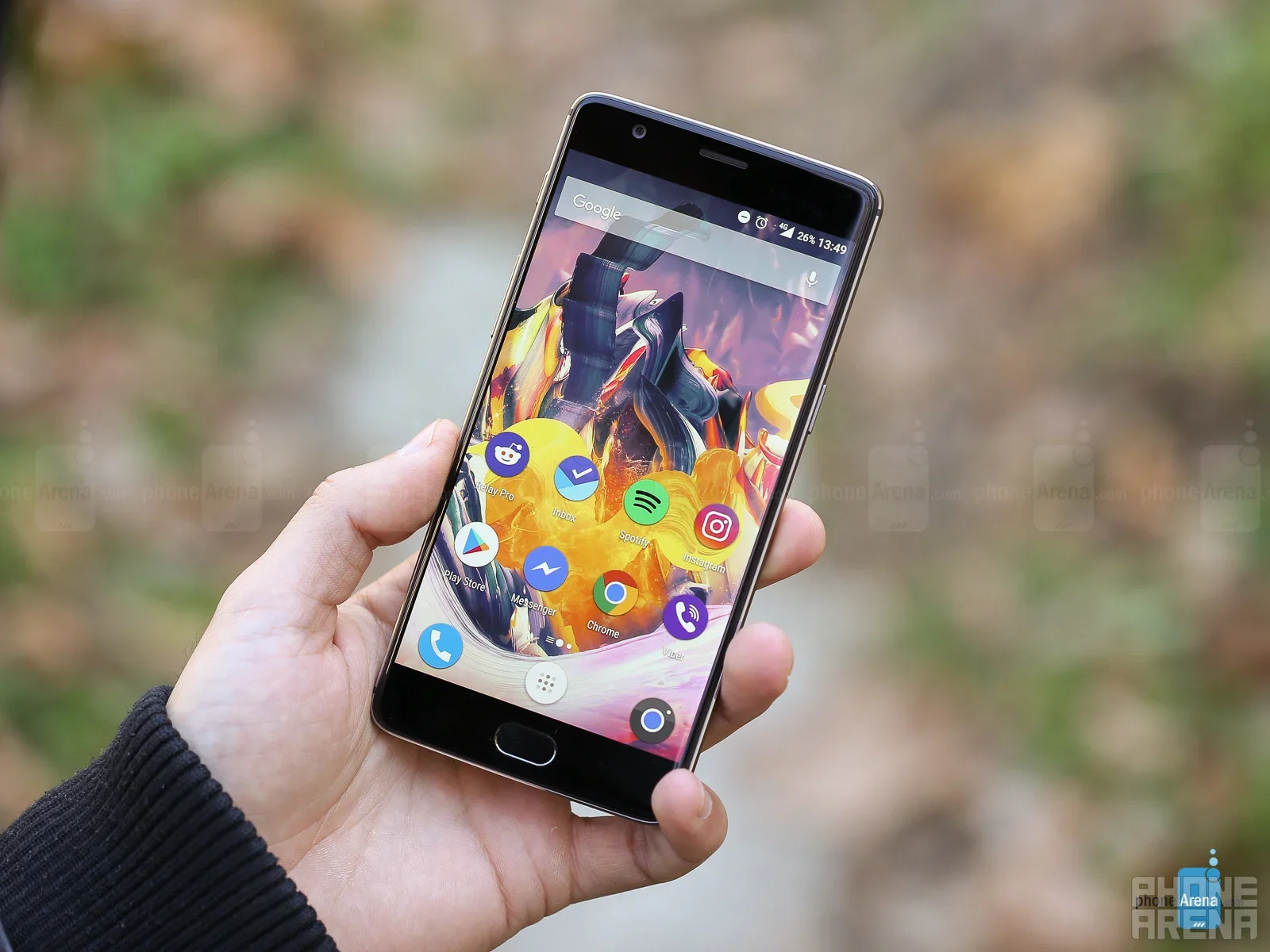
The OnePlus 3T screen. | Image by PhoneArena
In its early days, OnePlus used to sell its phones through an “invite” system. So you couldn’t just go to the OnePlus website and place an order because it required a digital invite from the company. OnePlus would occasionally drop these invites on social media and online forums.
The OnePlus 3 was the first phone that anybody could just buy from the company’s website without a digital invite. It led to a surge in sales, and that same year, OnePlus introduced a new line of OnePlus “T” phones, starting with the OnePlus 3T.
|
| OnePlus 3T |
| Size |
|---|
| 5.5-inch, 73.15% screen-to-body |
| Type |
| Super AMOLED |
| Resolution |
| 1920x1080px, 401 PPI |
| Protection |
| Corning Gorilla Glass 4 |
| System chip |
|---|
| Snapdragon 821 MSM8996 Pro |
| Memory |
| 6GB (LPDDR4)/128GB 6GB/64GB |
See the full
OnePlus 3T specs comparison
or compare them to other phones using our
Phone Comparison tool
Customers had complained about the OnePlus 3 battery life, so OnePlus also upgraded the battery capacity in the 3T. Its “dash charging” promised a day’s worth of battery life with half an hour of charging.
OnePlus never shared the sales numbers for the OnePlus 3T, but a year after the launch, the company had reportedly doubled its revenue. For six more years, OnePlus came to rely on this playbook of “refreshing” the year’s main phone with the “T” badge.
Poll
3 Votes
Do you remember the OnePlus 3T?
This phone still looks great
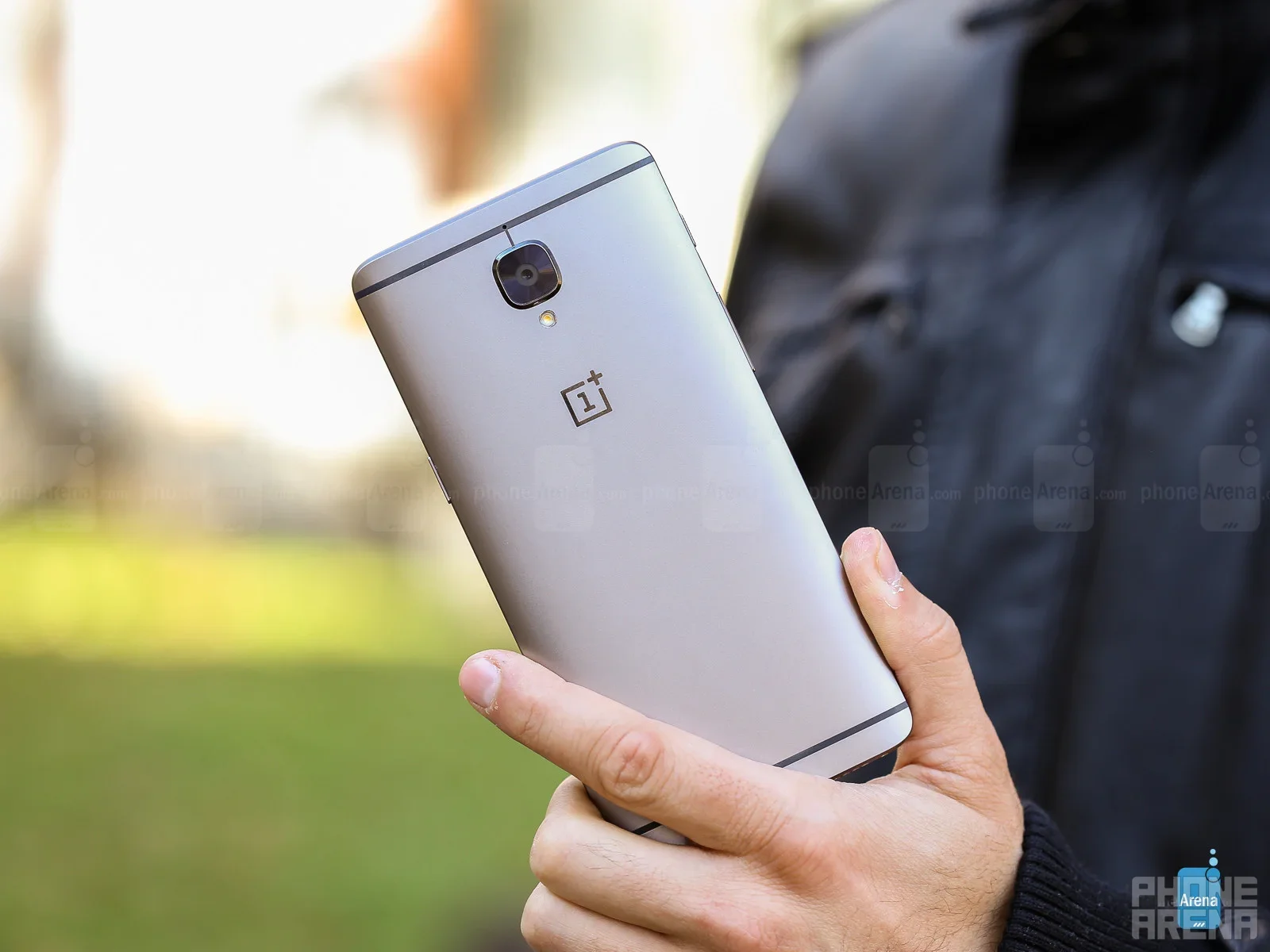
The OnePlus 3T design. | Image by PhoneArena
Reviewers at the time praised the beveled edges and aluminum finish of the OnePlus 3T, suggesting that it felt more premium than it had any right to be. I am also a fan of beveled phones because they feel more comfortable in the hand. I believe this bevel design should be brought back.
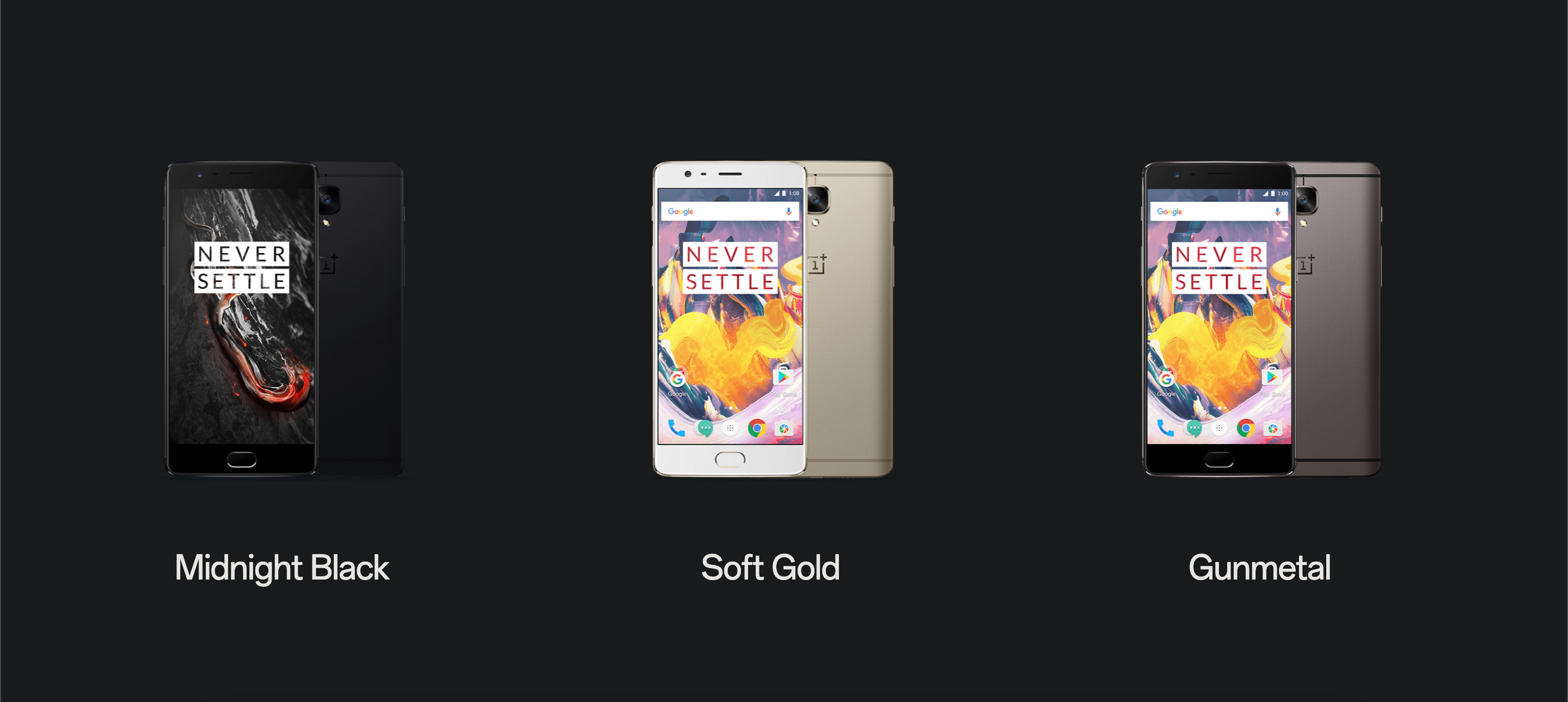
The OnePlus 3T was available in two standard colors, but there was also a limited-edition black option.
OnePlus 3T color options. | Image by OnePlus
The ring on the phone’s chin was a fingerprint scanner. Samsung’s Galaxy S26 series has only recently adopted a native app locking feature, but on the OnePlus 3T, you could use this fingerprint scanner to lock and unlock apps.
The OnePlus 3T fingerprint scanner. | Image by PhoneArena
OnePlus paired the 3T hardware with its lightweight OxygenOS skin, which Android fans loved at the time for its speed and customization.
The pricing sweet spot
The co-founder of OnePlus addresses a customer's pricing concerns. | Image by Reddit
Before the OnePlus 3T, the company kept the prices strictly under $400, but the 3T started at $439 – a $40 jump from the OnePlus 3 price. Fans weren’t happy about it, but OnePlus had still kept the pricing relatively competitive.
Flagship smartphones, by then, had started climbing towards the $1,000 mark. Google’s Pixel XL had the same chip and screen size, but it started at $769. Samsung’s Galaxy S7 Edge had the Snapdragon 820, but it still cost $749. So in comparison, the $439 price tag on the 3T was a great deal.

|
|

|
| Samsung Galaxy S7 edge | OnePlus 3T | Google Pixel XL |
| System chip | ||
|---|---|---|
| Snapdragon 820 MSM8996 (14 nm) International version - Exynos 8 Octa 8890 |
Snapdragon 821 MSM8996 Pro | Snapdragon 821 MSM8996 Pro |
| Processor | ||
| Quad-core 2200 MHz Kryo International version - Octa-core, 4x2.3GHz Exynos M1, 4X1.6GHz ARM Cortex-A53 |
Quad-core Kryo | Quad-core 2150 MHz Kryo |
| GPU | ||
| Adreno 530 International version - Mali-T880 MP12 |
Adreno 530 | Adreno 530 |
| Memory | ||
| 4GB (LPDDR4)/32GB 4GB/32GB 4GB/64GB |
6GB (LPDDR4)/128GB 6GB/64GB |
4GB (LPDDR4)/128GB 4GB/32GB |
| Storage expansion | ||
| microSDXC up to 200 GB | not expandable | |
| OS | ||
| Android (8.0 Oreo, 7.0 Nougat, 6.0 Marshmallow) | Android (9.0 Pie, 7.1 Nougat, 7.0 Nougat, 6.0 Marshmallow) | Android (10, 9.0 Pie, 8.1 Oreo, 8.0 Oreo, 7.1 Nougat) |
See the full
Samsung Galaxy S7 edge vs OnePlus 3T vs Google Pixel XL specs comparison
or compare them to other phones using our
Phone Comparison tool
This was also the year of the infamous Galaxy Note 7 recall, and many Android fans were already seeking Samsung alternatives.
It became an iconic Android phone
The OnePlus 3T became an instant crowd-pleaser and, despite initial shipping disruptions, remained a fan favorite for years to come.
Two years after its release, a thread on Reddit discussed the OnePlus 3T, and users reported that the phone still ran like new.
Reddit thread from 8 years ago. | Images by Reddit
A reader under our review of the OnePlus 3T praised it for its value and urged Samsung to take notes.
A PhoneArena reader praised the OnePlus 3T. | Image by PhoneArena
Samsung had, in fact, taken notice. Samsung’s then-chief DJ Koh said the company's focus was changing “to bring technology and differentiation points starting from the mid-end.”
In the years that followed, Samsung discontinued the Galaxy J-series and rebooted the Galaxy A-series to win back some of that market share. So in this way, the OnePlus 3T (and other early OnePlus phones) helped popularize features that were once flagship exclusives in Android phones.
The community is keeping the OnePlus 3T going
There’s a small community of enthusiasts who are still keeping the OnePlus 3T alive. One of the bigger selling points of this phone was its excellent software support for modders and tinkerers. So even ten years later, they can install alternative operating systems on the OnePlus 3T.
The OnePlus 3T came out with Android version 6, and it was officially supported up to Android 9. LineageOS – an alternative Android OS – extended the support up to Android 11. While the phone cannot run recent versions of Android anymore, the 3T still supports modern alternatives to Android like PostmarketOS.

Popular stories

Latest News
Things that are NOT allowed:
To help keep our community safe and free from spam, we apply temporary limits to newly created accounts: