Once again, Apple has found itself in the courtroom, as it is being sued again.
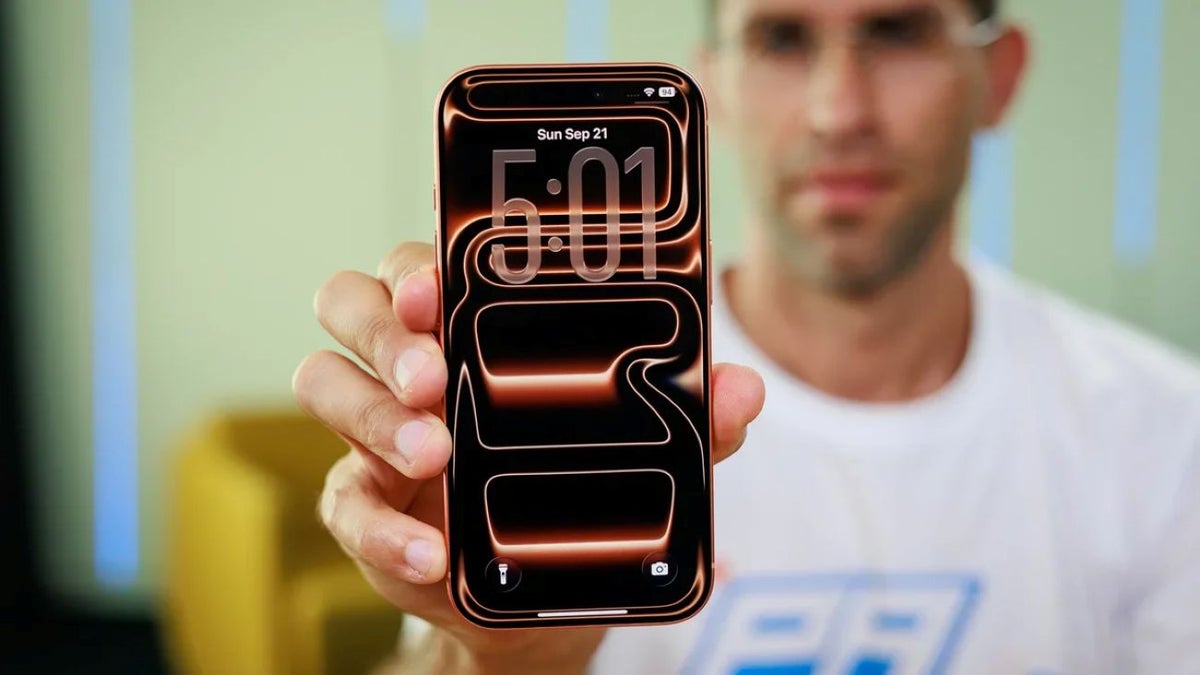
This time, Cupertino's legal troubles have to do with the iPhone and, more specifically, with the Face ID functionality.
"We developed it"
Cupertino is in hot waters again. | Image by Apple
As it is often the case, the legal dispute is over an alleged patent infringement. In this case, the well-known and reputable German company BASF (it's big in the chemical industry) is the one that has its crosshairs on Apple.
BASF says that numerous iPhone and iPad models have infringed on the company's patented face authentication technology, per Reuters.
There's a BASF startup subsidiary called trinamiX. This unit is specializing in advanced biometric 3D imaging and mobile material analysis. Which means that trinamiX is trying to outsmart smart con artists who may unlock your device by "using photographs, 3D-printed masks and silicone replicas".
Which iPhones have it?
BASF alleges that the iPhone X (from 2017) didn't use its trinamiX unit's patented technology. But it's used without permission in modern-day devices like the iPhone 17, iPhone 16, iPhone 15 and numerous iPad devices.
Per BASF, "Apple knew or should have known of the high probability that updating its iPhones and iPads to incorporate Face ID using material and skin detection" would infringe on no less than seven trinamiX patents.
Recommended For You
Face unlocking and more
Although face-unlocking capabilities were presented as early as 2011 with the Samsung Galaxy Nexus, Apple took some more years and introduced Face ID in 2017. However, it's a completely different beast nowadays.
Apple's Face ID relies on dedicated TrueDepth hardware to project over 30,000 invisible infrared dots, building a detailed 3D geometric map of your face that works even in darkness and can't be fooled by photos. In contrast, the vast majority of Android devices trade dedicated 3D depth sensors for a cleaner display, relying instead on the front camera and software algorithms for standard 2D facial recognition.
While higher-end Android phones like recent Pixels use advanced machine learning to make 2D recognition secure enough for banking apps, they still fall short in low-light environments compared to Apple.
Which new iPhone are you most excited about?
2045 Votes
iPhone 18 Pro
13.94%
iPhone 18 Pro Max
27.82%
iPhone Ultra
27.78%
Neither, I'm sticking with my current phone
30.46%
Trade in your old phone for cash at ecoATM!
Recycle your used phone and get instant cash. Find out how at ecoATM!
Sebastian is one of PhoneArena’s senior opinionators. A veteran news writer with almost 20 years of experience in media and technology, he not only covers all the hot news about Galaxies and iPhones, but often provides hot takes on industry trends. He’s fascinated with camera-focused flagships from the likes of Oppo and Vivo, as well as foldable phones.
A discussion is a place, where people can voice their opinion, no matter if it
is positive, neutral or negative. However, when posting, one must stay true to the topic, and not just share some
random thoughts, which are not directly related to the matter.
Things that are NOT allowed:
Off-topic talk - you must stick to the subject of discussion
Offensive, hate speech - if you want to say something, say it politely
Spam/Advertisements - these posts are deleted
Multiple accounts - one person can have only one account
Impersonations and offensive nicknames - these accounts get banned
To help keep our community safe and free from spam, we apply temporary limits to newly created accounts:
New accounts created within the last 24 hours may experience restrictions on how frequently they can
post or comment.
These limits are in place as a precaution and will automatically lift.
Moderation is done by humans. We try to be as objective as possible and moderate with zero bias. If you think a
post should be moderated - please, report it.
Have a question about the rules or why you have been moderated/limited/banned? Please,
contact us.








Things that are NOT allowed:
To help keep our community safe and free from spam, we apply temporary limits to newly created accounts: