Every product we review or recommend is thoroughly tested by our in-house experts in real-world conditions, following our
review methodology
and
ethics statement
to ensure honest, independent, and data-driven results.
We may earn a commission if you make a purchase from the links on this page.
Foldable phones are no longer the fragile experiments they used to be a few years back. In 2026, the technology behind this form factor has evolved enough to make it desirable to many buyers—foldables are now thin, have better battery life, and have less visible creases, all of which helps them rival traditional flagship phones.
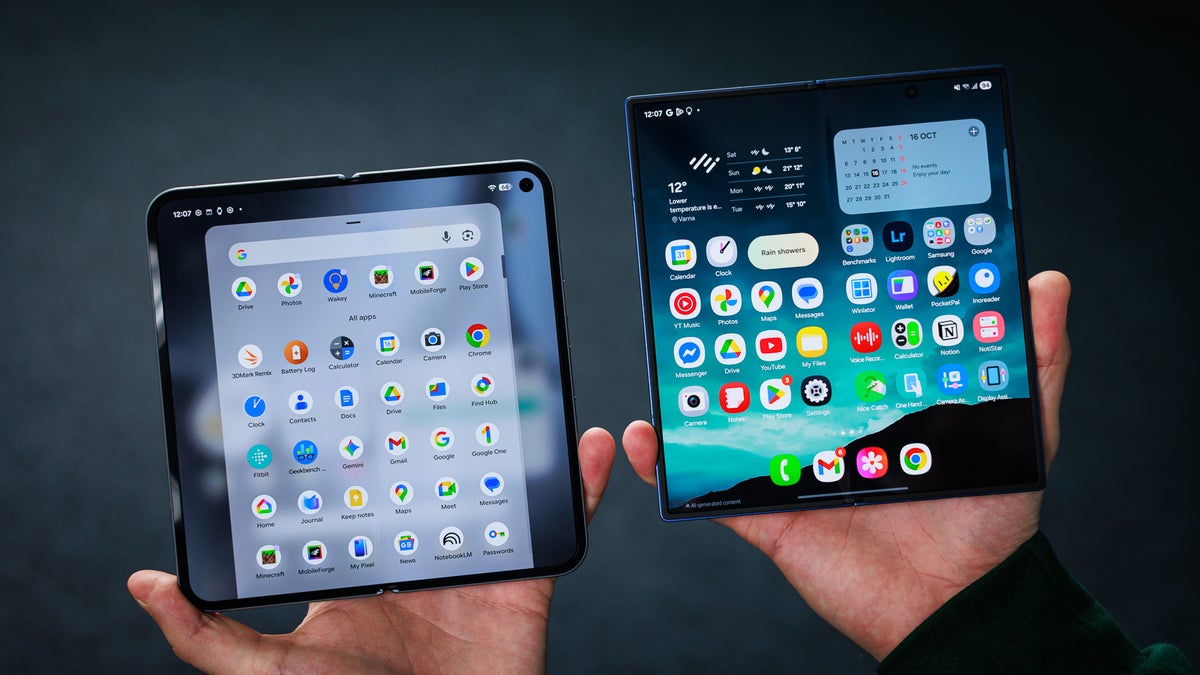
Now we even have a new type of foldable phone besides the small flip phones and the traditional square-shaped ones. Of course, I am talking about the new wide folds, the likes of the Galaxy Fold 8 and iPhone Duo.
So, with such a crowded space, there's a lot to choose from in 2026. The question is, which one is best for you?
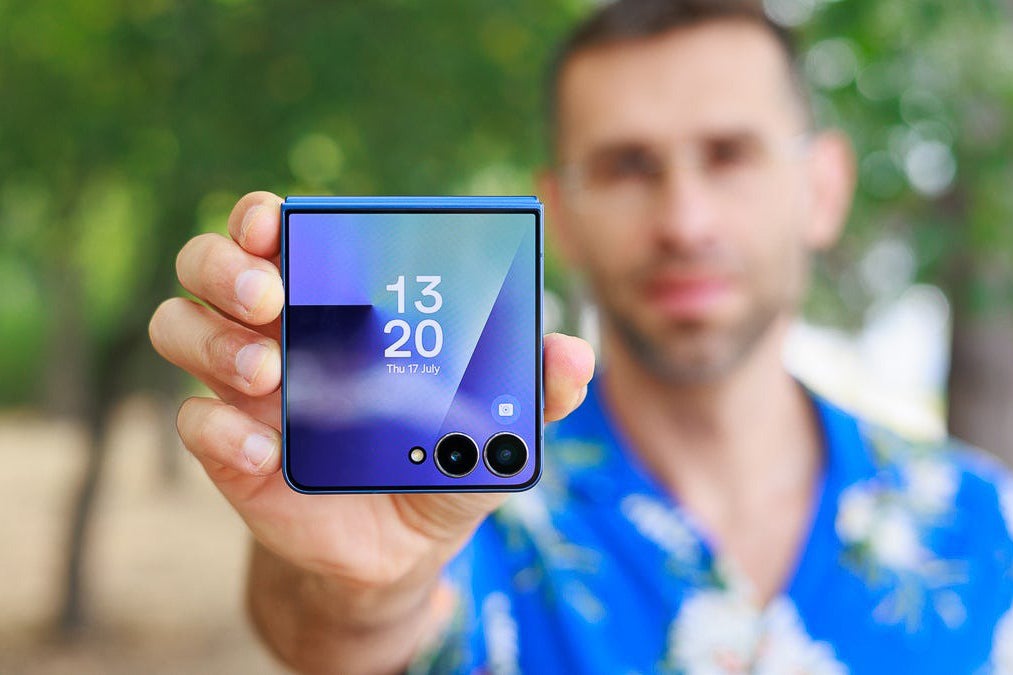
The Z Fold 7 finally feels ‘normal’ in the hand — thin, light, and easy to pocket | Image by PhoneArena
Why did I pick it?
The Fold 7 struck the best balance between performance and comfort. Plus, it is still one of the few that are available in the US.
The phone is just 8.9 mm thick (when folded) and it weighs only 215 g. It’s the first Galaxy Z Fold that truly feels like a regular phone in the hand.
Recommended For You
The wider 6.5-inch cover screen feels more practical and "regular", so I didn’t feel compelled to unfold the phone for everyday tasks. Speaking of, the 8-inch inner display is brighter and sturdier thanks to a thicker UTG layer, which helps reduce the crease visibility.
The thicker protective glass layer helps reduce crease visibility, and in everyday use the Fold 7’s crease fades into the background unless you’re actively looking for it.
What's more, the new 200 MP main camera is a huge step up from the previous generation, nearly matching the Galaxy S25 Ultra in image quality.
But what really makes the Fold 7 our best overall pick is how well-rounded it is: excellent multitasking software, useful One UI 8 features, strong performance from the Snapdragon 8 Elite, and the reassurance of Samsung’s seven-year update policy.
What also makes the Fold 7 easier to recommend long-term is Samsung’s seven-year update policy. A foldable is a big investment, and knowing it will receive OS and security updates well into the 2030s makes its real-world lifespan comparable to any traditional flagship.
Availability also played a big role. While Oppo, Honor, and Vivo have great foldables, they’re often limited in where you can buy them. The Fold 7 is widely available in the U.S. with trade-in deals that take some sting out of its $2,000 price, making it a much easier recommendation.
Who’s It For?
If you're looking for a safe choice that won't leave you disappointed, the Z Fold 7 is the one to go for. I'd recommend it to anyone who doesn't have access, or is not a fan of the foldable phones that are not available in the U.S.
The Galaxy Z Fold 7 is now available at a solid discount. Right now, you can get the device for up to $570 off when you trade in an eligible phone in good condition.
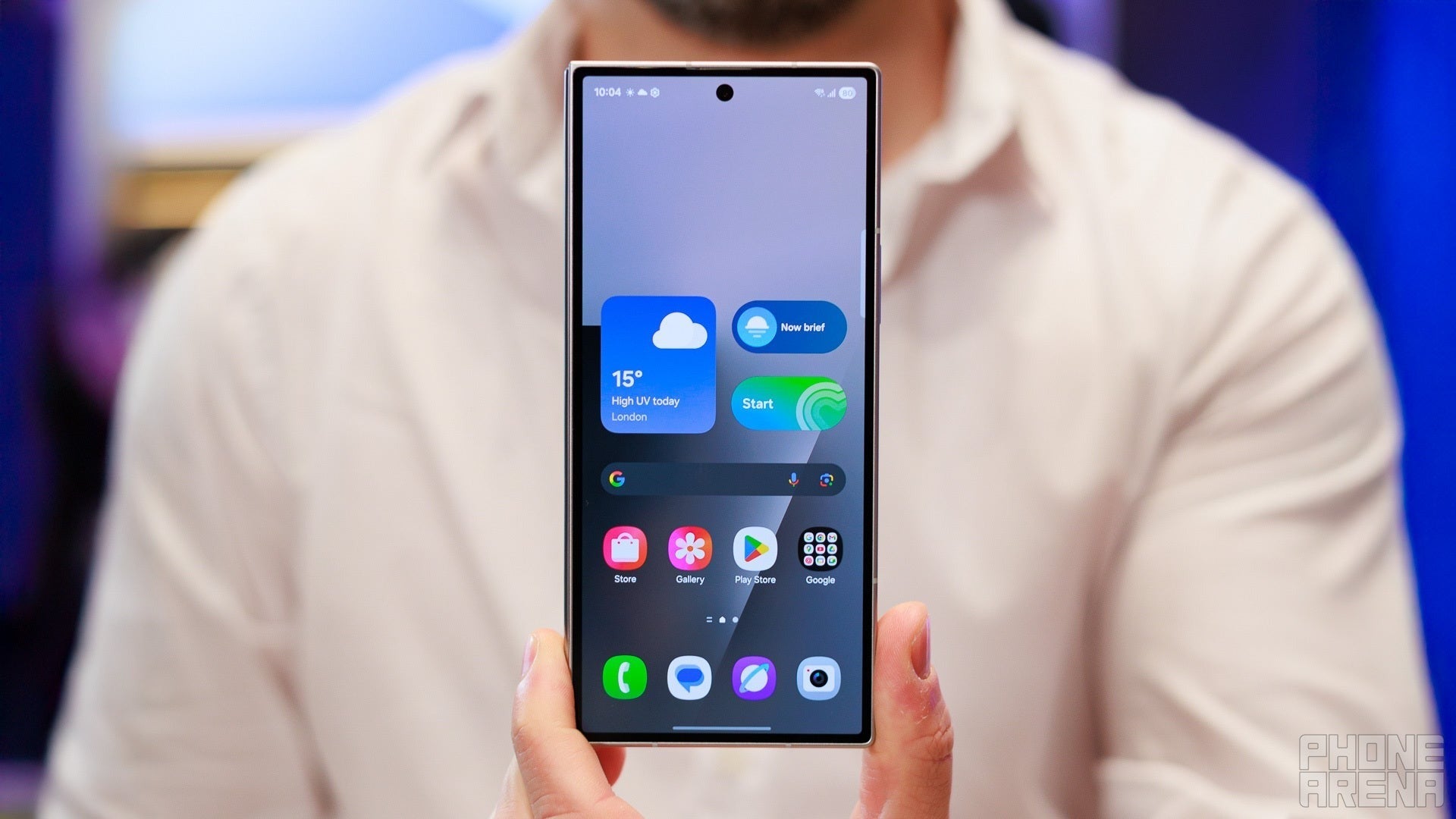
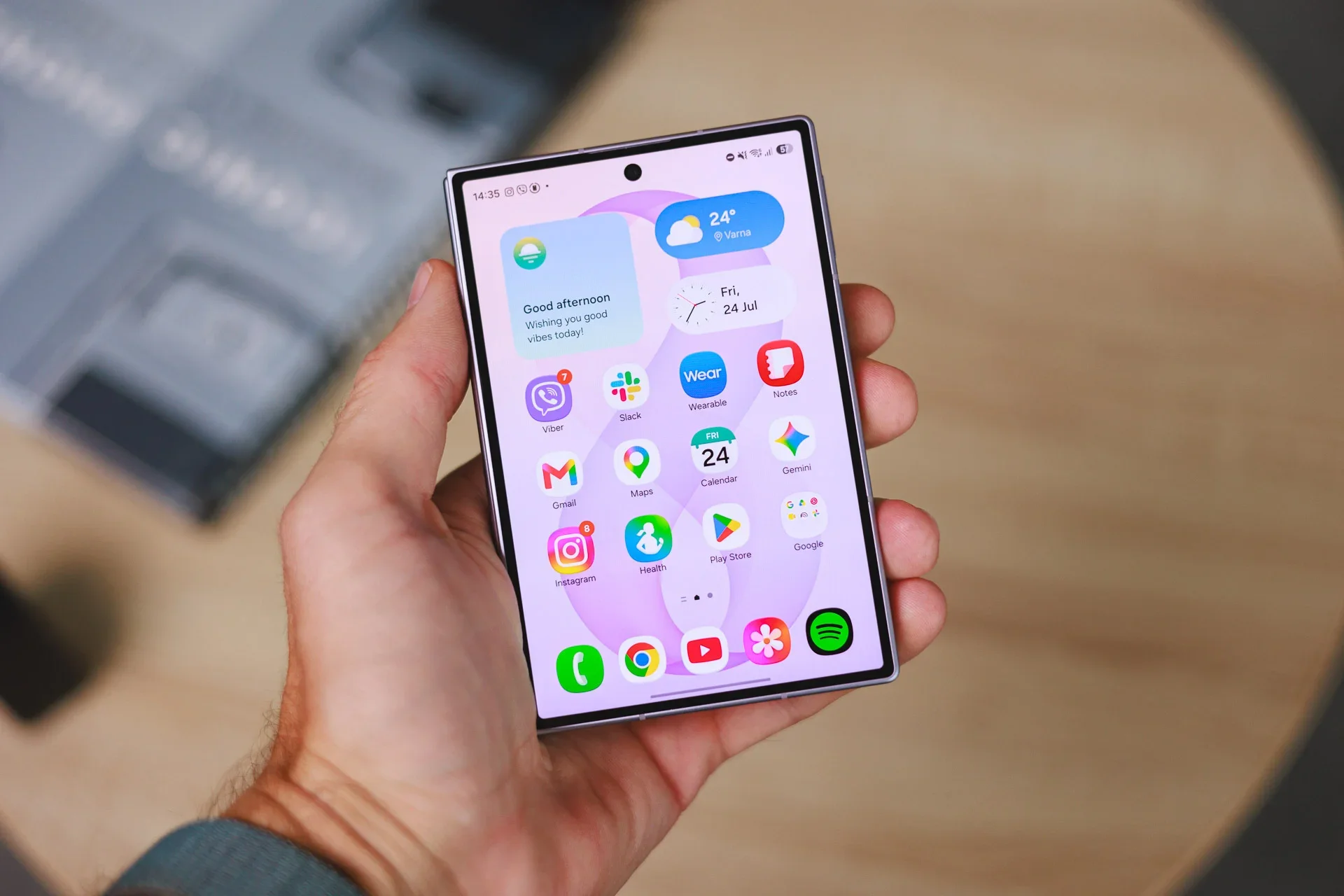
Samsung has hit a home run with the Galaxy Z Fold 8 | Image by PhoneArena
Why did I pick it?
The Galaxy Z Fold 8 is an excellent foldable phone, and one of the key reasons for that is its stumpy form factor. The wallet-style foldable form factor is arguably quite intriguing right now, given that the iPhone Ultra will be announced in early September 2026, so just about any manufacturer will take a crack at beating Apple in this novel category.
Well, Samsung was one of the first to do that, and honestly, the execution is pretty much perfect. We get high-end specs, a lovely design language that combines Samsung's extensive know-how in the foldable phone niche with the latest trends like a zero-wedge body and no physical display crease.
The Galaxy Z Fold 8 masterfully pairs a 16:10 outer display with a 4:3 inner screen, making this one perfect for a wide amount of activities, like multimedia consumption and gaming, but also productivity, too.
The only relative downside here is the merely dual-camera system, which only covers the basics and doesn't offer an exceptional photo- or video-taking experience, but foldables were never about the camera anyways.
Who is it for?
Honestly, I can't think of who it isn't for.
The Galaxy Z Fold 8 is one very functional phone, unlike most other standard foldables I've used. It has the power, it has the looks, and it has the utility.
For a limited time, Samsung's Galaxy Z Fold 8 Ultra can be yours with a generous $300 price cut, no trade-in required. If those savings don't sound compelling enough, trade in an eligible phone to save up to $800.
The Galaxy Z Fold 8 is Samsung's first foldable phone with a passport design. Right now, you can grab it with an $800 discount when you trade in an eligible device in good condition. Alternatively, you can grab $200 in Samsung Credit, redeemable toward accessories or other Galaxy devices.
Sturdier build with IP68 water and dust resistance
Wide and functional inner and outer displays
Stock Android 16 software is a gem
What we don't like
Performance is okay, gaming is disappointing
Battery life not much better than Pixel 9 Pro Fold
Video image quality is still not inspiring
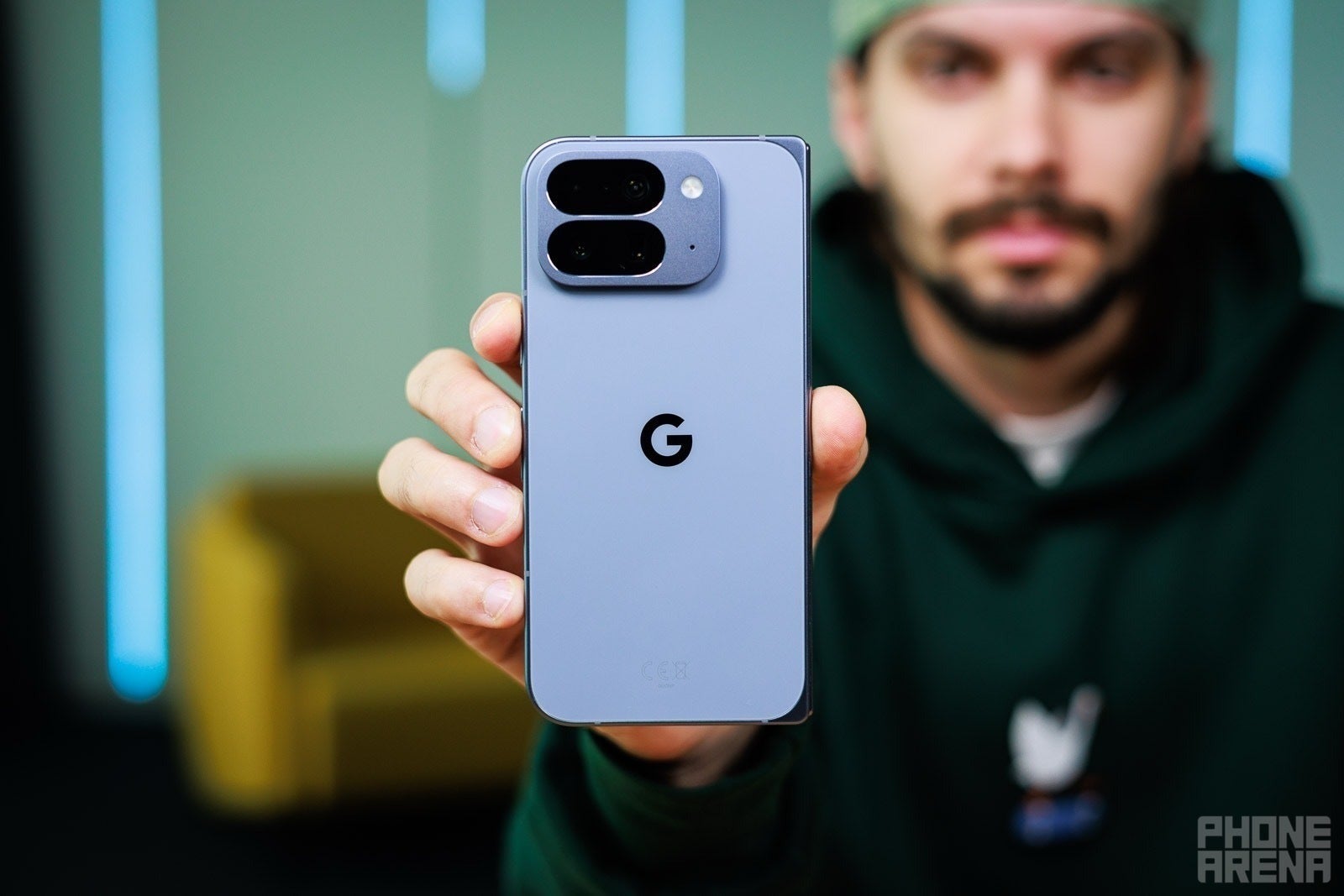
The Pixel 10 Pro Fold will last you long. | Image by PhoneArena
Why did I pick it?
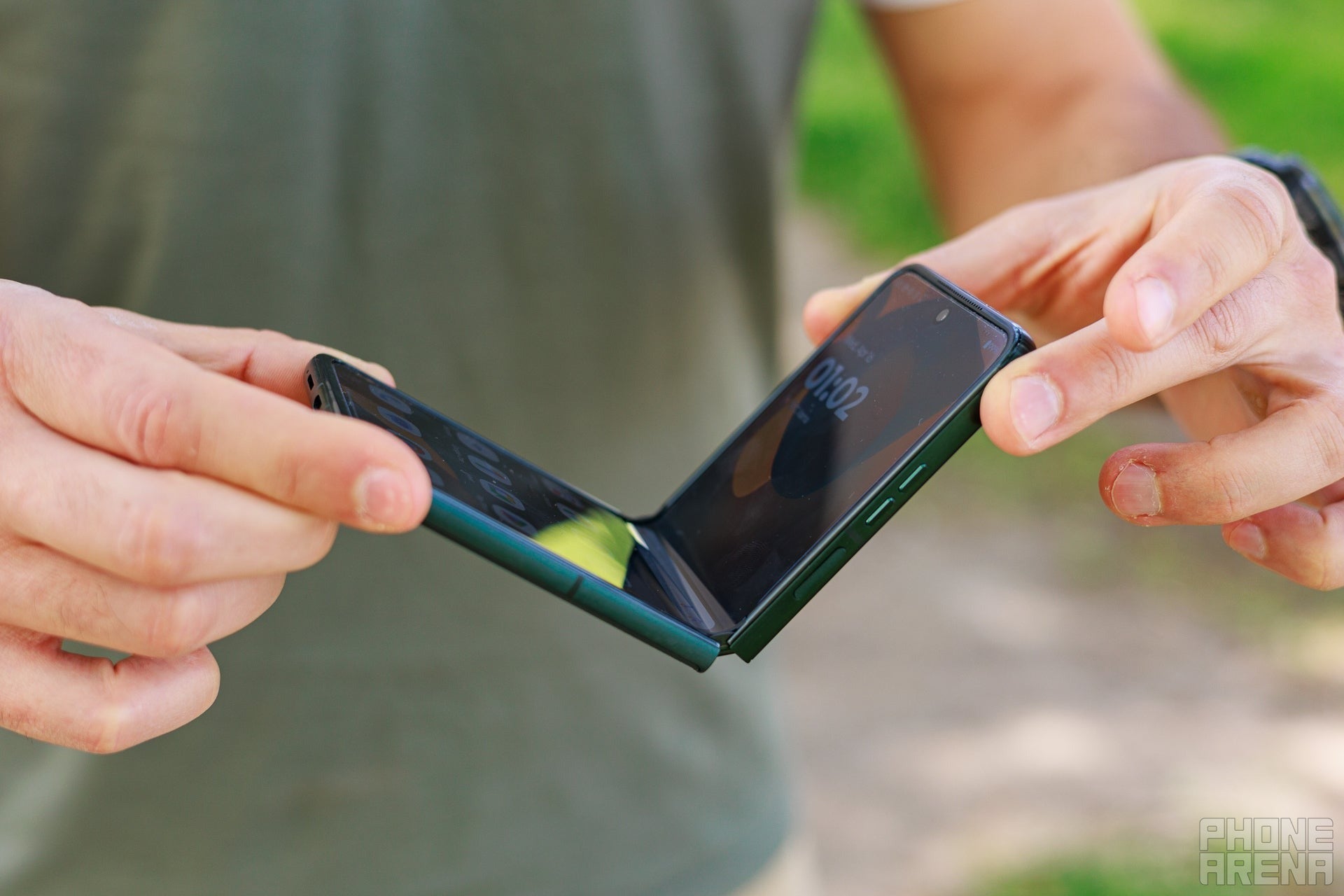
The Pixel 10 Pro Fold earns the durability crown because it’s the first foldable with full IP68 water and dust resistance, which is a big milestone for the form factor.
Yes, most foldables can survive splashes, but what scares every foldable owner is the dust part. The new hinge mechanism that Google has engineered allows the phone to achieve this certification and level of protection.
One thing I love about the Pixel 10 Pro Fold is its cover 6.4-inch display. It is wider than on most other book-like foldables, which makes it easier to use. What's more, the 8-inch foldable display gets super bright, reaching 2,600 nits in our tests, which makes the Pixel 10 Pro Fold easy to use in bright conditions.
You should know, though, that the Pixel 10 Pro Fold’s crease is still more pronounced than some rivals, especially under bright light.
Performance is one area where Google's Pixel phones are severely behind their competition, and that's no different with the Pixel 10 Pro Fold. The Tensor G5’s limits are mostly unnoticeable during regular use, but you start to feel them when using more demanding apps.
Battery life is also not great. Our battery tests gave an estimated battery life of just 5 hours and 16 minutes for the Pixel 10 Pro Fold, which is below the average for a large foldable.
Still, if durability is your number one concern, this is the safest foldable right now.
Who’s It For?
The Pixel 10 Pro Fold will feel right at home if you are coming from a regular phone, at least when it comes to the software. Google has done a remarkable job with adapting Android on its foldable phones, and that helps them feel just like a regular Pixel. Of course, if you value dust resistance, it is also a great pick for you.
The Pixel 10 Pro Fold brings an improved foldable experience, featuring the latest Tensor G5 chip, Android 16 out of the box, and two gorgeous screens. Right now, you can grab the foldable at its full price on Amazon.
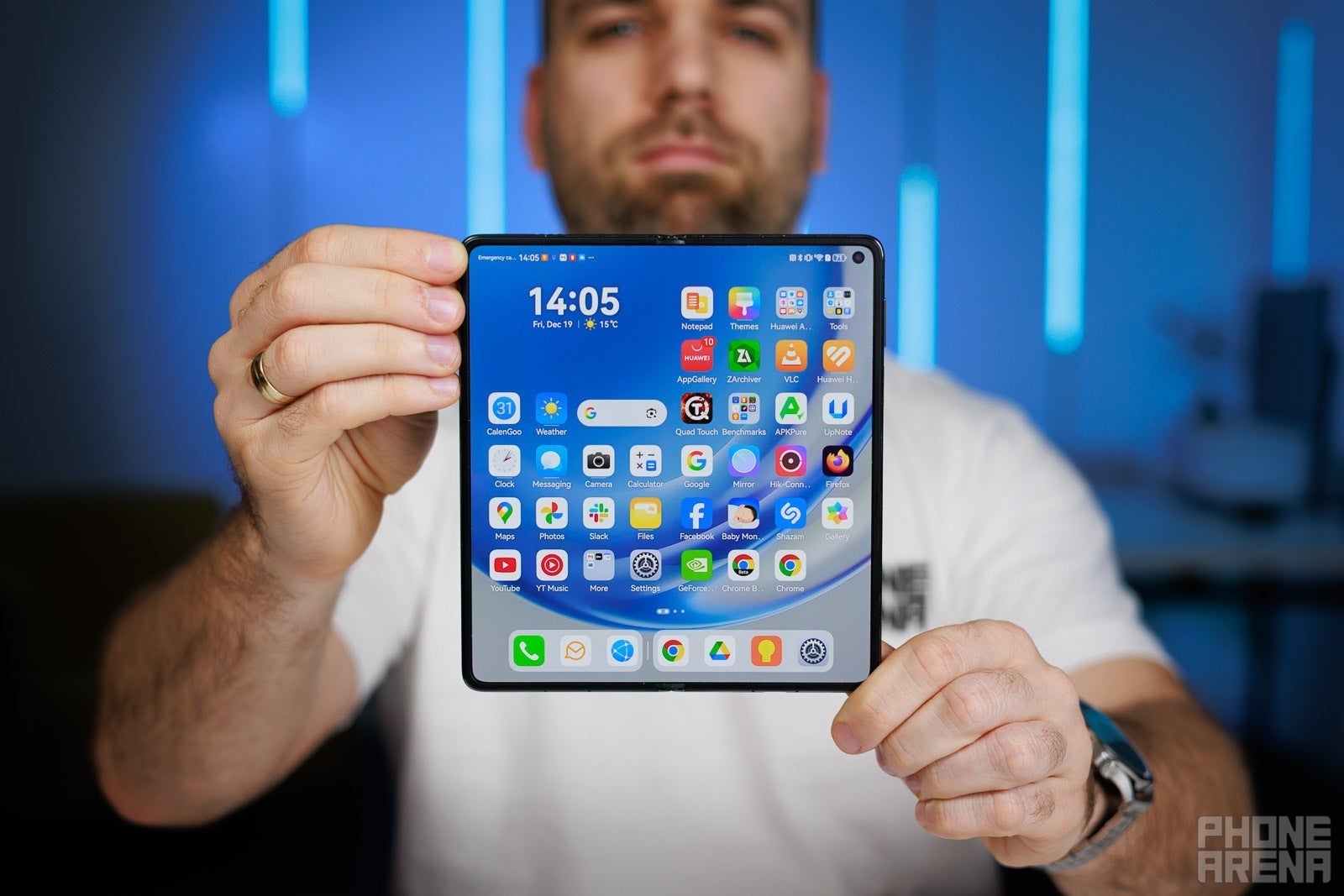
The Huawei Mate X7 is the foldable king when it comes to battery life and charging. | Image by PhoneArena
Why did I pick it?
Battery life used to be a weak spot for large foldables, but the Mate X7 proves that’s no longer universally true. Its 5,600 mAh battery delivers endurance that rivals traditional slab flagships.
That massive battery resulted in 7 hours and 11 minutes of estimated battery life during our tests. Of course, that's still not as good as some of the latest non-foldable phones, but it is leagues ahead of the competition as far as foldable phones go.
To make things even better, the Mate X7 comes with superfast charging speeds. It has 66W wired charging that gets it to 79% in just 30 minutes, with a full charge taking only 43 minutes. The wireless charging is also quick, reaching up to 50W, which is still rare in this category.
But the battery life and charging speeds are not the only things the Mate X7 has going for it. It also came with improved durability with an IP58 and IP59, as well as reinforced Kunlun glass. It genuinely feels like one of the more robust foldables I’ve handled.
Kunlun is a reinforced ultra-thin glass layer, which is far more resilient than what was used on early-generation foldables. Under normal daily use, cracking is extremely unlikely unless you apply sharp pressure or trap debris in the hinge.
Of course, there are trade-offs too. The software experience and the performance are sub-par. There's no native support for Google apps and services, and the Kirin 9030 chipset can't match the Snapdragon silicon coming from Qualcomm.
Who’s It For?
If battery life is your top priority and you’re comfortable using microG or other Google workarounds, this is the foldable to get.
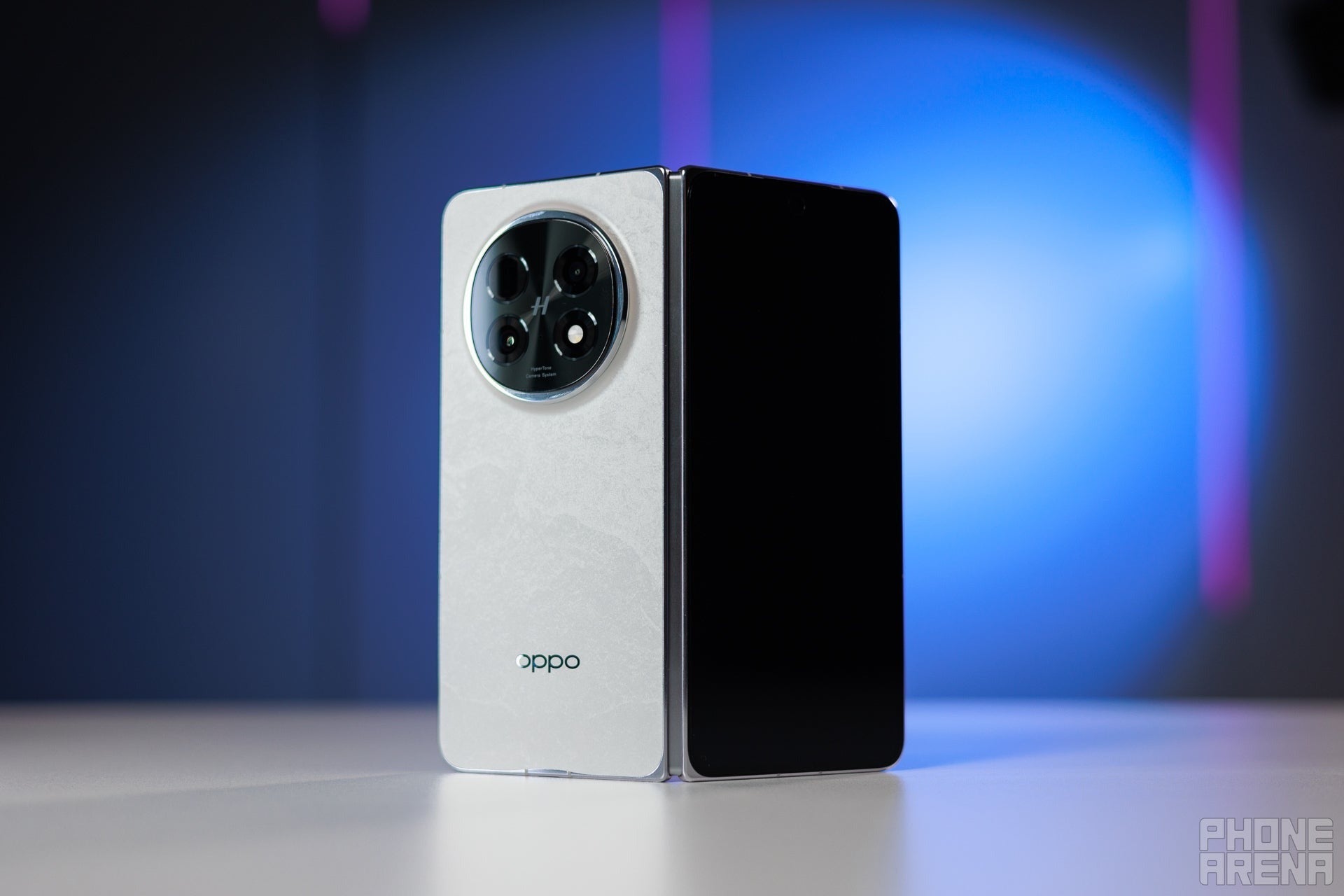
The Oppo Find N5 blends luxury design with leading performance | Image by PhoneArena
Why did I pick it?
The Oppo Find N5 debuted earlier in 2025 and quickly set a new bar for foldable photography. It combines Oppo’s elegant industrial design with one of the most capable triple-camera systems ever put in a foldable, earning the highest camera score of any foldable in our tests.
Unlike many foldables that still treat cameras as secondary hardware, the Find N5 feels like a true flagship camera that just happens to fold. The 50 MP main sensor, 50 MP 3x telephoto and 8 MP ultrawide delivered consistently natural and well-balanced photos. In our tests, the Find N5 leaned toward realistic tones and restrained processing, which is a welcome sight given the often oversaturated results from competitors.
The Find N5 felt like the most mature camera experience in day-to-day use. Shots of landscapes, portraits, and low-light city scenes all came out with reliable exposure and detail, even when switching between lenses. Video was steady and natural-looking, making it a dependable all-rounder.
Yes, availability is limited outside Asia, and in the U.S. it’s virtually impossible to buy one through carriers. But for those who can get it, the Oppo Find N5 is the best choice if your priority is camera quality on a foldable. It proves that you don’t need to sacrifice great image quality to enjoy the foldable form factor.
Who’s It For?
The Oppo Find N5 is for people who want the absolute best hardware design in the foldable world, with no compromises on display quality or performance. If availability in your region isn’t an issue, it’s the most polished foldable you can buy in 2025.
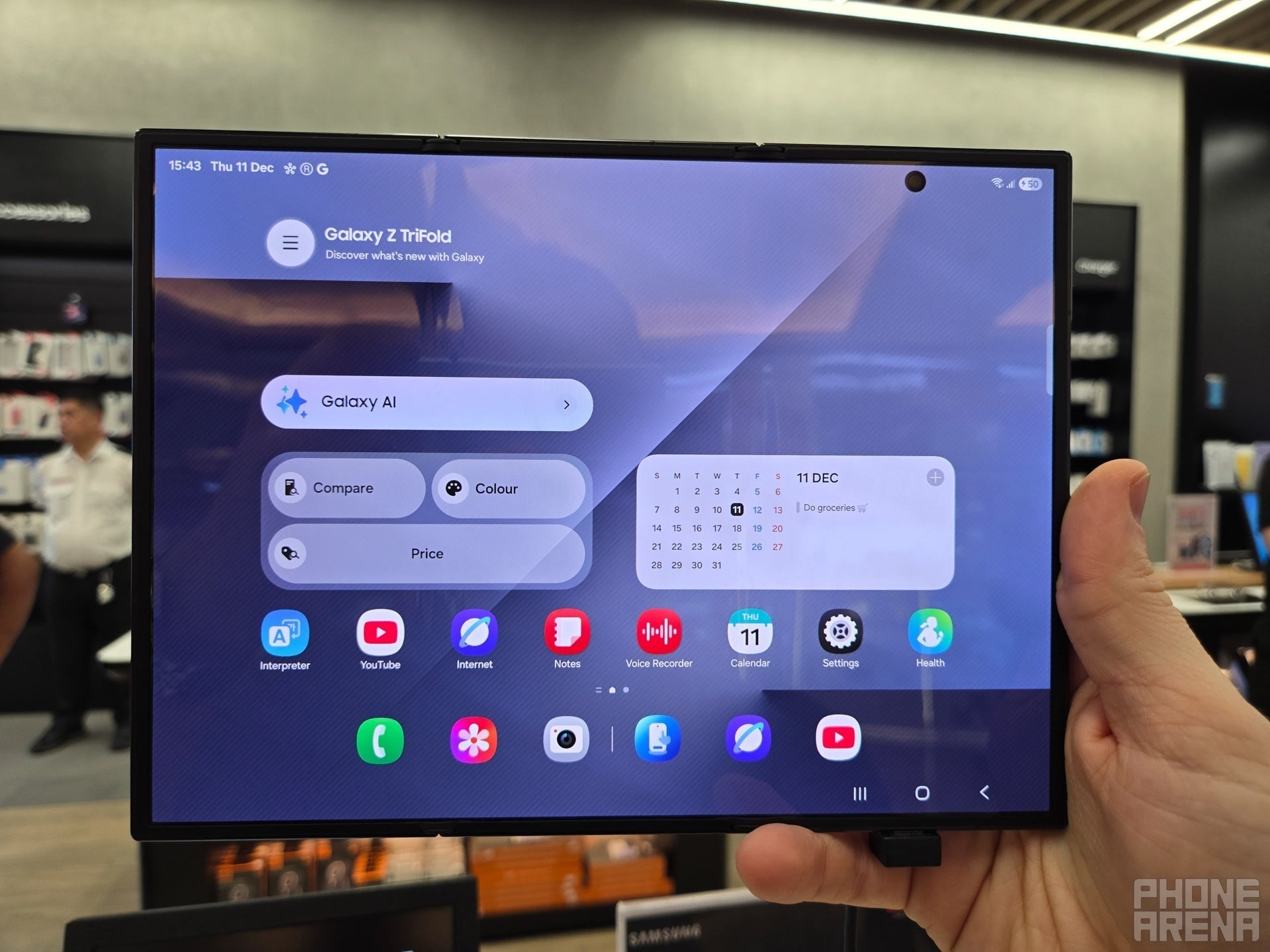
The Galaxy Z TriFold is Samsung's latest endeavor in the foldable phone market. | Image by Samsung
Why did I pick it?
The TriFold is about screen size. Well, that, and Samsung's ambition. While the phone hasn't come out yet, we got to play around with it in December 2025, and it was an interesting experience.
Unfolded, it gives you roughly a 10-inch-class display, which is easily entering into tablet territory. Multitasking on this thing feels genuinely different from traditional foldables.
Yes, it’s thicker when folded, that's to be expected. But Samsung’s One UI multitasking is miles ahead in polish compared to Huawei’s tri-fold alternative (Mate XT was the first tri-fold), especially in the US and Europe.
And unlike Huawei, Samsung gives you seven years of updates and full Google services.
This is not a mass-market device, of course, but it’s the most practical large tri-fold option for US buyers at the moment.
Who’s It For?
Early adopters. Productivity-focused users. People who want a tablet that folds into a pocket and don’t mind the thickness trade-off.
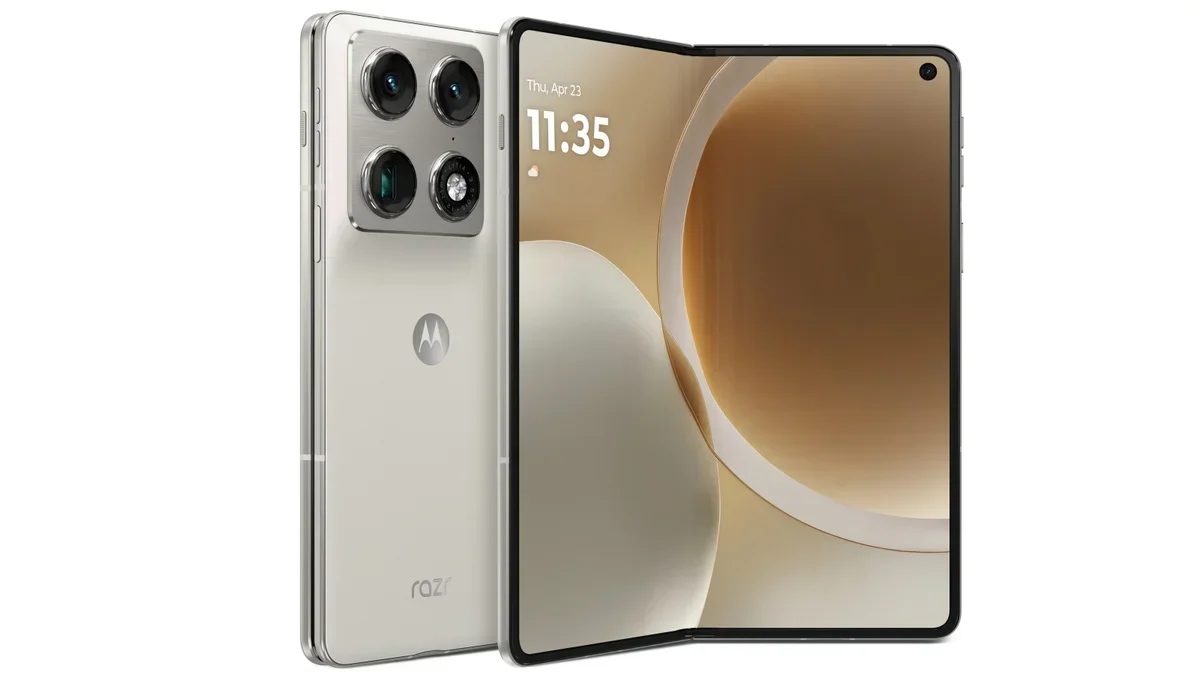
The Razr Fold has the potential to shake things up in the foldable phones market. | Image by Motorola
Why did I pick it?
For years, Motorola dominated the flip-phone market with the Razr, but it wasn't until MWC 2026 that they finally scaled that expertise into a book-style flagship. The Motorola Razr Fold is a statement piece, directly challenging the dominance of the Galaxy Z Fold 7. And it fixes the two biggest complaints of the category: battery life and thickness.
At under 10mm when closed, it feels more like a standard smartphone in your pocket than a folding tablet. Motorola managed to cram a giant 6,000mAh silicon-carbon battery into this frame, which honestly puts rivals like Samsung to shame. When you unfold it, you're met with a huge 8.1-inch screen, perfect for multitasking.
Who’s it For?
The Razr Fold is built for power users who value battery life and fast charging. It's also for those who want a device that fits into a slim pocket. While the flip-style Razrs are more about style and fun, the Razr Fold is more about the big screen and productivity.
Motorola Razr Fold Key Specs:
Processor: Qualcomm Snapdragon 8 Gen 5 (3nm architecture)
Samsung still treats the cover screen as a widget center
Just average loudspeakers
Samsung's Galaxy Z Flip 7 feels like the Flip that was always meant to be. | Image by PhoneArena
Why did I pick it?
The Flip 7 is the first Samsung flip that feels fully realized.
The 4.1-inch 120Hz cover screen changes everything. It feels more spacious and far more usable than older models, and not to mention much more beautiful.
It's also super compact once folded, measuring just 85.5 x 75.2 x 13.7 mm, which is a lot smaller than its closest competitor, the Motorola Razr Ultra, which measures 88.1 x 74 x 15.7 mm.
Even though it is a foldable phone, the Z Flip 7 also comes with good battery life, jumping to around 7 hours with regular use.
One UI remains the most mature multitasking system in the foldable space, with reliable split-screen, floating windows, and DeX support. For productivity, Samsung is still comfortably in the lead.
Of course, another benefit—just like with other Samsung phones—is the seven years of OS updates, making the Z Flip a safe long-term purchase.
There are a few downsides, though. While the new cover screen is nice, you still can't easily use third-party apps on it, unlike Motorola's Razr phones. Additionally, the Exynos 2500 chip is not as capable as Qualcomm's Snapdragon equivalent, and 25W charging speeds are rather slow.
Overall, however, this is the most balanced flip in 2026.
Who’s It For?
Buy the Galaxy Z Flip 7 if you want the most compact and lightweight flip phone that will continue getting new software updates for years to come.
Samsung's Galaxy Z Flip 7 pre-orders have finished. At the time of writing, the smartphone is available for up to $620 off with eligible device trade-ins. If you don't have an eligible trade-in, you can save $200 with Samsung Instant Savings.
Expired
Flip Phone With Best Battery and Charging
Motorola Razr Ultra (2025)
What we like
Gorgeous design
Fast charging
Great audio quality
What we don't like
Questionable use of new button
Iffy software update situation
The Razr Ultra comes with reliable battery life and super fast charging. | Image by PhoneArena
Why did I pick it?
The Razr Ultra dominates where most foldables usually struggle: battery life and charging speed. Besides the Huawei Mate X7, the Razr Ultra is the best on that front.
The phone managed to squeeze out around 7 hours and 15 minutes in our battery life tests with its 4,700 mAh battery.
Making those results even better is the fact that you can charge the Razr Ultra to 80% in just 30 minutes thanks to its 68W wired charging (full charge in 43 minutes). It also comes with fast wireless charging that can reach 30W, which is double Samsung’s speed on the Z Flip 7.
Another major strength with the Razr Ultra is the Snapdragon 8 Elite, which will get you far better sustained performance than the Exynos 2500 inside the Z Flip 7.
The downside with the Motorola Razr Ultra is that it costs a bit more than the Z Flip 7, coming in at $1,300. It also comes with shorter software support, scheduled to get only 3 years of major Android OS upgrades and 4 years of security updates.
Who’s It For?
The Razr Ultra might not be the best flip phone on our list, but it's definitely not far from that position. If you want to use the main display less, the cover screen on the Razr allows you to use apps more easily, which would only improve its already stellar battery life. It is also a great pick if you value fast battery top-ups.
The Motorola Razr Ultra is still available at the official store, and you can now save $700 on the 1TB variant in several colors. On top of the discount, you grab a free pair of the Moto Buds 2.
The Razr Ultra (2025) is also available at Amazon. Right now, you can buy the model in Pantone Scarab for less than $800. That's practically $600 off its original price, though Amazon has lowered its MSRP, so the promo won't appear as great as it actually is.
There are three main types of foldables right now, and all of them serve their own unique purpose.
Book-style foldables like the Galaxy Z Fold 7 and Pixel 10 Pro Fold open horizontally into a shape similar to a small tablet. These are built for multitasking, reading, watching content, and productivity. If you want a phone that can double as a mini iPad, this is the category.
Flip phones like the Galaxy Z Flip 7 and Motorola Razr Ultra fold vertically into a compact square. These foldables are meant to be as portable as possible. They give you the power of a regular flagship phone in a smaller footprint, with the cover screen becoming increasingly useful.
Tri-fold devices like the Galaxy Z TriFold push the concept further by unfolding into near 10-inch tablet territory. These are still early-adopter devices, but they show where the category is heading.
How Durable Are Foldables Now?
They’re significantly better than they were just a few years ago.
The Pixel 10 Pro Fold is the first foldable with full IP68 dust and water resistance, which removes one of the biggest long-term durability concerns for foldables. The Huawei Mate X7 adds IP58 + IP59 protection and reinforced materials.
The folding screens themselves are also tougher. Manufacturers now use reinforced ultra-thin glass protective layers over the flexible display, which makes the screen more resistant to everyday wear and helps reduce the visibility of the crease over time.
Are they as durable as a traditional non-foldable phone? Far from it. There are still more moving parts involved and more weak points that can result in the phone snapping under pressure. But in 2026, foldables no longer feel like the fragile experiments they used to be. With somewhat careful care, they hold up well over time.
How Big Are Foldables Compared to Regular Phones?
When folded, most book-style foldables are now surprisingly manageable.
The Galaxy Z Fold 7, for example, is 8.9 mm thick when folded and weighs 215 g. That’s close enough to a regular flagship that it no longer feels like a brick in your pocket.
Flip phones are even more pocket-friendly because they fold into a compact square.
Of course, while unfolded, book-style foldables become twice as big as a regular phone, but that's the point. When they are closed, though, they are far more practical than early generations.
What’s It Like to Use a Foldable Phone Daily?
After the novelty wears off, the most significant difference is your options.
With a book-style foldable, I found myself reading more long-form content and watching more videos without reaching for a tablet. Multitasking is also so much easier, and apps that utilize the larger display, like Adobe's Lightroom for example, are a pleasure to use.
With a flip phone the experience is different. It's more about convenience, and I also think it is a lot about using your phone less. The ability to check notifications, reply to messages, or control music without fully opening the device becomes second nature and helps you avoid the traps of modern social media apps.
What About the Crease?
The crease is still there, but recent advancements are hinting that it might soon disappear.
But even with current foldable phones, the crease is much less distracting than it used to be. On devices like the Galaxy Z Fold 7 and Oppo Find N5, it fades into the background after a few days of use. The same goes for the Motorola's Razr series.
The thing about the crease is that, after a few hours, you stop noticing it. As long as there is no direct light hitting the phone's display, it is hardly noticeable, if at all.
Which Is Better: Fold or Flip?
It depends entirely on what you want. Do you want a larger screen to watch movies and work with productivity apps, or do you want a phone that will be less physically and mentally distracting?
If you care about multitasking, productivity, reading, and media consumption, book-style folds are the better choice.
If you care about compactness, style, and one-handed use, flip phones are more up your alley.
Another difference to consider is the price. Flip phones are cheaper than large foldables in most cases, making them a lot more accessible.
How we test phones
We put every foldable through the same lab and real-world process:
Battery: Three standardized runs: scripted web browsing, YouTube streaming, and 3D gaming. All of these are done at 200-lux ambient light and calibrated screen brightness, a fixed refresh (60/120Hz as applicable), with a fresh install, and identical network conditions. We publish each result plus a general estimated battery life score.
Display: Calibrated colorimeter for peak/typical brightness, color error (∆E), gamma, and reflectance. Crease visibility is evaluated side-by-side under matched lighting.
Performance: Synthetic benchmarks plus a 30-minute sustained load to assess throttling and chassis temperatures (logged at multiple points).
Camera: Controlled scene chart (artificial lighting, identical subjects and angles).
Ergonomics: At least three days of daily carry per device, noting pocket feel, one-hand reach on the cover screen, hinge stability at multiple angles, and comfort.
Mint Mobile's 6-month plans now cost $10/mo
$10
/mo
$35
$25 off (71%)
Mint Mobile is celebrating its 10-year anniversary with a special offer on its six-month subscription plans. For a limited time, you can get your preferred tier (6GB, 17GB, 23GB or unlimited) for just $10/mo. That saves you between 50% and 71% on the carrier's mobile plans, making it way easier to recommend.
Aleksandar is a tech enthusiast with a broad range of interests, from smartphones to space exploration. His curiosity extends to hands-on DIY experiments with his gadgets, and he enjoys switching between different brands to experience the latest innovations. Prior to joining PhoneArena, Aleksandar worked on the Google Art Project, digitizing valuable artworks and gaining diverse perspectives on technology. When he's not immersed in tech, Aleksandar is an outdoorsman who enjoys mountain hikes, wildlife photography, and nature conservation. His interests also extend to martial arts, running, and snowboarding, reflecting his dynamic approach to life and technology.
COMMENTS (1)
COMMENTS (1)
All comments need to comply with our
Community Guidelines
PhoneArena Community Rules
A discussion is a place, where people can voice their opinion, no matter if it
is positive, neutral or negative. However, when posting, one must stay true to the topic, and not just share some
random thoughts, which are not directly related to the matter.
Things that are NOT allowed:
Off-topic talk - you must stick to the subject of discussion
Offensive, hate speech - if you want to say something, say it politely
Spam/Advertisements - these posts are deleted
Multiple accounts - one person can have only one account
Impersonations and offensive nicknames - these accounts get banned
To help keep our community safe and free from spam, we apply temporary limits to newly created accounts:
New accounts created within the last 24 hours may experience restrictions on how frequently they can
post or comment.
These limits are in place as a precaution and will automatically lift.
Moderation is done by humans. We try to be as objective as possible and moderate with zero bias. If you think a
post should be moderated - please, report it.
Have a question about the rules or why you have been moderated/limited/banned? Please,
contact us.






Things that are NOT allowed:
To help keep our community safe and free from spam, we apply temporary limits to newly created accounts: