The iPhone 20 has been a hot topic in tech news lately. From quad-curved, bezel-less displays to 3D-printed titanium frames - the rumors have been piling up. There is, however, one particular rumor that got me worried: a limited-edition ceramic iPhone 20. It's a disaster waiting to happen, and such a concept has a ton of potential issues.
The Limited Edition iPhone 20 Ceramic
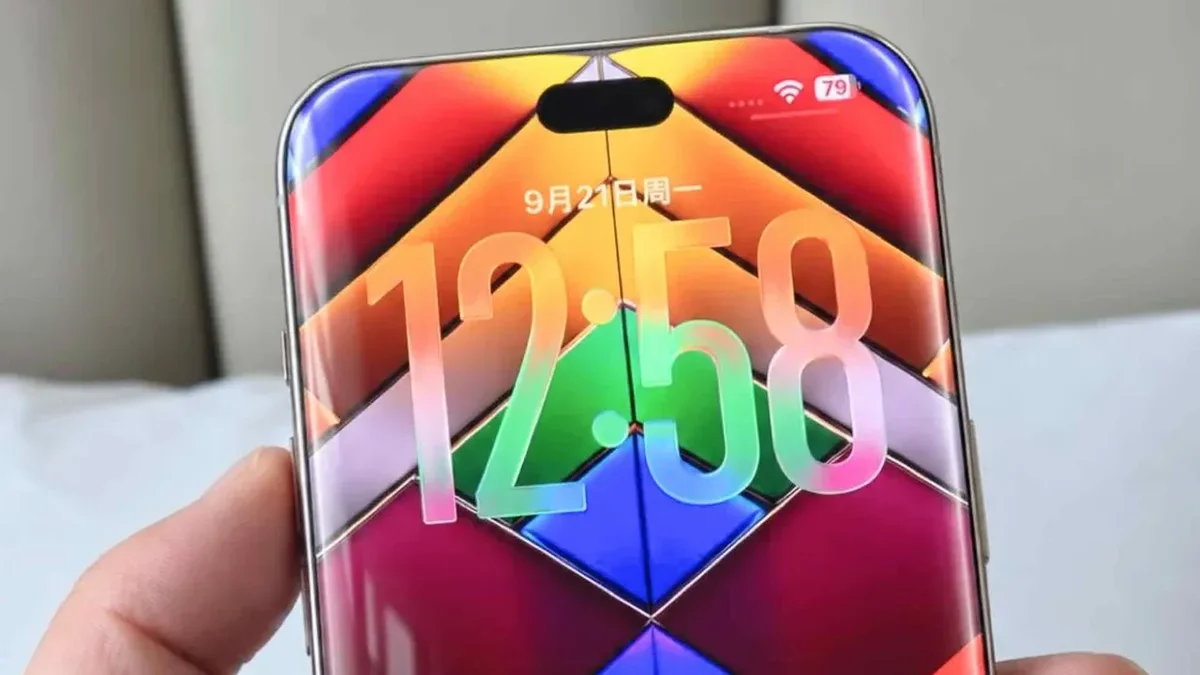
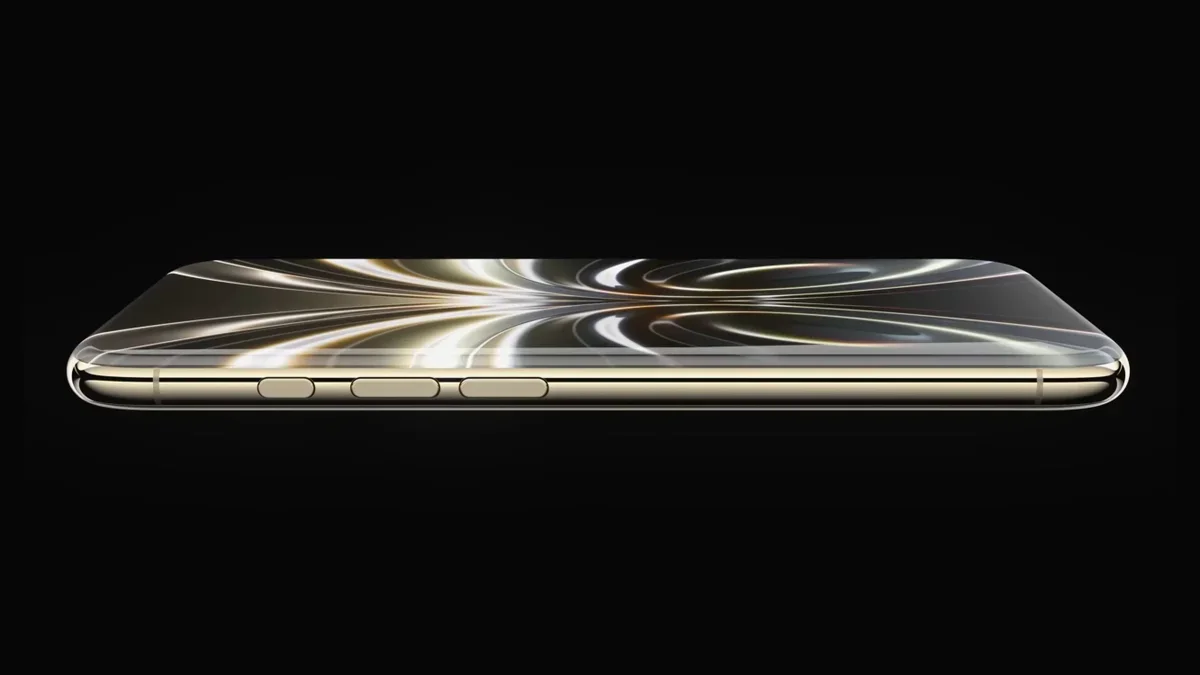
The iPhone 20 is expected to feature a new design and a limited-edition ceramic variant. | Image by fpt.
Let's start from the beginning and go to the source of the rumors. Chinese leaker and industry insider Fixed Focus Digital posted on Weibo that they got their hands on ceramic components, allegedly meant for the iPhone 20.
The post has been deleted, but several tech media outlets have already picked up the story. According to the leaker, Apple is manufacturing these ceramic components in very small batches, suggesting a limited-edition device.
Fixed Focus Digital also claims that the ceramic components are currently at the engineering validation testing (EVT) phase and will eventually enter mass production after passing the necessary tests.
We still don't know which exact components are involved, but I suspect that Apple could be working on a ceramic back or a ceramic outer frame for the iPhone 20. Both come with several problems.
Poll
3 Votes
Would you buy a limited-edition ceramic iPhone 20?
Properties of ceramic
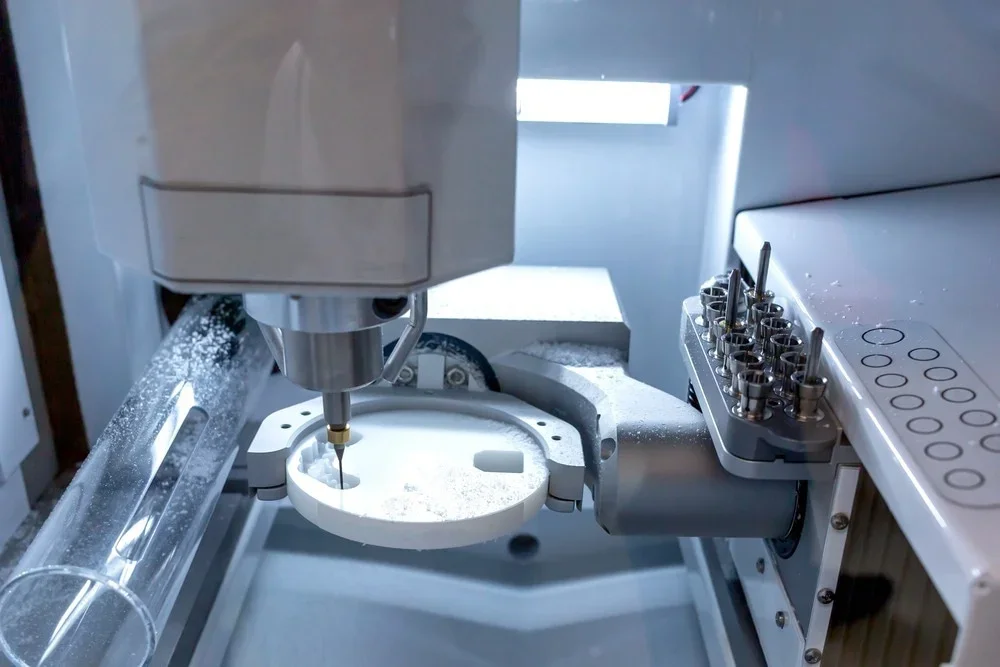
Creating advanced technical ceramics is a very costly and time-consuming process. | Image by ANDRIY B
To understand why slapping ceramic on a smartphone is a bad idea, we should take a look at some of the properties of this material. There are countless variations of ceramic based on the application. When it comes to smartphones and other electronics, though, artificially made, advanced technical ceramic is often used.
Recommended For You
This ceramic is made by baking a powder containing silicates such as silicon carbide, silicon nitride, and oxides - aluminum oxide and zirconium dioxide - to create a very hard, non-conductive, heat-resistant material.
Let's start with the good. Technical ceramic is very hard and practically non-corrosive. Some advanced ceramics have a hardness pushing 9 on the Mohs scale, which is equal to sapphire, and it's almost unscratchable (you need a diamond or other super-hard material with a hardness of 10 to scratch it).
The second advantage is that ceramic looks good. Properly baked, glazed, and polished ceramic looks premium. It gives gadgets a unique look that can't be achieved with other metal-based alloys.
Why using ceramic on the iPhone 20 is a bad idea
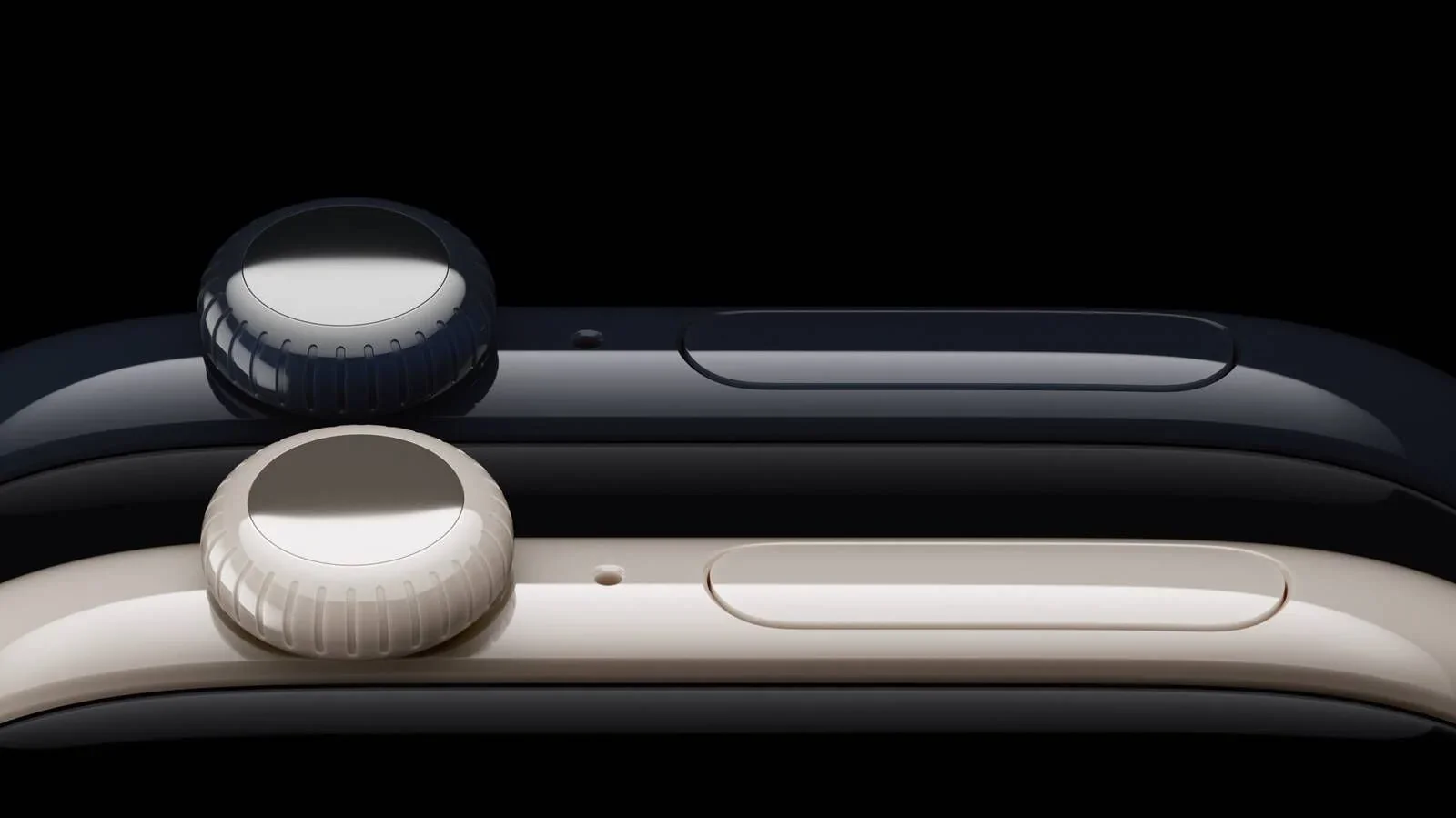
Apple already uses ceramic on the Apple Watch 12, but using it on a smartphone is a completely different thing. | Image by Apple
But now we come to the disadvantages, especially when we talk about using ceramic for smartphone components. First, ceramic is very, very hard, but also brittle. Your iPhone 20 Ceramic Edition will be virtually unscratchable, but drop it the wrong way and the back or frame will chip or shatter into pieces.
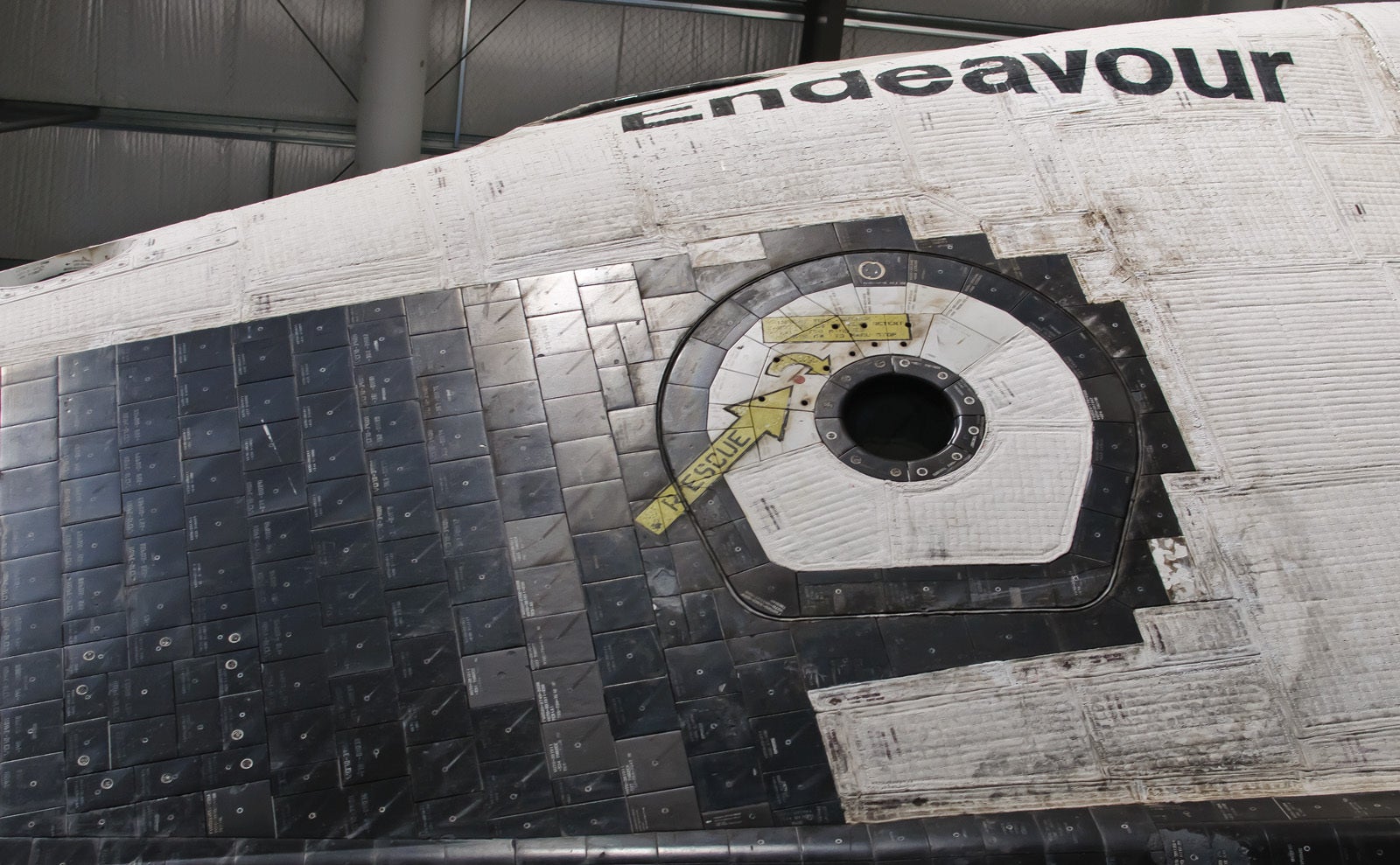
The ceramic heat shield of the Endeavor space shuttle. | Image by Wikipedia
The second big problem is that ceramic is a heat insulator. NASA uses ceramic tiles and shields on its manned capsules to protect the human crew from the intense heat created by the friction of the air when the capsule re-enters Earth's atmosphere.
Using a heat shield on the back of a smartphone creates huge issues. Your iPhone 20 Ceramic Edition will stay cold to the touch, but the internal components will bake themselves, as the heat will have nowhere to go.
Glass has the same problem to some extent, and even using ceramic for the outer frame of the iPhone 20 could affect heat dissipation in a negative way.
The iPhone 20 Ceramic Edition could be the most expensive iPhone ever
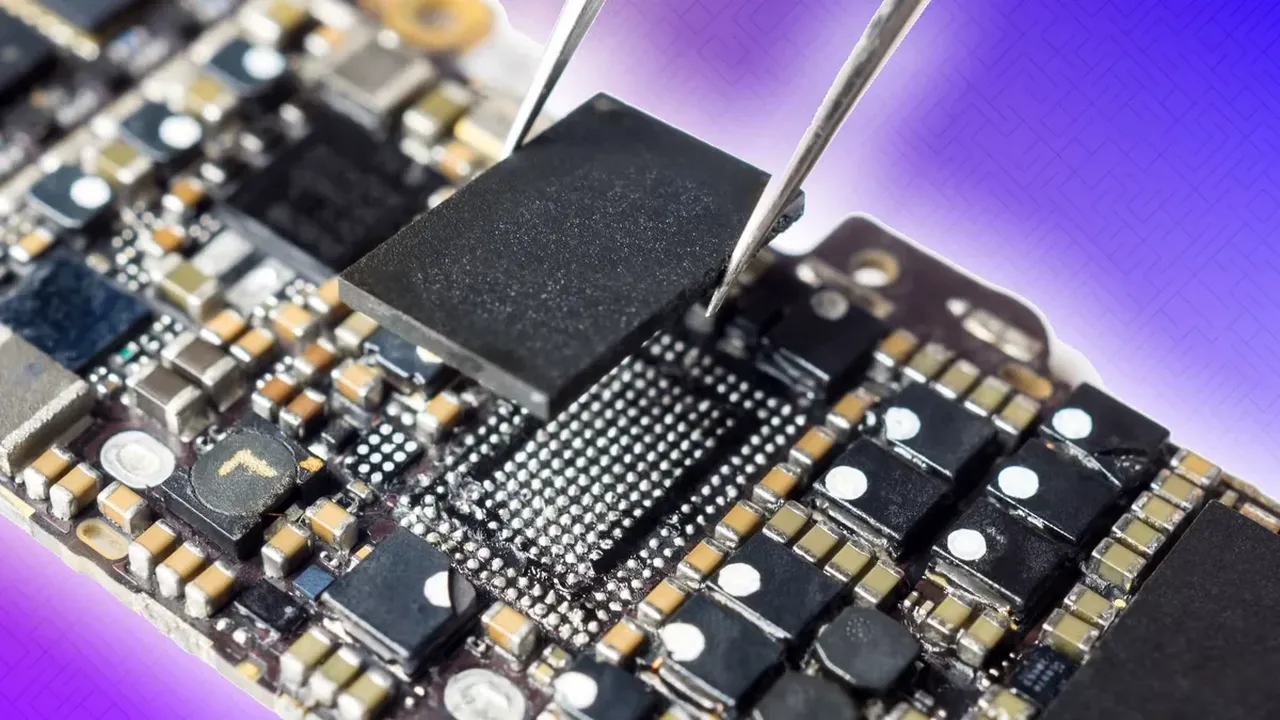
Memory modules are getting more and more expensive. | Image by MakeUseOf
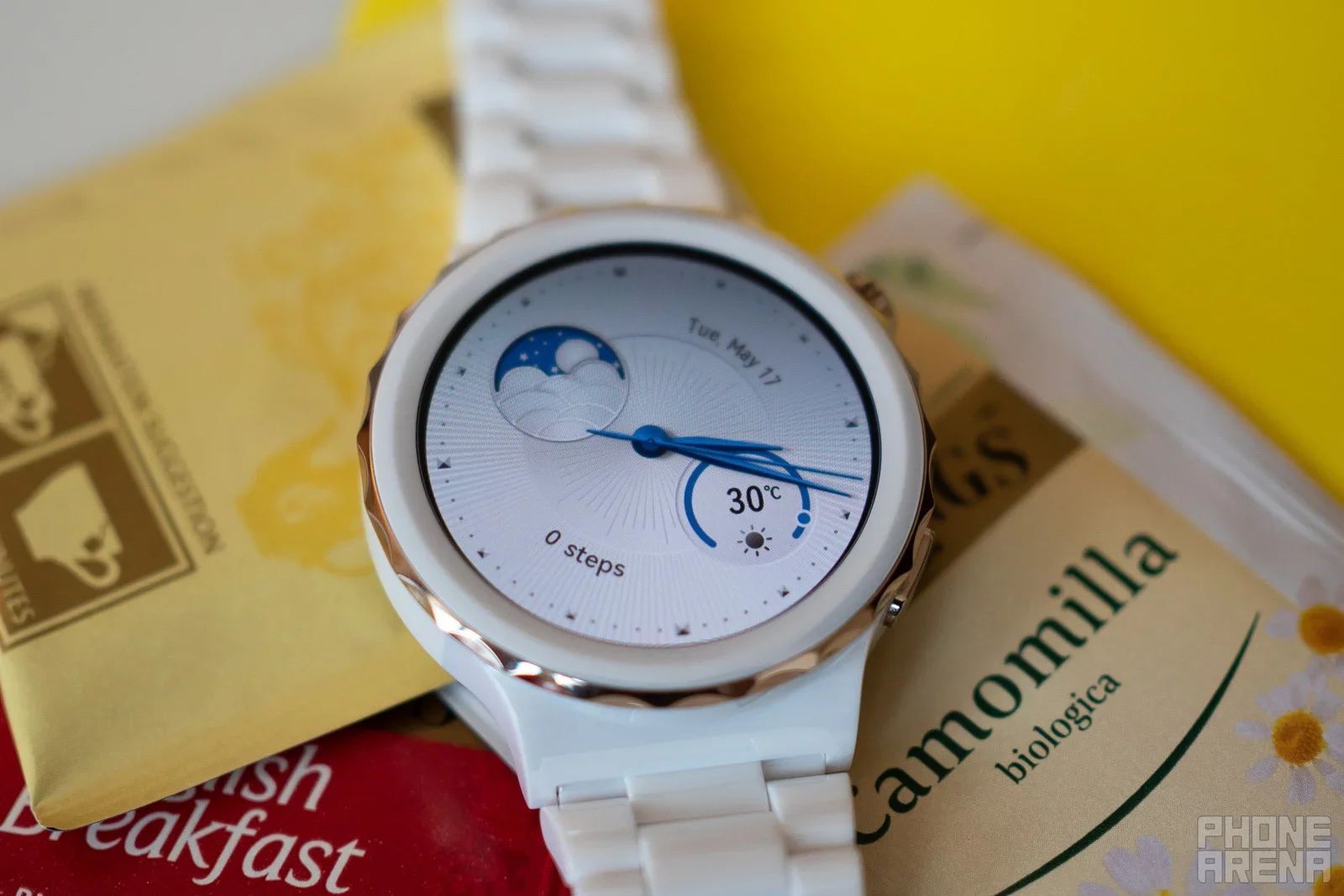
The final issue is, of course, the price tag. Advanced technical ceramic is hard to manufacture - it requires thermal processing at thousands of degrees for days, in some cases even weeks. The ceramic edition of the Huawei Watch GT3, for example, undergoes extreme high-temperature firing at 1,500°C for 7 days, followed by diamond powder polishing across 13 distinct steps.
The ceramic edition of the Huawei Watch GT3 is baked at 1,500C for 7 days. | Image by PhoneArena
That's a very costly and time-consuming process, and when we talk about a smartphone back, the price could be even higher.
Coupled with Apple's ambitious project to make the iPhone 20 bezel-less, using a quad-curved screen and back design, plus the 3D-printed titanium frame, this could make the model the most expensive iPhone to date.
When we factor in the memory shortage and the ever-rising prices of chips, we could be looking at prices starting at $2,000 or even $3,000. I'm not sure people will embrace the idea of coughing up 3 grand for a quad-curved phone that overheats and can shatter into pieces after a single drop, even if it might be the best iPhone Apple has made.
Not the first ceramic smartphone
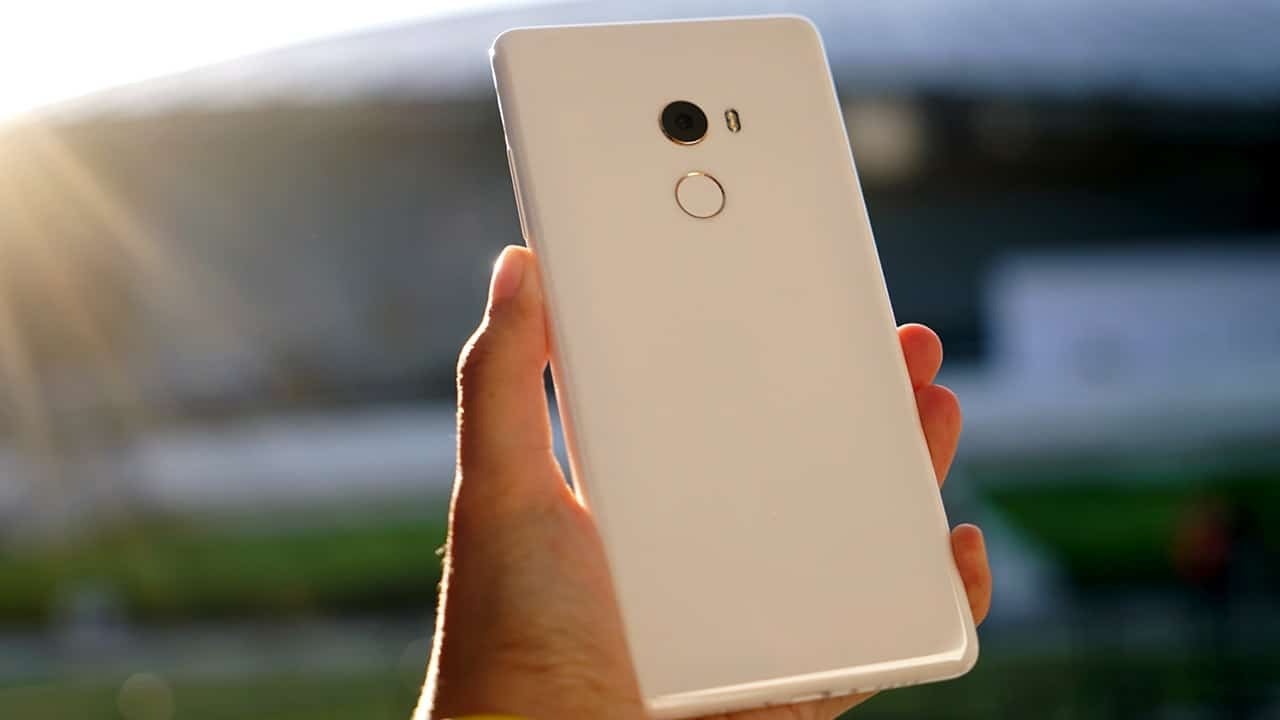
The luxury sheen of the Xiaomi Mi Mix 2 Special Edition. | Image by GadgetMatch
Don't get me wrong. I love ceramic phones. How do I know? Well, the iPhone 20 Ceramic Edition (if it even launches) won't be the first ceramic phone on the market. I had the privilege of testing the Xiaomi Mi Mix 2 Special Edition back in 2017. That phone featured several variants, including one with a ceramic unibody.
It was a gorgeous piece of engineering and craftsmanship. The cream-white version was stunning both to look at and hold in your hand. The ceramic unibody was super smooth, and there were practically no edges.
The sad part is that it chipped after an unfortunate fall, not only compromising the phone, but also leaving a very hard edge that I cut my hand on several times (before retiring the phone for good). Xiaomi scrapped the concept and returned to good old glass soon after.
Would you buy a limited-edition ceramic iPhone 20?
Read more about the upcoming anniversary iPhone 20 series here:
Shop the best refurbished iPhone, Galaxy and Pixel deals and enjoy an extra 5% off selected devices with code BF5. Offer ends 30 November 2026 at 23:59.
Mariyan, a tech enthusiast with a background in Nuclear Physics and Journalism, brings a unique perspective to PhoneArena. His childhood curiosity for gadgets evolved into a professional passion for technology, leading him to the role of Editor-in-Chief at PCWorld Bulgaria before joining PhoneArena. Mariyan's interests range from mainstream Android and iPhone debates to fringe technologies like graphene batteries and nanotechnology. Off-duty, he enjoys playing his electric guitar, practicing Japanese, and revisiting his love for video games and Haruki Murakami's works.
A discussion is a place, where people can voice their opinion, no matter if it
is positive, neutral or negative. However, when posting, one must stay true to the topic, and not just share some
random thoughts, which are not directly related to the matter.
Things that are NOT allowed:
Off-topic talk - you must stick to the subject of discussion
Offensive, hate speech - if you want to say something, say it politely
Spam/Advertisements - these posts are deleted
Multiple accounts - one person can have only one account
Impersonations and offensive nicknames - these accounts get banned
To help keep our community safe and free from spam, we apply temporary limits to newly created accounts:
New accounts created within the last 24 hours may experience restrictions on how frequently they can
post or comment.
These limits are in place as a precaution and will automatically lift.
Moderation is done by humans. We try to be as objective as possible and moderate with zero bias. If you think a
post should be moderated - please, report it.
Have a question about the rules or why you have been moderated/limited/banned? Please,
contact us.



Things that are NOT allowed:
To help keep our community safe and free from spam, we apply temporary limits to newly created accounts: