
Editorials · Reviewer Insight
I tested the Pixel 11 Pro XL’s Tensor G6: It’s faster, but Snapdragon is still far ahead
Pixel 11 Pro XL benchmarks reveal a 20% CPU gain for Tensor G6, but Snapdragon and Apple keep their big leads, especially for gaming.
This article may contain personal views and opinion from the author.
We may earn a commission if you make a purchase from the links on this page.
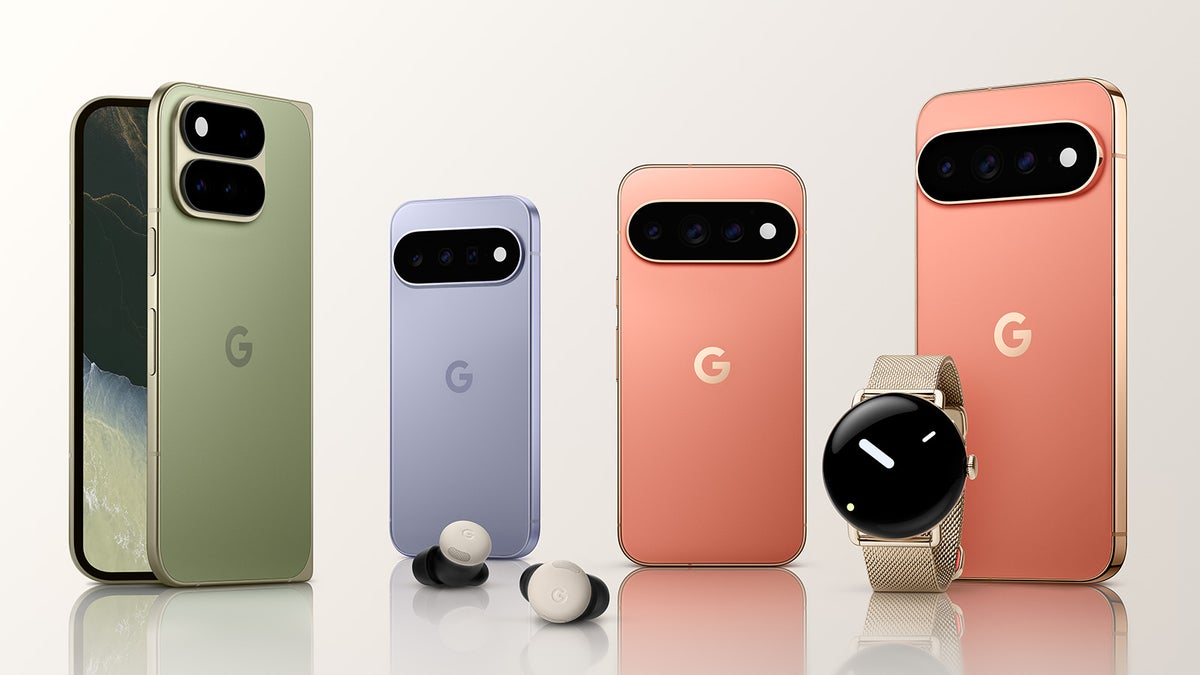
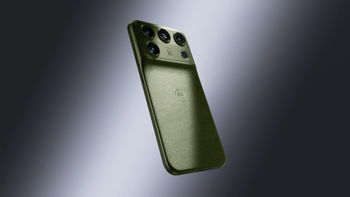
Can the Tensor G6 finally catch up to rivals? | Image by Google
I am testing Google's new 2026 flagship phone, the Pixel 11 Pro XL. While I'm preparing the full review, I want to take a closer look at everything new about the Tensor G6 chip powering it.
While most Android flagships use Qualcomm's Snapdragon 8 Elite Gen 5, Google continues to follow its own path with its custom Tensor processors.
In the past, Tensor chips have been noticeably than their Qualcomm counterparts. The CPU performance has generally lagged behind, but there was an even bigger gap in gaming/graphics performance. Instead, Google has always emphasized the machine learning chops of the Tensor chip, arguing that raw benchmark performance was not its key objective.
With that history in mind, I was particularly curious to see if Google has changed its mindset with the Tensor G6 or whether it will be just more of the same.
The company officially says that the Tensor G6 "delivers 50% more TPU compute and an upgraded CPU compute delivers up to 30% better power efficiency" compared to the Tensor G5. Note Google's focus on efficiency, but not performance. That already reveals a lot. But let's not get ahead of ourselves and take a look at the bnechmakr results.
Early expectations were that the Tensor G6 will be built using TSMC's latest 2nm manufacturing technology. However, just recently, a Google executive denied that claim — it turns out that the Tensor G6 is made using the older, 3nm process.
And as you can see from the GeekBench results above, performance has improved but only very slightly.
In both single-core and multi-core CPU performance, we see the Tensor G6 is 20% faster than the G5.
However, it is nearly 35% slower than the Galaxy S26 Ultra and iPhone 17 Pro Max chips in single core performance, so a massive gap remains.
The Quantized AI score also shows that the Tensor is actually slower in machine learning tasks than the Galaxy and the iPhone.
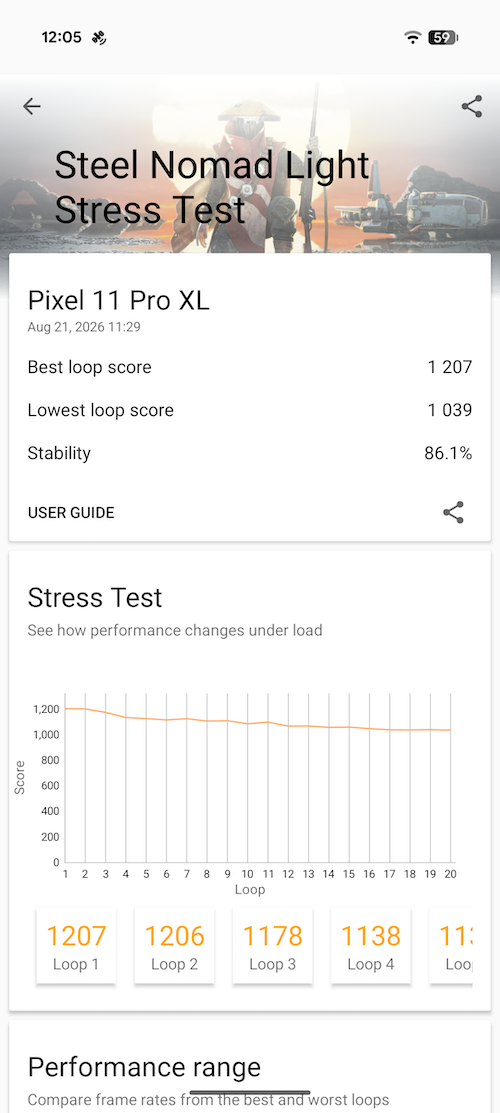
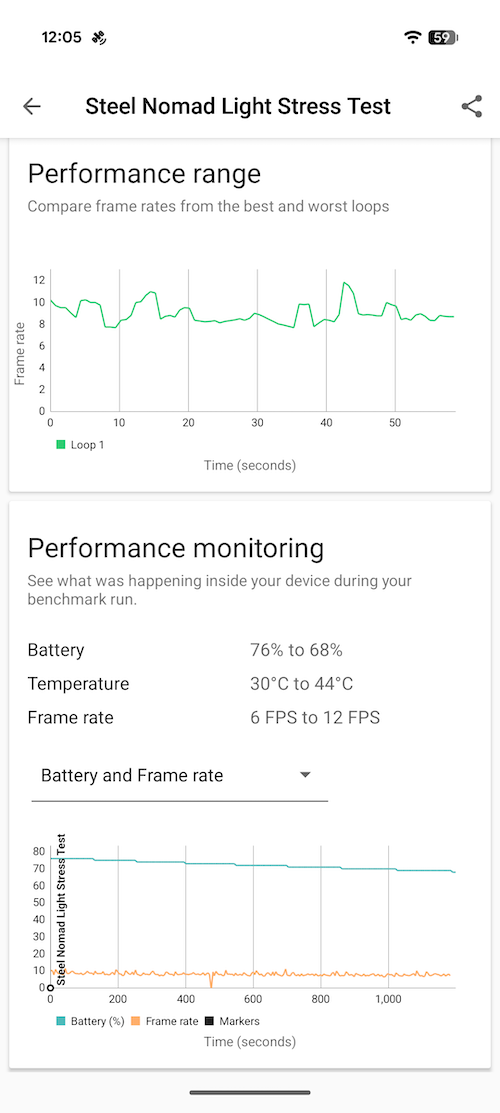
It's a similar story for gaming/graphics performance too. We see a nearly 20% improvement in initial performance, but after throttling, the 11 Pro XL is only 14% faster than the previous generation (which in itself was not very impressive).
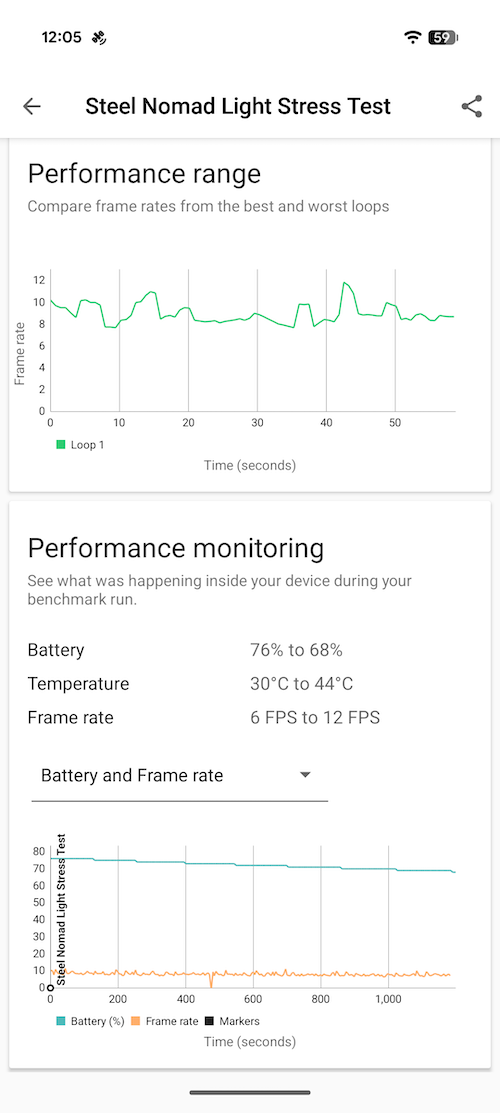
Images by PhoneArena
The Galaxy S26 Ultra and the iPhone 17 Pro Max run circles around the Pixel in gaming performance. On 3D Mark Steel Nomad, both phones were nearly 2.5 times faster initially. After throttling, they still had a nearly 50% performance advantage.
In the storage benchmark CPDT, we also see that the Pixel 11 Pro XL was slightly faster than its predecessor, but read and write speeds were noticeably slower than the Galaxy S26 Ultra.
Final Words
For yet another year, we have a new Tensor chip that will not win any performance awards. We had big hopes things will improve when Google transitioned to the TSMC foundry for manufacturing last year, but it now seems clear that Tensor is way behind the latest Snapdragon and Apple A series chip in raw performance.
If you want a phone for gaming or heavy tasks, a Snapdragon-powered Android phone or one of the latest iPhones will have a big advantage over the Pixel. Unless the G6 demonstrates a meaningful in power efficiency and machine learning, it remains difficult to justify flagship pricing with performance this far behind the main rivals.
We are yet to test the battery life, though, and if Google at least delivers on its power efficiency focus, that would be one important win. Stay tuned for our battery testing results for the Pixel 11 Pro XL coming soon.


Popular stories



Latest News

![The Galaxy SmartTag 3 is here offering an alternative to the AirTag for iPhone users [UPDATED]](https://m-cdn.phonearena.com/images/article/183654-wide-two_350/The-Galaxy-SmartTag-3-is-here-offering-an-alternative-to-the-AirTag-for-iPhone-users-UPDATED.webp)



Things that are NOT allowed:
To help keep our community safe and free from spam, we apply temporary limits to newly created accounts: