Gigabyte GSmart Alto A2 Review
Introduction
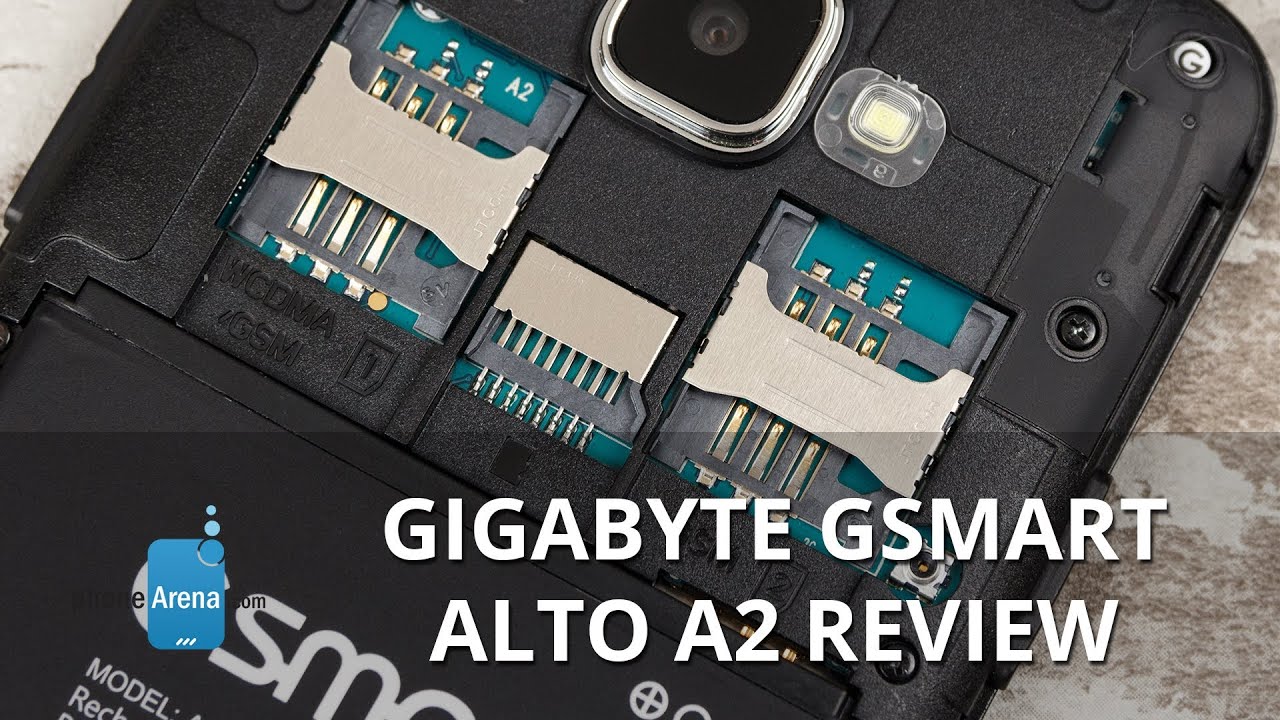
Taiwanese Gigabyte may very well be one of the leading parts manufacturers in the PC world, but that doesn't mean that its interests don't transcend beyond the dying industry. The 5-inch GSmart Alto A2 is but one among several from the latest crop of new Gigabyte entrants that aim to forward the company's ambitions in the mobile space, yet the road ahead of t is anything but easy. So, will this affordable midranger offer enough of a bang for your buck in the increasingly competitive low-end tier? Let's take a look.
- In-ear headphones with a microphone
- An extra back panel (white)
- Wall charger
- USB to microUSB cable
- Warranty and information leaflets
Design
One could stare at the GSmart Alto A2 for days on end, trying to figure out which one particular handset it most reminds him of, to no avail. That's because it looks like each and every one out there, and none at the same time. It's as generic-looking as the typical Android phone gets, though such statement needs not have as negative a connotation as it usually does. In all honesty, every now and then, we much prefer for manufacturer's to stick to the well-beaten path, instead of chasing smoke.

5.75 x 2.78 x 0.37 inches
146 x 70.6 x 9.3 mm
oz (0 g)

5.69 x 2.91 x 0.33 inches
144.4 x 73.9 x 8.5 mm
6.00 oz (170 g)

5.43 x 2.72 x 0.34 inches
137.84 x 69.17 x 8.59 mm
4.59 oz (130 g)

5.38 x 2.75 x 0.31 inches
136.6 x 69.8 x 7.9 mm
4.59 oz (130 g)

5.75 x 2.78 x 0.37 inches
146 x 70.6 x 9.3 mm
oz (0 g)

5.69 x 2.91 x 0.33 inches
144.4 x 73.9 x 8.5 mm
6.00 oz (170 g)

5.43 x 2.72 x 0.34 inches
137.84 x 69.17 x 8.59 mm
4.59 oz (130 g)

5.38 x 2.75 x 0.31 inches
136.6 x 69.8 x 7.9 mm
4.59 oz (130 g)
Compare these and other phones using our Size Comparison tool.
Display
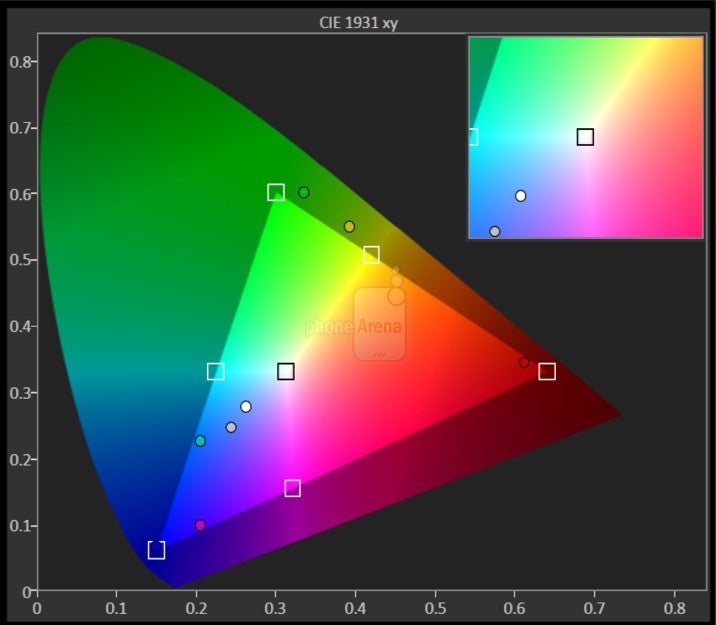
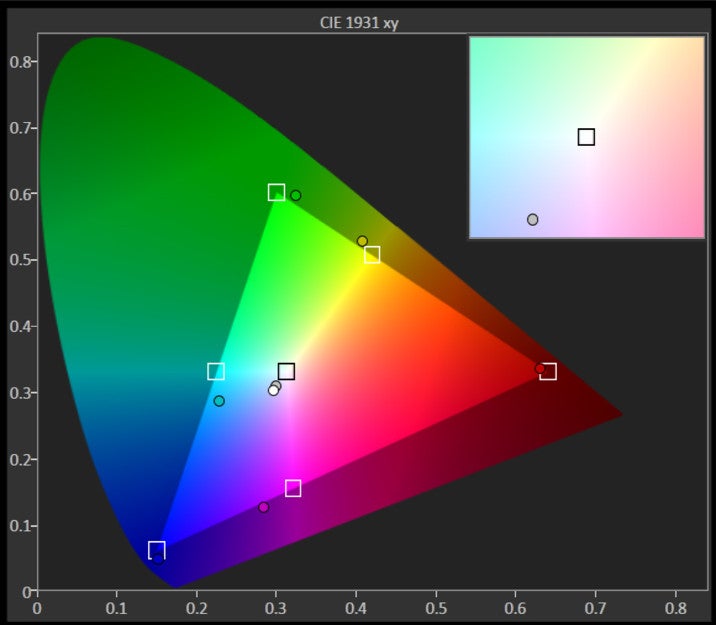
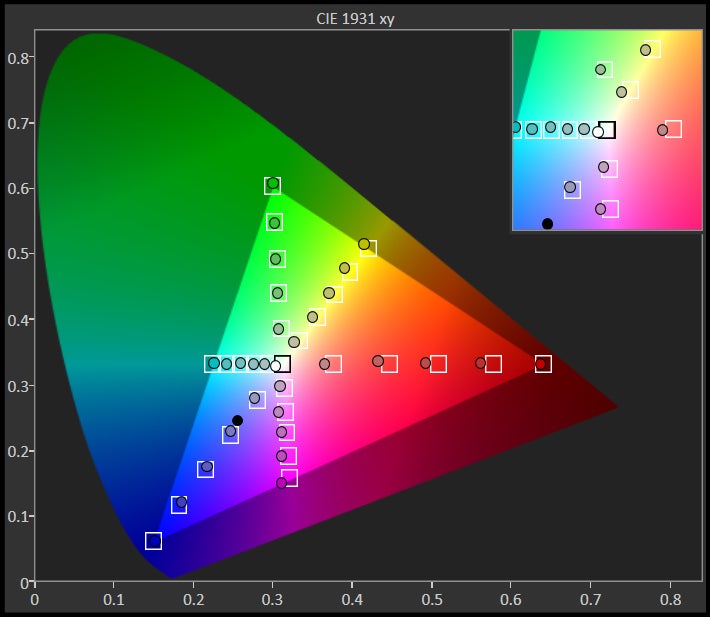
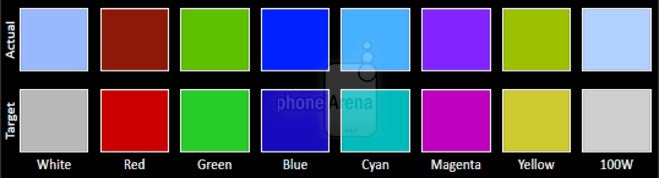
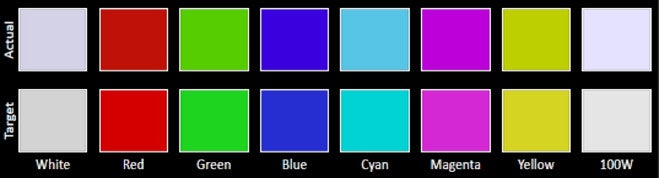
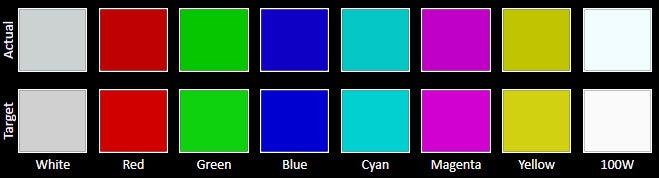
With a 5-inch TFT display, the Alto A2 belongs to the crop of big-sized phones. Unfortunately, its 480x854 (~196ppi) FWVGA resolution screen has been a total letdown from the moment we picked up the device. And it's not just about the low pixel density – in fact, if that was its only disadvantage, we'd go ahead and give it a pass, but that's simply not the case.
Lastly, we can't, in good conscience, not warn you of the serious true black deficiency of the screen. The best the TFT display can muster is an unconvincing dark gray.



Interface and functionality
As far as the software goes, the stock Android 4.2.2 experience on the Alto A2 sure allows us to take a break from the negative overtone from the last paragraph. The UI runs smoothly for the most part, though if you take a closer look, you can still notice some minimal slowing down every now and then, when swiping around. Lest we forget, our particular unit seems to exhibit a small bug – the lockscreen shortcut for the camera does not work, which is kind of weird, seeing as the rest of the GSmart crop at the office all work fine in this particular regard.
Processor and memory
The hardware on Gigabyte's device is perfectly capable, though some of you might have been left a little puzzled as to why the UI would sometimes slow down. This is most likely due to a combination of things, but do keep in mind that the phone sports a 1.3GHz MediaTek MT6572 chipset with two Cortex-A7 cores. This particular chip from the Chinese manufacturer is built on a 28-nanometer process and the chip has, overall, seen some improvements. Namely, while yesteryear's dual-cores from MediaTek ran on a sluggish PowerVR SGX533 GPU, the MT6572 now touts a more respectable single-core Mali-400 GPU, clocked at 500MHz. This ensures a mostly smooth gameplay in the low- to mid-tier of gaming titles, though these are rendered with less fluff than your neighborly flagship.
Internet and connectivity
Browsing with the help of the MT6572 has been made easier and more of a pleasure, yet it's still not without it's shortcomings. For example, text and imagery only gets rendered once you zoom in enough for it to matter, though we full-heartedly prefer this approach to waiting. Zooming and swiping can get a little taxing on the CPU, but the average smartphone user will likely never notice it.
As for connectivity features, you get a middle-of-the-road pick, with Bluetooth 3.0, Wi-Fi 802.11 b/g/n, GPS and 3G HSDPA speeds of up to 21Mbps.
Camera
The GSmart Alto A2 has a 5-megapixel camera unit on its back, complete with Auto Focus and an LED Flash. And while we'll get to the weaknesses of the shooter (and the software supporting it) in a bit, it's worth pointing out that the snapper is actually a bit more capable than the average crop of 5-megapixel low-ends. It produces accurate colors and manages to capture a passable amount of light, unlike many rival solutions. On the negative front, it has to be noted that details are on the lower end, and snaps can sometimes exhibit a bit too much noise and softness, both of which combined can overpower some shots. The HDR mode is actually a none too shabby implementation, though our results show that even minimal movements produce ghosting artifacts.
Sample Images
Sample Videos
In terms of the camera interface, it doesn't deviate at all from the aforementioned stock Android experience. As we mentioned, HDR is available, and so is the option for panoramic shots, though the latter one especially has been a mixed bag – good stitching, but awkward interface.
Multimedia
The multimedia capabilities of this budget smartphone out of the box are quite unimpressive. You get the stock music and video players, which work just fine for the most common set of tasks you'll end up throwing at them, but if you want something a bit more functional and eye-pleasing, a trip to the Play Store will be warranted.
It's interesting to note that while the speaker sits at the rear, the sound gets just barely muffled, even with the device resting on its back. Sadly, loudness is not amongst the qualities of the loudspeaker, but sound fidelity exceeded our expectations, if slightly.
Call quality
So far, the Alto A2 actually proved to be a notch above the flock of lower-end devices (save for the display), but when it came to call quality, things really went downhill. Namely, while the microphone is of passable quality, the speaker is just downright bad. Said more explicitly – the other side will hear you just fine, but you may have trouble identifying just who that stranger is, as the sound is muffled, and just not up to standard. If you place upwards of a few calls a day, then we'd seriously recommend you test this aspect of the phone before you pick it up.
Battery life
The user-replaceable 2000mAh cell inside manages to keep the Alto A2 afloat just long enough for you to get done with your day, but it's unlikely to muster enough willpower to go through the entirety of a second, unless you keep brightness to a minimum at all times. That's because things get especially problematic if you have to crank it up, so do take a moderate approach.
Conclusion
MediaTek's ultra low-cost chips have matured and proved to be capable enough to handle the needs of users shooting for a low-end smartphone. And a stock Android experience is nothing to sneeze at, by the way. This would have actually made the Gigabyte GSmart Alto A2 a phone worth your serious consideration, was it not for the out-of-a-horror-flick display and disappointing call quality. In fact, these two are so problematic (especially the former), that they overshadow every other issue one might have with the phone. The other problem with relatively obscure device like the Alto A2, is that both availability and pricing can be quite hectic, depending on where it is you call home. A quick search of ours brought back a compelling price tag for the dual-SIM Alto A2 – about $180. And while the phone doesn't excel in any particular venue, it's a decent deal, if you can't get your hands on something like the Moto G, that is.



Popular stories



![Verizon denies SpaceX is buying it [UPDATED]](https://m-cdn.phonearena.com/images/article/182254-wide-two_350/Verizon-denies-SpaceX-is-buying-it-UPDATED.webp)
Latest News



Things that are NOT allowed:
To help keep our community safe and free from spam, we apply temporary limits to newly created accounts: