iPhone 17 vs Pixel 10: The most heated $799 flagship battle in a decade
Apple finally gave the base iPhone the upgrades fans begged for — just as Google went all-in on cameras and AI.

We may earn a commission if you make a purchase from the links on this page.
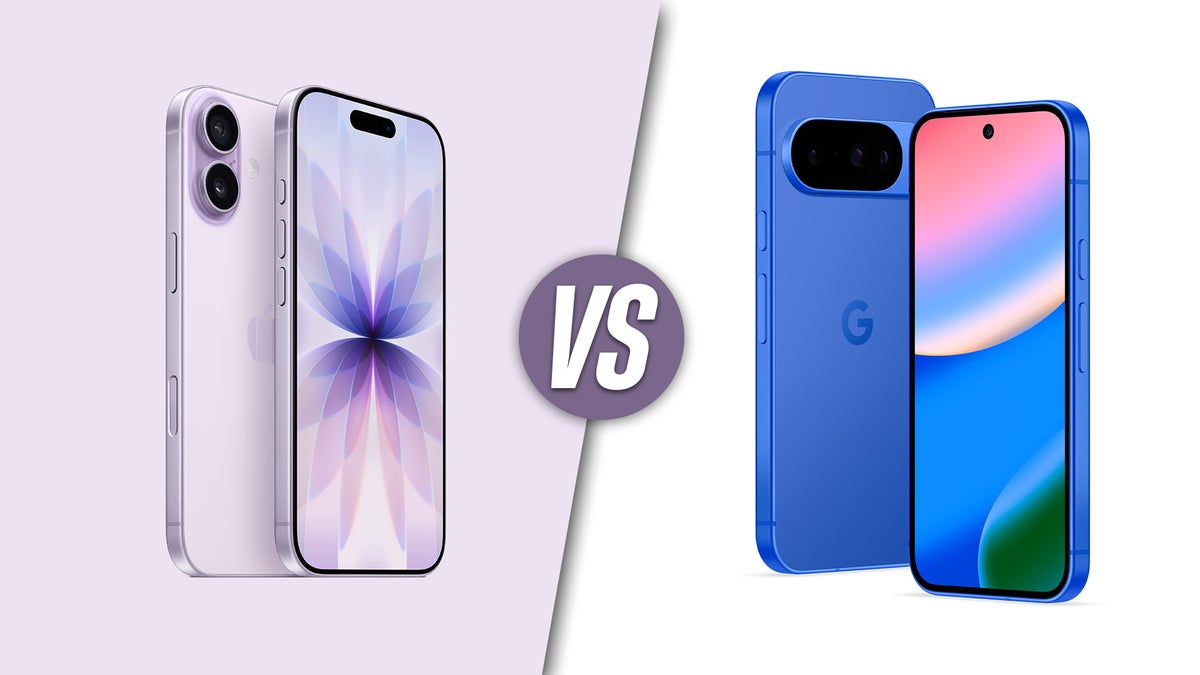
The year 2025 might as well go down as the best year for your regular, run-of-the-mill flagship phone. Google introduced a telephoto camera alongside the ultra-wide and main ones with the Pixel 10, while Apple finally brought 120Hz ProMotion smoothness with the iPhone 17 — both changes made the respective device a more complete product.
Google was first to the party, and it came in guns blazing: the Pixel 10 was the first mainstream Android phone to offer MagSafe-like magnetic wireless charging (called Pixelsnap), which meant there was now one less barrier to stop iPhone owners from switching.
Apple, however, did not disappoint either. Besides having a higher refresh rate, the display also came with higher brightness, a slightly larger size, and an anti-reflective coating. What's more, the wired charging speed was increased to 40W (just like on the Pro models), two new camera sensors were added, and 256 GB of base storage (with no price hike).
Google was first to the party, and it came in guns blazing: the Pixel 10 was the first mainstream Android phone to offer MagSafe-like magnetic wireless charging (called Pixelsnap), which meant there was now one less barrier to stop iPhone owners from switching.
With both phones now stronger than ever, choosing between Google and Apple has become more difficult than it’s ever been. So, which one’s right for you?
iPhone 17 vs Pixel 10 differences:
| iPhone 17 | Pixel 10 |
|---|---|
| Design | |
| Lighter at 177 grams | Heavier at 204 grams |
| 7.95 mm thickness | 8.6 mm thickness |
| Aluminum frame, Ceramic Shield 2 on front, reinforced glass back | Aluminum frame, Gorilla Glass Victus 2 on front and back |
| IP68 water resistance (up to 6m for 30 min) | IP68 water resistance (up to 1.5m for 30 min) |
| Display | |
| 6.3" OLED with 1–120Hz ProMotion and Always-On | 6.3" OLED with 60–120Hz refresh |
| 3000 nits peak brightness | Same brightness |
| Seven-layer anti-reflective coating | No advanced anti-reflective coating |
| Performance | |
| A19 chip | Tensor G5 chip |
| 5-core GPU | 6-core GPU |
| 8 GB RAM | 12 GB RAM |
| Cameras | |
| Dual rear cameras | Triple rear cameras |
| 48 MP wide with a larger sensor | 48 MP wide |
| 48 MP ultrawide | 13 MP ultrawide |
| No telephoto camera | 10.8 MP telephoto, 5x optical (up to 30x digital) |
| 18 MP front camera with OIS | 10.5 MP front camera, no OIS |
| 4K60 video resolution | 4K60 video resolution |
| Battery | |
| 3692 mAh | 4970 mAh |
| Wired charging: 50% in ~20 min (40W adapter) | Wired charging: 55% in ~30 min (30W adapter) |
| 25W MagSafe | 15W Qi2 wireless with Pixelsnap |
| 4.5W reverse wired charging | 4.5W reverse wireless charging |
| Models | |
| $800 (256 GB base) | $800 (128 GB base) |
| 512 GB max storage | 256 GB max storage |
| Other | |
| USB 2 port | USB 3.2 port |
Table of Contents:
Design and Display Quality
Both models are larger than their predecessors
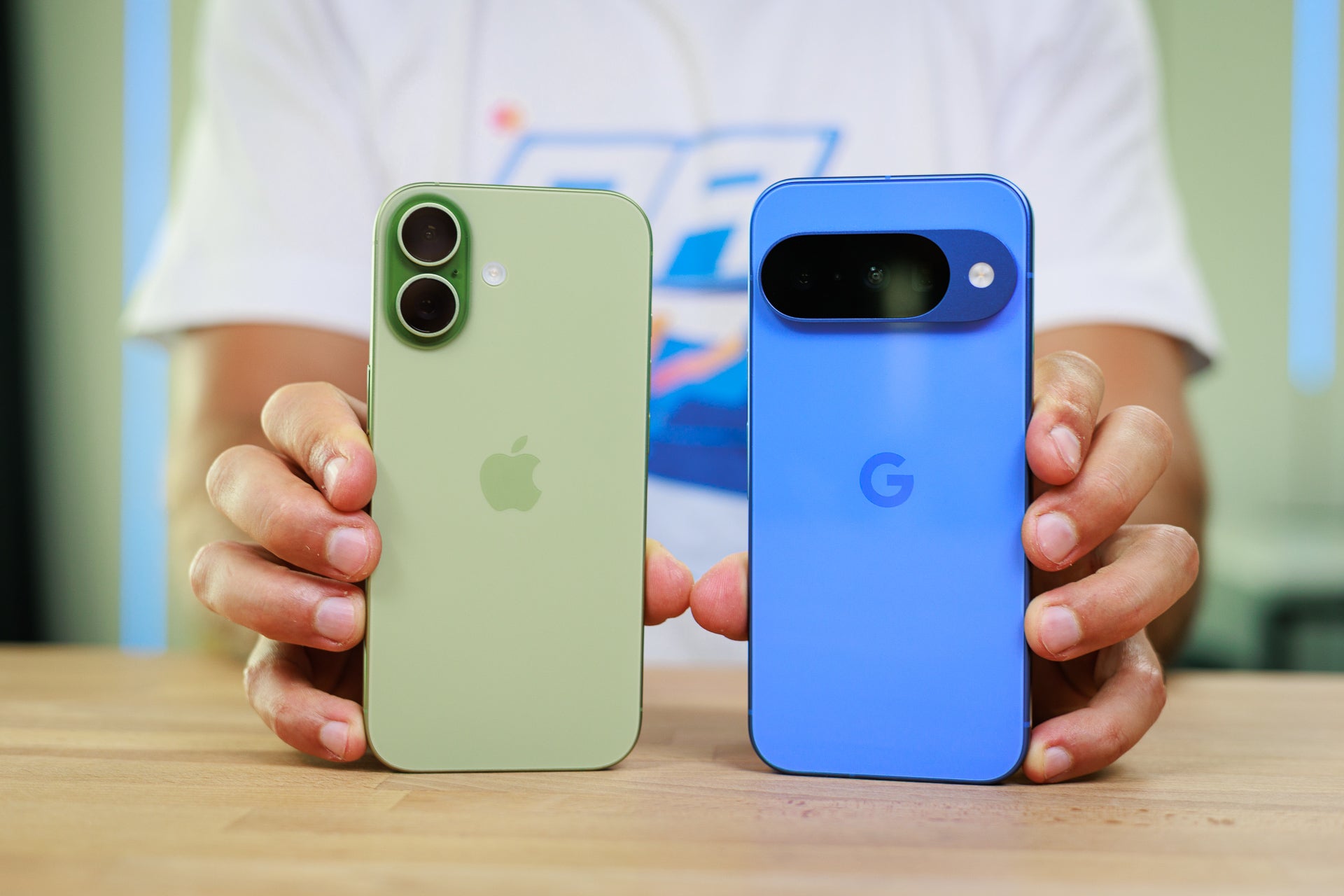
The iPhone 17 is lighter and more compact. | Image credit — PhoneArena
The iPhone 17 keeps an aluminum frame with a glass back, but upgrades the front protection to Ceramic Shield 2, which Apple claims is three times more scratch-resistant. It’s slightly larger and heavier than the iPhone 16, but still compact at 149.6 × 71.5 × 7.95 mm and 177 g.
The Pixel 10 doesn’t try to be thin either. At 152.8 × 72 × 8.6 mm and 204 g, it’s taller, thicker, and heavier, but with the benefit of a much larger battery and support for Pixelsnap, Google’s new magnetic Qi2 system for accessories like chargers, stands, and grips (which also works with MagSafe accessories).
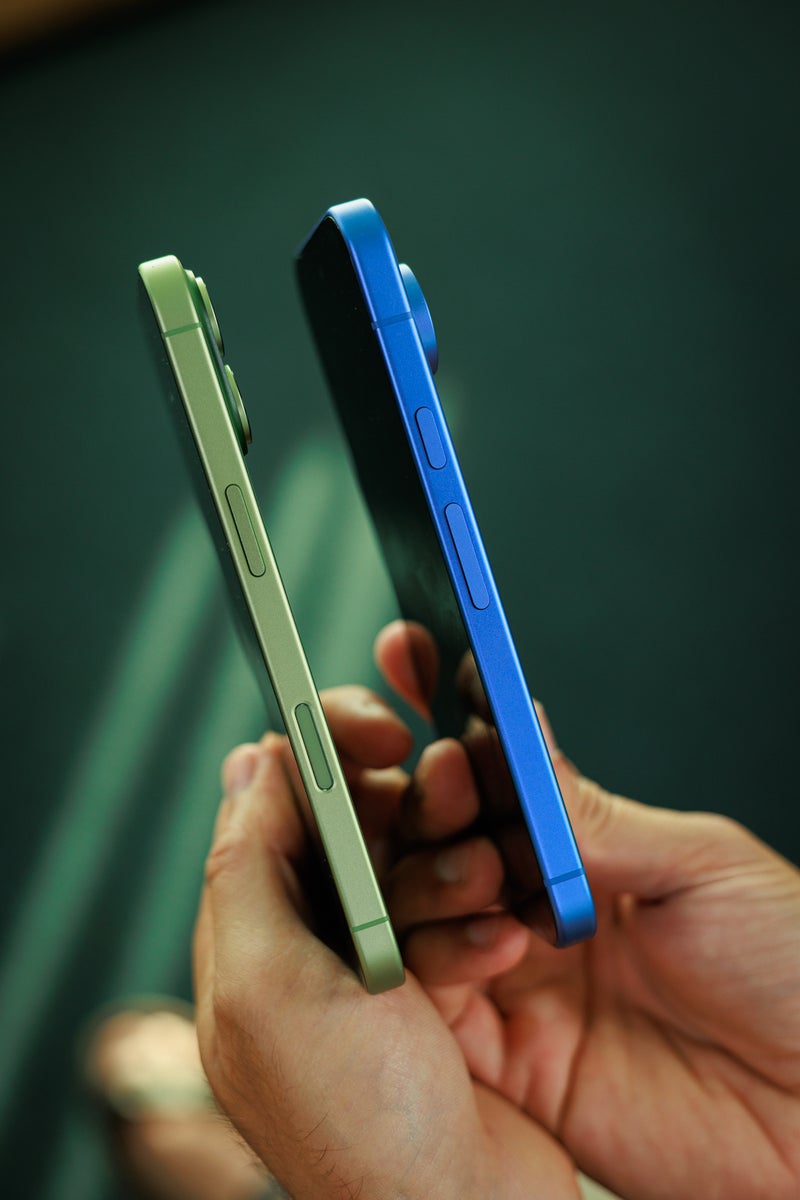
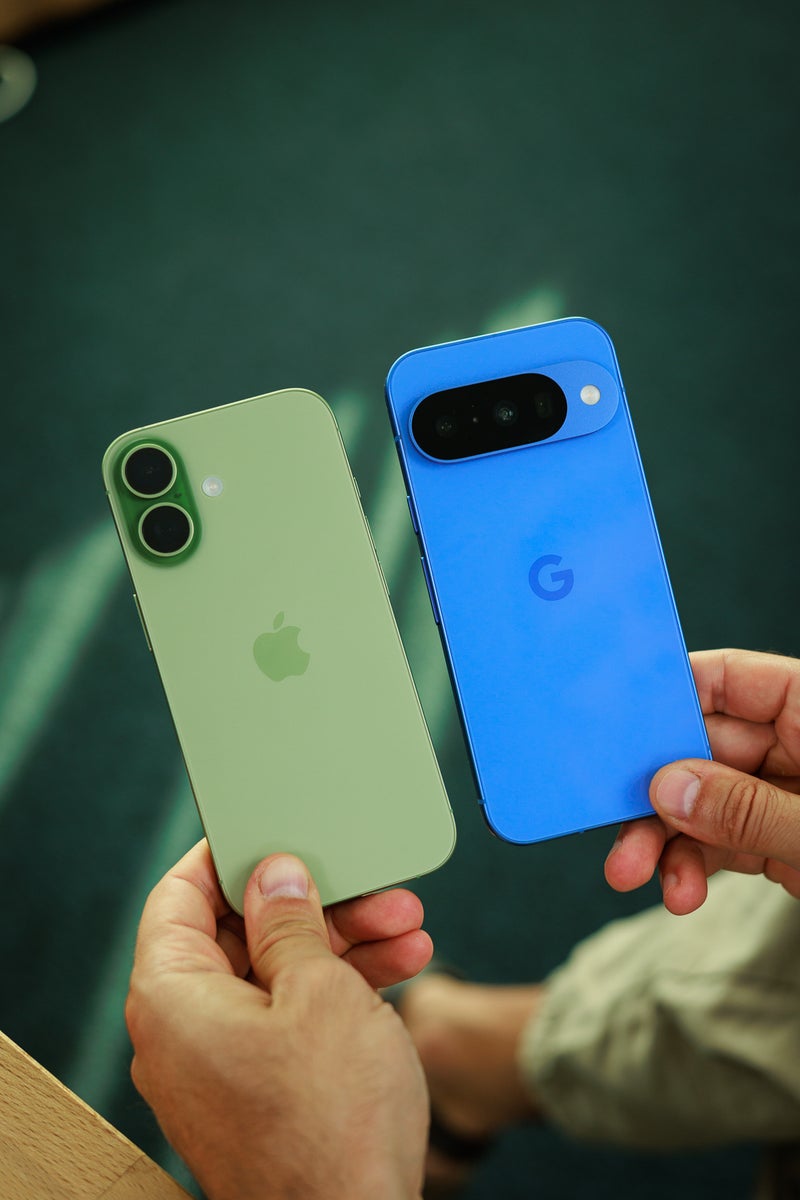
Both phones are IP68-rated for water and dust resistance, use durable front glass (Ceramic Shield 2 for iPhone, Gorilla Glass Victus 2 for Pixel), and feature USB-C. That said, Google also uses the Gorilla Glass Victus 2 for the back of the Pixel 10, which might mean it is more durable.
The Pixel 10 doesn’t try to be thin either. At 152.8 × 72 × 8.6 mm and 204 g, it’s taller, thicker, and heavier, but with the benefit of a much larger battery and support for Pixelsnap, Google’s new magnetic Qi2 system for accessories like chargers, stands, and grips (which also works with MagSafe accessories).
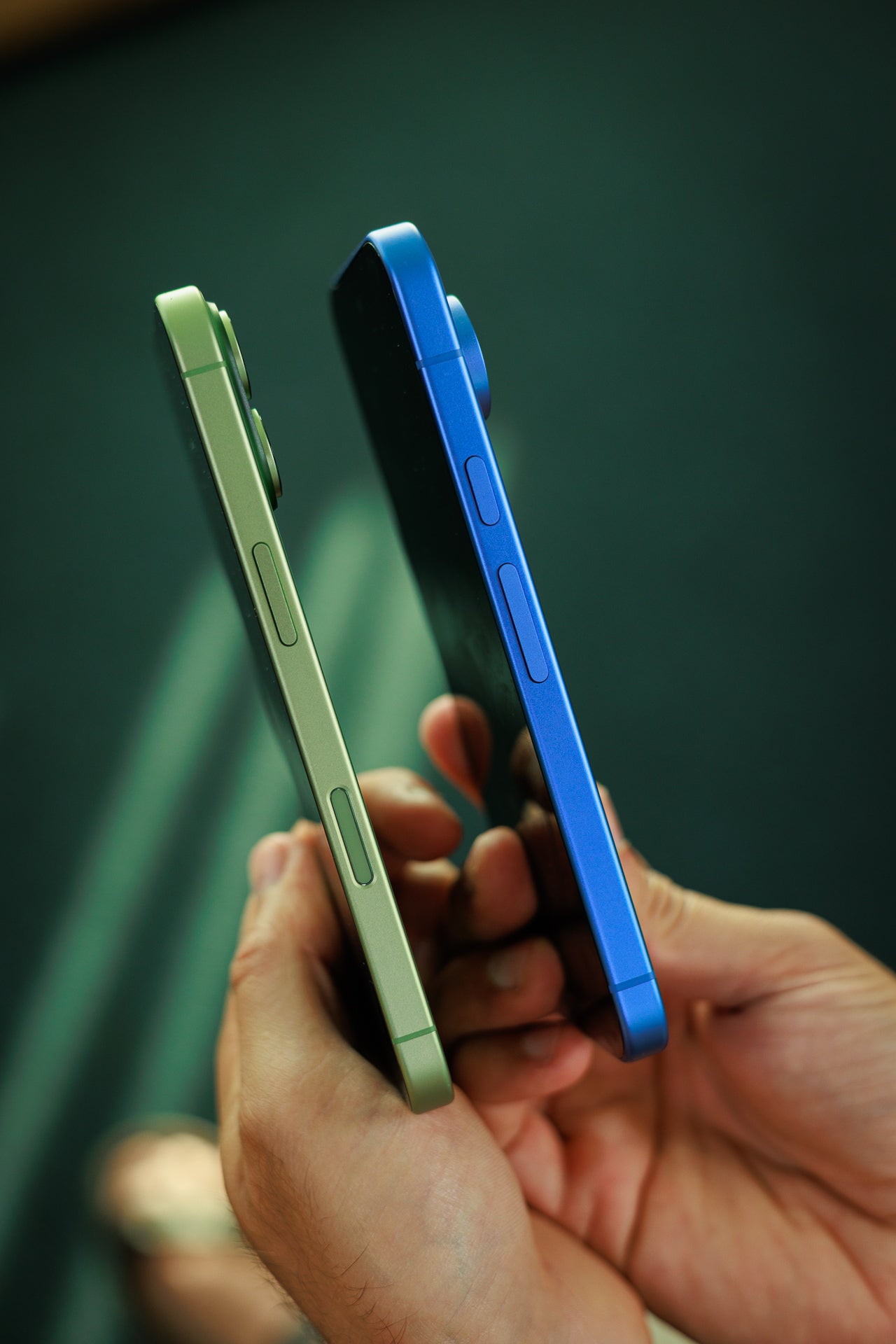
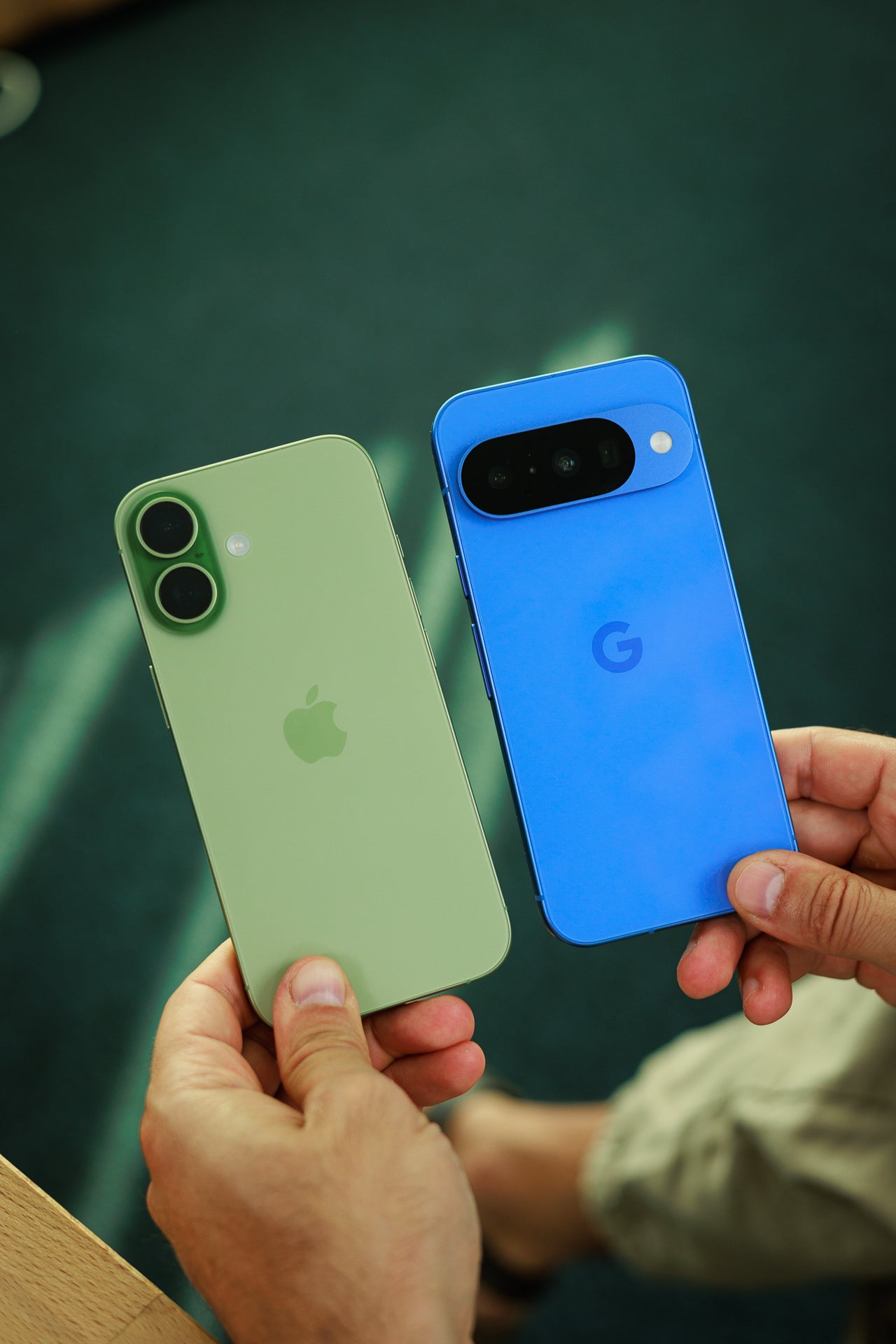
Both phones are IP68-rated for water and dust resistance, use durable front glass (Ceramic Shield 2 for iPhone, Gorilla Glass Victus 2 for Pixel), and feature USB-C. That said, Google also uses the Gorilla Glass Victus 2 for the back of the Pixel 10, which might mean it is more durable.
Neither ships with a charger in the box.
| iPhone 17 | Pixel 10 |
|---|---|
| Thickness 8 mm | Thickness 8.6 mm |
| Dimensions 149.6 x 71.5 mm | Dimensions 152.8 x 72 mm |
| Weight 177 g | Weight 204 g |
The iPhone 17 is the more compact, pocket-friendly choice, while the Pixel 10 prioritizes battery and versatility.
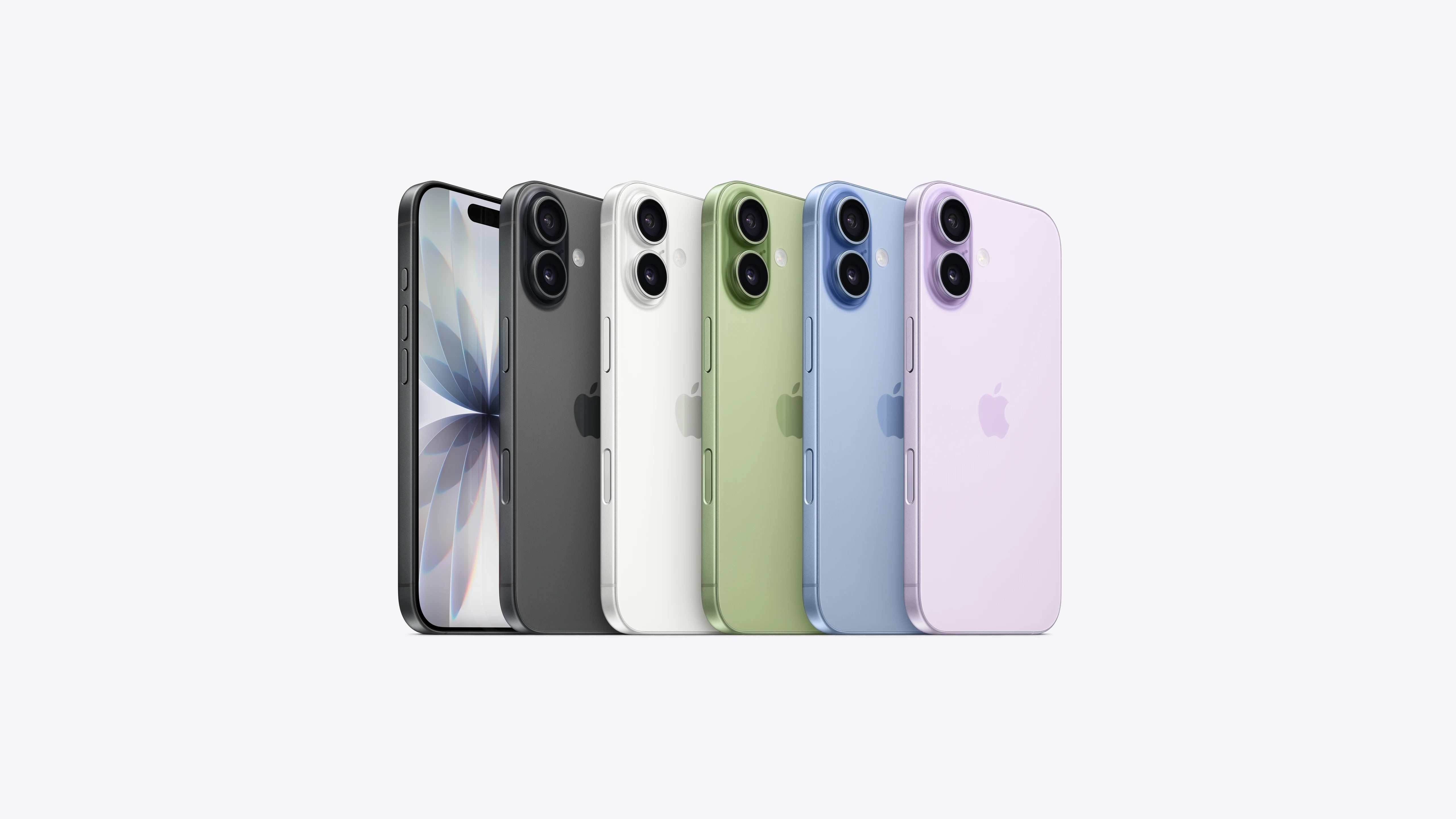
iPhone 17 in Black, White, Sage, Mist Blue, and Lavender. | Image credit — Apple"
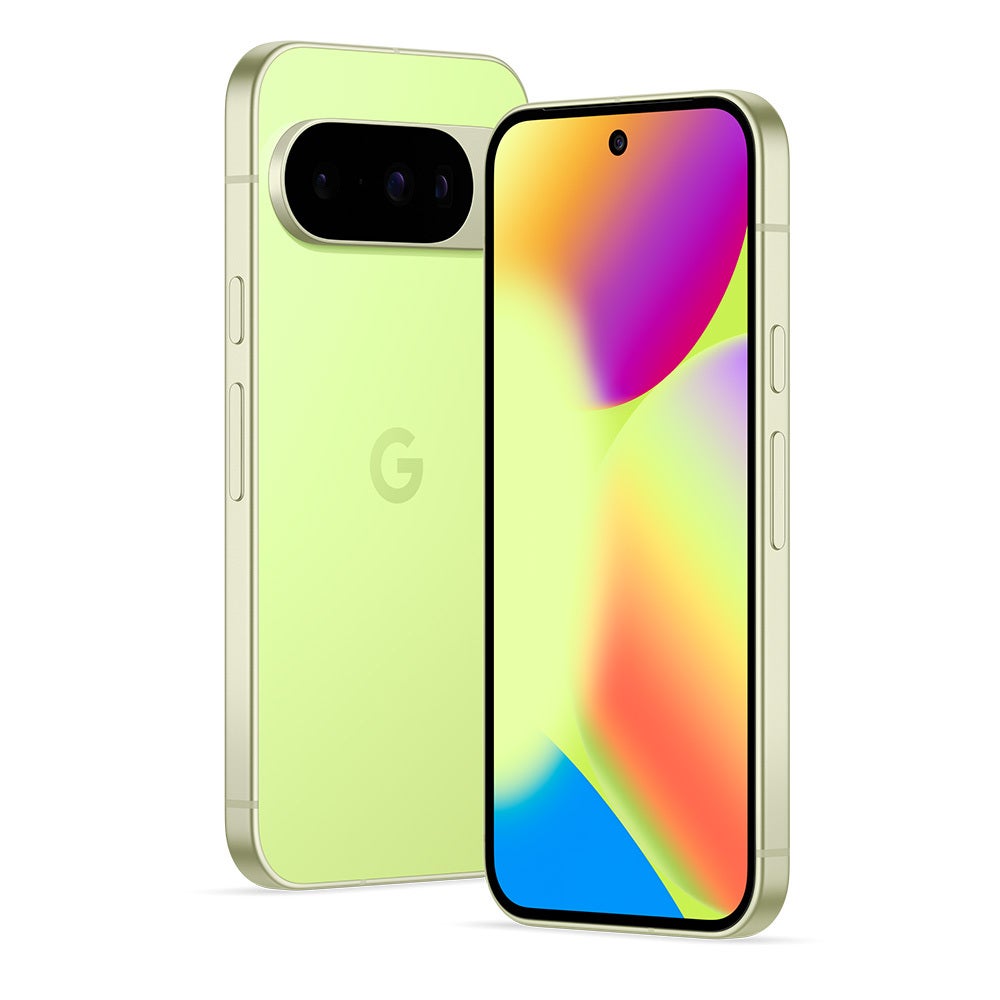
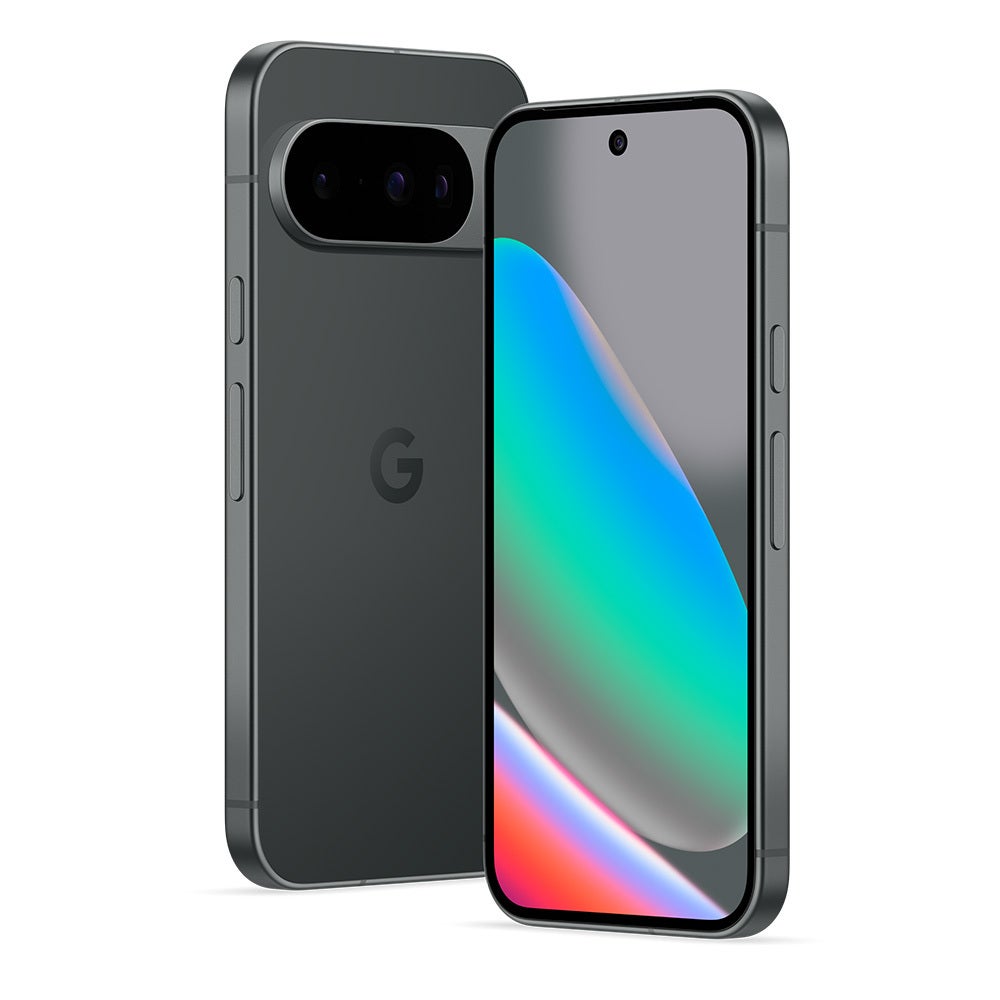
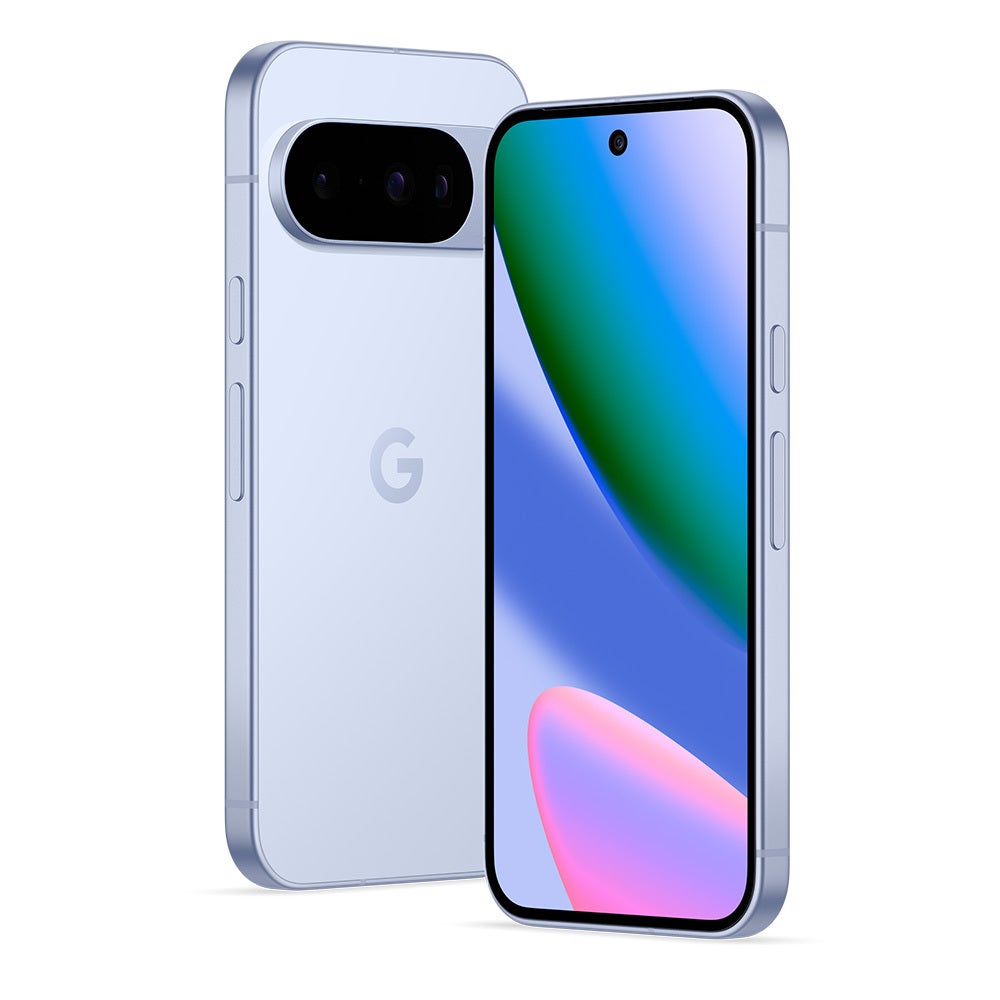
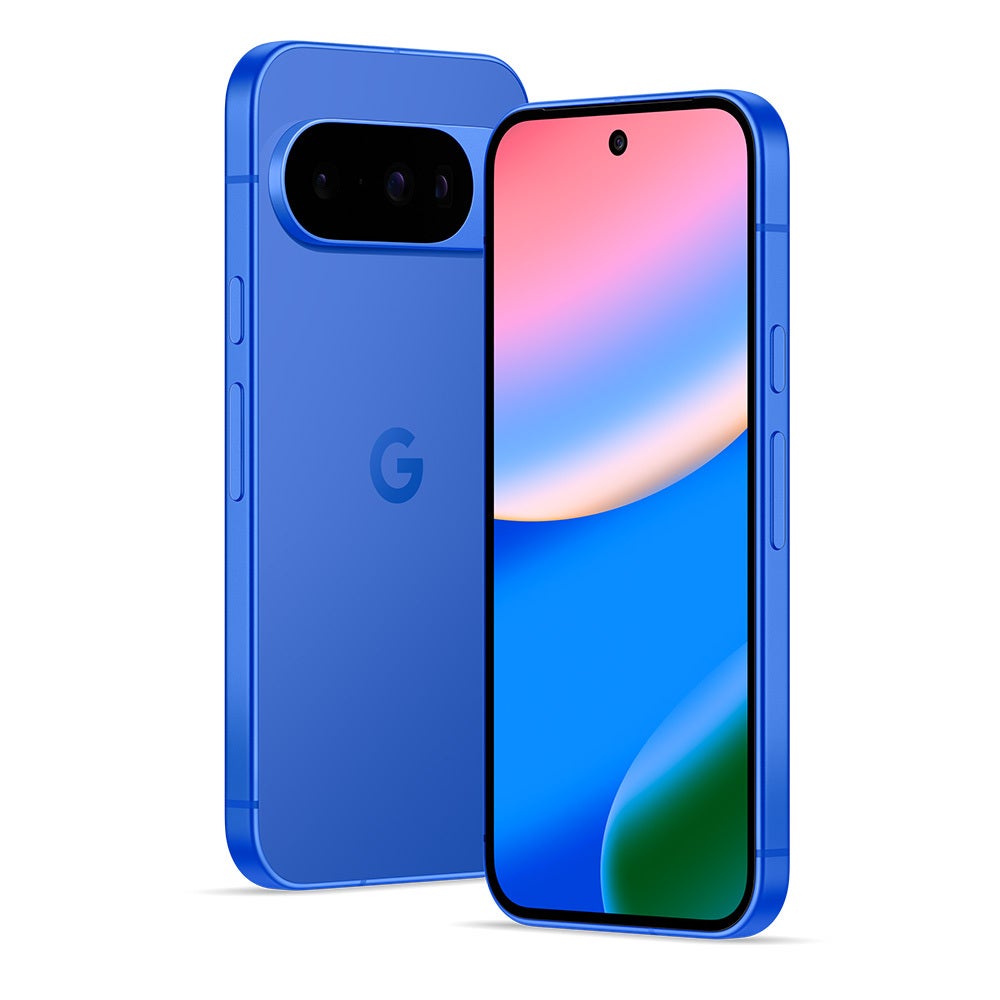
Pixel 10 colors include Obsidian, Indigo, Frost, and Lemongrass, while iPhone 17 colors are Black, Lavender, Mist Blue, and Sage, and White.
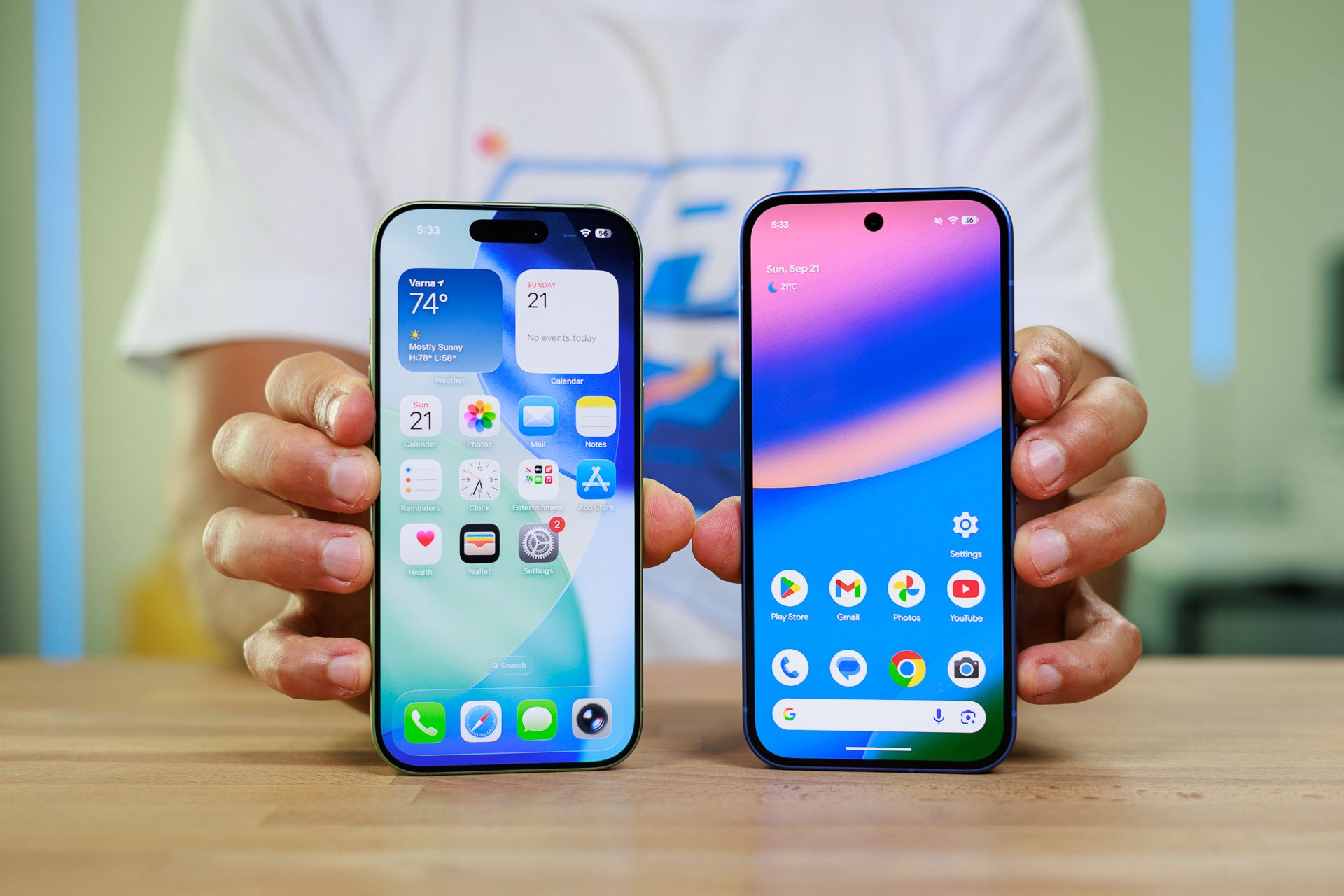
The iPhone 17 gets the Pro display from its pricier counterparts, leveling the playingfield with the Pixel 10. | Image credit — PhoneArena
The iPhone 17 finally brings 120Hz ProMotion to the base model. It has a 6.3-inch OLED with slimmer bezels and peaks at 3000 nits outdoors, 1600 nits HDR, and 1000 nits typical.
The Pixel 10 matches on size and refresh rate, also at 6.3 inches, 120Hz OLED, and boasts a peak brightness of 3000 nits. Bezels are uniform but slightly thicker than on the iPhone.
The Pixel 10 matches on size and refresh rate, also at 6.3 inches, 120Hz OLED, and boasts a peak brightness of 3000 nits. Bezels are uniform but slightly thicker than on the iPhone.
One small difference that you might gloss over at first glance is that the iPhone has a minimum display refresh rate of 1Hz vs 60Hz on the Pixel. That makes the iPhone's display more power efficient, and also allows the base iPhone to finally get an Always-On display (Pixel 10 also has this feature).
For biometrics, the iPhone sticks with Face ID, while Google combines ultrasonic fingerprint scanning with basic face unlock.
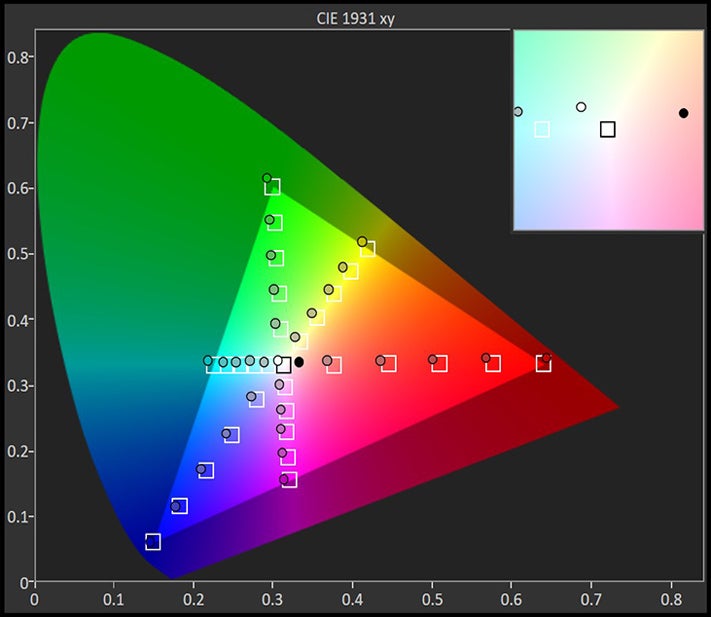
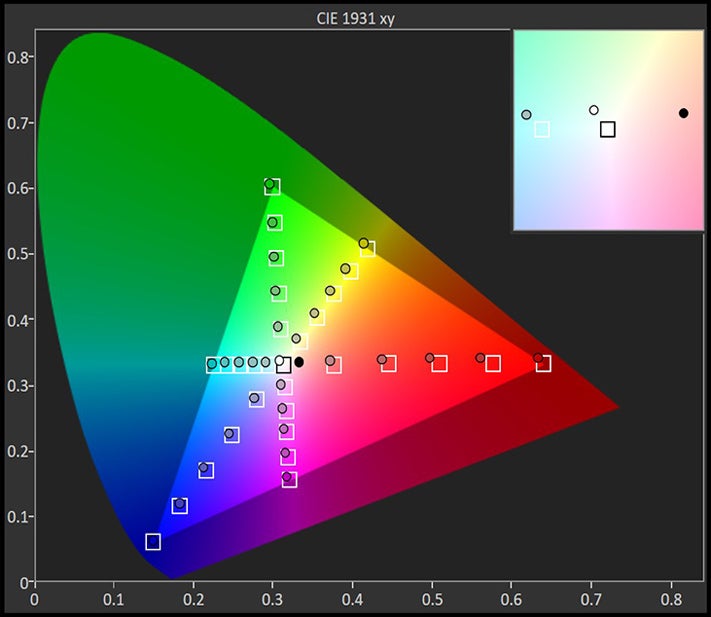
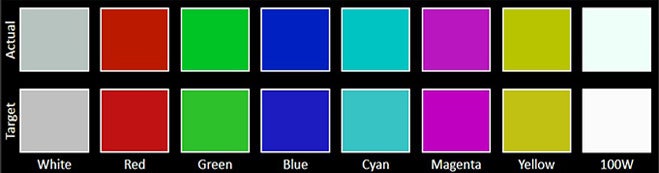
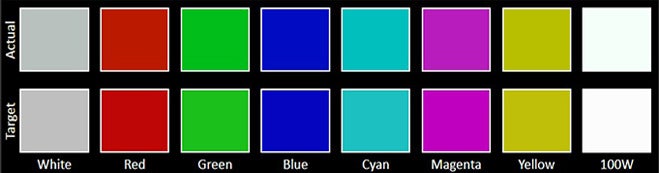


Both the iPhone 17 and Pixel 10 reach the rare 3,000-nit club, which means outdoor visibility is excellent on both. In our tests, the Pixel 10 actually hit slightly higher sustained brightness, but the iPhone 17 benefits from its new anti-reflective coating, which cuts down on glare more effectively. Minimum brightness is lower on the iPhone, making it easier on the eyes in dark rooms.
Performance and Software
Tensor G5 is here, but will it match the A19?
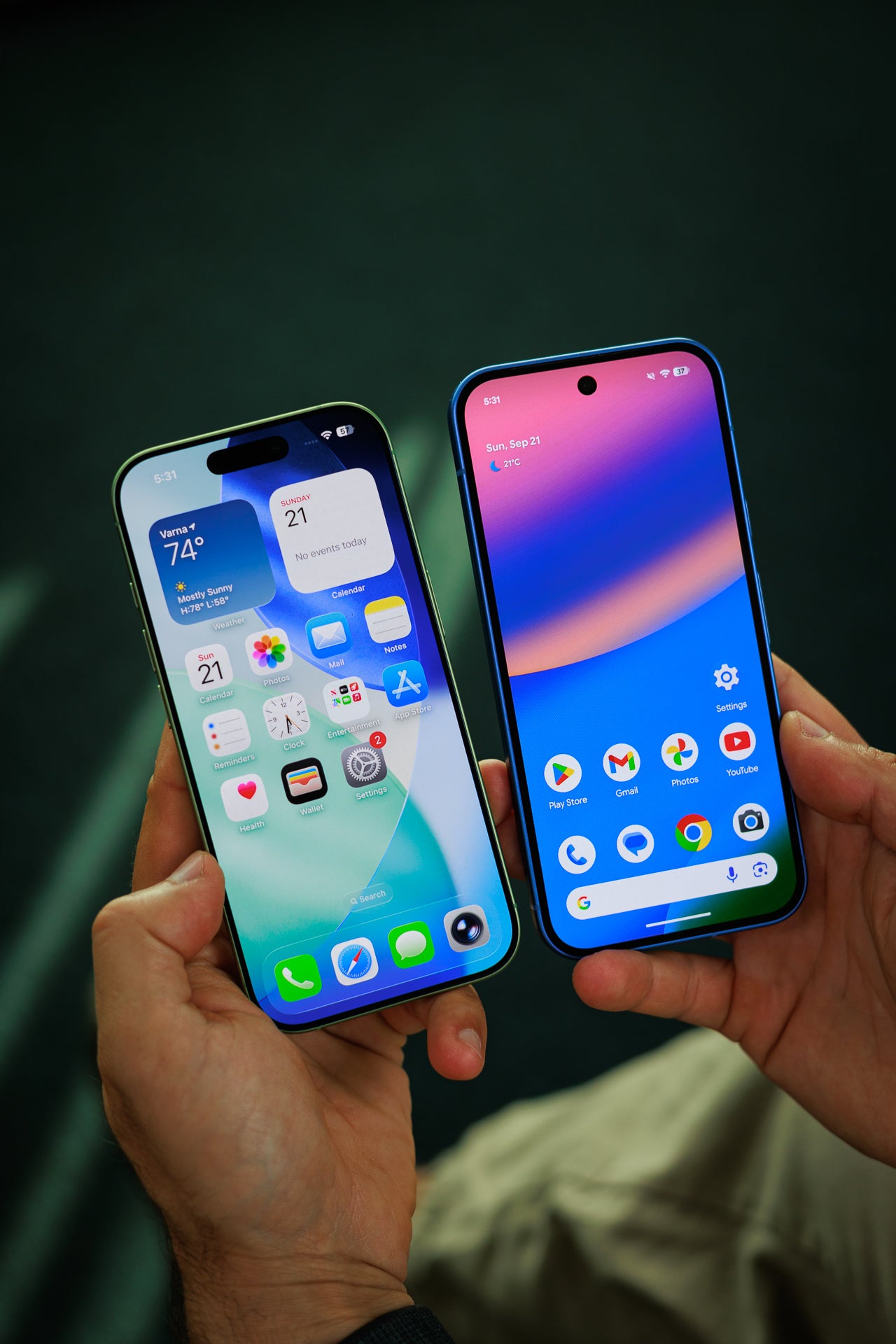
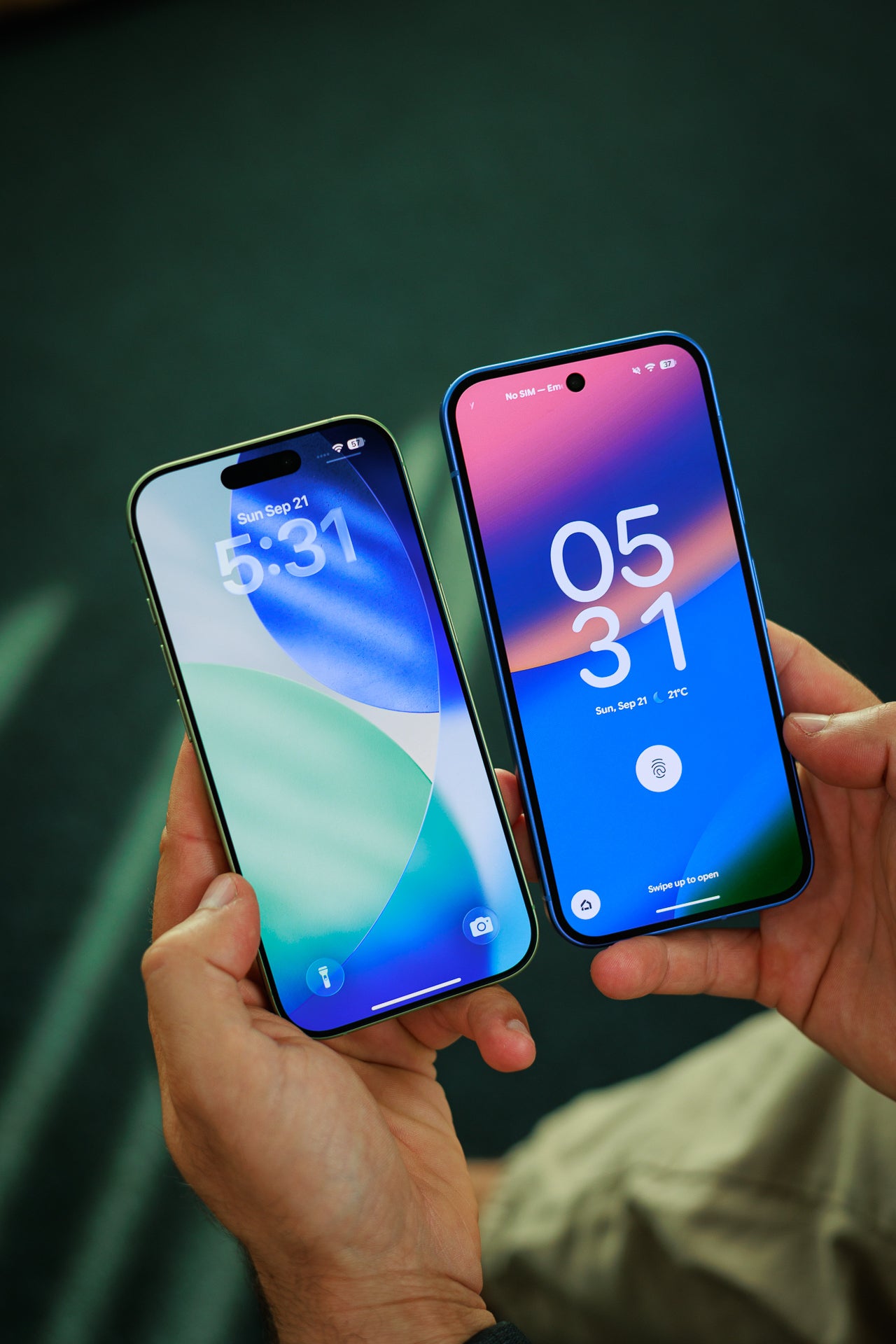
The iPhone 17 is powered by the A19 chip, built on a refined 3nm process. It uses a 6-core CPU (2 performance, 4 efficiency), a 5-core GPU, and a 16-core Neural Engine. RAM is 8 GB, with storage up to 512 GB.
The Pixel 10 debuts the Tensor G5, Google’s first fully in-house design, also built on 3nm at TSMC. It offers a 34% faster CPU and 60% stronger TPU for on-device AI. It comes with 12 GB of RAM and storage up to 256 GB.
The Pixel 10 debuts the Tensor G5, Google’s first fully in-house design, also built on 3nm at TSMC. It offers a 34% faster CPU and 60% stronger TPU for on-device AI. It comes with 12 GB of RAM and storage up to 256 GB.
Chances are that the A19 will be more powerful compared to the Tensor G5, but that probably won't result in clear differences when it comes to actual use. That said, some early benchmarks show the A19 sustains performance longer than its predecessor, even without the new vapor chambor cooling that the Pro models get.
One area where we could see a difference is with AI features, though, which rely heavily on RAM, which is something the Pixel 10 has more of.
| iPhone 17 | Pixel 10 |
|---|---|
| Chip A19 Bionic | Chip Google Tensor G5 |
| Process 3nm | Process 3nm |
| RAM, Storage --- 8/256 GB 8/512 GB | RAM, Storage 12/128 GB 12/256 GB --- |
On software, the difference is stark:
Both phones promise 7 years of OS and security updates.
- iPhone 17 ships with iOS 26, bringing a new Liquid Glass design, Live Translation, Call Screening, and Apple Intelligence. Apple’s AI features are useful but more limited compared to Google’s.
- Pixel 10 runs Android 16 with Gemini AI, featuring Magic Cue, which proactively surfaces relevant information or actions, and Camera Coach, which guides users on how to frame better shots.
Both phones promise 7 years of OS and security updates.
CPU Performance Benchmarks:
Apple’s A19 shows a massive advantage in both single-core and multi-core performance compared to the Tensor G5. The gap is especially large in single-core. The Pixel 10’s numbers are a step up from older Tensor chips, but they’re still far behind Apple and its Android rivals.
GPU Performance
On the graphics side, the difference is just as striking. The iPhone 17 showcases much higher scores and sustains performance better in longer gaming sessions, even without the vapor chamber cooling found in the Pro models. The Pixel 10 starts strong but throttles quickly, making it less ideal for heavy 3D gaming. For casual use, both are fine, but if you plan on using your phone for anything more demanding, the iPhone is better equipped.
Camera
Pixel 10 gets a third camera, iPhone 17 gets two new image sensors
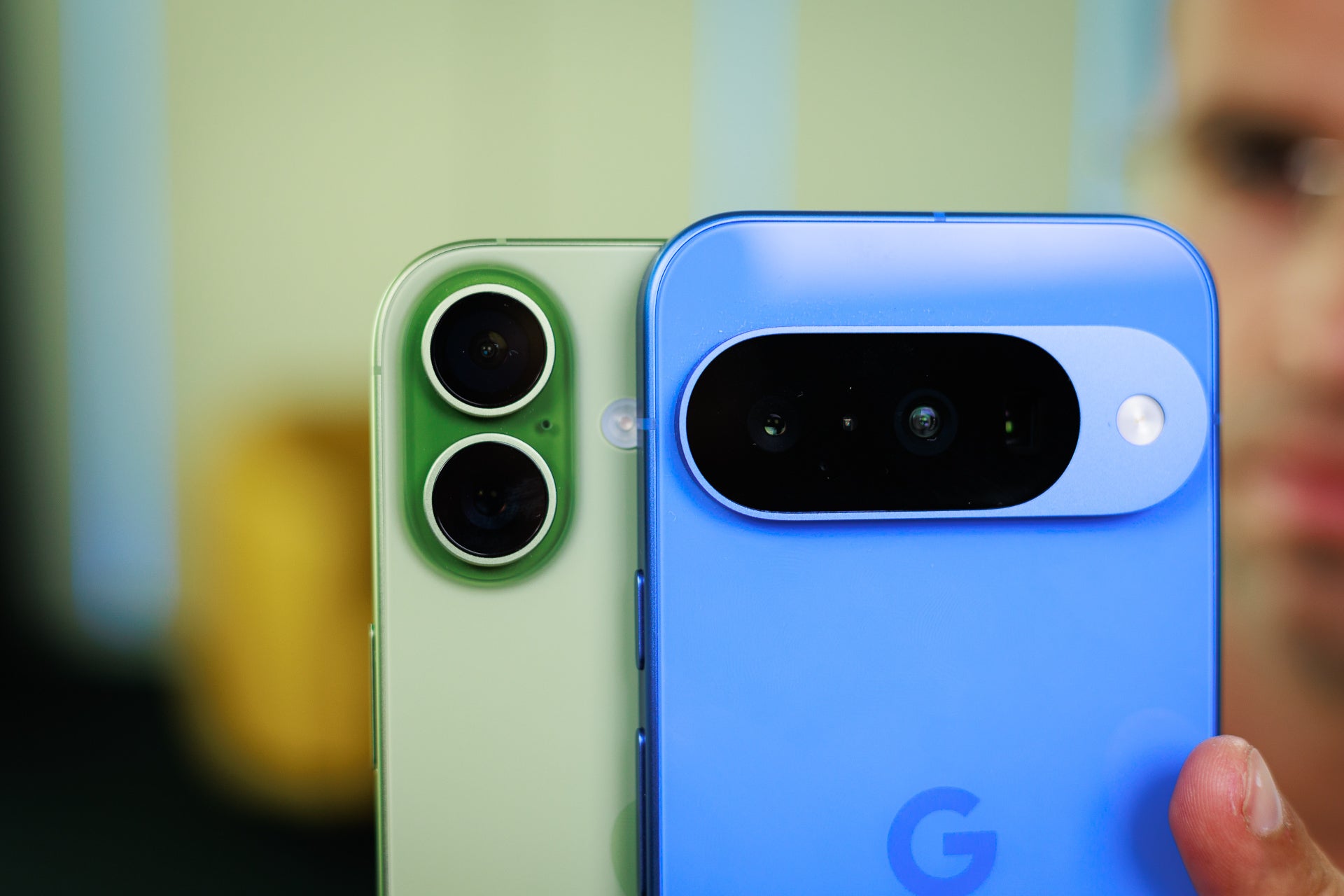
The iPhone 17 doesn't have a dedicated telephoto camera, but will that matter if it has superior image quality? | Image credit — PhoneArena
The iPhone 17 gets a new 48 MP ultrawide camera that defaults to 24 MP (the same one that's on last year's Pro models). On the front, Apple intrduced a brand new 18 MP Center Stage camera, with a larger square sensor, wider field of view, improved stabilization, and support for Dual Capture video (simultaneous front and rear recording). Because the sensor is square, users don't have to turn the phone to get a horizontal shot, which is done by pressing a button on the screen or automatically.
But even with all that the iPhone 17 camera system has going for it, it still lacks a dedicated telephoto camera. The Pixel 10 is the first base Pixel to come with a third, 10.8 MP telephoto camera. It has a 5x optical zoom range, and can even go up to 30x using AI algorithms.
Google also debuted neat new features such as Camera Coach on the Pixel 10. It uses Gemini AI to “see” the scene and suggest how to frame or compose the shot. For example, nudging you to lower the phone for better angles, or proposing creative scene ideas like architectural shadows.
PhoneArena Camera Score:
The iPhone 17 delivers more consistent photo and video quality with dynamic range and stabilization, while the Pixel 10’s big advantage is its color science and its 5X telephoto lens, giving it superior zoom flexibility.
Main Camera


I much prefer the colors on the Pixel here as they are more natural compared to the iPhone's. The Pixel 10 has also done a better job at exposing the image, showing more detail in the dark areas compared to the iPhone.
Zoom Quality


In this case, the iPhone relies on its main sensor with digital zoom, which makes the image less sharp than the Pixel’s. However, because the iPhone’s main sensor is superior to the Pixel 10’s 5x telephoto, it delivers better dynamic range and a more accurate overall exposure.
Ultra-wide Camera


The iPhone's ultrawide camera has delivered a sharper image with more contrast. The Pixel, on the other hand, utilizes its stellar HDR pipeline to balance the bright and dark areas of the photo, resulting in a flatter look.
Selfies


I like that the Pixel has shown more of the eyes by brightnening them. It's also clear that Google has the superior processing when it comes to skin tones, with the subject's skin looking much more true to life compared to the iPhone's weird orangy look.
More Camera Samples
Video Quality


Battery Life and Charging
iPhone charges faster, but likely has a smaller battery
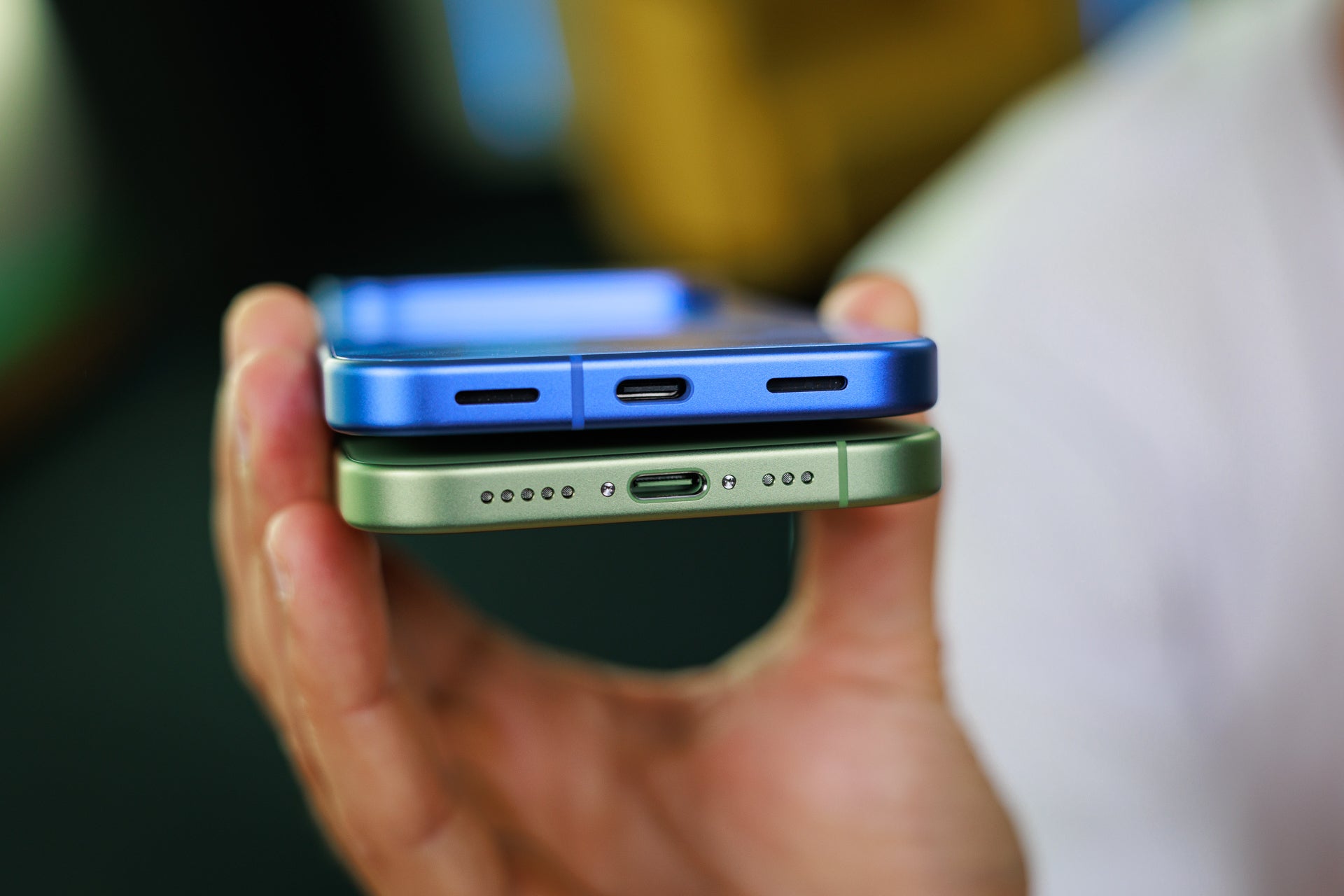
The iPhone 17 comes with faster charging, but the Pixel 10 has much better battery life? | Image credit — PhoneArena
Apple doesn’t disclose battery capacities, but officially rates the iPhone 17 for up to 30 hours of video playback (27 hours streamed). That’s a noticeable gain over the iPhone 16, thanks to a stacked battery design and the more efficient A19 chip.
The Pixel 10 has a large 4,970 mAh battery, which explains its thicker, heavier body. We'll update you on how these two compare in terms of battery life when we have our battery test results from both.
The Pixel 10 has a large 4,970 mAh battery, which explains its thicker, heavier body. We'll update you on how these two compare in terms of battery life when we have our battery test results from both.
When it comes to charging, the iPhone 17 supports up to 40W wired speeds, reaching 50 percent in about 20 minutes with Apple’s new 40W adapter. Wireless charging goes up to 25W with MagSafe or Qi2.2-certified chargers. The Pixel 10 supports up to 30W wired charging and 15W wireless charging through Qi2 with Pixelsnap, which also ensures compatibility with MagSafe accessories.
PhoneArena Battery and Charging Test Results:
The Pixel 10 is the clear winner here. Its 4,970 mAh battery gave it a significant advantage in browsing and video playback tests. The iPhone 17 does better in gaming, but overall, the Pixel lasts longer in typical use.
As for charging, the iPhone was quicker. It took 1 hour and 16 minutes to charge to 100% vs 1 hour and almost 30 minutes on the Pixel 10. The iPhone also charged 13% more in the first 30 minutes. Of cource, you have to keep in mind the smaller battery capacity on the iPhone, which contributes to these faster times.
Audio Quality and Haptics
The iPhone 17 surprised us with a noticeably fuller and wider sound than the Pixel 10, with more bass and cleaner mids compared to last year. The Pixel’s stereo speakers are solid, but they don’t have the same presence.
Both phones deliver tight, precise haptics, though Apple’s Taptic Engine still feels a touch more refined.
Specs Comparison
Here's a quick comparison between the iPhone 17 vs Pixel 10 specs.
| iPhone 17 | Pixel 10 |
|---|---|
| Size, weight 149.6 x 71.5 x 8 mm, 177 g | Size, weight 152.8 x 72 x 8.6 mm, 204 g |
| Screen 6.3" OLED 120Hz | Screen 6.3" OLED 120Hz |
| Processor A19 Bionic 3nm | Processor Tensor G5 3nm |
| Versions: --- 8/256 GB 8/512 GB | Versions: 12/128GB 12/256GB --- |
| Cameras: 48 MP main 48 MP ultra --- 18 MP front | Cameras: 48 MP main 13 MP ultra 10.8 MP 5X zoom 10.5 MP front |
| Battery: ~3,600 mAh | Battery: 4,970 mAh |
| Charging: USB-C 40W wired 25W Qi2 wireless | Charging: USB-C 30W wired 15W Qi2 wireless |
Also read:
Summary
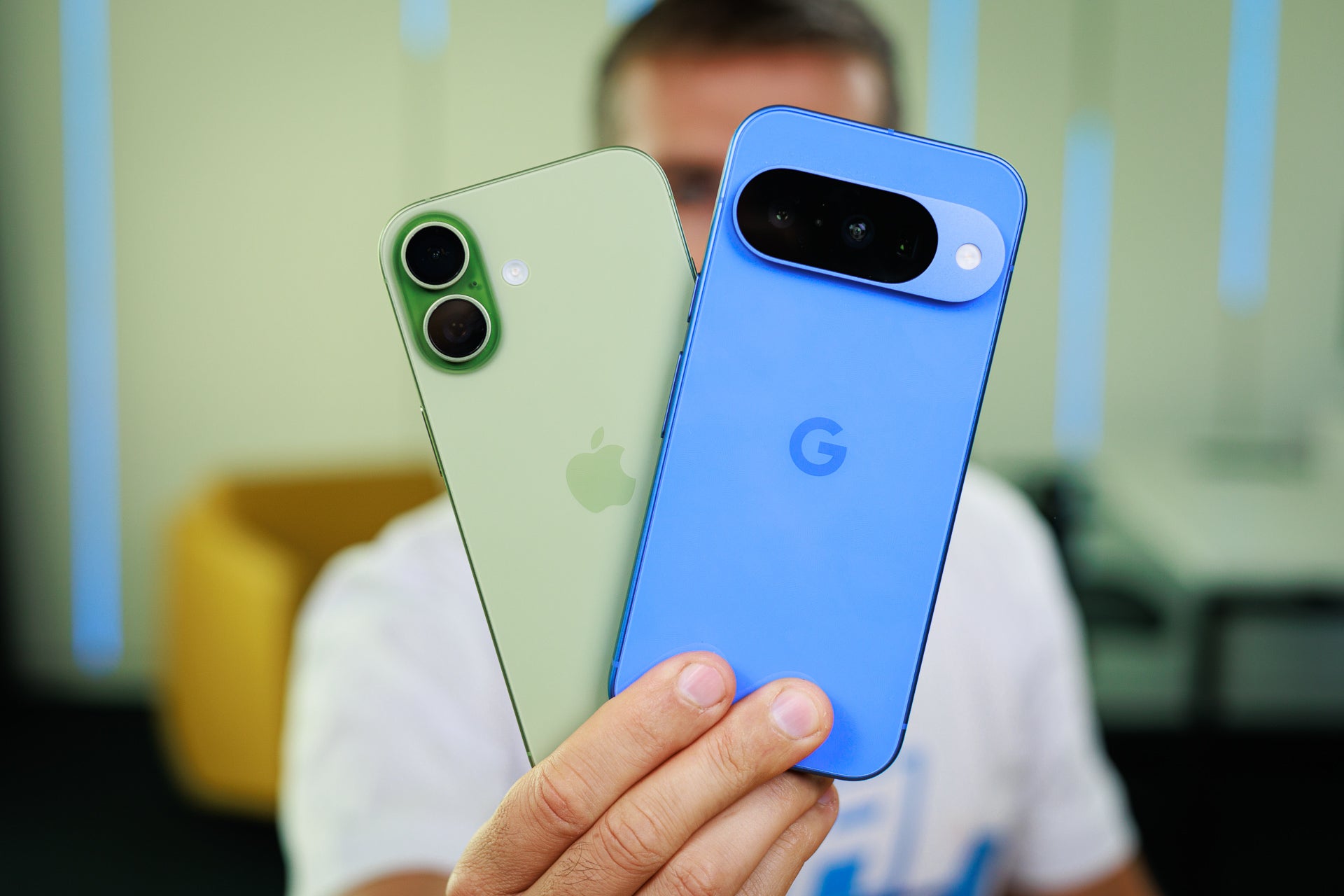
Image credit — PhoneArena
This is arguably one of the most entertaining years for comparing these two models, since both offer so much for what you’re paying.
The iPhone 17 finally feels like a modern phone thanks to the 1–120Hz ProMotion display, Ceramic Shield 2, a sharper 18 MP selfie camera, a new 48 MP ultrawide, and faster charging. It’s slimmer and much lighter than the Pixel 10, making it the more compact option.
The Pixel 10 has its own set of perks, though. Yes, it’s bigger and heavier, but it offers a triple-camera system with a 5x telephoto, a larger 4,970 mAh battery, and deeper AI integration with Gemini and features like Magic Cue and Camera Coach.
The iPhone 17 finally feels like a modern phone thanks to the 1–120Hz ProMotion display, Ceramic Shield 2, a sharper 18 MP selfie camera, a new 48 MP ultrawide, and faster charging. It’s slimmer and much lighter than the Pixel 10, making it the more compact option.
The Pixel 10 has its own set of perks, though. Yes, it’s bigger and heavier, but it offers a triple-camera system with a 5x telephoto, a larger 4,970 mAh battery, and deeper AI integration with Gemini and features like Magic Cue and Camera Coach.
Google came in strong with the Pixel 10 and genuinely made some think it is the iPhone killer, and it still has the potential to steal some iPhone users. But with so many upgrades and the same $799, the iPhone 17 makes Apple's base model more appealing than ever.
If you want solid camera quality (especially when it comes to video), more base storage, and a more compact phone, then the iPhone 17 covers those areas better. But if you want the added flexibility of a telephoto camera, more advanced AI features, and longer battery life, the Pixel 10 is the better option.


Related Content



Popular stories



Latest News


Things that are NOT allowed:
To help keep our community safe and free from spam, we apply temporary limits to newly created accounts: