iPhone 17 vs iPhone 17 Pro: The base iPhone suddenly makes a lot more sense
A 120Hz screen, new cameras, more storage, same price: the iPhone 17 sounds almost too good to be true.

We may earn a commission if you make a purchase from the links on this page.
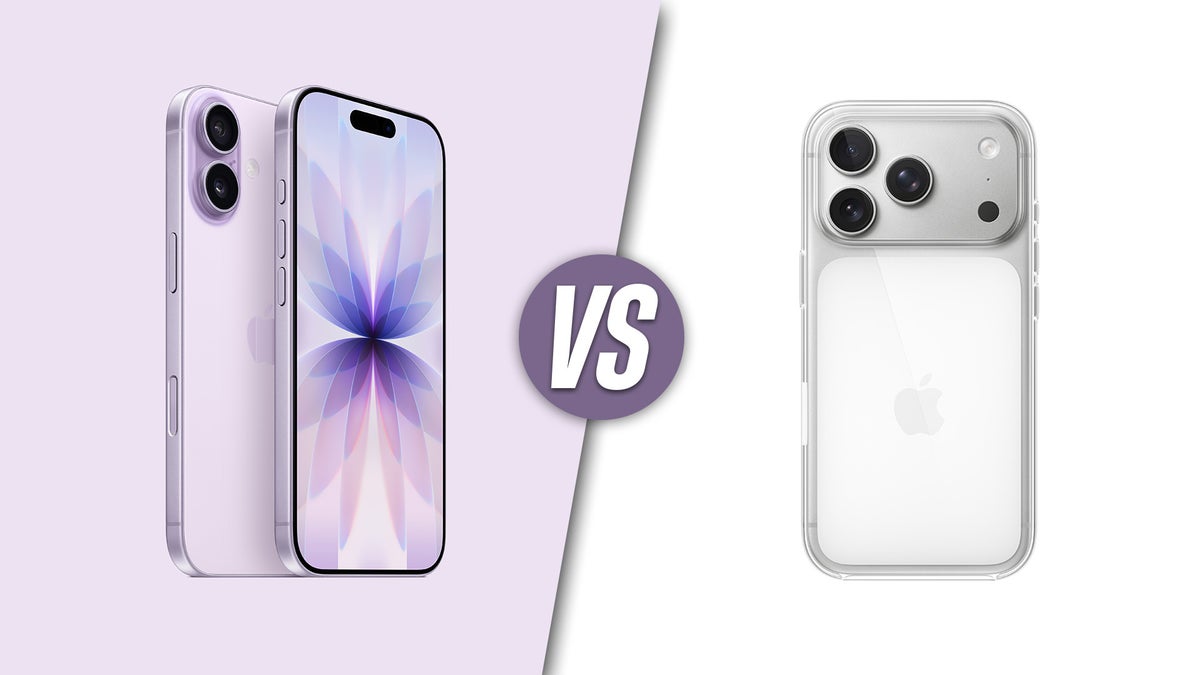
The iPhone 17 series can easily be summed up in one word: finally. The base iPhone 17finally gets a smooth 120Hz display and faster charging, while the iPhone 17 Pro finally earns its “Pro” title by adding much-needed improvements to performance and durability.
But with all the changes this generation brings, the dynamic of choosing the right model has also shifted. The iPhone 17 is now the clear go-to for most users and the one to recommend to anyone who just wants a reliable, premium phone for everyday use. The iPhone 17 Pro, on the other hand, adds genuinely useful features that turn it into a capable creator’s tool.
We ran both phones through our usual tests for battery life, camera quality, display performance, and overall speed. Then we spent time using them side by side to see how they hold up in everyday use. Here's how they compare.
iPhone 17 vs iPhone 17 Pro differences:
| iPhone 17 | iPhone 17 Pro |
|---|---|
| Design | |
| Lighter phone 177 grams | Slightly heavier at 206 grams |
| 7.95 mm thickness | Slightly thicker at 8.75 mm |
| Single-tone all glass back, aluminum frame | Two-tone back with aluminum unibody and glass insert |
| Ceramic Shield 2 front, reinforced glass back | Ceramic shield front and back |
| Display | |
| 6.3" OLED with 120Hz ProMotion and Always-on Option | Same screen, same protectors fit |
| 3,000 nits peak brightness | Same brightness |
| Performance | |
| A19 chip | A19 Pro chip |
| 5-core GPU | 6-core GPU |
| No vapor chamber cooling | Vapor chamber cooling |
| 8 GB RAM | 12 GB RAM |
| Cameras | |
| Dual rear cameras | Triple rear cameras |
| 48MP wide | 48MP wide with sligthly larger sensor |
| 48MP ultrawide | Same 48MP ultrawide |
| No telephoto camera | 4X telephoto camera with 48MP sensor |
| 18 MP front camera | Same 18MP front cam |
| No ProRAW | ProRAW |
| No ProRES | ProRES |
| 4K60 video resolution | 4K120 |
| Battery | |
| 3692 mAh | 4252 mAh |
| Up to 30 h video playback (27 h streamed) | Up to 33 h video playback (30 h streamed) |
| Wired charging: 50% in ~20 min (40W adapter) | Wired charging: 50% in ~20 min (40W adapter) |
| 25W MagSafe | 25W MagSafe |
| Models | |
| $800 (256 GB base) | $1,100 (256 GB base) |
| 512 GB max storage | 1 TB max storage |
| Other | |
| USB 2 port | USB 3.2 port |
| Regular Mics | Studio quality 4-mic setup |
Table of Contents:
Design and Size
Ceramic Shield 2 protection, slimmer bezels, and a new Pro look
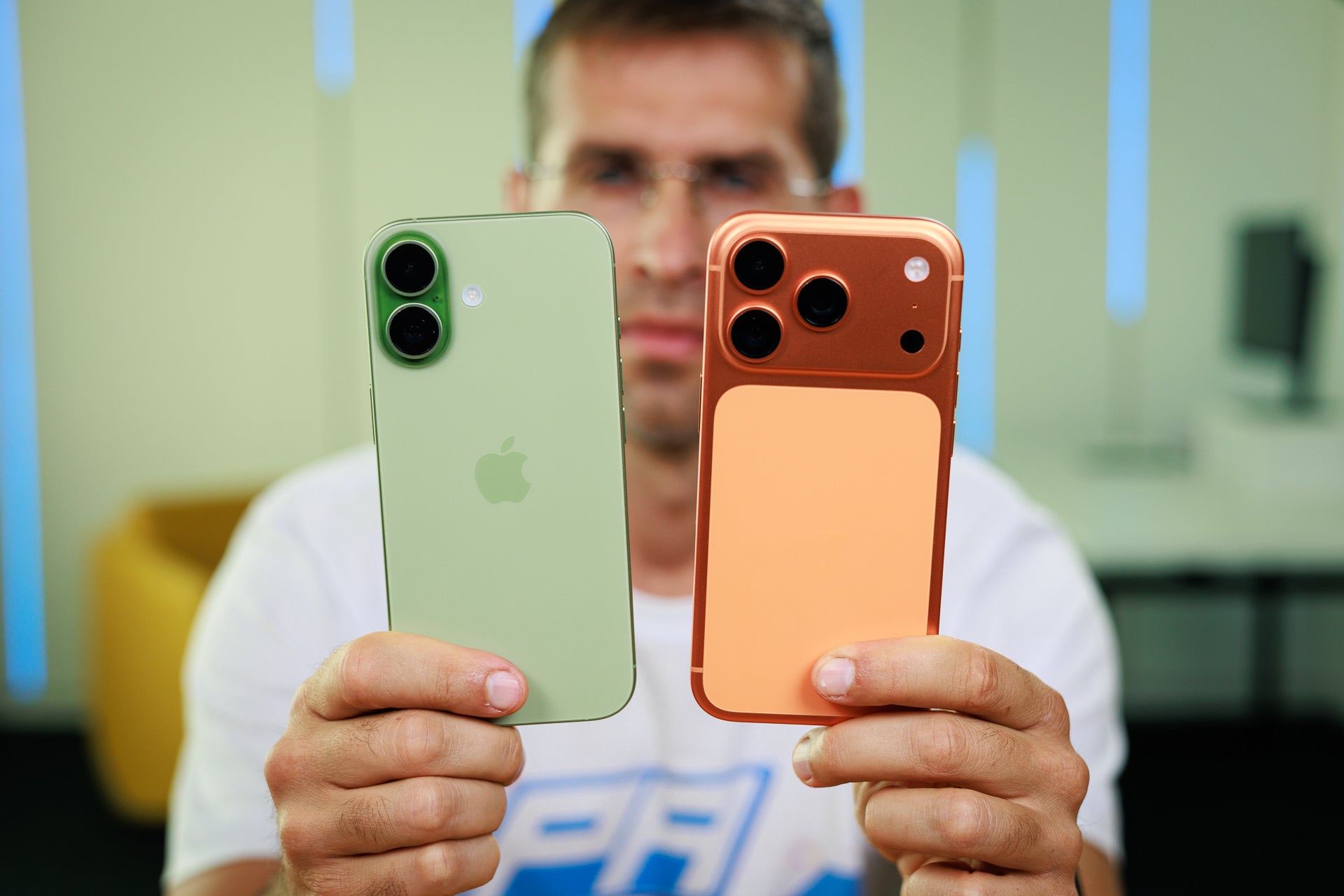
iPhone 17 Pro gets a tougher Ceramic Shield 2 back and a new forged aluminum body. | Image credit — PhoneArena
Unlike the Pro model, the iPhone 17 has the same look as its predecessor. It's also still rocking an aluminum frame and a glass back, but introduces Ceramic Shield 2 on the front, which Apple says is three times more scratch resistant than before. The back remains reinforced glass.
The iPhone 17 Pro moves away from last year’s titanium and also adopts an aluminum body. Apple highlights this as a lighter, stronger, and more thermally efficient approach, as it integrates the new vapor chamber cooling system directly into the frame.
The iPhone 17 Pro moves away from last year’s titanium and also adopts an aluminum body. Apple highlights this as a lighter, stronger, and more thermally efficient approach, as it integrates the new vapor chamber cooling system directly into the frame.
Unlike the base model, the Pro is protected by Ceramic Shield 2 on both the front and the back, making it more resistant to scratches and cracks. That said, you'll quickly come to find that anything besides the glass part on the Pro's back is pretty easily chipped and scratched, so if you want it to stay pristine and keep its resale value, you better slap on a case on it.
The Pro also debuts a redesigned rectangular "camera plateau", which houses its triple 48 MP camera system and sets it apart visually from the dual-camera iPhone 17.
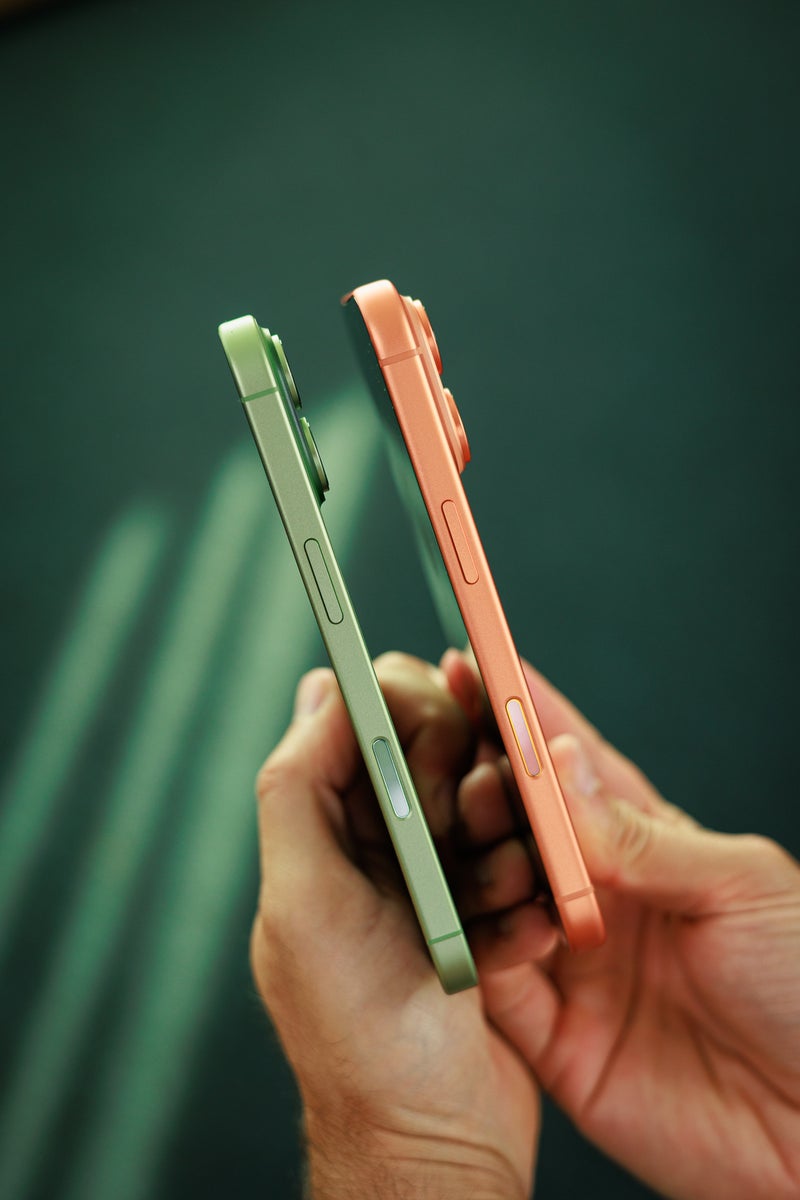
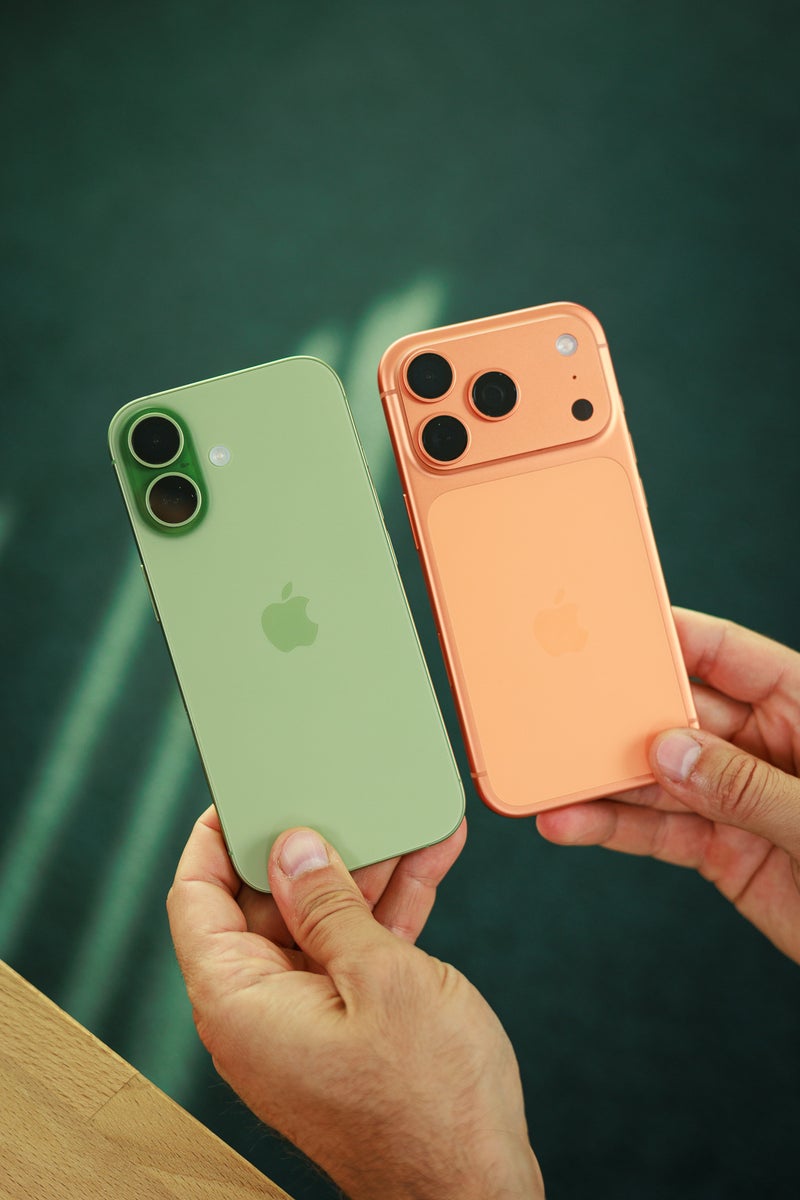
When it comes to size and weight, the iPhone 17 comes in at 149.6 x 71.5 x 7.95 mm and weighs 177 grams. The iPhone 17 Pro is slightly taller, wider, and thicker at 150.0 x 71.9 x 8.75 mm, and it’s also noticeably heavier at 206 grams. You can feel the Pro's heft when you hold it, but both feel similar in the hand as far as ergonomics go.
The Pro also debuts a redesigned rectangular "camera plateau", which houses its triple 48 MP camera system and sets it apart visually from the dual-camera iPhone 17.
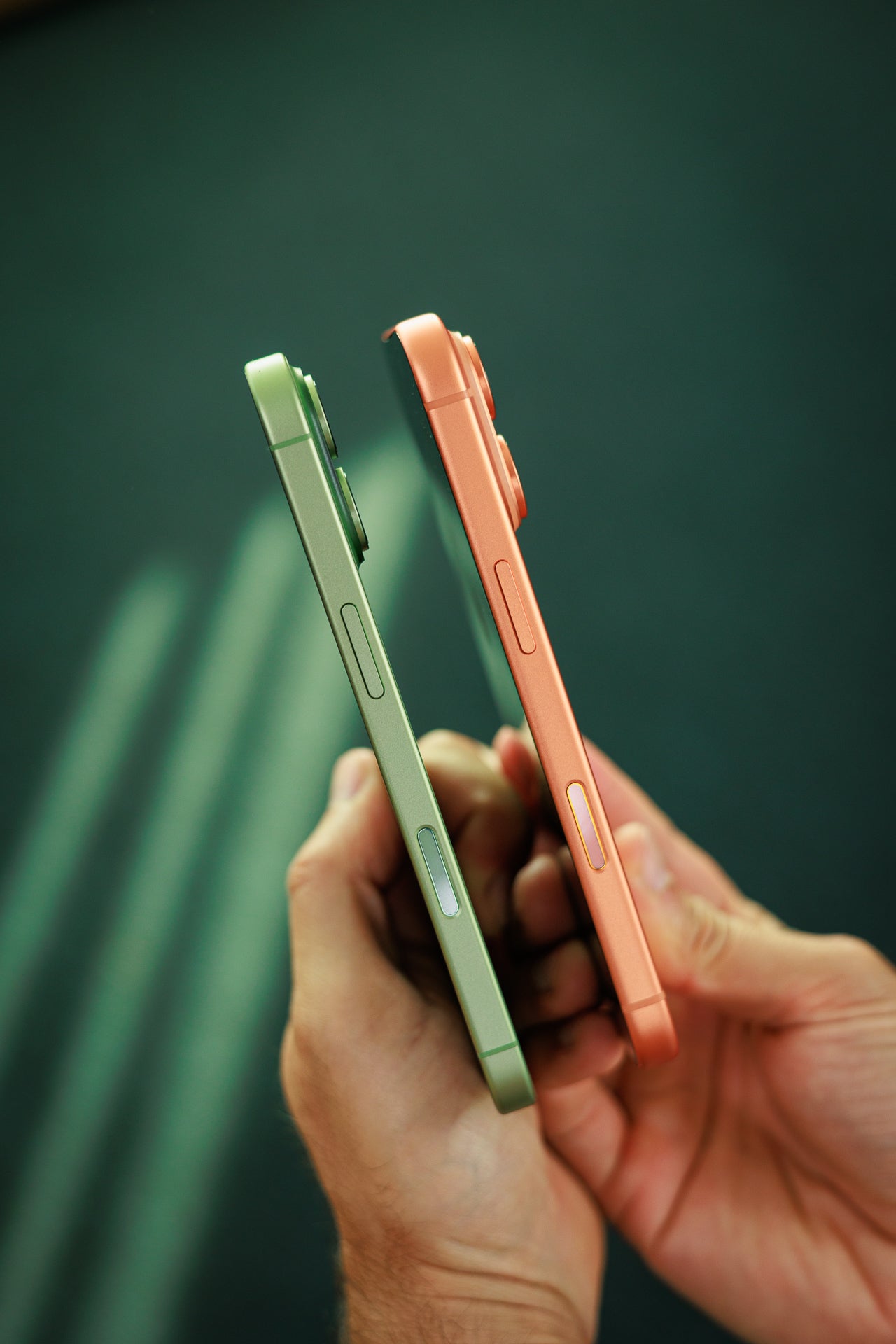
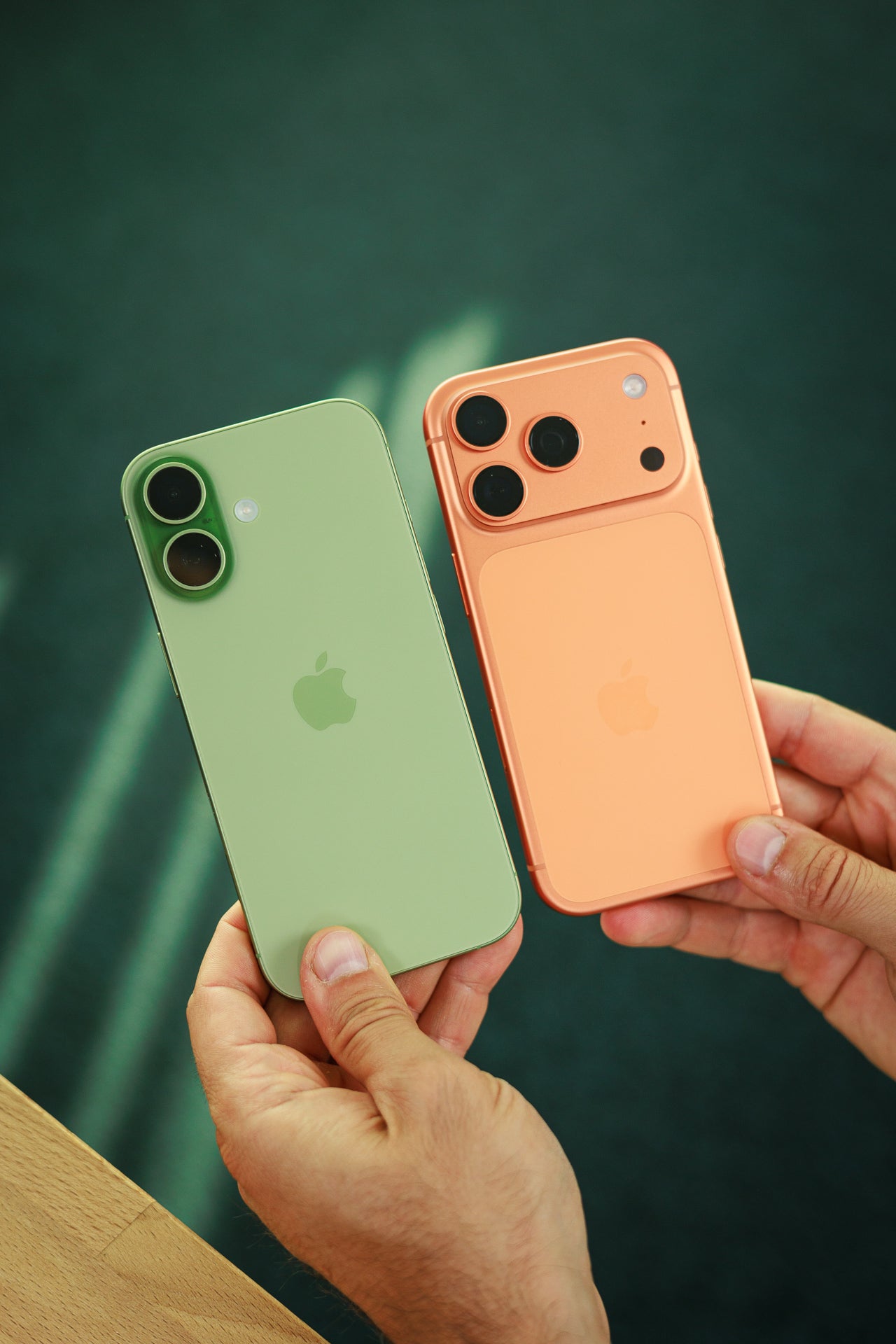
When it comes to size and weight, the iPhone 17 comes in at 149.6 x 71.5 x 7.95 mm and weighs 177 grams. The iPhone 17 Pro is slightly taller, wider, and thicker at 150.0 x 71.9 x 8.75 mm, and it’s also noticeably heavier at 206 grams. You can feel the Pro's heft when you hold it, but both feel similar in the hand as far as ergonomics go.
| iPhone 17 | iPhone 17 Pro |
|---|---|
| Thickness 7.95 mm | Thickness 8.75 mm |
| Dimensions 149.6 x 71.5 mm | Dimensions 150.0 x 71.9 mm |
| Weight 177 g | Weight 206 g |
The iPhone 17 and 17 Pro colors:
- iPhone 17: Black, Lavender, Mist Blue, Sage, White
- iPhone 17 Pro: Black, Silver, Gold, and a new standout Orange
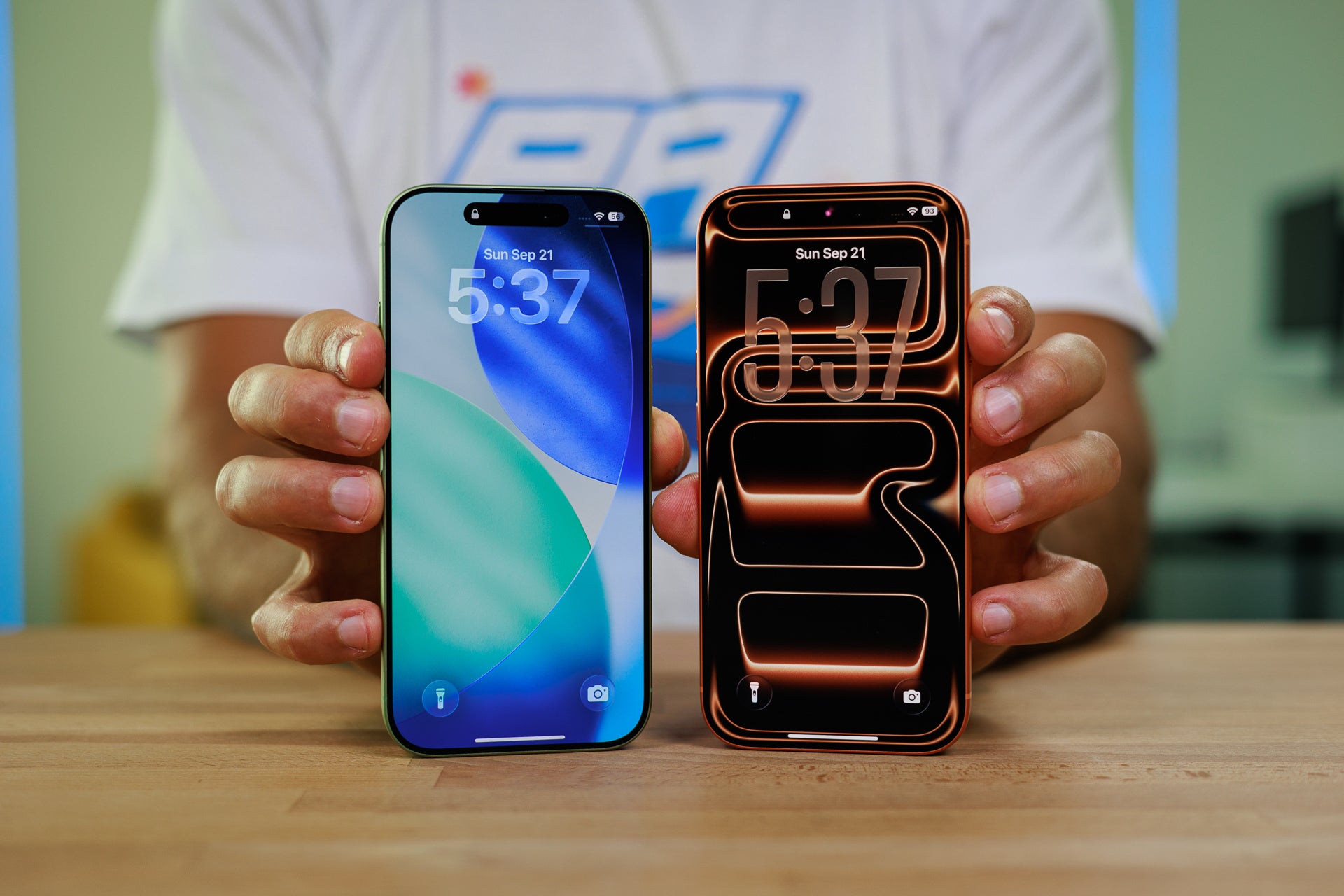
iPhone 17 finally gets 120Hz ProMotion — smoother scrolling is no longer Pro-exclusive. | Image credit — PhoneArena
One of the biggest upgrades this year is that the iPhone 17 now has a 120Hz ProMotion OLED display. Apple withheld this feature for years, leaving the base iPhones stuck at 60Hz, but it’s finally here. The result is smoother scrolling, animations, and gaming.
Both models use 6.3-inch OLED panels with the same resolution (2622 × 1206, 460 ppi) and peak brightness of 3000 nits outdoors, making them much easier to read under sunlight compared to the 2000 nits of the iPhone 16 series. In HDR content, both peak at 1600 nits, and typical brightness remains 1000 nits.
Apple even added LTPO technology to the new base model, allowing the refresh rate to scale down to a single hertz. This unlocks Always-On Display support and greater power efficiency.
Apple has added a seven-layer anti-reflective coating to the iPhone 17 series.
It is not quite as effective as the coating on the Galaxy S25 Ultra, but it noticeably reduces reflections compared to the iPhone 16 series.
Both models use 6.3-inch OLED panels with the same resolution (2622 × 1206, 460 ppi) and peak brightness of 3000 nits outdoors, making them much easier to read under sunlight compared to the 2000 nits of the iPhone 16 series. In HDR content, both peak at 1600 nits, and typical brightness remains 1000 nits.
Apple has added a seven-layer anti-reflective coating to the iPhone 17 series.
It is not quite as effective as the coating on the Galaxy S25 Ultra, but it noticeably reduces reflections compared to the iPhone 16 series.
Display Measurements:
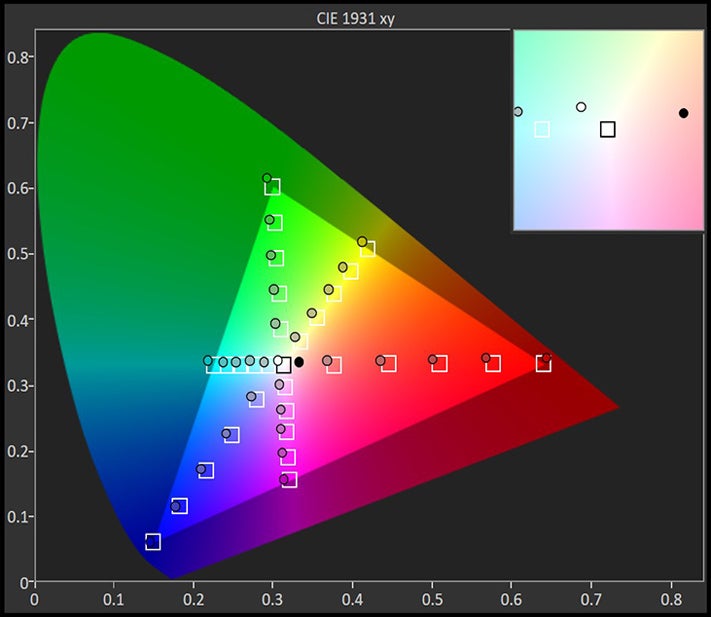
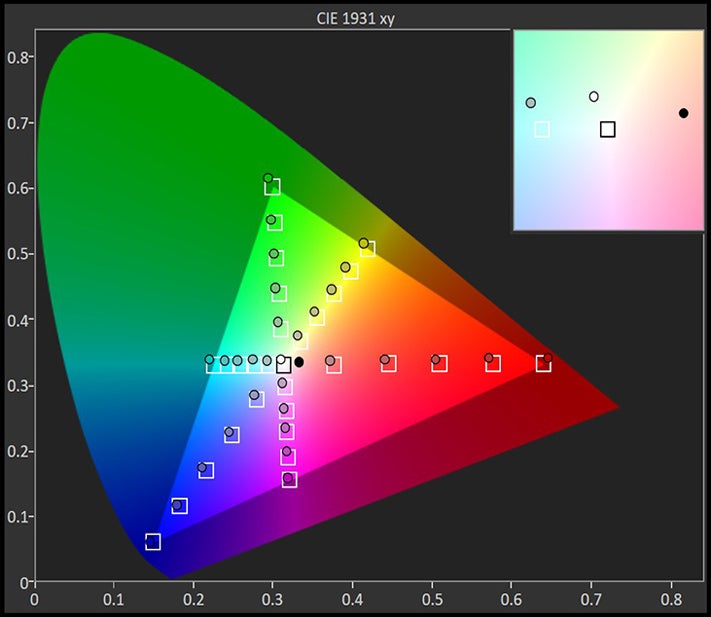
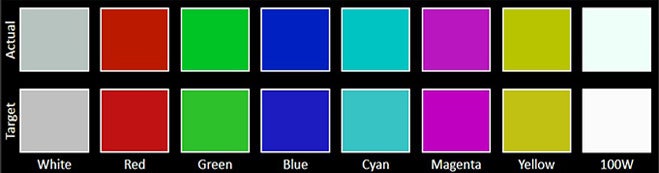
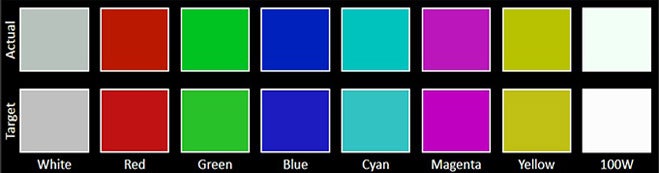


In our lab results, both models achieved above 2,600 at 20% APL and roughly 1,050 nits while the screen is completely white. Color accuracy remains top-tier, with Delta E values below 1.2 in True Tone mode. The iPhone 17 Pro achieves a better minimum brightness, though, making it a bit gentler on the eyes in complete darkness.
Overall, either display is a joy to look at and use, and for the first time we can honestly say that the iPhone 17 display is as good as the one on the Pro model.
Performance and Software
Lots of differences catering to pro users
Both phones run on Apple’s latest 3nm chips, but the Pro uses the more powerful A19 Pro. The A19 chip inside the iPhone 17 has a 6-core CPU (2 performance, 4 efficiency), a 5-core GPU, and a 16-core Neural Engine. The A19 Pro adds a 6-core GPU, giving it more headroom for gaming, creative work, and Apple Intelligence features.
The Pro also gains a vapor chamber cooling system, allowing it to sustain peak performance for longer without overheating, which will be noticeable when gaming or doing a lot of video recording and editing, for example. That said, Apple’s vapor chamber is a passive system, which means it doesn’t actively cool the phone, but rapidly spreads heat across the chassis to delay throttling under sustained loads.
The iPhone 17 comes with 8 GB of RAM and storage up to 512 GB storage, while the Pro is equipped with 12 GB of RAM and offers storage up to 1 TB (both start at 256 GB). That makes the Pro better suited for workflows that include larger files.
Geekbench 6: A high single-core score is what makes your phone feel snappy during everyday tasks like opening apps, typing and browsing. The multi-core score matters most when doing heavier work like video editing or gaming.
The iPhone 17 Pro performed only marginally better than the standard iPhone 17 in our Geekbench tests, showing little to no benefit of going for the A19 Pro chipset when it comes to CPU performance. Still, that makes the iPhone 17 Pro a bit more futureproof, although the iPhone 17 isn't too far behind. Don't choose between these two phones based on performance alone.
AI Quantized: This test measures how efficiently your phone’s 'brain' handles AI tasks, ensuring that features like live translation and smart photo editing feel instant and fluid without draining your battery.
In the AI performance test, which generally shows how well a device crunches LLM tasks but is also a good litmus test of the overall performance, the iPhone 17 Pro has a slight performance. Both perform excellently, though, showcasing great future-proofness.
The iPhone 17 comes with 8 GB of RAM and storage up to 512 GB storage, while the Pro is equipped with 12 GB of RAM and offers storage up to 1 TB (both start at 256 GB). That makes the Pro better suited for workflows that include larger files.
CPU Performance Benchmarks:
Geekbench 6: A high single-core score is what makes your phone feel snappy during everyday tasks like opening apps, typing and browsing. The multi-core score matters most when doing heavier work like video editing or gaming.
The iPhone 17 Pro performed only marginally better than the standard iPhone 17 in our Geekbench tests, showing little to no benefit of going for the A19 Pro chipset when it comes to CPU performance. Still, that makes the iPhone 17 Pro a bit more futureproof, although the iPhone 17 isn't too far behind. Don't choose between these two phones based on performance alone.
AI Quantized: This test measures how efficiently your phone’s 'brain' handles AI tasks, ensuring that features like live translation and smart photo editing feel instant and fluid without draining your battery.
In the AI performance test, which generally shows how well a device crunches LLM tasks but is also a good litmus test of the overall performance, the iPhone 17 Pro has a slight performance. Both perform excellently, though, showcasing great future-proofness.
GPU Performance
Wild Life Extreme is a heavy graphics workload used to measure a device's sustained GPU performance and thermal throttling. It uses older mobile rendering techniques and is friendly to older or lower-end mobile devices.
In our testing, the iPhone 17 Pro maintains 65–70% performance stability in the 3DMark stress test — far better than the regular iPhone 17, which begins throttling sooner under load. That translates to smoother sustained frame rates in demanding games like Resident Evil 4 and Death Stranding, both now playable at nearly 50 fps on the Pro. This is the most standard test, however, so expect things to change as we climb up the difficulty ladder.
Steel Nomad Light Stress Test: Measures your phone’s "gaming stamina" by comparing its peak speed (High) against its throttled speed after it heats up (Low), revealing whether your performance will stay smooth or start lagging during a long session. It loads heavier, more modern effects than Wild Life Extreme and is more in line with current games.
In the tasking Steel Nomad stress test, the iPhone 17 can't really match the iPhone 17 Pro in terms of raw performance. It doesn't achieve decent peak or sustained performance here, so the iPhone 17 Pro is a much better fit for gamers or people who have more demanding graphics workflows.
This measures Ray Tracing performance because this advanced technology creates the hyper-realistic reflections and shadows found in next-gen titles like Arena Breakout. Even if you don't play games with ray tracing, a high score here means your phone has a "best-in-class" cooling system.
In the final and most demanding stress test, the iPhone 17 Pro once again proves its mettle by achieving a much higher score in both peak and sustained performance. This means that the heaviest games would run best on the Pro model, which comes off as quite logical.
Another important difference is the USB-C port. The iPhone 17 only supports USB 2 speeds, meaning file transfers are limited. The iPhone 17 Pro supports USB 3 at up to 10Gbps, making it much faster for moving ProRes video or large files.
On the software side, both models ship with iOS 26, which introduces the new Liquid Glass design language, Live Translate, Call Screening, and the first wave of Apple Intelligence features.
What about storage performance?
On the software side, both models ship with iOS 26, which introduces the new Liquid Glass design language, Live Translate, Call Screening, and the first wave of Apple Intelligence features.
Storage speed
What about storage performance?
While both phones are very identical in terms of random read and write speeds, which suggest a similar level of snappiness shared between both of them, the iPhone 17 Pro has the edge in sequential reading or writing. This means it has an edge when manipulating large swaths of data, so it will have a slight edge in speed when recording videos or copying and moving files around. That's not something a non-pro user would lose sleep over, but professionals would absolutely want to get the faster storage, and it's on the iPhone 17 Pro.
Storage tests measure how quickly your phone can move data. Random read and write show how fast your phone can find and move thousands of tiny, scattered files. This is the most important metric for an average user because it’s what happens when you open an app, check your notifications, or search through your photo gallery. Sequential read and write measure the speed of moving one giant, continuous file. You’ll notice this when you are saving a 4K video you just recorded or downloading a massive game update.
Camera
Dual 48 MP vs triple 48 MP
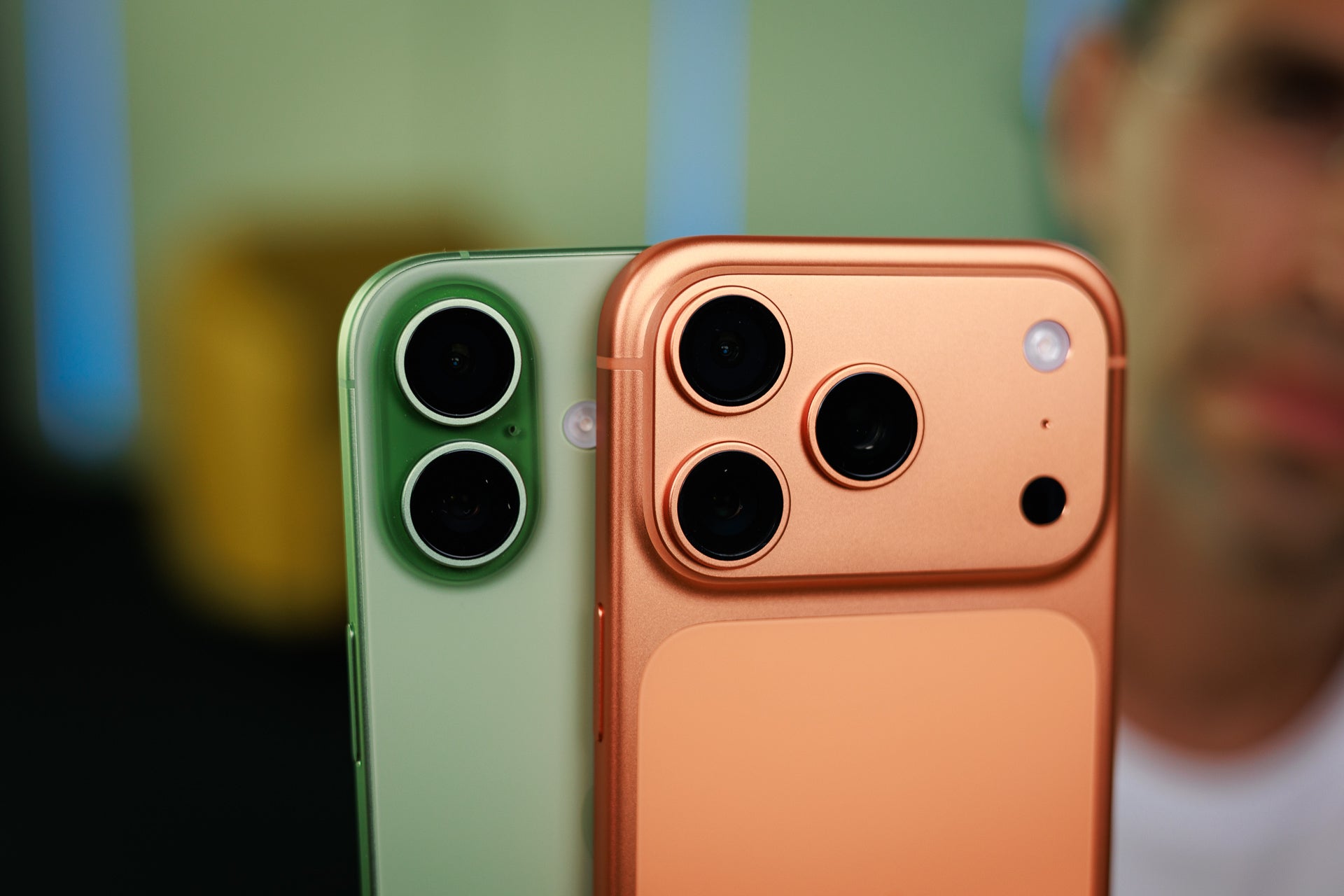
Apple upgrades the selfie game with a new 18 MP Center Stage front camera on the iPhone 17. | Image credit — PhoneArena
Apple finally upgraded the base iPhone’s secondary camera: alongside the 48 MP main image sensor from last year, the iPhone 17 now uses a 48 MP ultrawide. Image quality has improved mostly when it comes to detail, which also affects the Macro mode.
The new 48 MP ultrawide now defaults to 24 MP images. The good news is that the iPhone 16 Pro and Pro Max also get 24 MP default photos with the iOS 26 update.
At the front, both phones share Apple’s new 18 MP Center Stage selfie camera with a wider field of view, auto-expanding/auto-rotating framing for group selfies, and noticeably better video stabilization, even in 4K HDR.
Where the Pro truly separates itself is the new 48 MP telephoto camera. It uses a tetraprism design and a larger sensor (56% larger than before) to deliver 4x optical zoom at 100 mm and an extended 8x at 200 mm, with up to 40x digital for photos. There is an obvious step up in detail at 4x, and even at 5x the new 48 MP telephoto produces cleaner, higher-resolution results than the old 5x image sensor.
At 2x, the Pro also shows better detail thanks to cropping from its larger main sensor. The 4x lens can focus a bit closer than the previous 5x, which helps for product shots and food pics, but the focus distance still doesn't seem to be close enough for true telephoto-macro shots.
Portrait mode sees a substantial improvement on both models: the 48 MP pipeline now preserves facial detail and skin texture far better than the iPhone 16 generation, avoiding that waxy look.
There aren't many notable changes to video recording on the base model, but the Pro adds new tools for creators like ProRes RAW (requires an external drive), Apple Log, Opengate, and Genlock.
For video, both support Dolby Vision HDR, Cinematic mode, Action mode, and Dual Capture. The Pro, however, unlocks more advanced tools: 4K120 ProRes, ProRes RAW, Apple Log, Academy Color Encoding System, and Genlock support, all of which are features aimed squarely at professionals.
The new 48 MP ultrawide now defaults to 24 MP images. The good news is that the iPhone 16 Pro and Pro Max also get 24 MP default photos with the iOS 26 update.
At the front, both phones share Apple’s new 18 MP Center Stage selfie camera with a wider field of view, auto-expanding/auto-rotating framing for group selfies, and noticeably better video stabilization, even in 4K HDR.
At 2x, the Pro also shows better detail thanks to cropping from its larger main sensor. The 4x lens can focus a bit closer than the previous 5x, which helps for product shots and food pics, but the focus distance still doesn't seem to be close enough for true telephoto-macro shots.
Portrait mode sees a substantial improvement on both models: the 48 MP pipeline now preserves facial detail and skin texture far better than the iPhone 16 generation, avoiding that waxy look.
For video, both support Dolby Vision HDR, Cinematic mode, Action mode, and Dual Capture. The Pro, however, unlocks more advanced tools: 4K120 ProRes, ProRes RAW, Apple Log, Academy Color Encoding System, and Genlock support, all of which are features aimed squarely at professionals.
PhoneArena Camera Score:
In our lab testing, the iPhone 17 Pro scored slightly higher overall thanks to sharper zoom detail and improved main-camera consistency. Both models performed similarly when it came to color acuracy and HDR performance, though the Pro holds an advantage in low-light conditions due to its larger main image sensor.
Main Camera


Zoom Quality




Ultra-wide Camera


Selfies


Video quality comparison coming soon.
Battery Life and Charging
Bigger batteries, faster charging
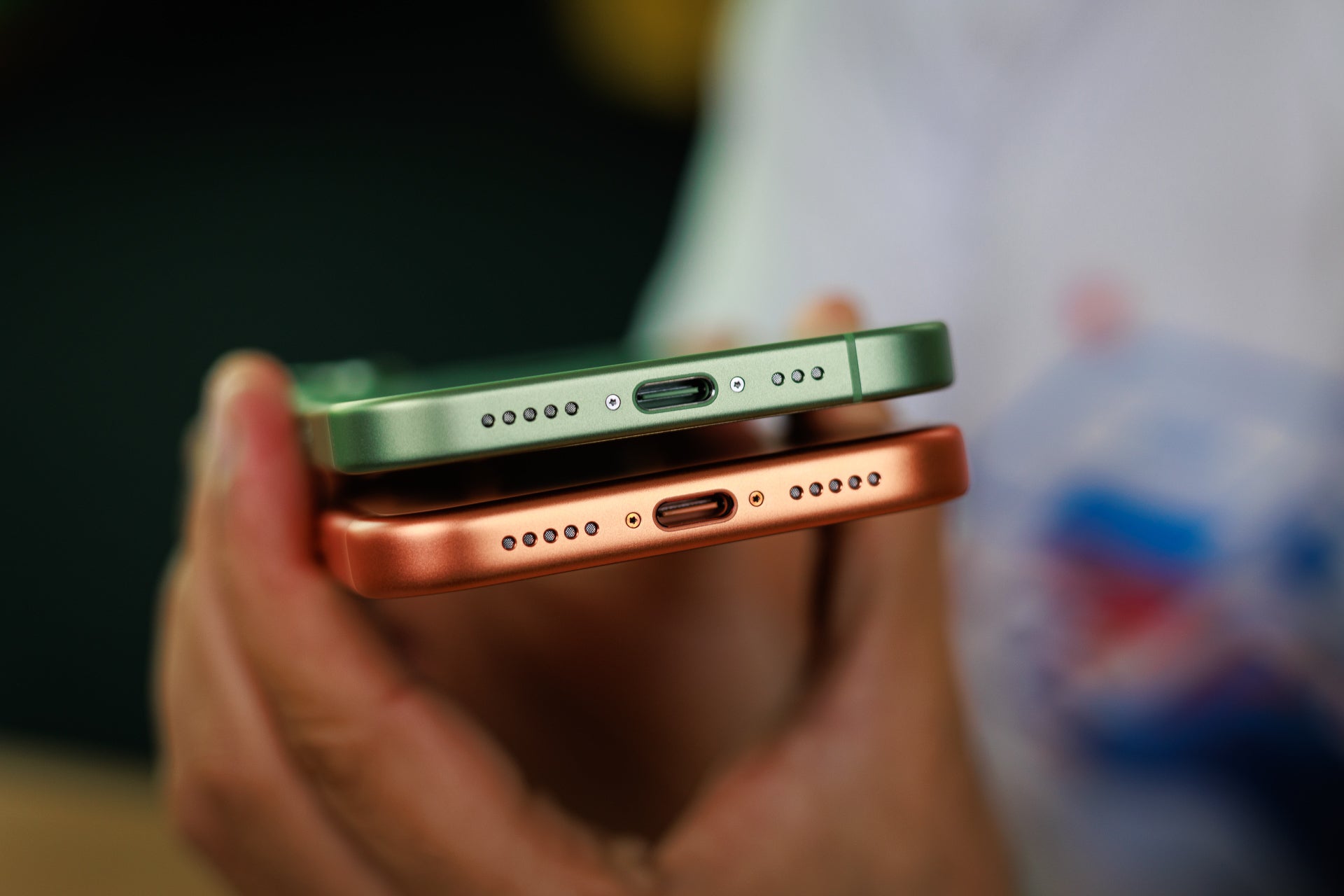
Even the base iPhone 17 now hits 30 hours of video playback — a new record for its size. | Image credit — PhoneArena
Both iPhones use stacked battery technology for better energy density and durability. The iPhone 17 comes with a ~3,692 mAh battery, while the iPhone 17 Pro is slightly larger at ~3,988 mAh (Nano SIM) or ~4,252 mAh (eSIM). Keep in mind that battery sizes are not confirmed yet, so take these with a grain of salt.
Apple rates the iPhone 17 for up to 30 hours of video playback (27 streamed), while the Pro lasts up to 33 hours (30 streamed). These are Apple’s best runtimes yet for this size.
Apple rates the iPhone 17 for up to 30 hours of video playback (27 streamed), while the Pro lasts up to 33 hours (30 streamed). These are Apple’s best runtimes yet for this size.
PhoneArena Battery and Charging Test Results:
In our tests, the iPhone 17 delivered around 16 hours and 47 minutes of web browsing and 7 hours and 19 minutes of YouTube streaming. The iPhone 17 Pro extended that slightly with about 17 hours and 10 minutes of browsing and 8 hours and 25 minutes of video streaming. Both, however, are good enough for a day of normal use.
Charging speeds have also improved. With Apple’s new 40W Dynamic Power Adapter, both models can reach 50% in about 20 minutes. Wireless charging remains capped at 25W, but both phones now support Qi2, so third-party magnetic chargers can finally match MagSafe’s top speeds.
Both models support reverse wired charging, but still no reverse wireless charging, even on the Pro.
Both models support reverse wired charging, but still no reverse wireless charging, even on the Pro.
Audio Quality and Haptics
The iPhone 17 produces clean, full audio with a good sense of depth and bass, making it enjoyable for music, videos, and podcasts. The iPhone 17 Pro sounds equally clear, but it doesn’t reach quite the same maximum loudness as last year’s Pro model. That said, it still sounds somewhat better than the standard model.
Haptics are identical on both phones. Apple’s Taptic Engine continues to set the standard for precision feedback, with tight, well-tuned vibrations that make notifications and gestures feel immediate and satisfying.
Specs Comparison
Here's a quick overview of the iPhone 17 vs iPhone 17 Pro specs.
| iPhone 17 | iPhone 17 Pro |
|---|---|
| Size, weight 149.6 x 71.5 x 8 mm, 177 g | Size, weight 150 x 71.9 x 8.8 mm, 206 g |
| Screen 6.3" OLED 120Hz | Screen 6.3" LTPO OLED 120Hz |
| Processor A19 3nm | Processor A19 Pro 3nm |
| Versions: --- 8/256 GB 8/512 GB LPDDRX5 | Versions: 12/256 GB 12/512 GB 12/1 TB LPDDRX5 |
| Cameras: 48 MP main 48 MP ultra --- 18 MP front | Cameras: 48 MP main 48 MP ultra 48 MP 4X zoom 18 MP front |
| Battery: ~3,692 mAh | Battery: ~3,988 mAh |
| Charging: USB-C 40W wired 25W wireless | Charging: USB-C 40W wired 25W wireless |
Which one should you buy?
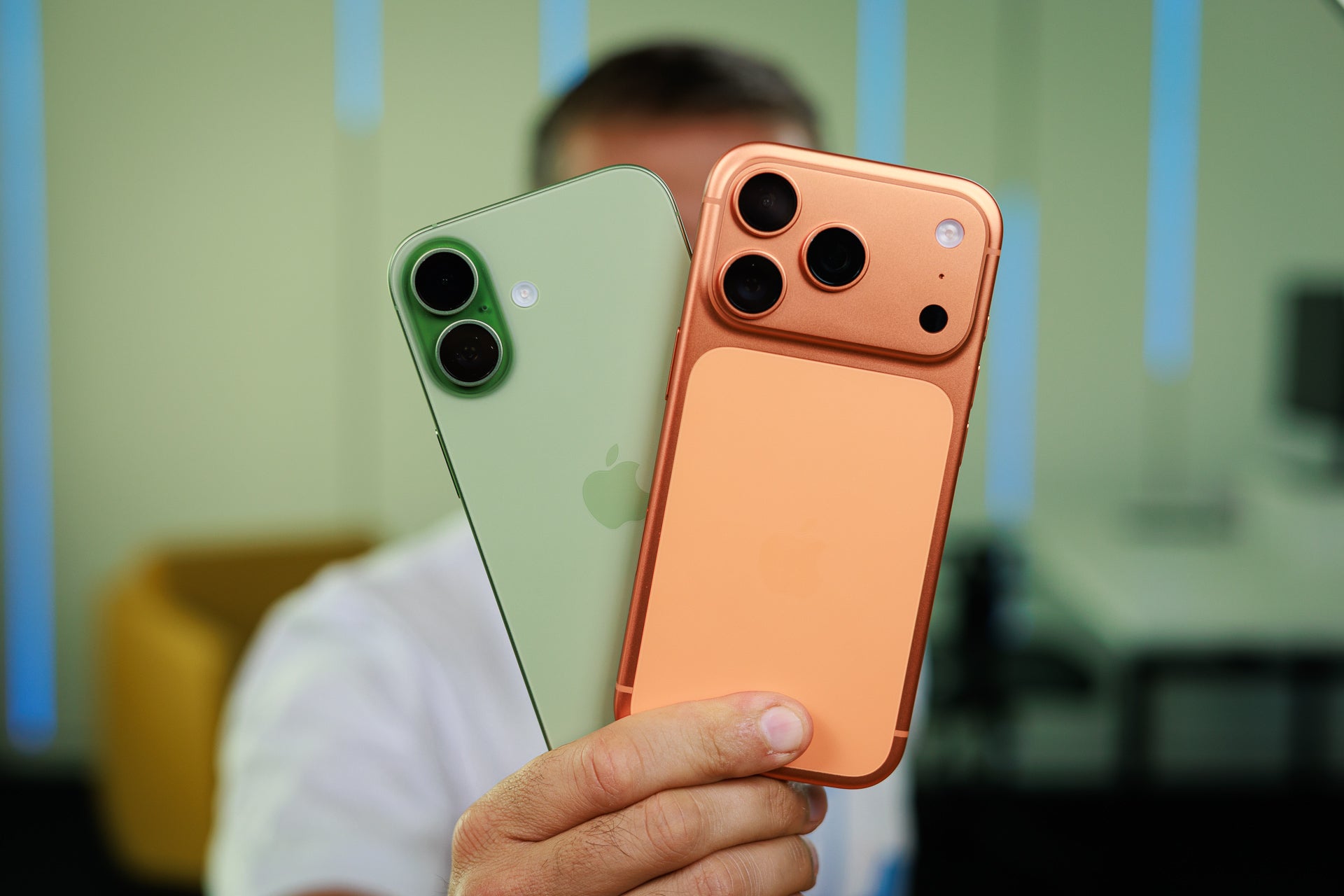
If you are not using those Pro camera features, just go for the iPhone 17. | Image credit — PhoneArena
In previous years, you might have leaned toward the Pro model for its better display or faster charging, but with the iPhone 17 series, you no longer need to pay extra to get those. That leaves the iPhone 17 Pro as a more focused product, built for users who want everything a modern content creator could need from their phone.
Of course, you don’t have to be a creator or professional to benefit from what the iPhone 17 Pro offers. The real point is that you no longer need to spend more just to get the full flagship experience.
If you already use, or plan to use, the Pro-exclusive features — like the extra camera modes, faster data transfer speeds, or improved durability — then the iPhone 17 Pro is the right choice.
But if you mainly use your phone for everyday things like capturing moments with family and friends, gaming, or scrolling through social media, you won’t feel like you’re missing out with the regular iPhone 17.
The one thing that could have made the iPhone 17 truly perfect is a dedicated telephoto camera. The 2x sensor crop is nice, but having a 3x optical zoom would have completed the camera setup. Of course, that would also remove the last real reason for most regular users to move up to the Pro, so it’s safe to assume Apple won’t be in a rush to change that anytime soon.
But if you mainly use your phone for everyday things like capturing moments with family and friends, gaming, or scrolling through social media, you won’t feel like you’re missing out with the regular iPhone 17.
The one thing that could have made the iPhone 17 truly perfect is a dedicated telephoto camera. The 2x sensor crop is nice, but having a 3x optical zoom would have completed the camera setup. Of course, that would also remove the last real reason for most regular users to move up to the Pro, so it’s safe to assume Apple won’t be in a rush to change that anytime soon.


Related Content





Popular stories




Latest News


Things that are NOT allowed:
To help keep our community safe and free from spam, we apply temporary limits to newly created accounts: