Samsung might be up to something and that "something" could be the result of spending too much time peeking into Apple's books.
Future Galaxy phones—starting with the mid-range Galaxy A series—might get a genuine-product authentication system for their batteries. Parts pairing (or serialization) has been Apple's way of doing business for quite some years now, but it appears that Sammy will join the party.
It's not official yet
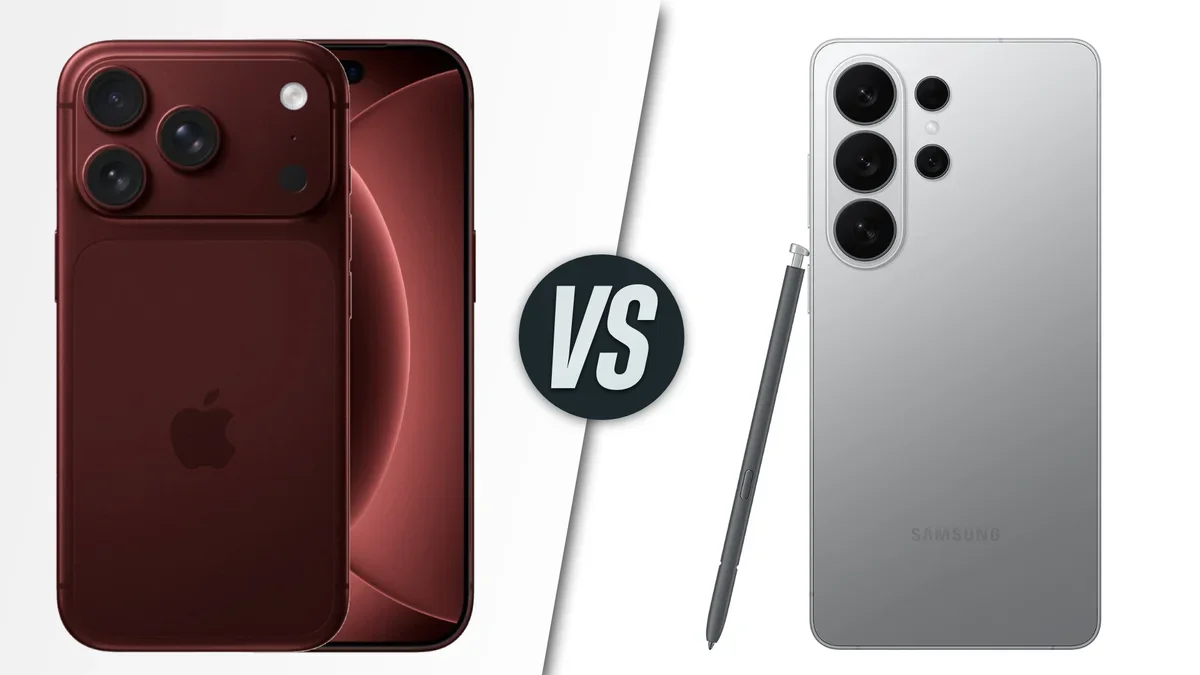
These gadgets are becoming increasingly complex. | Image by PhoneArena
The South Korean media outlet The Elec is pretty well informed when it comes to Samsung and its latest exclusive report is all about the possibility of battery serialization on upcoming Galaxy phones.
Samsung is reportedly planning to equip its Galaxy battery cells with security chips for genuine-product authentication. This, in theory, is aimed at preventing unauthorized batteries from being used in the first place, reducing the risk of fires occurring while charging or using the phone. Unofficially speaking, this means users might have to get spare batteries from Samsung itself (which will make shareholders happy, I guess).
What actually convinces you a phone has good battery life?
142 Votes
50 million phones with such a chip next year
According to well-connected sources, Samsung is expected to install security chips in batteries for upcoming mid-range smartphones such as the Galaxy A series. This would reportedly be the first time Samsung has added a security feature to smartphone batteries specifically for genuine-product authentication.
Recommended For You
As you know, Samsung recommends replacing batteries (when they reach the end of their life) at official service centers. However, some people choose unauthorized batteries from third-party stores because they are cheaper. The quality and safety of such batteries can be difficult to guarantee, potentially leading to battery damage or safety incidents.
The volume currently discussed is estimated at around 50 million units for next year alone. The security chips are expected to be supplied by US-based Analog Devices (ADI) and South Korean company ICTK. Samsung will manufacture the battery packs equipped with the chips, receiving the chips from the suppliers and connecting them to the battery pouches during the pack assembly process.
The unclonable function
Per the report, these security chips will use PUF (Physical Unclonable Function) technology. It acts like a unique digital fingerprint for a microchip, generating a one-of-a-kind security key based on the microscopic, unavoidable manufacturing variations present in every piece of silicon.
Because these unique keys are formed during the manufacturing process, it is difficult to reproduce or clone the same cryptographic value. The chips are reportedly expected to be manufactured using Samsung's 28nm foundry process.
It's about recycling, too
Authenticating whether a battery is genuine could also help with battery recycling, the report goes on. Lithium, one of the key minerals contained in batteries, can be recovered and recycled. So, by identifying the manufacturer and battery information, recyclers can apply processes suited to the battery's characteristics.
So far, this is a speculation. A Samsung Electronics representative said to the media outlet, "We cannot confirm the direction of technology development for next-generation products". Well, we'll keep an eye on it and will let you know if it becomes official.
Apple's way
Apple's iPhone battery verification system (also known as parts pairing or serialization) links cryptographically the microchip inside the battery directly to the phone's logic board.
When a battery is swapped (even if it is an authentic part harvested from an identical iPhone) iOS runs a check and displays an "Unknown Part" warning if the serial number is not officially registered with Apple's servers.
DIY enthusiasts face roadblocks because purchasing genuine replacement parts requires authorizing the repair through Apple's cloud-based diagnostic software to run a post-installation handshake. While an unverified replacement battery can physically power the phone, the persistent warning messages in system settings create a perception that the device is defective.
The Galaxy Watch Ultra 2 is a premium wearable with a rugged yet lightweight design and all sorts of high-end features. It's also equipped with an 800mAh battery, offering plenty of battery life on a single charge. Right now, you can get it with a $250 discount, but an eligible device trade-in is required.
Sebastian is one of PhoneArena’s senior opinionators. A veteran news writer with almost 20 years of experience in media and technology, he not only covers all the hot news about Galaxies and iPhones, but often provides hot takes on industry trends. He’s fascinated with camera-focused flagships from the likes of Oppo and Vivo, as well as foldable phones.
A discussion is a place, where people can voice their opinion, no matter if it
is positive, neutral or negative. However, when posting, one must stay true to the topic, and not just share some
random thoughts, which are not directly related to the matter.
Things that are NOT allowed:
Off-topic talk - you must stick to the subject of discussion
Offensive, hate speech - if you want to say something, say it politely
Spam/Advertisements - these posts are deleted
Multiple accounts - one person can have only one account
Impersonations and offensive nicknames - these accounts get banned
To help keep our community safe and free from spam, we apply temporary limits to newly created accounts:
New accounts created within the last 24 hours may experience restrictions on how frequently they can
post or comment.
These limits are in place as a precaution and will automatically lift.
Moderation is done by humans. We try to be as objective as possible and moderate with zero bias. If you think a
post should be moderated - please, report it.
Have a question about the rules or why you have been moderated/limited/banned? Please,
contact us.









Things that are NOT allowed:
To help keep our community safe and free from spam, we apply temporary limits to newly created accounts: