Samsung Foundry seems to be successfully battling its yield demons
Samsung Foundry plans to mass produce 1.4nm chips in 2029.
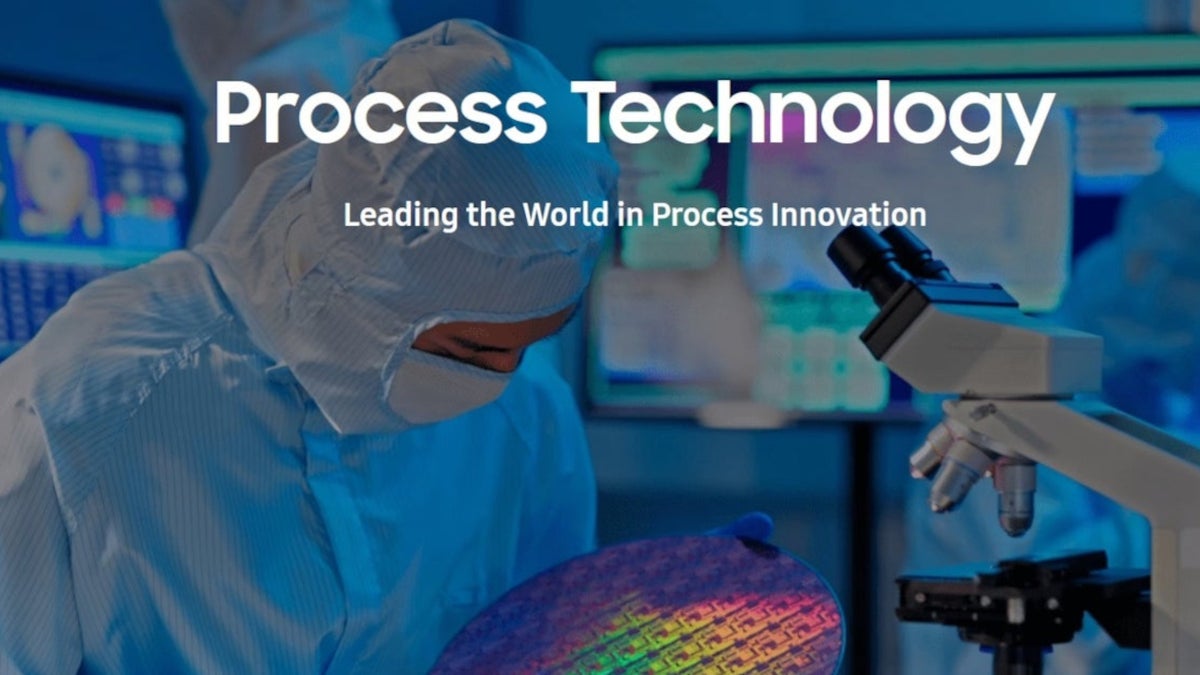
Samsung Foundry to mass produce 1.4nm chip in 2029 | Image by Samsung Foundry
Time moves so fast, wouldn't you agree? Back in 2018 we were writing about TSMC's 7nm chip production and the Apple A12 Bionic application processor (AP). Since then, we've seen the 5nm, 3nm, and 2nm process nodes used to manufacture smartphone processors. Later this year, TSMC is expected to start mass production of the A16 (1.6nm) angstrom-class node, with mass production of the A14 (1.4nm) angstrom-class node starting in 2028.
The first phone powered by a 2nm chip was not an iPhone
While typically the iPhone has been the first device to debut the latest cutting-edge process node, that changed this year. Earlier in 2026, the Samsung Galaxy S26 and Galaxy S26+ were released, equipped with the homegrown 2nm Exynos 2600 AP in Europe, South Korea, India and some other parts of Asia.
What the process node numbers really mean
You might wonder why this is so important. The simple answer is that as process nodes shrink, features on a chip get smaller, including the all-important transistors. Smaller transistors allow for a higher transistor density. This is written as the number of transistors divided by the area of the chip in square millimeters.
The best chips are made from which foundry?
15 Votes
Samsung Foundry (Exynos 2600 for example)
13.33%
TSMC (Apple A19 Pro, Snapdragon 8 Elite Gen 5 for example)
86.67%
Intel
0%
SMIC (Kirin 9030S for example)
0%
A chip with a higher transistor density has increased processing power, but because the increased density means less distance between transistors, less power is used as electrical signals travel shorter distances. This also results in a lower amount of heat generated by the component. The bottom line is that as the process node number shrinks, transistor density rises and these chips become more powerful and give smartphone users better battery life.
Despite having issues with its yield, Samsung Foundry has been one slight step ahead of TSMC as the former started mass-producing 2nm chips a year before TSMC. The secret to staying relevant in the chip industry is similar to the secret of being a successful salesman explained in the move "Glengarry Glen Ross." Instead of "Always Be Closing," top foundries need to "Always Be Creating Cutting-edge Chips."
Samsung Foundry had been battling yield issues
Samsung Foundry is doing this as reports indicate that it has resumed developing 1.4nm chips. The chip manufacturer has been hit with problems that led to low yields. For example, in 2022 a reported 35% yield rate for Samsung Foundry led Qualcomm to move production of the Snapdragon 8 Gen 1 processor to TSMC where it was redesigned and called the Snapdragon 8+ Gen 1.
A 35% yield means that out of every 100 dies diced from a wafer, 35 passed quality control. Such a low yield means that the price per chip rises sharply since additional wafers must be fabricated into chips to make up for the production shortfall. Samsung reportedly charges $20,000 for each silicon wafer used to produce 2nm chips so you can see how costly a low yield is.
Samsung Foundry gets a massive 2nm contract
Originally, Samsung Foundry planned on mass-producing 1.4nm chips as soon as next year. But it seems that the best course of action to take was to improve the 2nm yields before moving ahead. As a result, Samsung Foundry now plans to mass-produce 1.4nm chips by 2029, one year after TSMC starts mass-producing chips at this node.
Don't feel bad for Samsung Foundry, as its focus on improving 2nm yield paid off with a $16.5 billion contract inked by Tesla. The latter will have its 2nm chips, used in its cars, robotics, and AI servers, produced by Samsung Foundry.
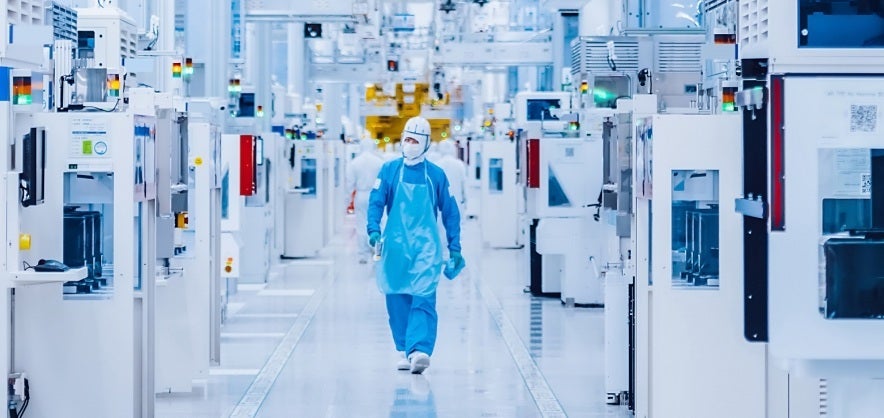
Samsung Foundry has improved its 2nm yield. | Image by Samsung Foundry
Besides TSMC, Samsung might face new competition from Intel as the American chipmaker could end up manufacturing some of Apple's future A-series chips.
Yes, things are changing rapidly with foundries at full capacity thanks to massive demand from AI chip designers. And that led to a huge change at TSMC where Apple is (are you sitting down?) no longer the number one customer. That title was taken from Apple by Nvidia.
Now that Samsung Foundry is turning itself around, and TSMC is busy building AI chips, we wouldn't be surprised to see Qualcomm give Samsung Foundry another chance.


Popular stories






Latest News




Things that are NOT allowed:
To help keep our community safe and free from spam, we apply temporary limits to newly created accounts: