Think the memory crunch isn't affecting you? The smartphone industry disagrees
Apple and Samsung are cited as the two big winners from the memory shortage.
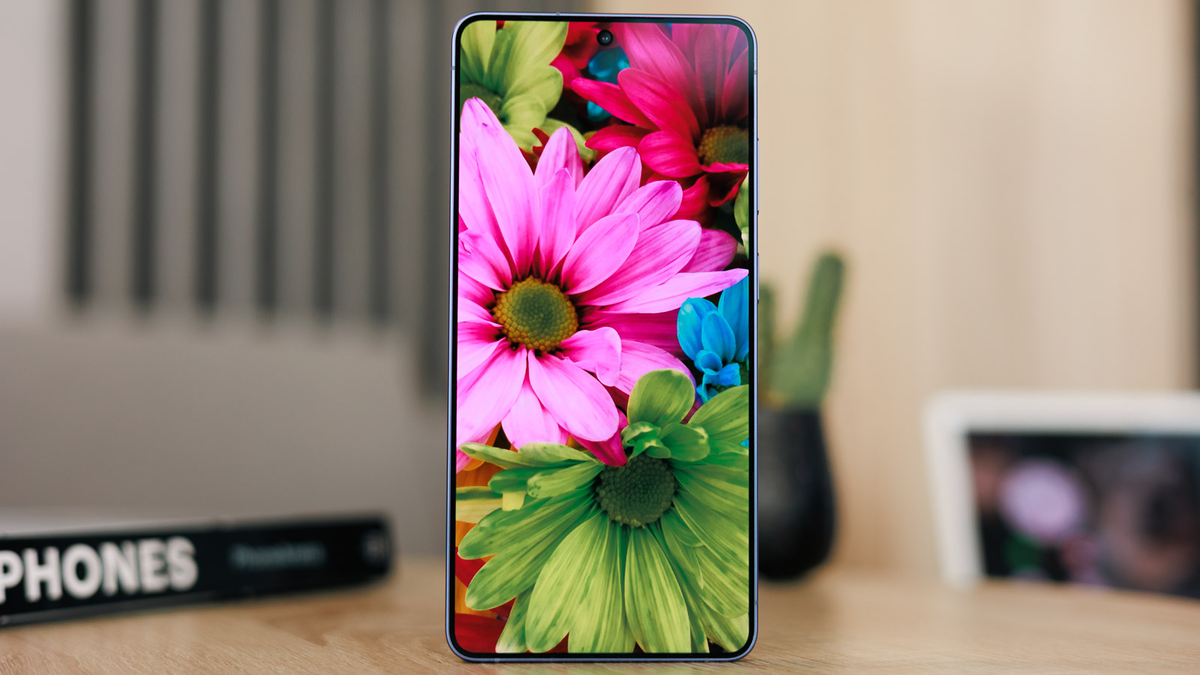
A report suggests Samsung and Apple may have a favorable year ahead. | Image by PhoneArena
In 2026, the tech industry is caught in one of its sharpest component crises in memory (literally!). The supply shortage of DRAM and NAND chips is driving up manufacturing costs across the board, resulting in price hikes across smartphones and tablets. But it seems there's more to come, as suggested by a new report.
Global smartphone shipments to suffer from the memory shortage
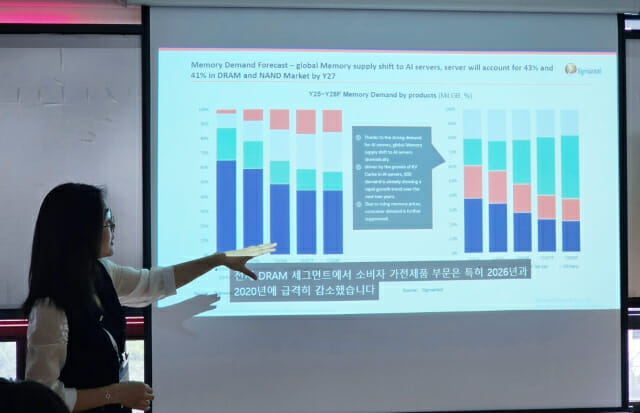
Lisa Lee, CEO of SigmaIntel, shows how the market is changing. | Image by ZDNet Korea
Supply chain insiders (machine translated) are predicting that the memory supply shortage driven by massive investments in AI data centers will continue into 2027.
Citing a SigmaIntel report, the outlet says consumer memory products (the DRAM and NAND used in phones) are becoming increasingly difficult to source. As a result, the global smartphone market is likely to experience a shipment decline this and next year as manufacturers face ongoing component shortages and ever-growing prices.
Reportedly, the global shipments have already begun to decline and are projected to reach around 1.061 billion units, marking a 9% decrease from last year.
A supply shortage of 5 to 6 percent is expected for both DRAM and NAND. While the supply-demand imbalance for DRAM is expected to ease significantly compared to NAND next year, it will still be difficult to completely resolve the supply shortage due to excess demand.
Lisa Lee, CEO of SigmaIntel
2027 could prove even more challenging for the smartphone industry, with insiders warning that global shipments may fall below the 1 billion mark next year if memory prices continue to rise.
For next year, if memory prices stabilize in the first half, we will be able to ship 1.026 billion units. If the upward trend in prices continues until the second half of next year, we could record an all-time low of 976 million units.
Lisa Lee, CEO of SigmaIntel
If only a few brands survive, which one would you trust the most?
36 Votes
Apple
22.22%
Samsung
25%
Google
5.56%
Xiaomi, Oppo, Vivo, Huawei, and other Chinese brands
19.44%
I wouldn't stick to a single brand
16.67%
I'd go with the brand that keeps prices low
11.11%
Big players likely to emerge
Their resilience comes down to two major factors, the first of which is supply chain leverage. As the two biggest players in the industry, Apple and Samsung have a robust, well-established supply chain. Even when memory inventory becomes harder to source, component manufacturers tend to prioritize these two brands over smaller players.
Since premium buyers aren't as price sensitive as users in the low-end and mid-tier segments, Apple and Samsung have more pricing power. They can offset rising component costs through relatively modest price increases without significantly impacting demand, allowing them to maintain strong margins.
Will more brands follow the OnePlus example?
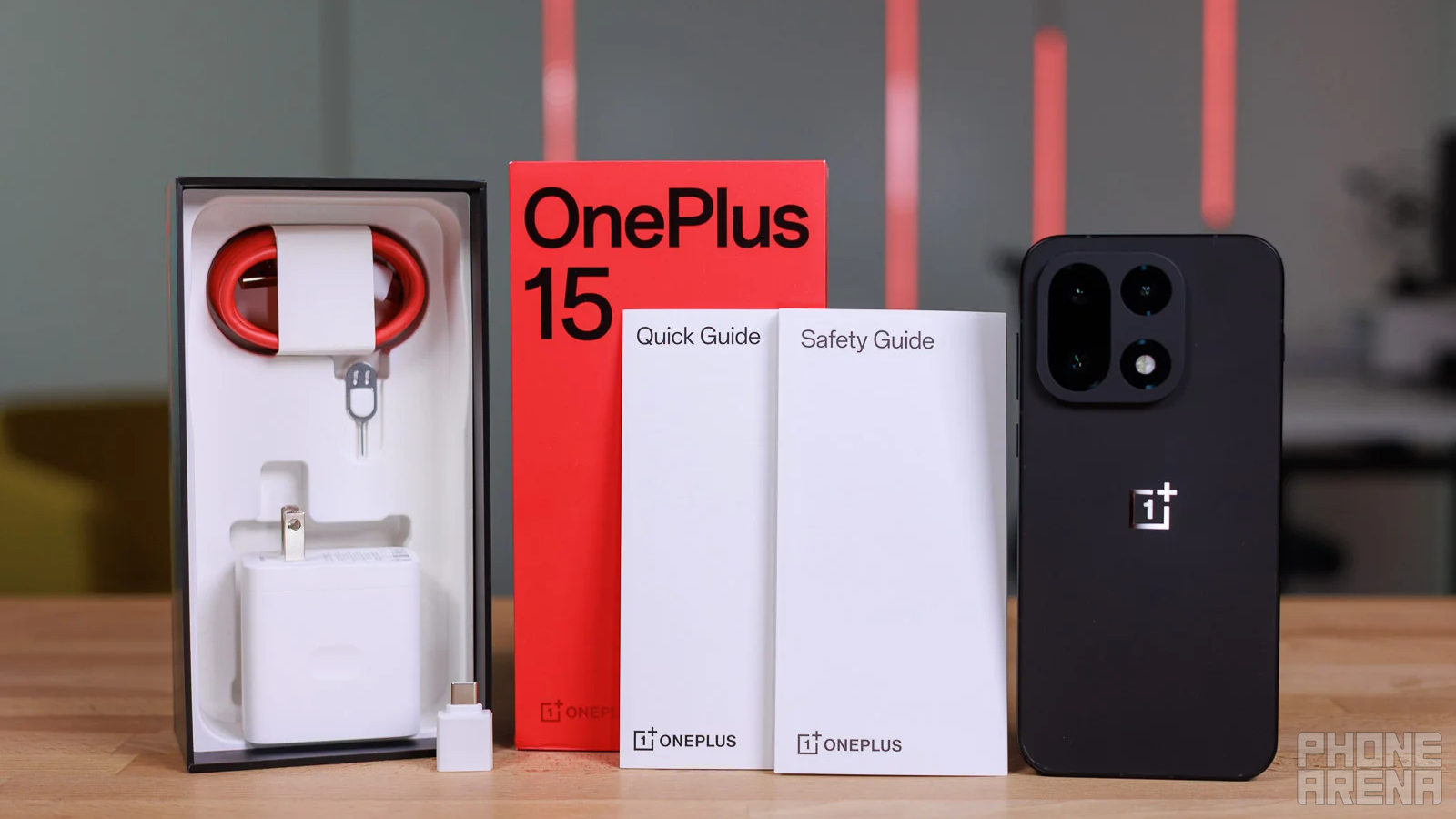
The OnePlus 15 is likely the last flagship from the brand to be available in the US and Europe. | Image by PhoneArena
Although I was eagerly hoping that the worst of the memory crunch would stay in 2026, it seems the problems won't magically disappear in 2027. What's most concerning here is that mid-range brands are likely to feel the most heat.
We’ve already witnessed the retreat of OnePlus in multiple Western markets as its parent company, Oppo, revises its regional strategies. But it's starting to feel like OnePlus is just the first in a line of brands forced to "revise their regional footprints."
If the tendency continues well into 2027, we may enter into 2028 with far fewer brands on shelves than we started with in 2026, not because consumers have stopped buying smartphones, but because competing in this market could become far more difficult.
We’ve already witnessed the retreat of OnePlus in multiple Western markets as its parent company, Oppo, revises its regional strategies. But it's starting to feel like OnePlus is just the first in a line of brands forced to "revise their regional footprints."
If the tendency continues well into 2027, we may enter into 2028 with far fewer brands on shelves than we started with in 2026, not because consumers have stopped buying smartphones, but because competing in this market could become far more difficult.
Are we at a turning point?
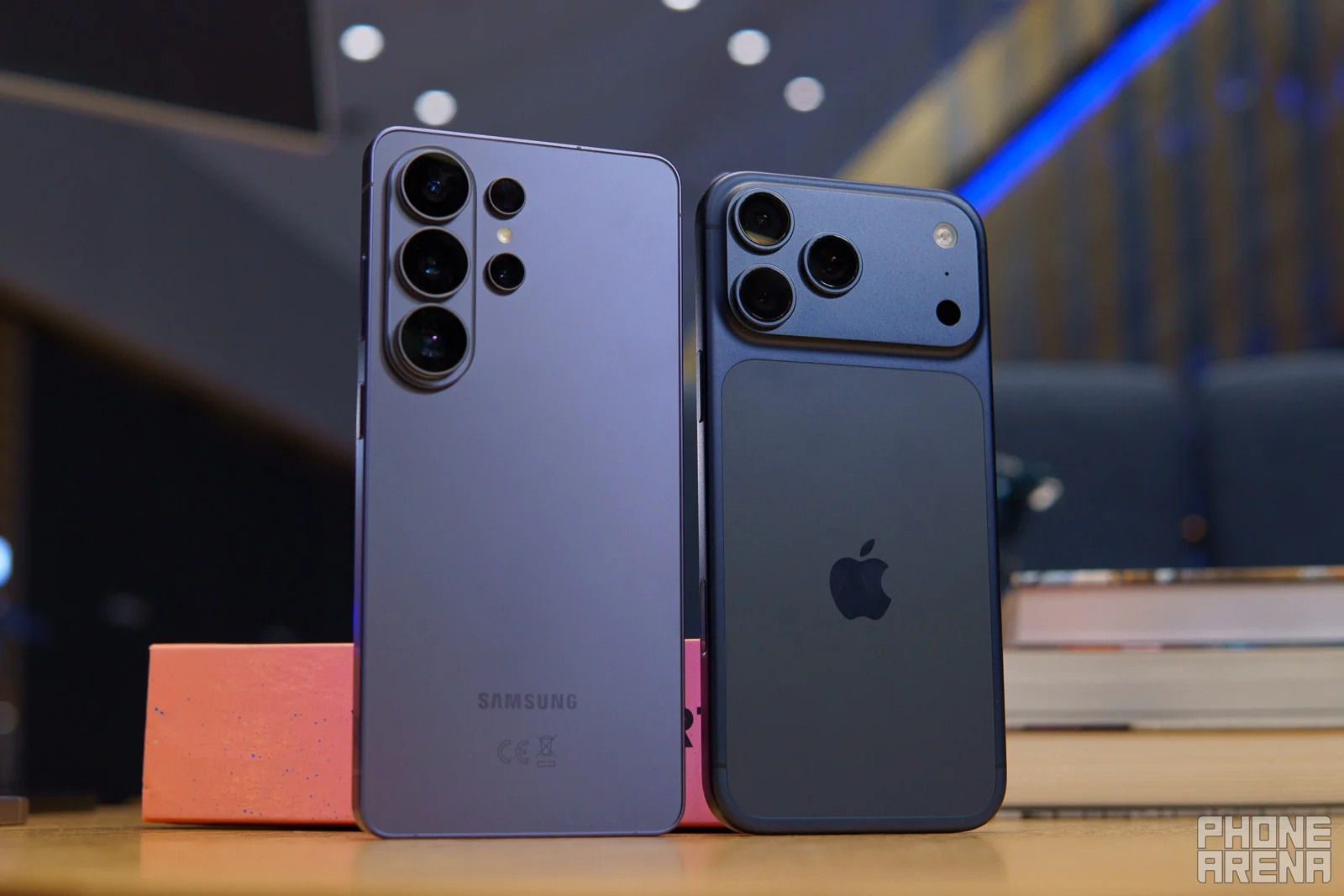
The iPhone 17 Pro Max and the Galaxy S26 Ultra are two of the most powerful phones. | Image by PhoneArena
I won't argue whether the massive investment in AI infrastructure will ultimately be good or bad for the smartphone industry. However, I do think it's already creating a shift that could eventually affect all of us.
And in case you missed it:


Popular stories




Latest News

Things that are NOT allowed:
To help keep our community safe and free from spam, we apply temporary limits to newly created accounts: