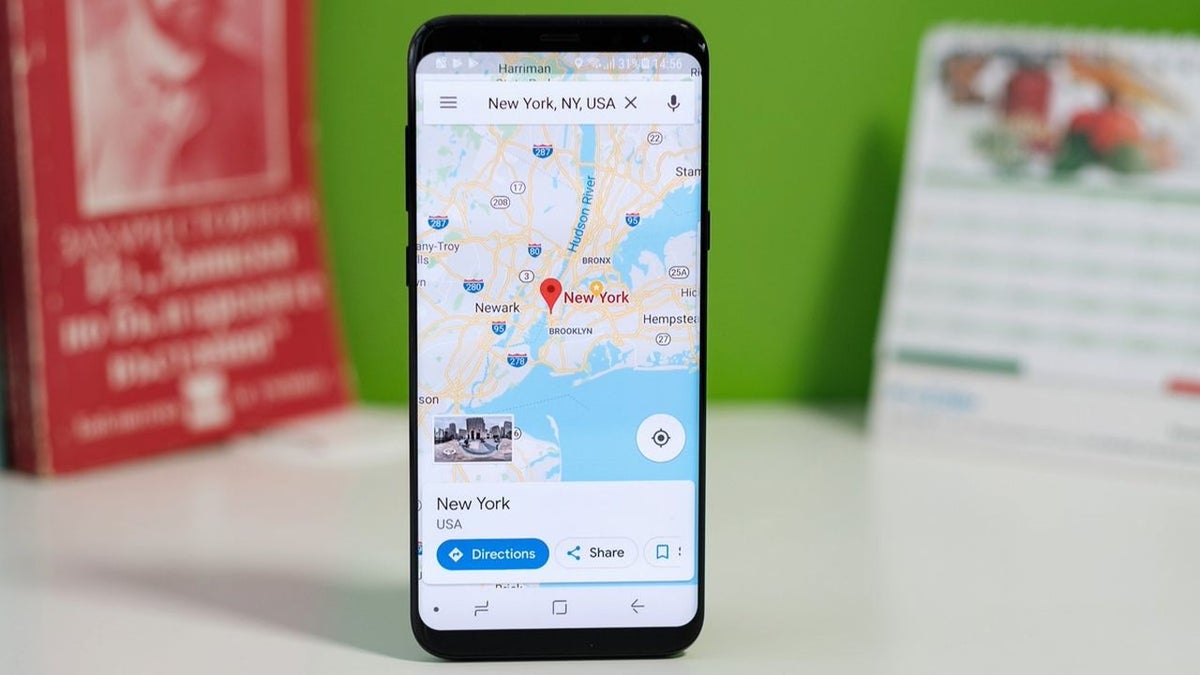
The U.S. Supreme Court has voted 6-3 that smartphone location data requires privacy protection under the Fourth Amendment, Tom's Guide reports. The ruling will make it harder for law enforcement agencies to obtain geolocation data without serious backing, such as detailed description of the scope of search and probable cause.
The Fourth Amendment
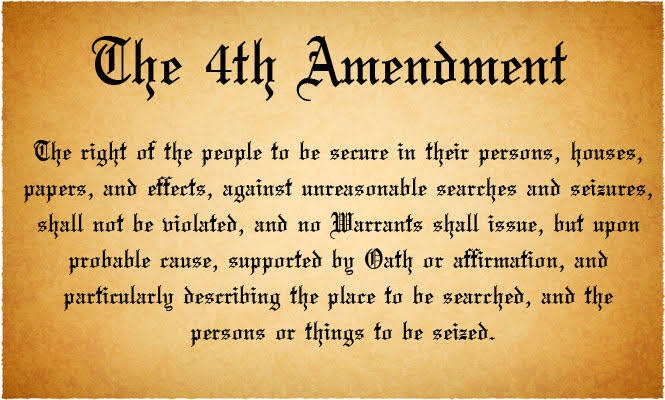
The Fourth Amendment protects you against unreasonable searches. | Image by Leventhal Firm
The Fourth Amendment of the U.S. Constitution protects citizens from unreasonable government searches and seizures without a warrant or probable cause. It grants U.S. citizens a certain level of privacy in their persons, homes, papers, and effects and now extends to their geolocation data as well.
The second clause in the Fourth Amendment is the important one here. It dictates how law enforcement can obtain warrants to conduct searches and, in this case, obtain smartphone location data.
Under the Fourth Amendment, police now will need probable cause to request a warrant for your geolocation data or describe in detail what data is needed and for what reason.
Do you feel safer now that your location data is protected by the Fourth Amendment?
56 Votes
Why now?
Money Heist happens in the real world from time to time. | Image by Netflix
The ruling is actually tied to a court case from 2019, when Virginia police obtained location data from Android phones near the scene of a bank robbery. Google compiled and provided the location of 19 Android phones in the area of the robbery, and the police caught and prosecuted the perpetrators, resulting in a 12-year prison sentence for the main culprit.
Recommended For You
However, lawyers argued that the police search was overly broad and violated his constitutional rights under the Fourth Amendment.
The Supreme Court ruled in favor of this argument, effectively making phone geolocation data protected by the aforementioned Fourth Amendment.
What does it mean for you?
If you're not a criminal or you're not planning anything shady anytime soon, not much. Law enforcement can still request warrants for geolocation data, but it's now legally clear that this data is constitutionally protected and requires a different course of action.
In simple terms, police will need to be pretty specific when trying to obtain these warrants, describing the scope of the search, the details around the specific case, and sound reasoning why this data is needed.
All geolocation data falls under this ruling
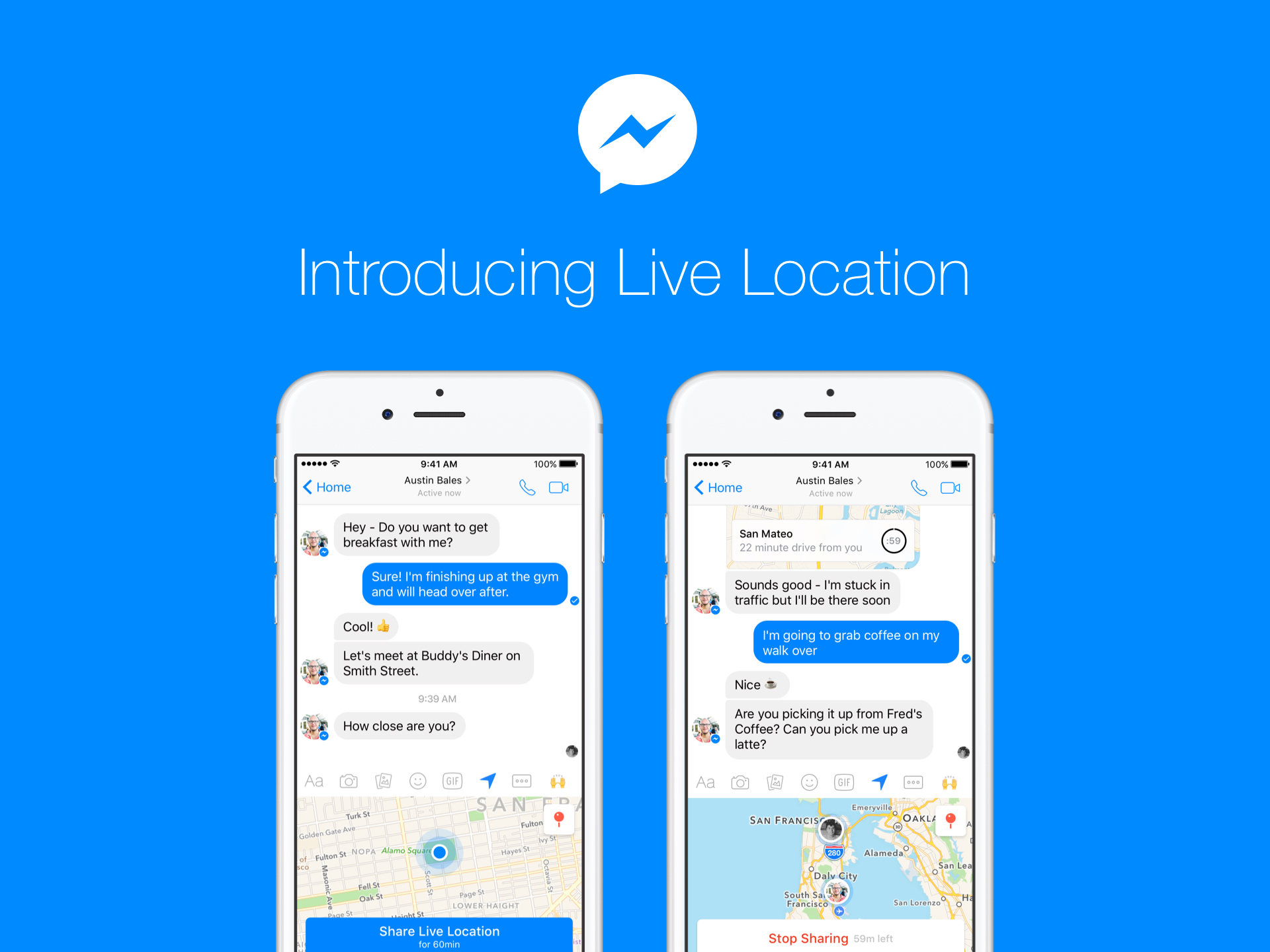
Almost all apps and digital services nowadays track and store our location data. | Image by Meta
Even though the reason for the ruling was a geofence warrant granted by Google, all tech companies need to comply. This includes Apple, Samsung, Garmin, Facebook, and practically every entity that collects and stores geolocation data.
On one hand, this makes it harder for the government to potentially abuse people's privacy without good reason, but it can also be a tool for lawyers in court to help criminals escape justice. What do you think about all this? Do you feel safer now that your geolocation data is protected by the Fourth Amendment?
Mint Mobile's 6-month plans now cost $10/mo
$10
/mo
$35
$25 off (71%)
Mint Mobile is celebrating its 10-year anniversary with a special offer on its six-month subscription plans. For a limited time, you can get your preferred tier (6GB, 17GB, 23GB or unlimited) for just $10/mo. That saves you between 50% and 71% on the carrier's mobile plans, making it way easier to recommend.
Mariyan, a tech enthusiast with a background in Nuclear Physics and Journalism, brings a unique perspective to PhoneArena. His childhood curiosity for gadgets evolved into a professional passion for technology, leading him to the role of Editor-in-Chief at PCWorld Bulgaria before joining PhoneArena. Mariyan's interests range from mainstream Android and iPhone debates to fringe technologies like graphene batteries and nanotechnology. Off-duty, he enjoys playing his electric guitar, practicing Japanese, and revisiting his love for video games and Haruki Murakami's works.
A discussion is a place, where people can voice their opinion, no matter if it
is positive, neutral or negative. However, when posting, one must stay true to the topic, and not just share some
random thoughts, which are not directly related to the matter.
Things that are NOT allowed:
Off-topic talk - you must stick to the subject of discussion
Offensive, hate speech - if you want to say something, say it politely
Spam/Advertisements - these posts are deleted
Multiple accounts - one person can have only one account
Impersonations and offensive nicknames - these accounts get banned
To help keep our community safe and free from spam, we apply temporary limits to newly created accounts:
New accounts created within the last 24 hours may experience restrictions on how frequently they can
post or comment.
These limits are in place as a precaution and will automatically lift.
Moderation is done by humans. We try to be as objective as possible and moderate with zero bias. If you think a
post should be moderated - please, report it.
Have a question about the rules or why you have been moderated/limited/banned? Please,
contact us.













Things that are NOT allowed:
To help keep our community safe and free from spam, we apply temporary limits to newly created accounts: