Say goodbye to anonymous AI-generated text. Anthropic will start to add special invisible watermarks to text generated by its latest AI models. The change comes after the European Union AI Act came into effect on August 2, requiring transparency for AI-generated content.
Future Claude models will add invisible watermarks to your AI-generated texts
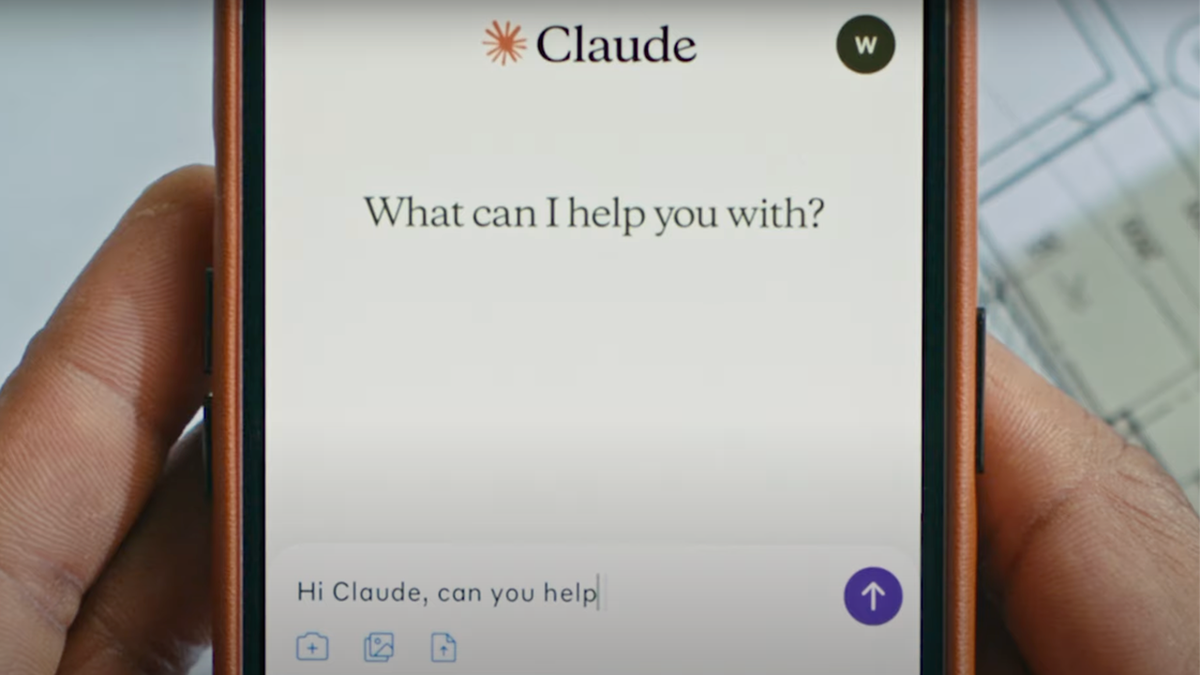
Anthropic posted an update to its official support page, stating that all new Claude models launched after August 2 will support something called "machine-readable marking" from the day they launch.
When a supported Claude model generates text, it weaves an imperceptible watermark directly into the text itself. You won’t see it, and it doesn’t change the meaning, quality, or readability of Claude’s response. Because the watermark is part of the text, it will travel with the text when it’s copied and pasted elsewhere, and may persist through some editing. Watermarking will be applied at the model level, which means it will be present no matter which Claude product or surface the text comes from.
- Claude official support page, Anthropic, 8/11/26
This "watermark" will be embedded into the generated text, but it will be invisible to the users. Anthropic also says that the marking won't affect Claude's response in any way. This "watermark" will work at the model level, applying to Claude, the Claude API, Claude Code, Claude Cowork, and Claude Tag, and all platforms that use these AI tools.
Recommended For You
Do you think adding a watermark is a solution for AI-generated content?
133 Votes
Anthropic is rolling the change worldwide
EU's Artificial Intelligence Act came into effect on August 2. | Image by EU
Even though EU regulations prompted the move from Anthropic, the company says the change will apply worldwide.
The "watermark" won't be tied to the way you access Claude. Models accessed through AWS, Google Cloud, or Microsoft Foundry will also have the tag. This "watermark" will stay with the text even if it's copied and pasted and will survive editing, clearing formatting, and other tricks meant to remove it.
Not an AI-checker tool
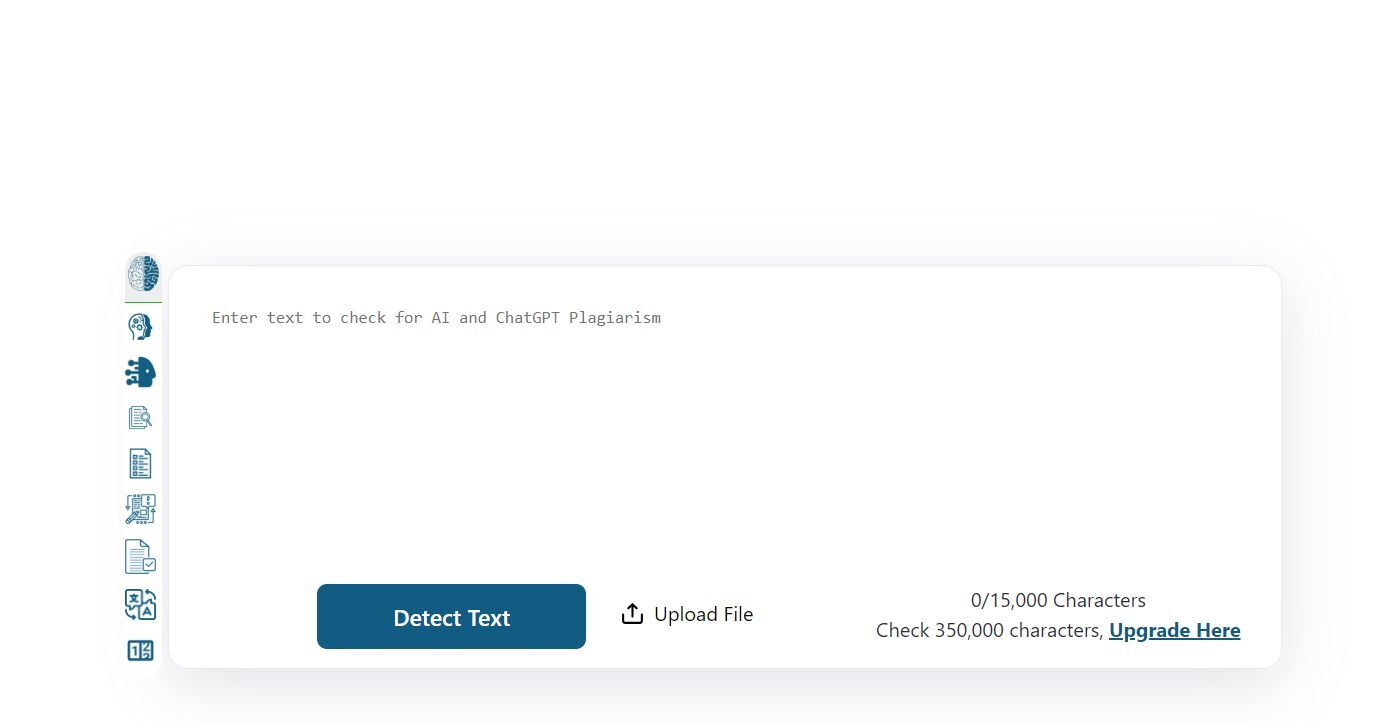
The new watermark is not meant to be a definitive AI test. | Image by ZeroGPT
Anthropic stresses that this new "watermark" is not meant to be a definitive test of whether someone has used AI for creative work or not. A positive result for the "watermark" means that Claude has tinkered with the content. This includes proofreading, grammar checks, translation, summaries, etc.
Vice versa, If the watermark is missing, this doesn't definitively prove that the content is created by a human. Combining Claude-generated content with other AI agents or heavy editing can destroy the "watermark."
Will hidden watermarks finally kill fake human work?
Companies are pushing hard to offer new AI tricks. | Image by Samsung
I don't think so, but it's definitely a step in the right direction. Anthropic said that it will publish specific mechanisms and tools for detecting the "watermark," but at the moment these detection mechanisms remain a mystery.
The EU's transparency code, described in Article 50 of the AI Act, requires all AI-generated content to be clearly marked.
Anthropic isn't the sole AI company to comply with these new regulations. Google announced that it will sign the EU Act, and Meta also confirmed it will participate. The EU AI Act includes a six-month transition period for past AI models, so all versions will eventually have to comply with the regulation. For now, the new rules are in effect for all new AI model versions launched after August 2nd.
Do you think adding a "watermark" to AI-generated text will solve the ongoing crisis with people passing AI content as their own?
And in case you're interested in everything AI, check out these:
On the Visible+ Pro plan, you get access to 5G Ultra Wideband data on Verizon's fastest network. Along with unlimited roaming across Mexico and Canada, 2 days of Global Pass per month, 3x hotspot speeds, 4K streaming, and Smartwatch service.
Mariyan, a tech enthusiast with a background in Nuclear Physics and Journalism, brings a unique perspective to PhoneArena. His childhood curiosity for gadgets evolved into a professional passion for technology, leading him to the role of Editor-in-Chief at PCWorld Bulgaria before joining PhoneArena. Mariyan's interests range from mainstream Android and iPhone debates to fringe technologies like graphene batteries and nanotechnology. Off-duty, he enjoys playing his electric guitar, practicing Japanese, and revisiting his love for video games and Haruki Murakami's works.
A discussion is a place, where people can voice their opinion, no matter if it
is positive, neutral or negative. However, when posting, one must stay true to the topic, and not just share some
random thoughts, which are not directly related to the matter.
Things that are NOT allowed:
Off-topic talk - you must stick to the subject of discussion
Offensive, hate speech - if you want to say something, say it politely
Spam/Advertisements - these posts are deleted
Multiple accounts - one person can have only one account
Impersonations and offensive nicknames - these accounts get banned
To help keep our community safe and free from spam, we apply temporary limits to newly created accounts:
New accounts created within the last 24 hours may experience restrictions on how frequently they can
post or comment.
These limits are in place as a precaution and will automatically lift.
Moderation is done by humans. We try to be as objective as possible and moderate with zero bias. If you think a
post should be moderated - please, report it.
Have a question about the rules or why you have been moderated/limited/banned? Please,
contact us.











Things that are NOT allowed:
To help keep our community safe and free from spam, we apply temporary limits to newly created accounts: