The iPhone 18 Pro features one big camera improvement — a variable aperture. However, the stock camera app only lets you choose from four stops between ƒ/1.48 and ƒ/4.0 (ƒ/1.48, ƒ/1.8, ƒ/2.8, and ƒ/4.0). Now, the award-winning camera app Halide Mark III has been updated to support the iPhone 18 Pro's variable aperture, allowing you to select any ƒ-stop setting within the camera's full range.
Halide Mark III adds variable aperture support for iPhone 18 Pro
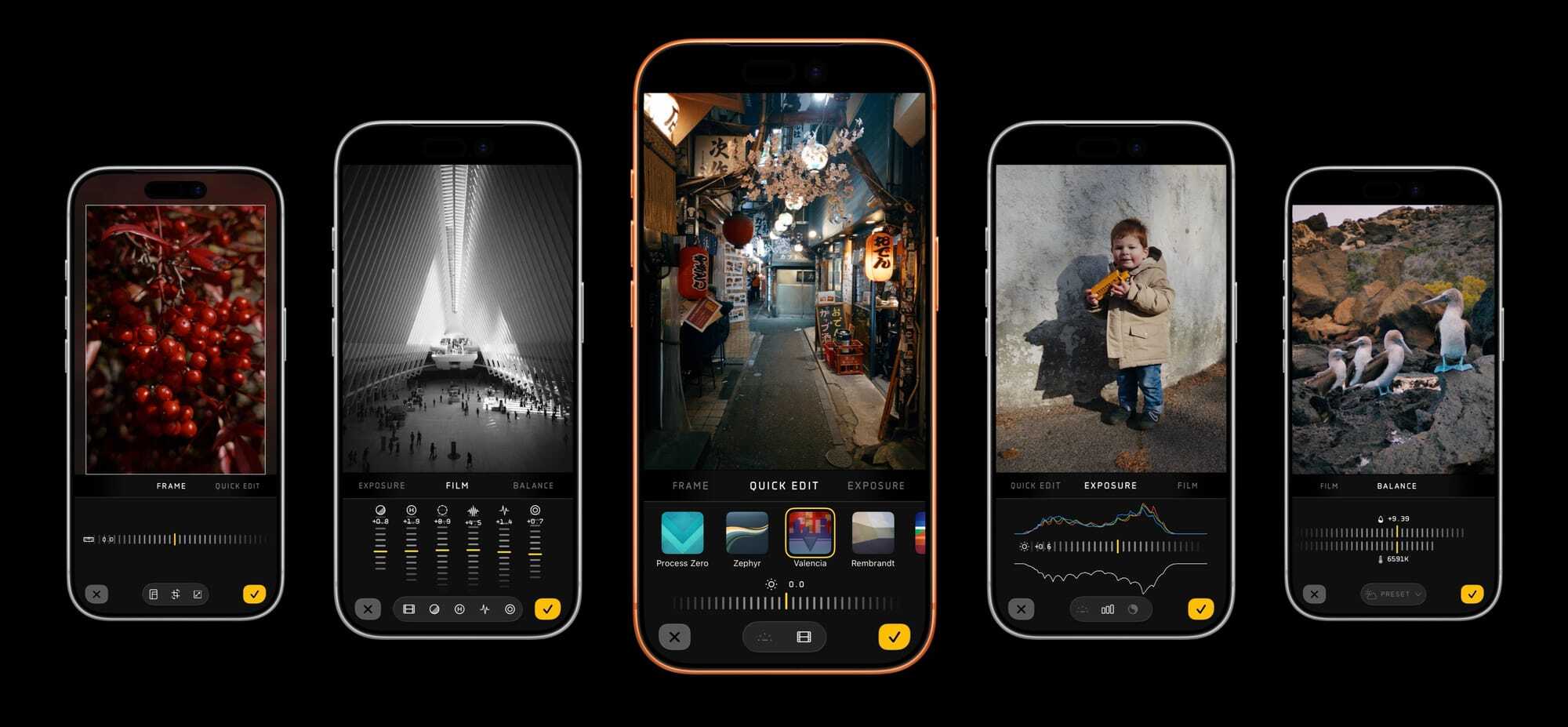
The latest Halide update adds support for variable aperture on the iPhone 18 Pro. | Image by Lux Camera
Our good friends at MacRumors have spotted the update, reporting that version 3.2 of the Halide Mark III app now supports the iPhone 18 Pro's variable aperture system.
Unlike the stock iPhone 18 camera app, Halide Mark III allows you to select virtually any aperture within the physical range of ƒ/1.48 to ƒ/4.0 on the iPhone 18 Pro's main camera.
In fact, the app has two dedicated modes for the iPhone 18 Pro. Aperture Priority mode is, as the name suggests, a setting where you select the aperture and let the app control the shutter speed and ISO.
There's also a full Manual mode that gives you complete control over ISO, aperture, and shutter speed for total creative freedom.
Halide is also considering adding aperture presets based on user feedback in future updates.
What is camera aperture?
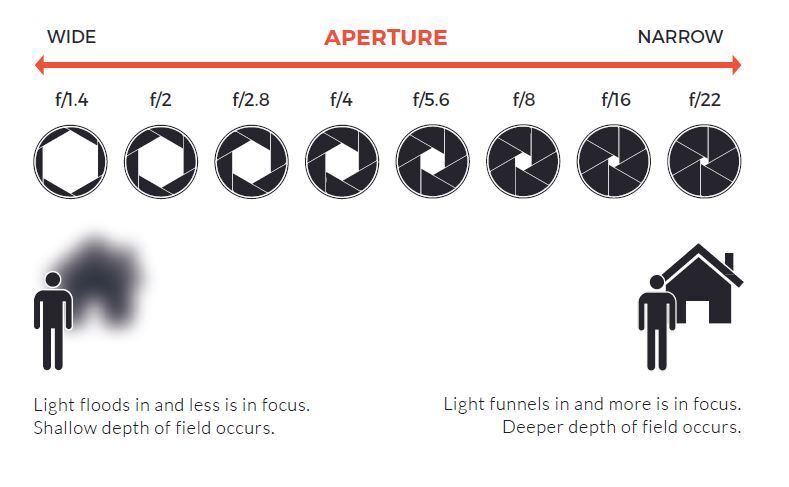
Camera aperture explained. | Image by City Academy
Aperture is the adjustable opening inside a camera lens that controls how much light reaches the camera sensor. It's very similar to the pupil in your eye, which opens wide in dark environments to let more light onto your retina and contracts in bright daylight to protect the eye.
Recommended For You
In photography, there's another effect closely tied to aperture — depth of field. When the aperture value is low (meaning the diaphragm is fully open), it results in a shallow depth of field — the background is blurred and focus is locked on a tight spot in front of the lens (the so-called bokeh effect).
Closing the diaphragm (using larger f-stop numbers) keeps everything sharp from the foreground to the horizon, which is great for landscapes.
What do you think about the variable aperture feature on the iPhone 18 Pro?
4 Votes
Not the first phone to get variable aperture
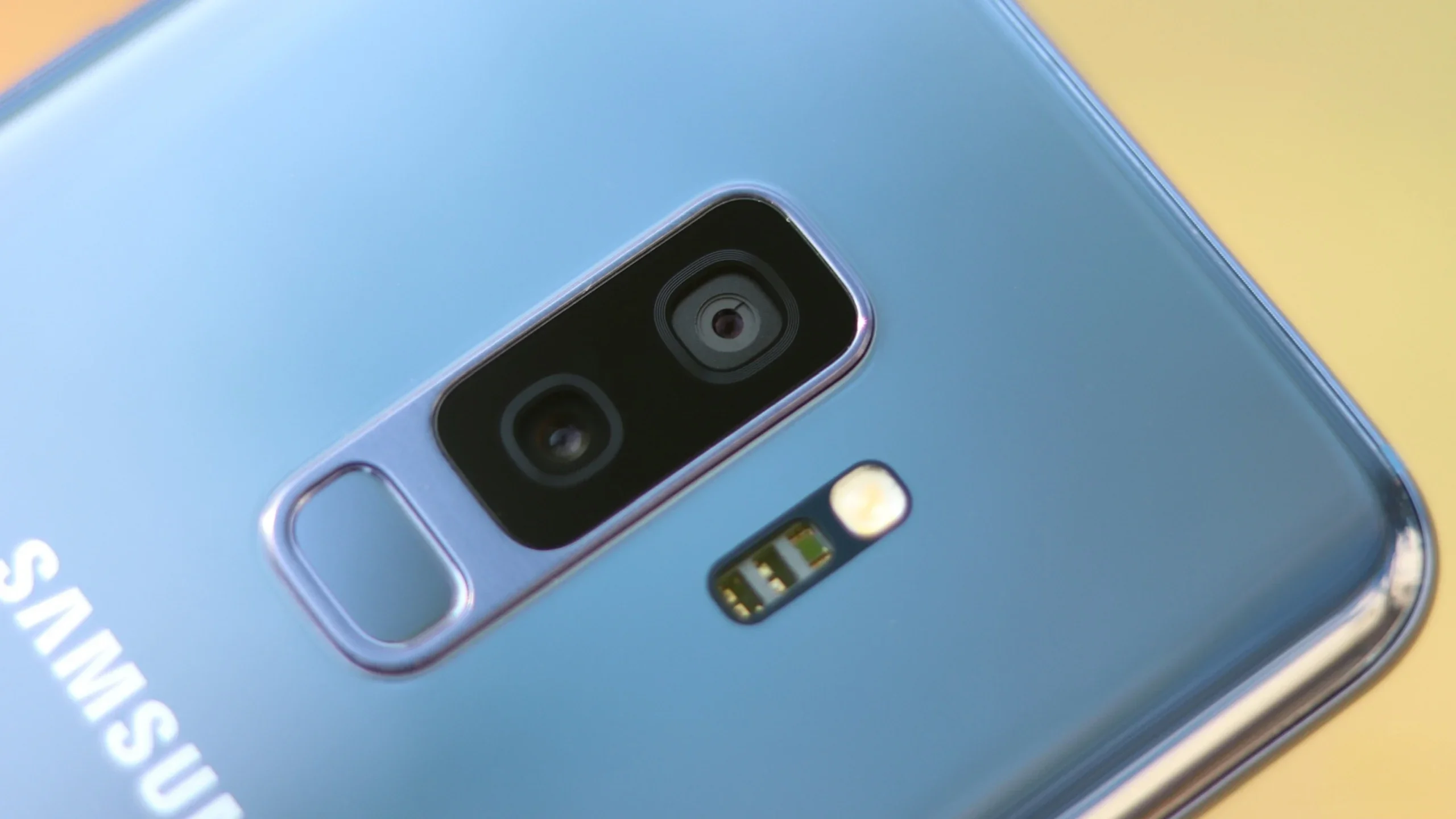
The Galaxy S9 and S9+ feature a two-step physical aperture system. | Image by CNET
Samsung tested a two-step aperture on the Galaxy S9 and S9+ back in 2018. The system automatically switched between ƒ/1.5 and ƒ/2.4 to control the amount of light hitting the camera, allowing for better low-light performance when needed.
Samsung abandoned the system after the Galaxy S10, but another brand picked up the idea and perfected it.
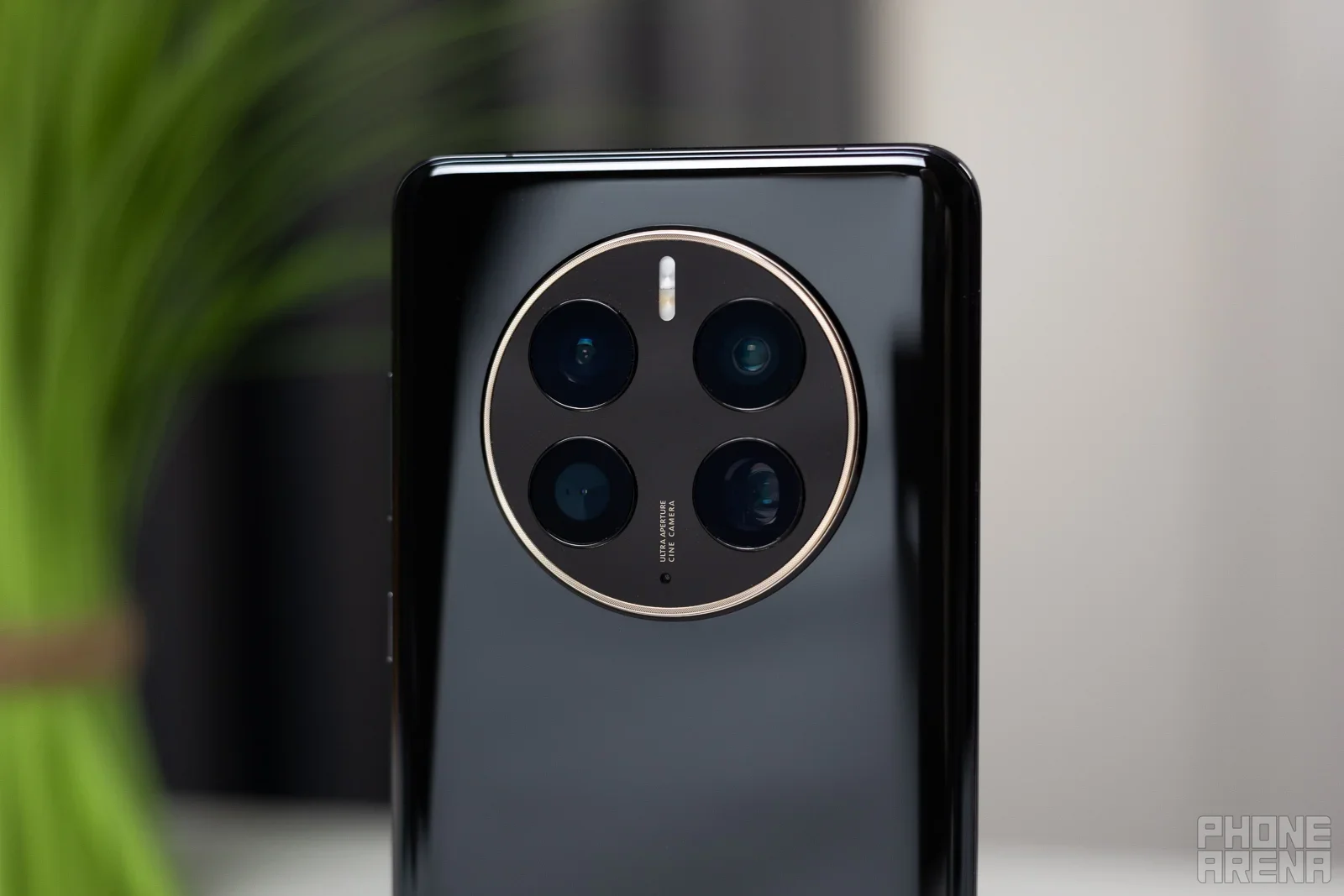
The Huawei Mate 50 Pro features a very similar variable aperture system to the one used on the iPhone 18 Pro. | Image by PhoneArena
Huawei introduced variable aperture on the Huawei Mate 50 Pro, offering adjustable ƒ-stops between ƒ/1.4 and ƒ/4.0.
I reviewed the Huawei Mate 50 Pro, and I can attest that the system inside the iPhone 18 Pro feels very similar to the one Huawei launched back in 2022.
Is a variable aperture a big deal in smartphones?
I don't think so. First of all, there are powerful software algorithms that can mimic the bokeh effect quite convincingly. When the diameter of the lens is as small as it is on most smartphones, the optical effect is also not that pronounced.
As for the light-gathering argument, a camera system without a physical diaphragm to restrict the aperture gathers the maximum amount of light by default. Adding a variable aperture system only limits the light hitting the sensor.
One might argue that this aperture system allows for a wider lens — the iPhone 17 Pro has a fixed ƒ/1.78 aperture, so Apple did allow for more light to enter the iPhone 18 Pro by opting for a ƒ/1.48 aperture when the diaphragm is fully open.
If you want to control the aperture of your iPhone 18 Pro more precisely, you can download the Halide 3.2 app from the App Store. Bear in mind that the app is not cheap at $69.99, but at least it's a one-time purchase.
Read more about cool new smartphone camera features here:
Mariyan, a tech enthusiast with a background in Nuclear Physics and Journalism, brings a unique perspective to PhoneArena. His childhood curiosity for gadgets evolved into a professional passion for technology, leading him to the role of Editor-in-Chief at PCWorld Bulgaria before joining PhoneArena. Mariyan's interests range from mainstream Android and iPhone debates to fringe technologies like graphene batteries and nanotechnology. Off-duty, he enjoys playing his electric guitar, practicing Japanese, and revisiting his love for video games and Haruki Murakami's works.
A discussion is a place, where people can voice their opinion, no matter if it
is positive, neutral or negative. However, when posting, one must stay true to the topic, and not just share some
random thoughts, which are not directly related to the matter.
Things that are NOT allowed:
Off-topic talk - you must stick to the subject of discussion
Offensive, hate speech - if you want to say something, say it politely
Spam/Advertisements - these posts are deleted
Multiple accounts - one person can have only one account
Impersonations and offensive nicknames - these accounts get banned
To help keep our community safe and free from spam, we apply temporary limits to newly created accounts:
New accounts created within the last 24 hours may experience restrictions on how frequently they can
post or comment.
These limits are in place as a precaution and will automatically lift.
Moderation is done by humans. We try to be as objective as possible and moderate with zero bias. If you think a
post should be moderated - please, report it.
Have a question about the rules or why you have been moderated/limited/banned? Please,
contact us.







![Another batch of Galaxy S26 series users in the US are getting a nice surprise today [UPDATED]](https://m-cdn.phonearena.com/images/article/183643-wide-two_350/Another-batch-of-Galaxy-S26-series-users-in-the-US-are-getting-a-nice-surprise-today-UPDATED.webp)
Things that are NOT allowed:
To help keep our community safe and free from spam, we apply temporary limits to newly created accounts: