Apple is in a legal pickle that has a record-breaking patent infringement penalty attached to it: $5.7 billion (yes, with a "b") in damages.
And it's about the way your iPhone 18 Pro—and other iPhones and Apple Watch models, too, for that matter—vibrate.
The San Diego federal jury
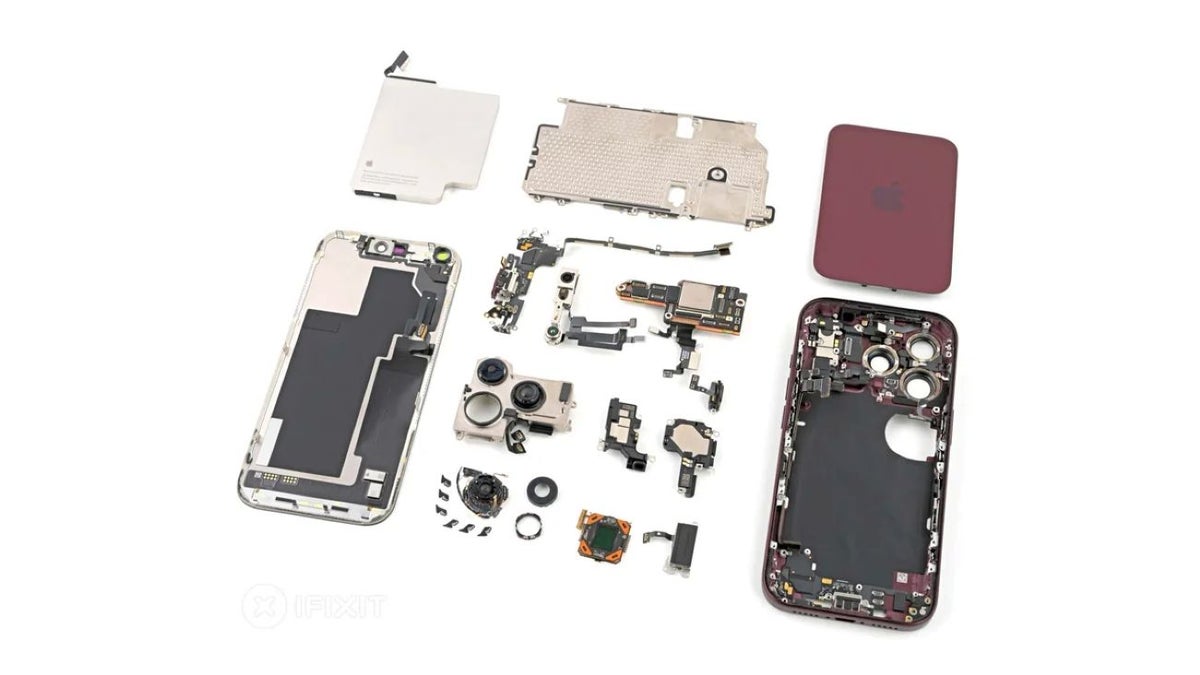
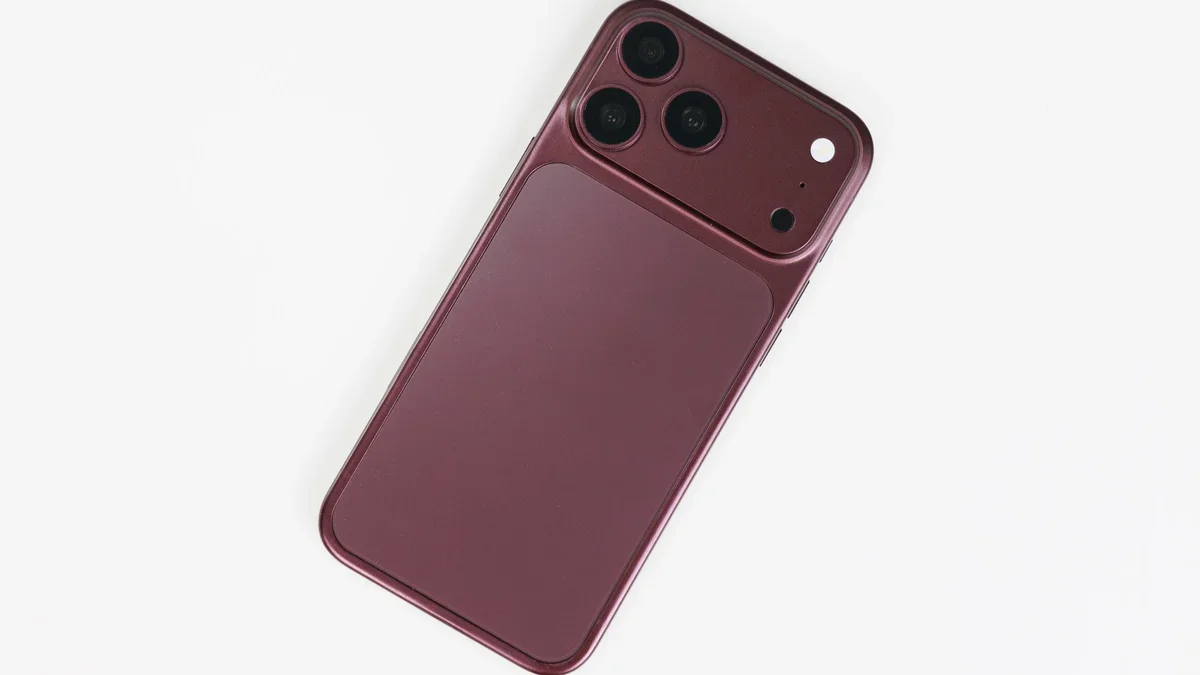
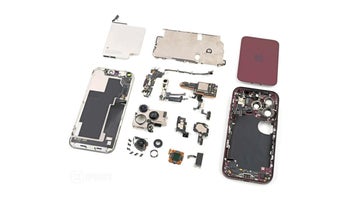
iPhone 18 Pro for illustrative purposes. | Image by Apple
Now, a federal jury in San Diego has ordered Apple to pay more than $5.7 billion to Taction Technology after finding that Apple infringed two of the company's haptics patents.
The lawsuit focused on two US patents (No. 10,659,885 and No. 10,820,117), which cover vibration technology that lets iPhone users feel the device respond to their actions. Taction claimed Apple's Taptic Engine, used in iPhones and Apple Watches, uses technology covered by these patents without permission or a license.
How important is haptic feedback for you?
1 Votes
What Apple said
Apple pushed back strongly against the verdict, saying (to CNBC) it disagrees with both the jury's decision and the more than $5.7 billion in damages. The company argued that its Taptic Engine is fundamentally different from the technology covered by Taction's patents and pointed to testing of Apple's products presented during the trial as support for its position.
Apple also maintained that it never used Taction's patented technology in the first place. The company said it plans to appeal the verdict.
Recommended For You
Taction, meanwhile, welcomed the jury's decision, saying the verdict confirmed the company's patent rights. Its lead attorney also pointed out that Taction had been waiting five and a half years for the case to finally reach trial, making the ruling a long-awaited result for the company.
The Taptic Engine revolution
It's been more than ten years since Apple rolled out the Taptic Engine. Tim Cook's company (now headed by John Ternus) was really proud of the new haptic feedback system.
Up until then, phones generally relied on basic vibration motors, either rotary designs with an unbalanced weight or compact coin-shaped motors. Apple's then Taptic Engine raised the bar by delivering more precise, varied haptic feedback, from different intensity levels to simulated physical clicks and motion, while also synchronizing vibrations with ringtones and making interactions feel more natural.
Fun fact of the day: Apple's Taptic Engine debuted on the Apple Watch in 2014 and it was such a success that it was quickly adopted by other Cupertino products and the iPhone.
This dispute isn't brand new
Things got heated in 2021, when the Taction company brought Apple to court. The plaintiffs claimed that whatever Apple was using (in terms of a haptic feedback system) was developed by Taction, but in 2023, a San Diego federal judge ruled that Apple didn't infringe their patents.
What happened in 2025 was that the US Court of Appeals for the Federal Circuit revived the case in 2025… and here we are.
On the Visible+ Pro plan, you get access to 5G Ultra Wideband data on Verizon's fastest network. Along with unlimited roaming across Mexico and Canada, 2 days of Global Pass per month, 3x hotspot speeds, 4K streaming, and Smartwatch service.
Sebastian is one of PhoneArena’s senior opinionators. A veteran news writer with almost 20 years of experience in media and technology, he not only covers all the hot news about Galaxies and iPhones, but often provides hot takes on industry trends. He’s fascinated with camera-focused flagships from the likes of Oppo and Vivo, as well as foldable phones.
A discussion is a place, where people can voice their opinion, no matter if it
is positive, neutral or negative. However, when posting, one must stay true to the topic, and not just share some
random thoughts, which are not directly related to the matter.
Things that are NOT allowed:
Off-topic talk - you must stick to the subject of discussion
Offensive, hate speech - if you want to say something, say it politely
Spam/Advertisements - these posts are deleted
Multiple accounts - one person can have only one account
Impersonations and offensive nicknames - these accounts get banned
To help keep our community safe and free from spam, we apply temporary limits to newly created accounts:
New accounts created within the last 24 hours may experience restrictions on how frequently they can
post or comment.
These limits are in place as a precaution and will automatically lift.
Moderation is done by humans. We try to be as objective as possible and moderate with zero bias. If you think a
post should be moderated - please, report it.
Have a question about the rules or why you have been moderated/limited/banned? Please,
contact us.







Things that are NOT allowed:
To help keep our community safe and free from spam, we apply temporary limits to newly created accounts: