We are reaching a multi-pronged evolution jump in mobile tech, and it has absolutely nothing to do with software. The elephant in the room that everyone has been ignoring for way too long is that Li-ion cell that keeps your screen on for… honestly too long nowadays, can we admit that?
Right now, the mobile industry is standing at a volatile crossroads. On one side, EU lawmakers are trying to force tech giants to change how phones are built. On the other side, materials scientists are scrambling to rediscover alchemy and find the next magic battery.
And it’s a time for excitement… and uncertainty.
Prong 1: The regulatory hammer (Right to Repair)
There is a massive legal silver lining hitting the market on July 31st, 2026 (yup, in a couple of weeks). The EU’s Right to Repair (R2R) directives are kicking in, forcing mobile devices to be built for home repair.
The texts state that, going forward, parts should be removable with “commonly available” tools, which could spell the end of the sticky goo that’s so hard to pry open.
But, more importantly, there’s another directive coming in 2027 — the replaceable battery is to make a return. If the law passes, manufacturers will have to design devices in such a way that you, the user, would be able to buy a loose battery, open your phone, and swap the old one out.
Recommended For You
The corporate backdoor
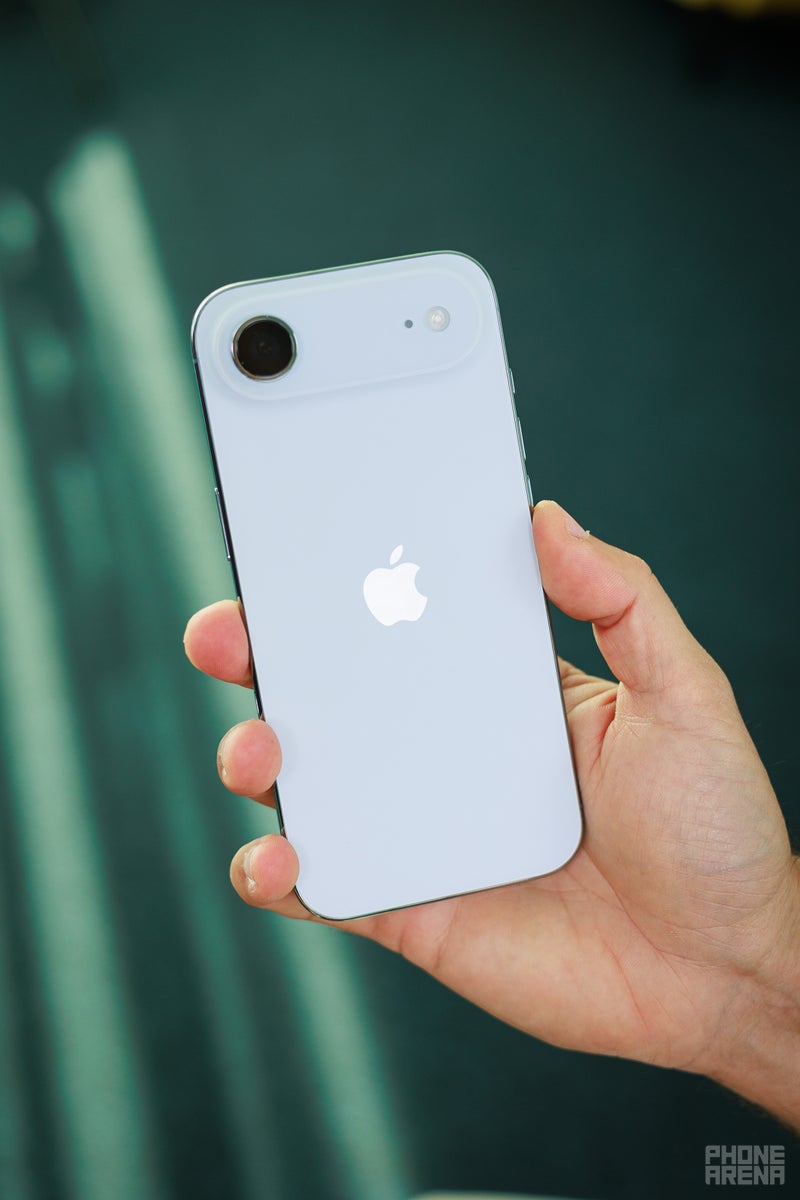
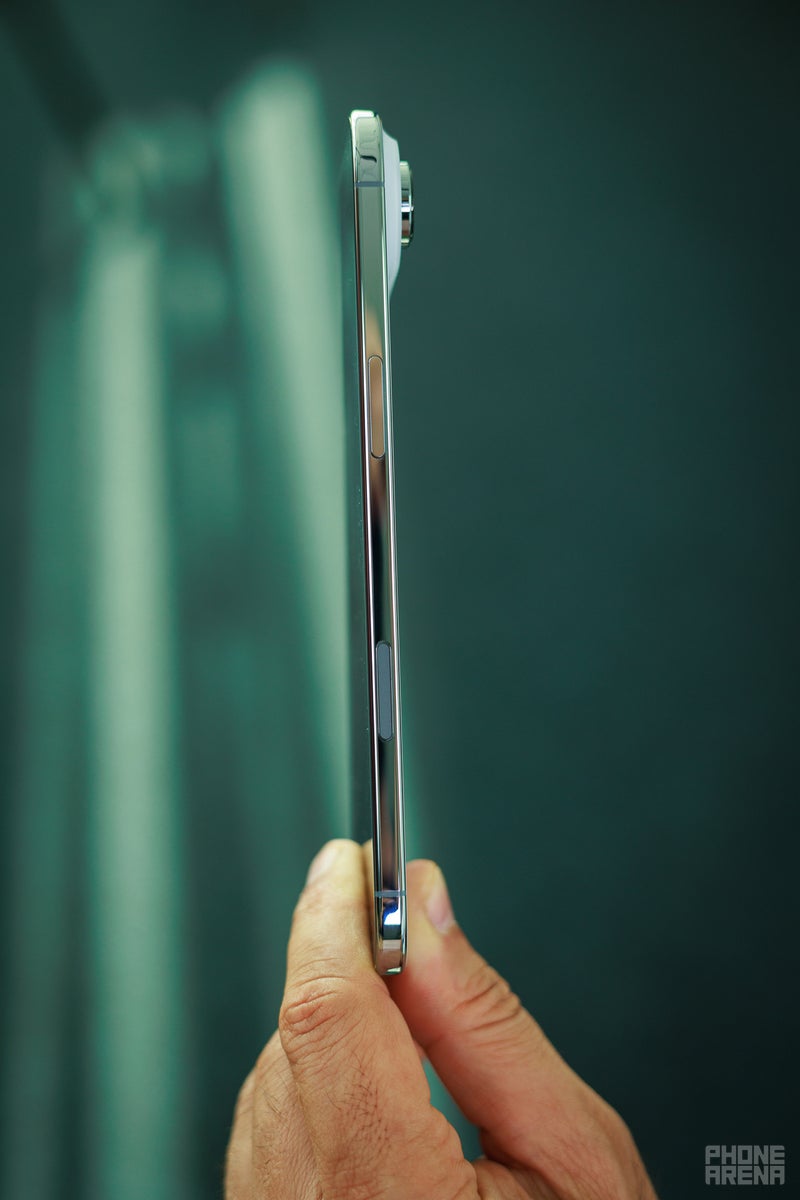
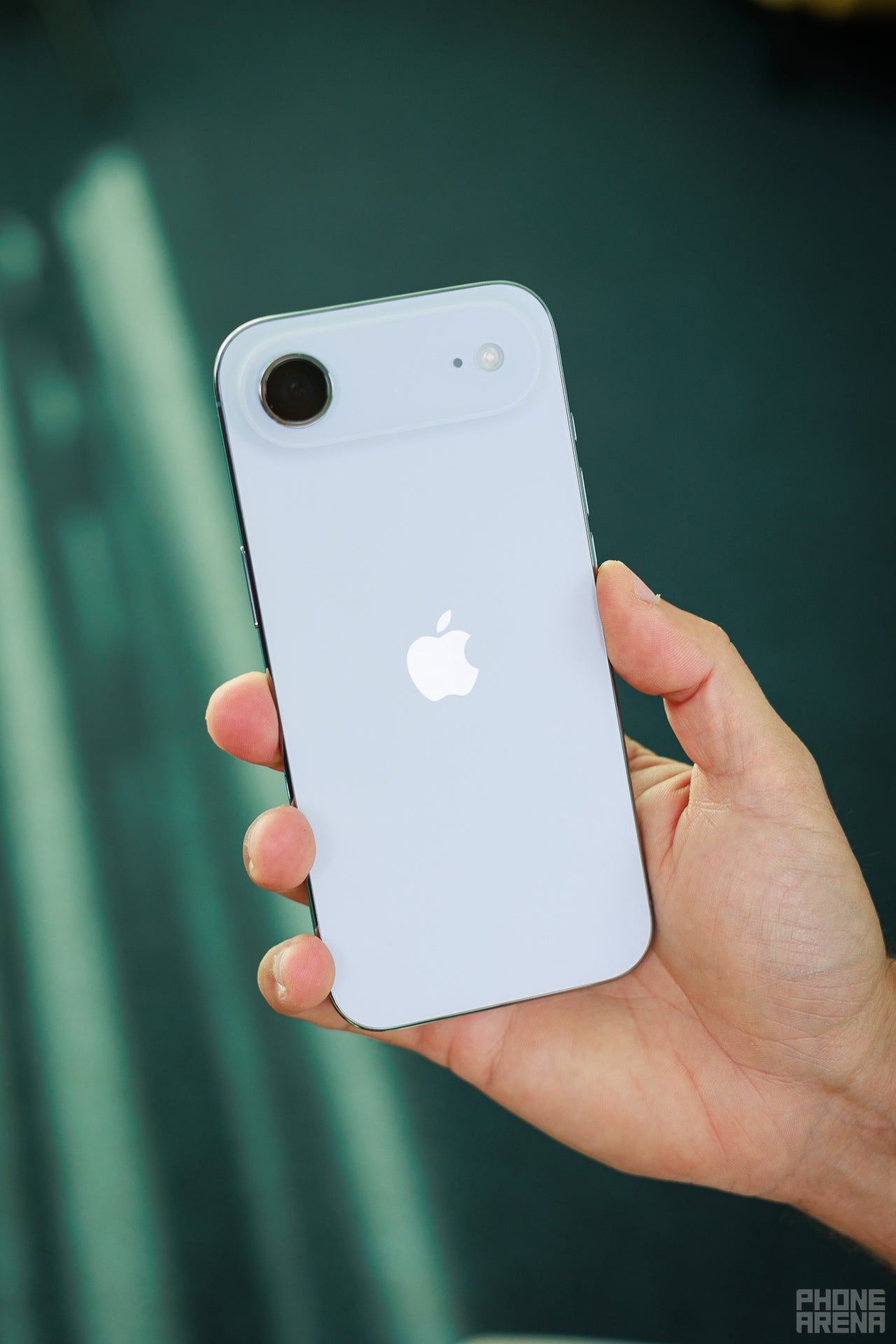
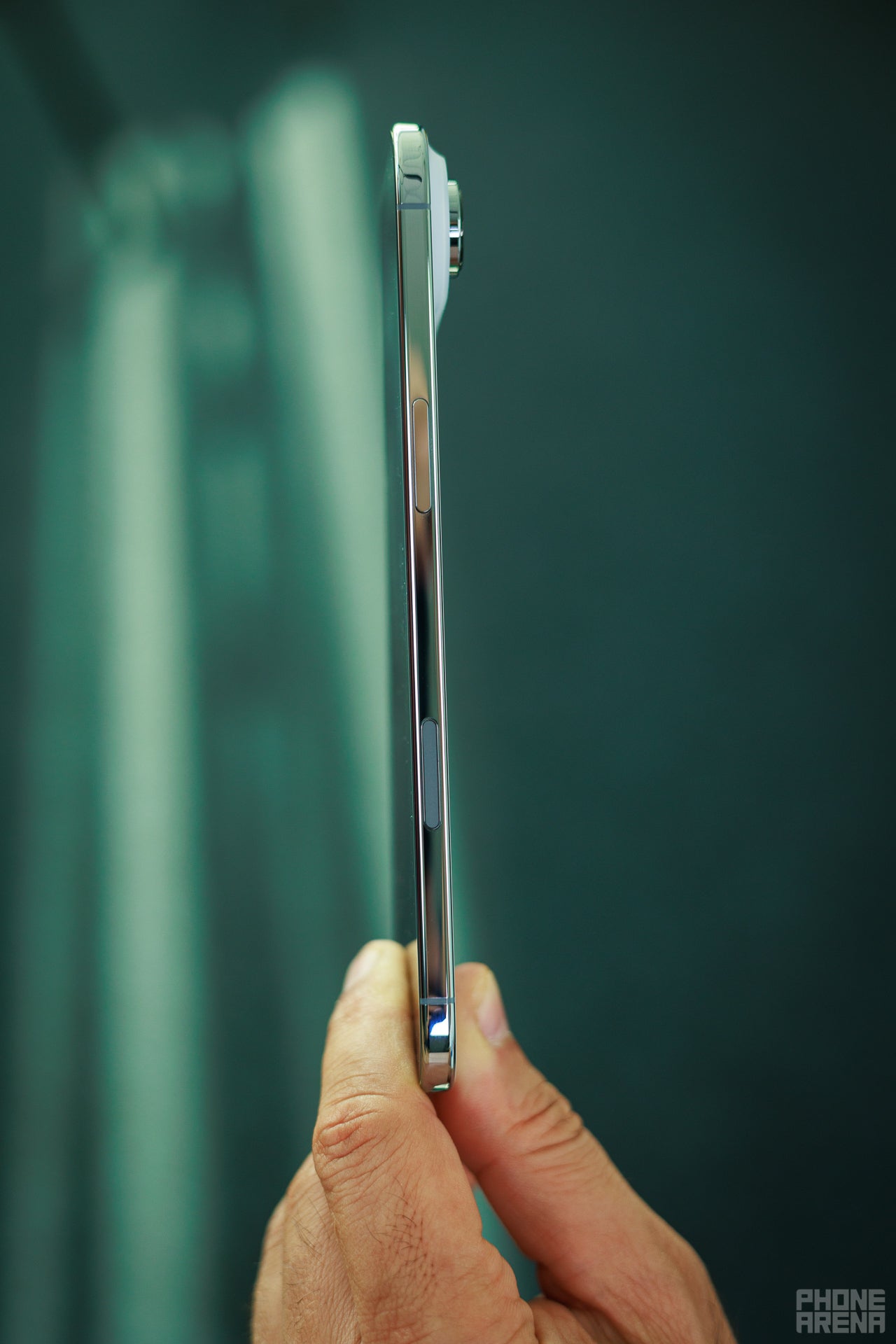
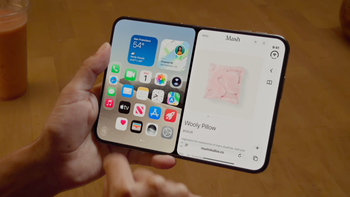
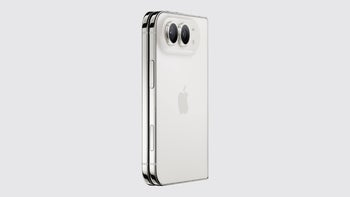
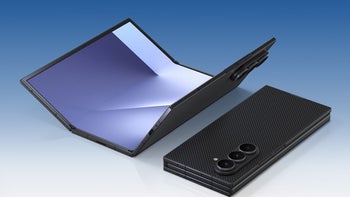
There are two concerns here. For one, it kind of feels like the EU is looking to force manufacturers to build phones like it’s 2004 all over again. And I myself have been pondering how any of these new rules would work in a world where we have foldable phones or super-thin phones like the iPhone Air.
I’m also pretty sure that Silicon Valley is not looking to roll over and give up on the direct control and revenue they get from licensed repairs.
There’s a special clause in for rugged devices in the R2R rules — if a manufacturer can prove that a device needs to be tightly sealed and ingress-protected, it may be exempt from the “user-replaceable battery rule”.
We may just see a resurgence of “rugged phone” marketing in 2027, which will be the premium flagship design of today, repackaged as a “durable” device tomorrow, so that manufacturers can keep using adhesives and sealed designs.
Prong 2: The super-battery
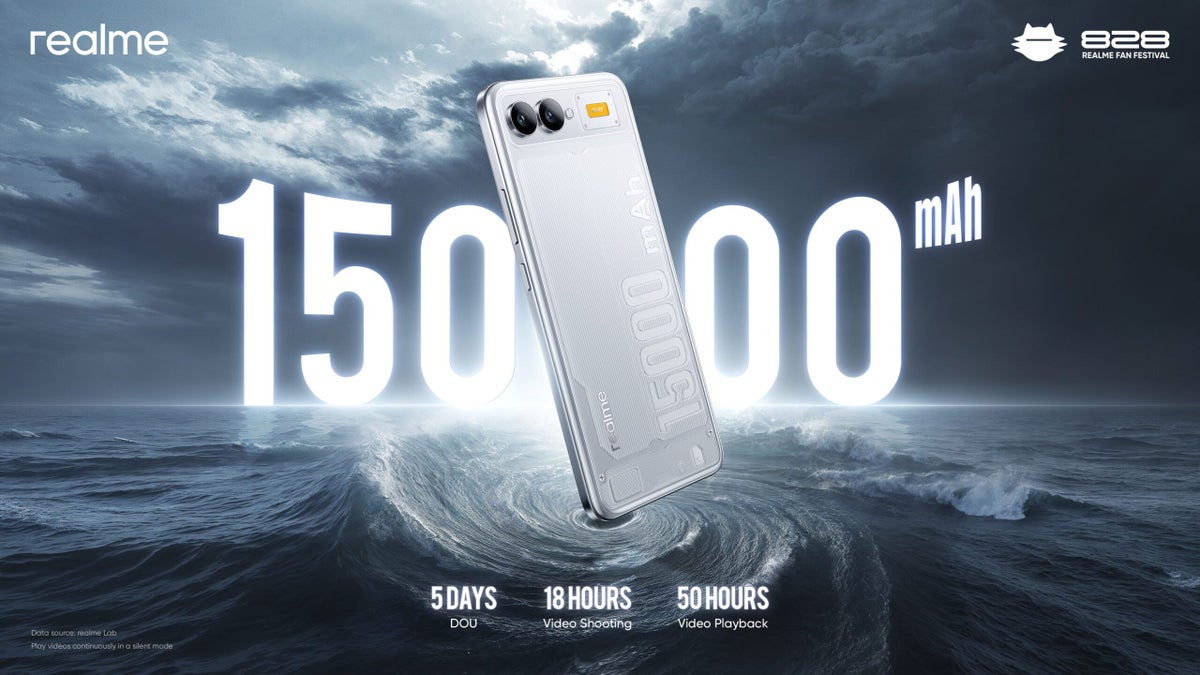
Massive beast of the Overseas | Image by Xiaomi
It’s not exactly a secret that there’s a new type of battery out there in the wild already. However, if you are not glued to smartphone news and reviews every day, you may have missed the silent rise of the Silicon-Carbon battery.
It’s technically not new tech, but manufacturers are just now learning how to “tame” them. See, Si-C batteries have the ability to store a lot more energy and output more power than Li-ion can. The hidden “but” there is that they also have the natural tendency to expand to about 300% of their size while charging, which obviously creates a structural problem.
But there are now modern solutions that include silicon nanowires, carbon scaffolding, multiple safety measures, and many clever tricks to keep them together and operating inside a small handset.
Which is why we are seeing some more exotic smartphones right now with capacities of 6,000 mAh, 8,000 mAh, maybe more. You may have seen brand names like Xiaomi, Oppo, Vivo, and others in headlines that state such massive batteries and asked yourself “How?”. Well, Si-C is how.
The next natural question is “Why are Apple and Samsung not doing this?”.
Giants like Apple, Samsung, and Google have massive supply lines and lack the agility to quickly incorporate such tech in their phones. But it’s very much evident that this is where smartphones are headed for the time being, and I’ve no doubt that they will eventually get there.
Si-C batteries are commonly rated to drop to 80% at between 1,200 and 1,600 cycles, which is good. Currently, in the real world, we do not have enough 5-year-old devices to gather actual real-use data and degradation results. The good news is that people that have used such smartphones for about a couple of years report minor 2% to 5% drops in capacity.
Prong 3: The Mirage (Solid-State Batteries)
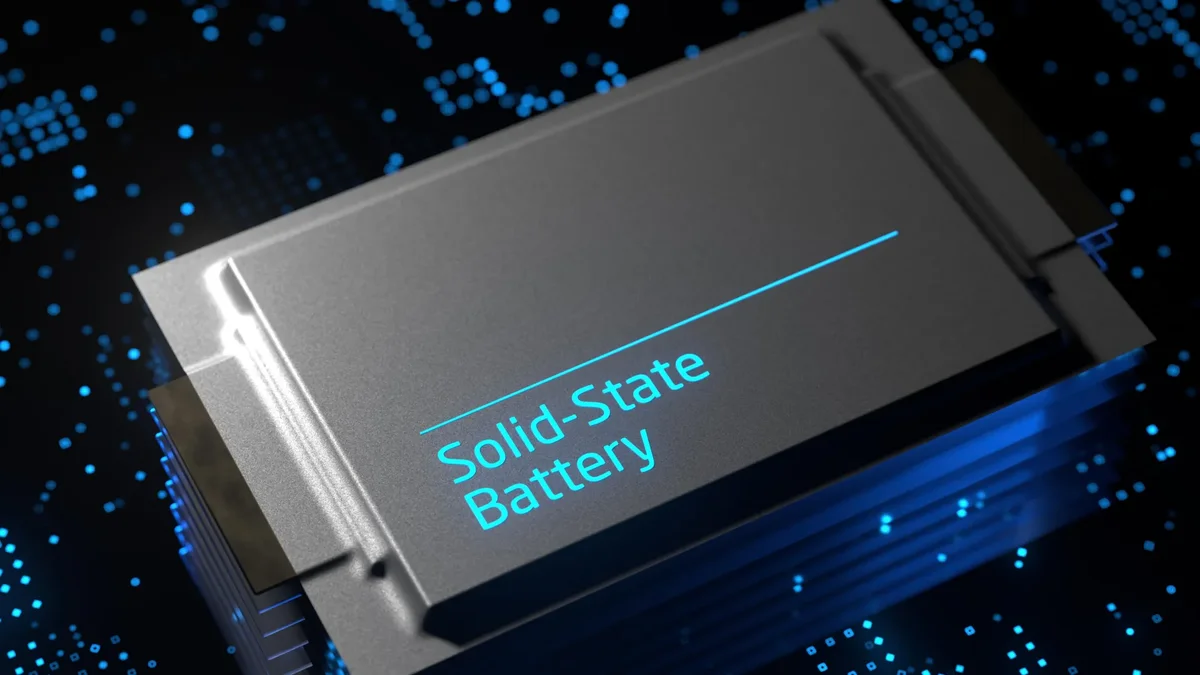
Solid State Dream | Image by ScienceDaily
Then there is the tech sector's favorite holy grail: Solid-State Batteries (SSBs).
The promise of solid-state sounds like science fiction: swap out the volatile liquid electrolyte for a solid ceramic or polymer crystal. The result? A battery with 50% more energy density that is completely non-flammable and theoretically boasts a lifespan of thousands of cycles.
But don't hold your breath for a solid-state iPhone anytime soon. Despite the hype cycles and breakthroughs, mass-producing these at a consumer scale is still a massive… maybe unconquerable challenge.
Since their interior is solid-to-solid, the materials only touch in microscopic patches, which spikes internal resistance. Microscopic lithium whiskers will still form over time, piercing through the interior and causing short circuits, essentially destroying the battery.
While science is looking for ways to build the perfect, defect-free SSB, we are a long way away from that. Doubly so if we want them to be mass-produced and cheap enough to put in a phone.
So, what follows?
We are about to head into some fun times. Watching manufacturers try to skirt the R2R directives may just turn into a spectator sport.
But the silent growth of Si-C batteries will also be a massive benefit. But keep your expectations in check. Through the experience I’ve gained with some of the aforementioned exotic brands, I’ve found that a humongous battery can still be brought on its knees by poor software optimization.
The worst thing that can happen is manufacturers thinking “OK, we have a 8,000 mAh battery in there, no need to worry about background tasks and bloatware — pull all the stops, boys!”. Nah, we’ve had the race for the “Two-day phone”, now we are headed into the “Three-day phone” dream.
Imagine we get to “One week in a single charge” within the next decade…
Six-month unlimited plan is now 57% off
$90
$210
$120 off (57%)
Mint Mobile is now allowing you to get whichever plan you like for either three, six, or 12 months for just $15/mo. If you go for the six-month unlimited service, for instance, you'll now have to pay just $90 upfront instead of $210.
Preslav, a member of the PhoneArena team since 2014, is a mobile technology enthusiast with a penchant for integrating tech into his hobbies and work. Whether it's writing articles on an iPad Pro, recording band rehearsals with multiple phones, or exploring the potential of mobile gaming through services like GeForce Now and Steam Link, Preslav's approach is hands-on and innovative. His balanced perspective allows him to appreciate both Android and iOS ecosystems, focusing on performance, camera quality, and user experience over brand loyalty.
A discussion is a place, where people can voice their opinion, no matter if it
is positive, neutral or negative. However, when posting, one must stay true to the topic, and not just share some
random thoughts, which are not directly related to the matter.
Things that are NOT allowed:
Off-topic talk - you must stick to the subject of discussion
Offensive, hate speech - if you want to say something, say it politely
Spam/Advertisements - these posts are deleted
Multiple accounts - one person can have only one account
Impersonations and offensive nicknames - these accounts get banned
To help keep our community safe and free from spam, we apply temporary limits to newly created accounts:
New accounts created within the last 24 hours may experience restrictions on how frequently they can
post or comment.
These limits are in place as a precaution and will automatically lift.
Moderation is done by humans. We try to be as objective as possible and moderate with zero bias. If you think a
post should be moderated - please, report it.
Have a question about the rules or why you have been moderated/limited/banned? Please,
contact us.






Things that are NOT allowed:
To help keep our community safe and free from spam, we apply temporary limits to newly created accounts: