T-Mobile, Verizon, and AT&T announce that their joint venture is now official
Despite the joint venture, existing independent satellite-carrier deals will remain in effect.
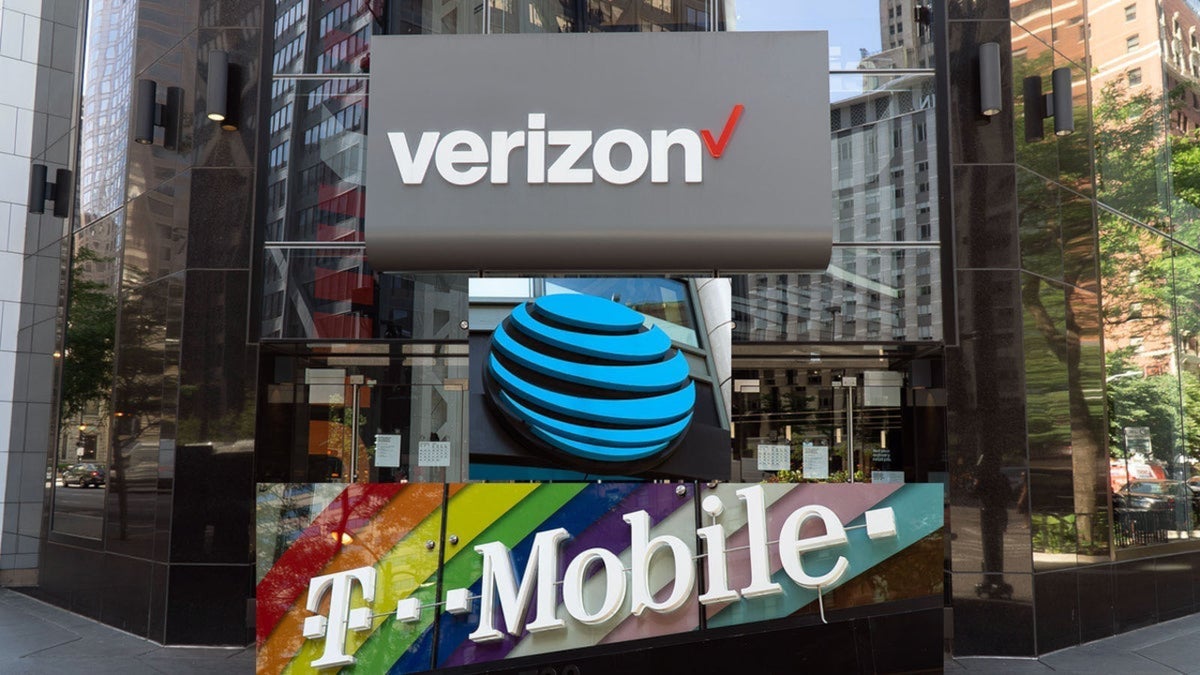
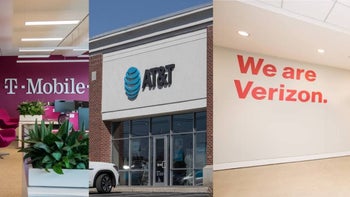
T-Mobile, Verizon, and AT&T sign joint venture partnership | Image by PhoneArena
Back in May, AT&T, Verizon, and T-Mobile made it clear that they wanted to help consumers by creating a joint venture that would offer satellite connectivity in situations where there wasn't any cell service. The carriers already have satellite firms that are willing to provide service to customers, but the US Big 3 carriers are worried that the satellite firms are getting into their territory with talk about SpaceX adding terrestrial spectrum and rumors about the satellite firm buying one of the Big 3 carriers.
How SpaceX became a legitimate player in the wireless industry
When SpaceX paid $19.6 billion for AWS-4, H-Block, and terrestrial AWS-3 spectrum from EchoStar, it turned the company into a hybrid satellite-terrestrial mobile network. Instead of being a wholesale partner of the US Big 3, the move turned SpaceX into a major competitor, and this forced Verizon, AT&T, and T-Mobile to announce the joint venture on Thursday.
The partnership has one major goal
Now that the partnership between T-Mobile, Verizon, and AT&T is official, it is important to understand the primary goal in the carrier's eyes is to expand wireless coverage in underserved areas of the country. By pooling limited spectrum resources to extend coverage and expanding the reach of satellite firms, the carriers hope to eliminate "Dead Zones" without giving firms like SpaceX too much power.
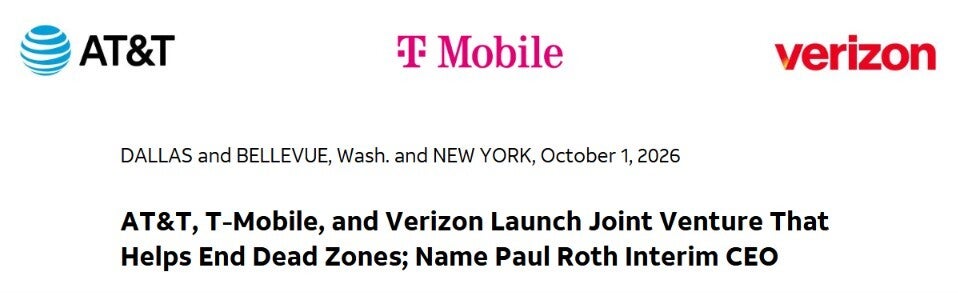
T-Mobile, Verizon, and AT&T announce their joint venture. | Image by T-Mobile, Verizon, AT&T
An "active search" is being conducted for a permanent CEO for the joint venture, which for now is being run on an interim basis by Paul Roth, who would seem to have the kind of background the carriers are looking for. Roth held positions of leadership at several wireless firms, including AT&T, Cingular Wireless, and Ameritech.
Here's a suggestion for permanent CEO of the joint venture
The joint venture will be run by a board consisting of representatives from each founding member. The joint venture will seek to improve the reliability and strength of the signals available in areas where users have had problems staying connected. While I'm not sure that he would be approved by the joint venture, one possibility for the CEO spot could be John Legere, who was named the top CEO in the wireless industry for five consecutive years.
All Legere did was turn T-Mobile into the fastest-growing and most innovative carrier. He left T-Mobile the day it closed its $26.5 billion acquisition of Sprint.
The joint venture will give customers easier access to satellite services and improved network performance. As a result, connectivity will improve for everyone everywhere. For example, users will get more options when it comes to Direct-to-Device (D2D), Direct-to-Cell, or Satellite-to-Phone service.
The joint venture will give customers easier access to satellite services and improved network performance. As a result, connectivity will improve for everyone everywhere. For example, users will get more options when it comes to Direct-to-Device (D2D), Direct-to-Cell, or Satellite-to-Phone service.
These all refer to the same feature that allows a standard off-the-shelf smartphone to connect directly to satellites in Low Earth Orbit without requiring special antennas or compatible satellite receivers.
Despite the joint venture, carrier-satellite agreements currently in effect will remain in place
Even though the joint venture is now official, existing carrier-satellite agreements will remain in place. In addition, the joint venture partners (once again, T-Mobile, AT&T, and Verizon) will be allowed to continue their independent connectivity efforts.
AT&T CEO John Stankey recently revealed that satellite has yet to catch on with US wireless customers. Stankey, who has the longest current tenure of any Big 3 CEO, said at an investor conference last month that even though there is a place for satellite in the industry, 98% of mobile service needs can be handled by terrestrial equipment.


Popular stories
Latest News

![Another batch of Galaxy S26 series users in the US are getting a nice surprise today [UPDATED]](https://m-cdn.phonearena.com/images/article/183643-wide-two_350/Another-batch-of-Galaxy-S26-series-users-in-the-US-are-getting-a-nice-surprise-today-UPDATED.webp)
Things that are NOT allowed:
To help keep our community safe and free from spam, we apply temporary limits to newly created accounts: