A month ago, we saw Apple's new CEO in action: John Ternus officially took over from Tim Cook, marking the end of a major Apple era. 15 years ago, Cook was only taking his first steps as Apple's CEO. And 15 years ago today, something else happened that changed Apple forever.
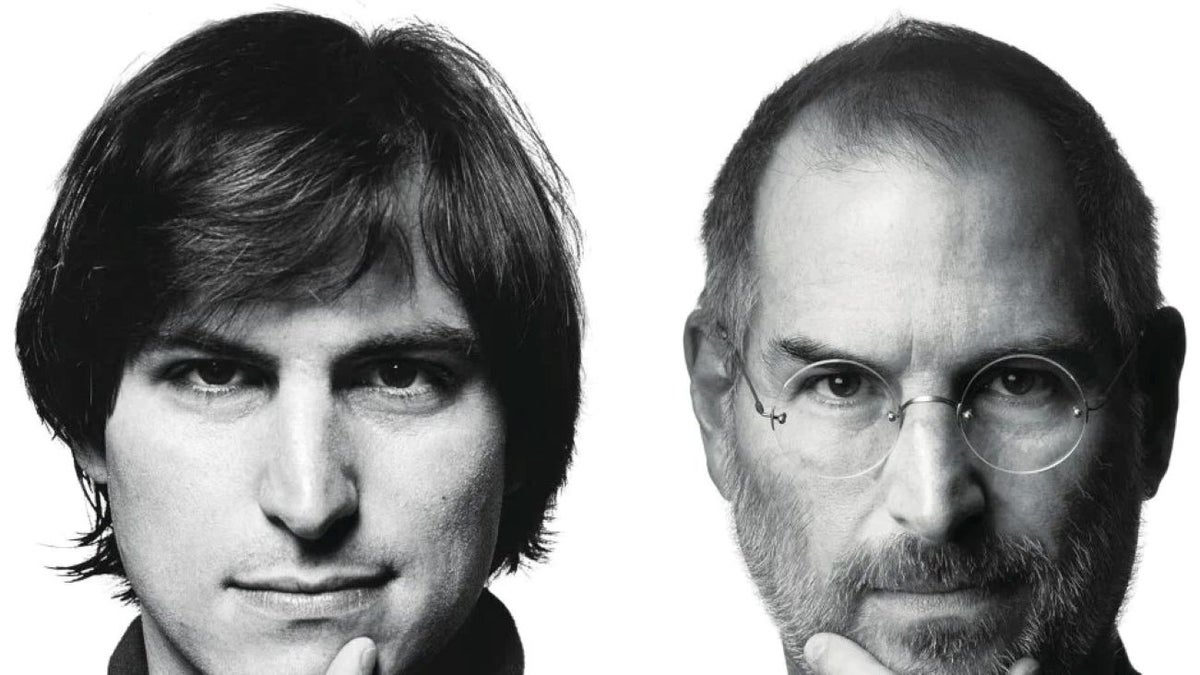
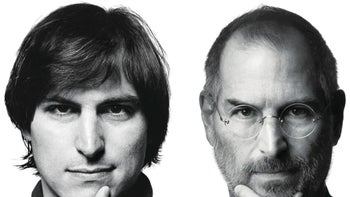
Today's October 5 marks the 15th anniversary of Steve Jobs' death. He was just 56, and it's impossible not to wonder how differently the mobile industry might have developed if Jobs had been around to see what came next.
The man, the myth, the legend
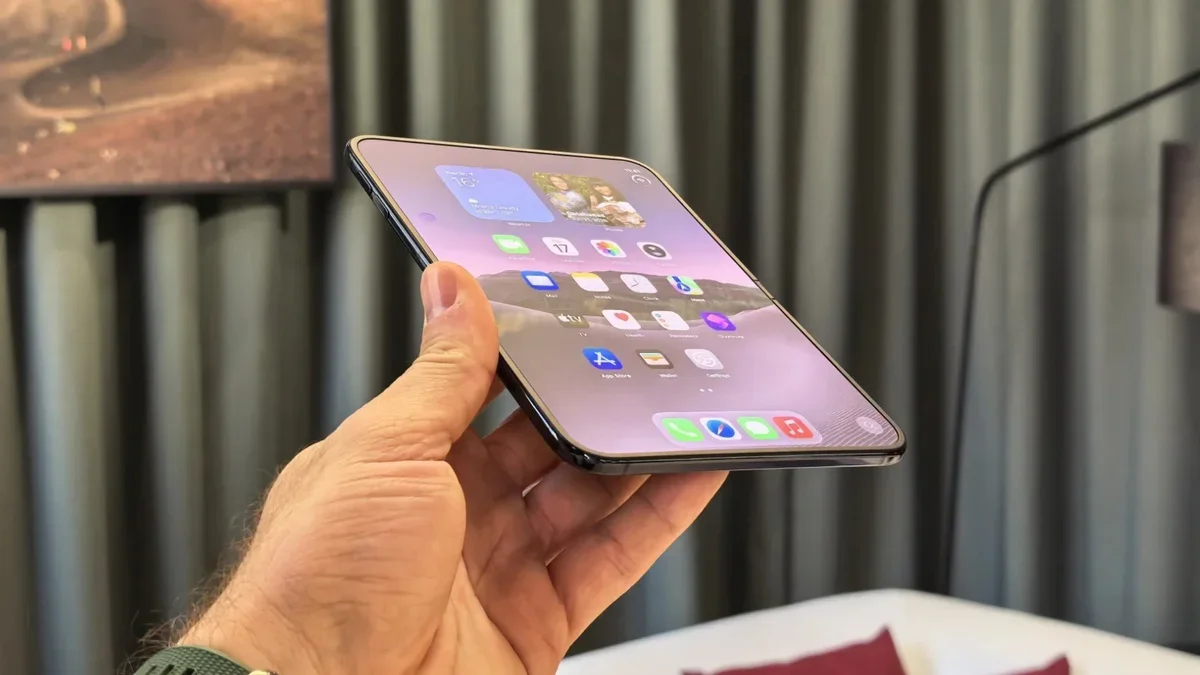
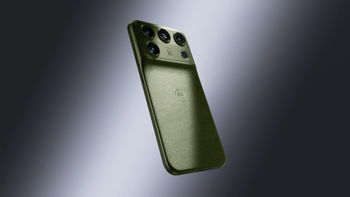
The iPhone Duo is the newest iPhone. | Image by PhoneArena
Fifteen years later, Jobs' influence on the technology industry is difficult to overstate: he helped turn Apple into one of the most recognizable companies in the world and played a major role in changing how we use computers, phones, music players and digital media.
Jobs was behind much more than the iPhone and the Mac. He co-founded Apple, helped popularize the Macintosh, founded NeXT after leaving Apple and later acquired what was to become Pixar. His return to Apple brought with it the technology that would eventually underpin macOS and iOS, while products such as the iPod and iTunes helped reshape the music business.
But there is one particularly strange chapter of Jobs's career that tends to get much less attention: his connection to the CIA. Sharon Weinberger of The Wall Street Journal tells the story.
Recommended For You
What should John Ternus focus on first as Apple's CEO?
40 Votes
Back to 1986
In 1986, just a year after Jobs had been pushed out of Apple and started NeXT, two people working on a classified CIA program showed up at the company's headquarters. Joe Romello and Jeff Harris were involved in a satellite reconnaissance initiative known as "Program B" and they believed NeXT's computers could be useful to the intelligence community.
At first glance, Jobs seemed like an unlikely candidate for such a relationship. He was a counterculture figure who had studied Buddhism, worked with a Zen master and openly discussed his experimentation with mind-altering substances. Yet his new company was building exactly the kind of powerful graphical workstations that intelligence analysts increasingly needed.
The CIA's interest in NeXT soon became more concrete. Romello eventually approached Jobs about purchasing many NeXT workstations for an undisclosed government customer. The request involved as many as 20,000 machines, with modifications including a faster Motorola processor and a specialized graphics card. Jobs was deliberately kept in the dark about the ultimate purpose of the equipment.
Inside NeXT, the mysterious government visitors became something of an oddity. Employees recalled groups of people arriving in plain clothes, introducing themselves only by first names and offering no business cards. They would watch demonstrations, talk with the appropriate people and leave without explaining exactly what they were doing.
The customers are here
The relationship also helped solve one of NeXT's biggest problems: the company desperately needed customers. Jobs's perfectionism had contributed to an expensive workstation that was difficult to sell at scale, particularly to the universities he had hoped would become a major market. The intelligence contract provided NeXT with something it badly needed, time and money.
The CIA even helped bring in Sun Microsystems to assist with manufacturing. Production eventually increased from roughly 100 workstations in the first month to thousands of machines per month. The computers were transported in unmarked trucks to a CIA front company, where the classified modifications were installed before the machines were sent onward to military facilities.
The NeXTcubes eventually found their way into the hands of analysts at the National Reconnaissance Office. Their high-resolution displays and specialized hardware allowed analysts to examine satellite imagery, track military movements and other things.
Bigger than that
Jobs, however, had bigger ambitions than becoming a defense contractor. By the mid-1990s, he reportedly told Harris, who had become head of the NRO, that he was going to redefine the music industry. Harris didn't understand what Jobs meant at the time.
In 1996, Apple announced that it was buying NeXT, bringing Jobs back to the company he had co-founded. NeXT's operating system, NEXTSTEP, became the foundation for what would eventually become Apple's modern software platforms, including the technology behind the Mac and iPhone.
The CIA didn't create the iPhone, of course. But in a very strange twist of Silicon Valley history, America's intelligence community may have helped keep Steve Jobs in the game long enough for him to come back and change consumer technology forever.
On the Visible+ Pro plan, you get access to 5G Ultra Wideband data on Verizon's fastest network. Along with unlimited roaming across Mexico and Canada, 2 days of Global Pass per month, 3x hotspot speeds, 4K streaming, and Smartwatch service.
Sebastian is one of PhoneArena’s senior opinionators. A veteran news writer with almost 20 years of experience in media and technology, he not only covers all the hot news about Galaxies and iPhones, but often provides hot takes on industry trends. He’s fascinated with camera-focused flagships from the likes of Oppo and Vivo, as well as foldable phones.
A discussion is a place, where people can voice their opinion, no matter if it
is positive, neutral or negative. However, when posting, one must stay true to the topic, and not just share some
random thoughts, which are not directly related to the matter.
Things that are NOT allowed:
Off-topic talk - you must stick to the subject of discussion
Offensive, hate speech - if you want to say something, say it politely
Spam/Advertisements - these posts are deleted
Multiple accounts - one person can have only one account
Impersonations and offensive nicknames - these accounts get banned
To help keep our community safe and free from spam, we apply temporary limits to newly created accounts:
New accounts created within the last 24 hours may experience restrictions on how frequently they can
post or comment.
These limits are in place as a precaution and will automatically lift.
Moderation is done by humans. We try to be as objective as possible and moderate with zero bias. If you think a
post should be moderated - please, report it.
Have a question about the rules or why you have been moderated/limited/banned? Please,
contact us.









Things that are NOT allowed:
To help keep our community safe and free from spam, we apply temporary limits to newly created accounts: