Budget mid-range phones are losing the edge they once held over flagship smartphones
Considering the steps that Huawei, Xiaomi, and other phone manufacturers have taken, as well as the changes that are under consideration, budget phones are losing their edge.
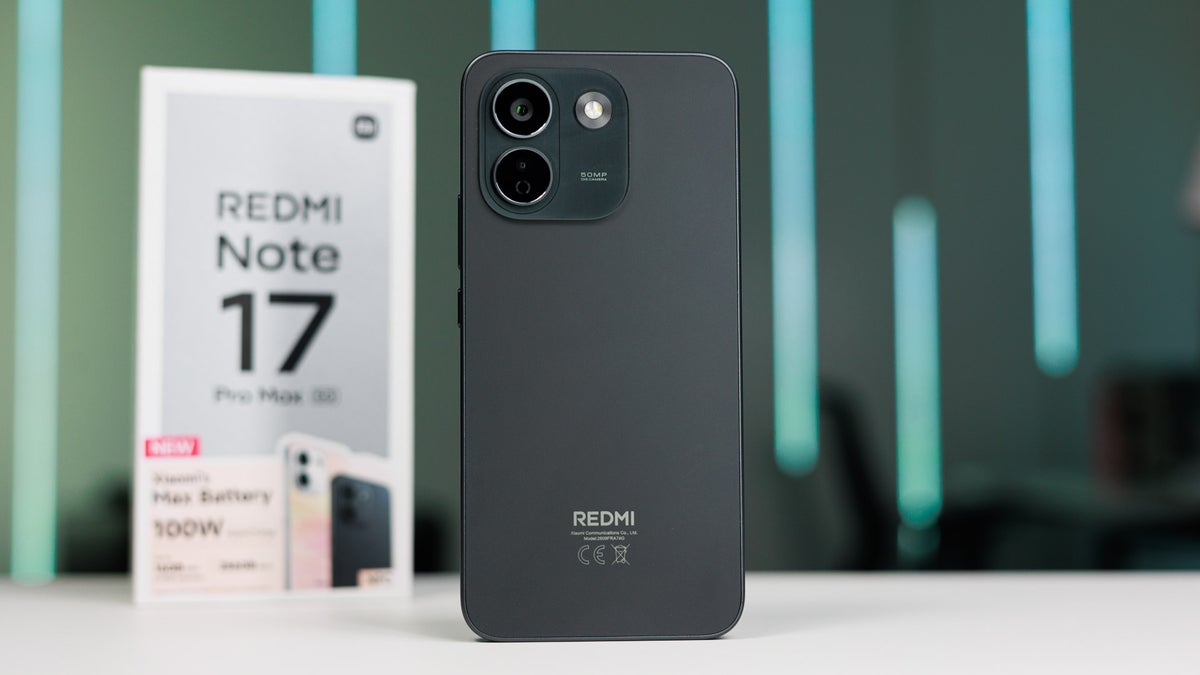
Budget phones have, for many years, remained a perfectly viable alternative to current flagship smartphones. Chinese mid-rangers in particular offer excellent hardware — with RAM, battery capacity, and camera configurations often surpassing Samsung and Apple flagships — at very reasonable prices.
This is all coming to an end and we all know why.
Huawei and Xiaomi lowered RAM in budget phones
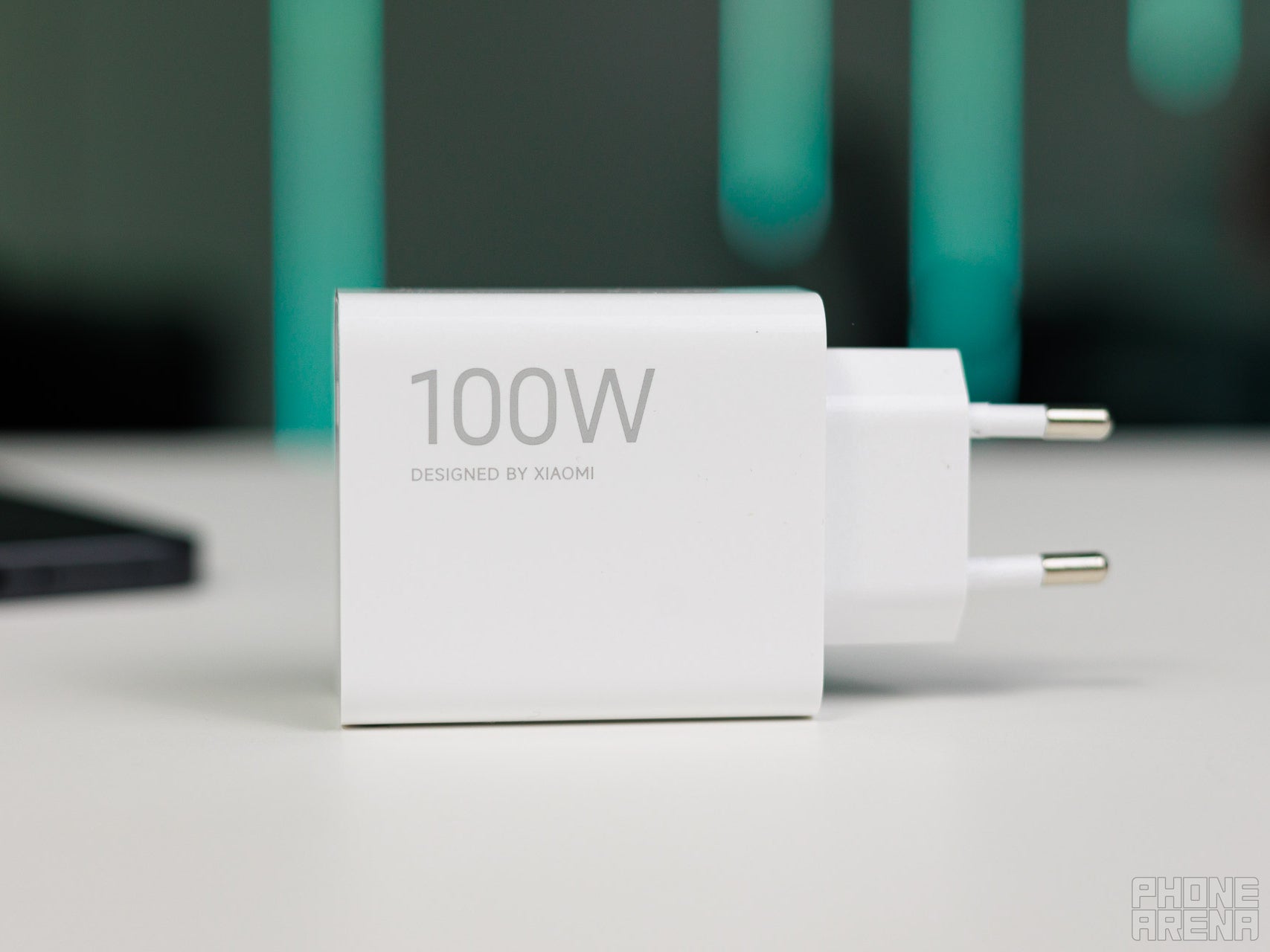
100W charging is not new for Chinese phones. | Image by PhoneArena
According to a new report (translated source), Huawei and Xiaomi mainly decreased the amount of RAM available in their low-end and mid-range budget smartphones. Flagship offerings retained expected amounts of RAM.
This is to reduce costs as memory prices continue to skyrocket due to never-ending demand from AI data centers. Chinese budget phones often featured at least the same amount of RAM as flagship offerings like the Galaxy S26 Ultra or the iPhone 18 Pro.
This method of cost reduction isn’t anything new — it’s been taking place since memory first started becoming too expensive — but it continues to worsen for the end consumer as demand for memory doesn’t seem to be dying down. What makes this even worse is that this isn’t the only solution that phone companies have turned to in hopes of reducing manufacturing costs.
Recommended For You
Poll
0 Votes
What is the worst cost reduction method for smartphones for the end consumer?
Mid-rangers might lose out on better hardware
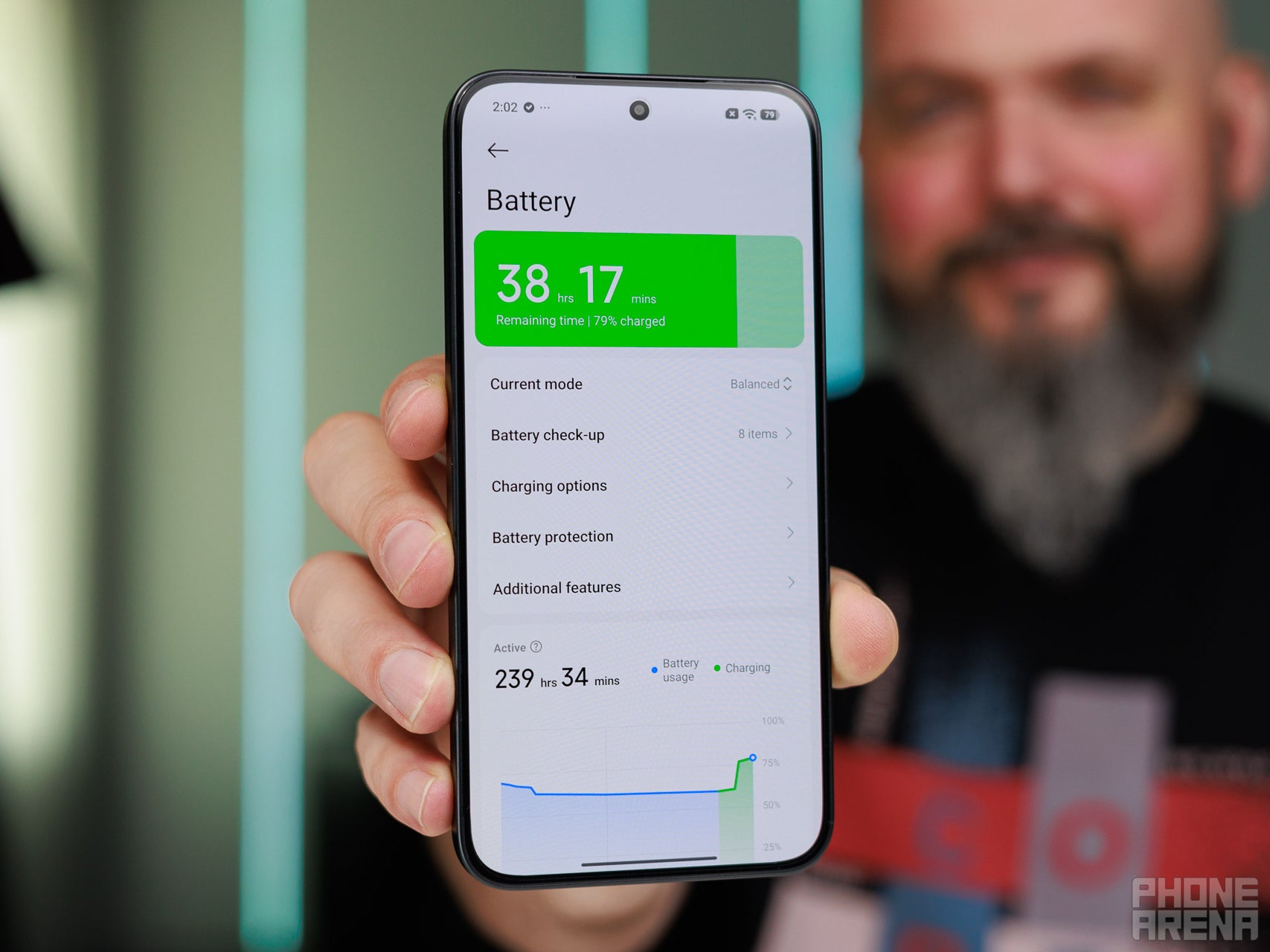
The Redmi Note 17 Pro Max has a ridiculously large battery. | Image by PhoneArena
In addition to decreased RAM, budget phones are reportedly going to lose out on hardware that made them perfectly decent alternatives to flagship phones. Now that the memory crisis is deepening, phone manufacturers are apparently planning to downgrade the displays on their mid-range offerings.
AMOLED displays might revert back to LCD displays, which I don’t think I could ever return to on phones. Refresh rates, which currently usually sit at 120 Hz, might be brought back down to 90 Hz. Fortunately, 90 Hz is still pretty smooth and doesn’t feel as choppy as 60 Hz, which I can also never return to now.
Display designs might have to be teleported back in time as well. Mid-range phones that have been shipping with punch-hole cameras might just see their successors release with tear-drop notches instead.
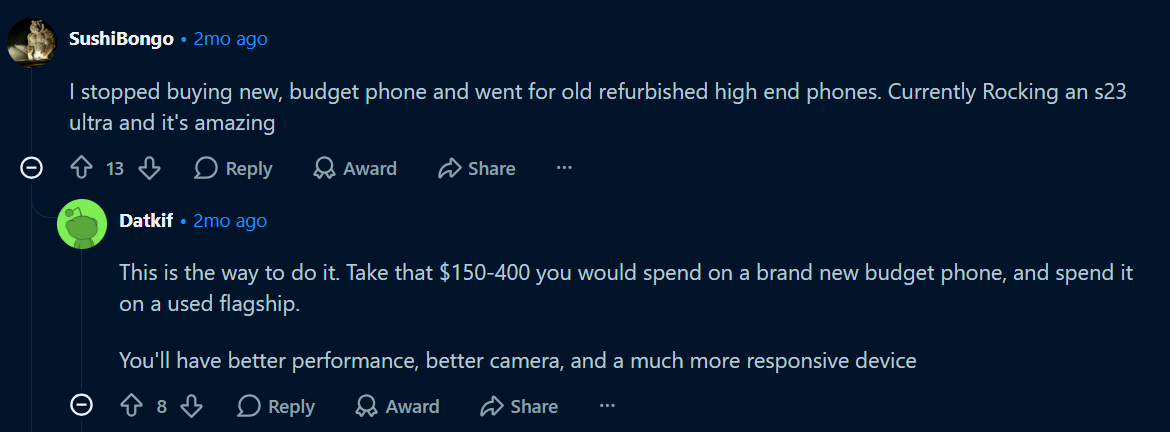
Some cost-cutting measures are already apparently in play. Cheaper materials are being used for the chassis of phones and older memory modules are being salvaged for budget models currently being manufactured. For some, there is a very obvious solution to the crisis that is taking place in the budget smartphone industry.
New budget smartphone or a used flagship? Which would you choose? | Image by Reddit
Ultimately, mid-range smartphones will either revert back to being phones that people don’t want to buy, or they will lose the one thing that made them such good rivals to flagships: price. After all, phone manufacturers can’t keep absorbing costs to retain market share forever.
Abdullah loves smartphones, Virtual Reality, and audio gear. Though he covers a wide range of news his favorite is always when he gets to talk about the newest VR venture or when Apple sets the industry ablaze with another phenomenal release.
A discussion is a place, where people can voice their opinion, no matter if it
is positive, neutral or negative. However, when posting, one must stay true to the topic, and not just share some
random thoughts, which are not directly related to the matter.
Things that are NOT allowed:
Off-topic talk - you must stick to the subject of discussion
Offensive, hate speech - if you want to say something, say it politely
Spam/Advertisements - these posts are deleted
Multiple accounts - one person can have only one account
Impersonations and offensive nicknames - these accounts get banned
To help keep our community safe and free from spam, we apply temporary limits to newly created accounts:
New accounts created within the last 24 hours may experience restrictions on how frequently they can
post or comment.
These limits are in place as a precaution and will automatically lift.
Moderation is done by humans. We try to be as objective as possible and moderate with zero bias. If you think a
post should be moderated - please, report it.
Have a question about the rules or why you have been moderated/limited/banned? Please,
contact us.











Things that are NOT allowed:
To help keep our community safe and free from spam, we apply temporary limits to newly created accounts: