Samsung sets a decent sales target for the S9, but it's LG that will take Q1
While there are reports that the initial S9 and S9+ orders are lower than those of their predecessors at about launch time, Samsung actually never said they will sell more. The 43 million sales target it had set for its newest flagships is a far cry from the 60 million that it forecast for the Galaxy S8 and S8+, so saying that the initial orders are 30% lower than last year's high-ends, is like saying that everything goes according to Samsung's plan.
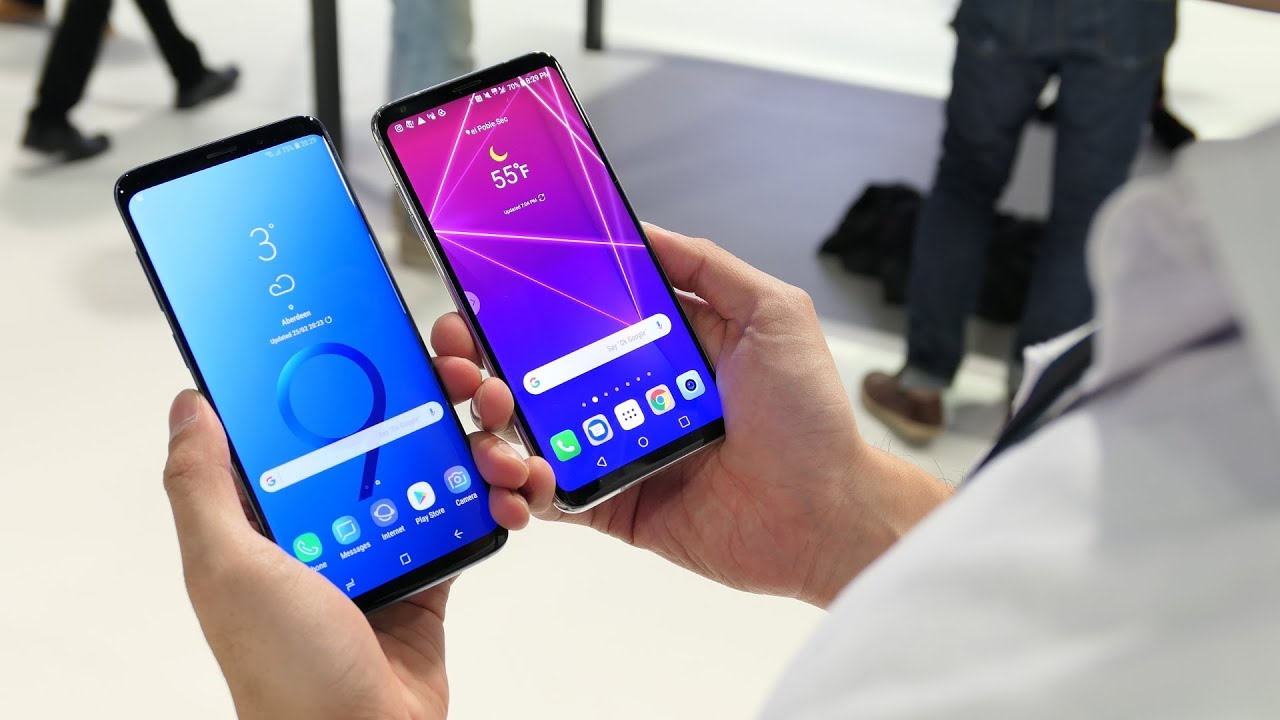

Granted, it shipped less S8 handsets than the forecast last year, but it is obviously not expecting wonders from its "tock" cycle upgrade this year. In its fairly modest forecast, Samsung is apparently taking into account the slowing smartphone sales globally, which saw a record dip last quarter, thanks to some record average pricing brought on by Apple and Samsung itself. "Samsung aims to ship 43 million units of the S9 and S9+, although it can revise the sales goal depending on market conditions. The yield rate of the new flagship phones were taken into consideration," commented an insider, perhaps referring to the unique variable aperture camera on the back of the handsets that may be taking its time to ramp up in millions of units produced.
Thus, Samsung is expected to report about $13 billion in profit this current quarter, which is less than the record Q4 it posted, with $14 extra billion going into its coffers. It's still a great result, though, why analysts are reporting that Q2 and Q3 will be record-breaking quarters for Samsung again, riding on the coattails of the S9 sales and Apple's new OLED display orders for the rumored iPhone Xs.
While Q1 may be a transitional quarter for Samsung, if you can call $13 billion in operating profit that, it will be LG's turn to shine then, report Korean analysts today, as the company is expected to post about $1 billion in profit for the quarter ending this month. While this may seem like chump change compared to the rival across town, it will actually be its first billion dollar quarter since 2009. While LG might have not even announced the G7 yet, its OLED TV and home appliance business is booming, despite the US slapping tariffs on washing machines. If it manages to pull off the G7 right, too, the company may just continue with a great year in the next quarters, too.
source: TheInvestor & ETNews (translated)


Popular stories




Latest News

Things that are NOT allowed:
To help keep our community safe and free from spam, we apply temporary limits to newly created accounts: